The Lombards in Italy
AD 568 Pavia, capital of the Lombard kingdom
In short
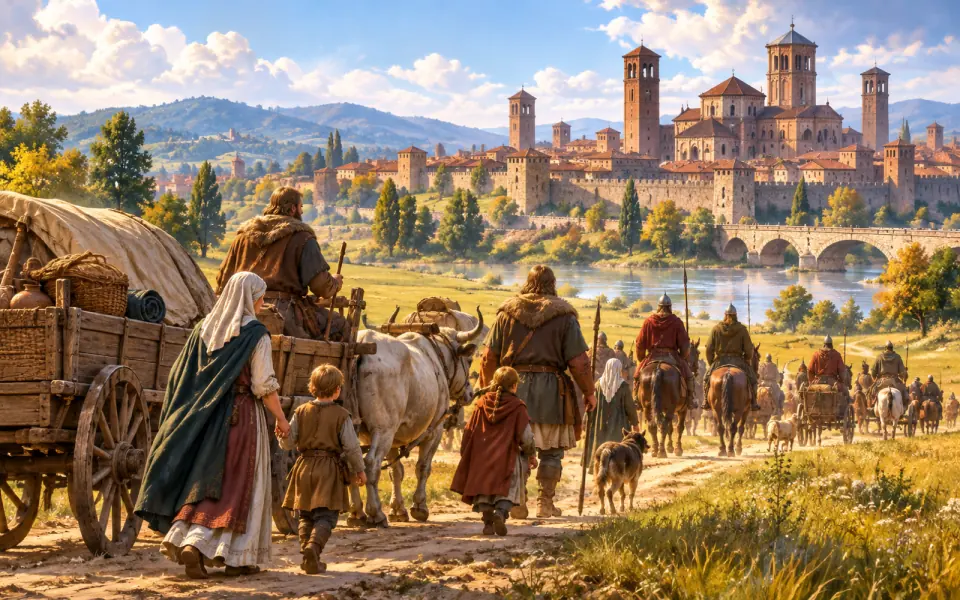
The Lombards, led by King Alboin, came down into Italy from Pannonia, today's Hungary. They conquered much of the peninsula and chose Pavia as their capital. For centuries Italy remained divided: some areas belonged to the Lombards, others to the Byzantines, such as Ravenna, Rome and part of the South. The name Lombardy comes from them.
Why it matters Their arrival ended the political unity of the peninsula, which would only return in 1861.
Source: Treccani, entry “Longobardi”
Study card about 5 minutes of reading
The story
A people on the move
The Lombards were a Germanic people. Historians reconstruct that their origins lie in the north, near the lower part of the river Elbe, and that over a few centuries, from the 2nd to the 6th, they moved south-east, along the Danube, as far as Pannonia, a region that today corresponds largely to Hungary.
While the Lombards were living in Pannonia, Italy was going through a terrible war: for almost twenty years the armies of Justinian and those of the Ostrogoths had been fighting each other. When the war ended, the country was exhausted. It was at that moment of weakness that the Lombards decided to come down.
The arrival in 568
In AD 568, led by King Alboin, the Lombards crossed the river Isonzo and entered Italy. According to the historian Paul the Deacon, the arrival took place in spring. How many were they? We do not know for certain: some estimates suggest a figure between 100,000 and 150,000 people, counting however the women, children and old people too, not only the warriors. It was not a simple invasion of soldiers: it was the migration of a whole people.
The Byzantine army, after the war, was not able to stop them. The first town to fall was Cividale del Friuli. In September 569 Milan and Lucca surrendered. Pavia held out longer: the siege began in 569 and the city fell in 572. Alboin chose it as his capital and kept it for the rest of his reign.
Alboin did not have time to enjoy it: in 572 he was killed at Verona in a plot organised by his wife Rosamund with some warriors. Confused years followed. After the murder of the new king Cleph, in 574, the dukes, that is, the chiefs of the individual bands, governed without a king for about ten years. In 584 the kingdom started again with Authari, who in 589 married Theodelinda; after him Agilulf became king, and he in turn married Theodelinda.
A broken Italy
The Lombards never conquered the whole peninsula. Their kingdom extended above all over the north and the centre, with its capital at Pavia. In the south great duchies arose, such as that of Benevento, which remained independent for centuries. The Byzantines, instead, kept some areas: Ravenna, Rome and others. In this way Italy was divided into several parts, with different borders and governments.
The Lombards, moreover, were few compared with the Italian inhabitants, and lived in a different way: they were Arians, according to tradition, and had laws of their own. Towards the end of the 7th century they converted to Catholicism. In 643 King Rothari had the laws of his people written down in the so-called Edict of Rothari: the law replaced the blood feud, that is, the right of families to take revenge, with a payment in money, called wergild. It was an important step towards a more civilised law.
The greatest king and the end
King Liutprand, who reigned longer than any other Lombard king of Italy, brought the kingdom to its greatest splendour. Then came Charlemagne: in 773-774 he took Pavia and defeated the last king, Desiderius, who was sent to a monastery in France. The independent kingdom was over. Only the duchy of Benevento remained standing for a long time, in the south.
What they left us
The Lombards have left traces that can still be seen. At Cividale del Friuli there is the Lombard Temple, a small early medieval building (8th-9th century, the date is debated). At Monza the Iron Crown is kept, from the early Middle Ages and linked by tradition to the Lombards, used for the coronation of the kings of Italy until the 19th century. The name “Lombardy” recalls the Lombards, who for two centuries were the masters of that part of Italy.
Why it happened
The Lombards moved because their position in Pannonia had become uncertain: they were a people on the move, surrounded by other powerful peoples, and they were looking for better land. Italy, after the long war between the Byzantines and the Ostrogoths, seemed rich and weak.
The military situation also counted for a great deal. Justinian's armies had been busy in Italy for almost twenty years and the Byzantine state was short of soldiers and money. For this reason, in a few years, the Lombards managed to conquer most of the north without meeting organised resistance.
What changed
The greatest effect was the division of Italy. The peninsula, which under Justinian had returned to a single empire, split again: one part stayed with the Lombards, another with the Byzantines, and the south had a history different from that of the north. This political division lasted, in different ways, for more than a thousand years, until 1861.
The Lombards also changed social life. They brought laws of their own, written down in the Edict of Rothari, which replaced the blood feud with a payment in money. Towards the end of the 7th century they converted from Arianism to Catholicism.
After their end, the places remained: Pavia, Cividale, Monza, and the name of a whole region, Lombardy.
Key people and places
People
- Alboin
- King of the Lombards who led the entry into Italy in 568; he chose Pavia as his capital and died in 572 at Verona.
- Rosamund
- Alboin's wife: according to tradition she was among the leaders of the plot that killed him.
- Theodelinda
- Queen of the Lombards, wife first of Authari and then of Agilulf.
- Rothari
- King until 652: in 643 he had the Edict with the Lombard laws written.
- Desiderius
- Last king of the Lombards: defeated by Charlemagne in 773-774, he ended up in a monastery in France.
Places
- Pavia
- Capital of the Lombard kingdom, which fell in 572 after a long siege.
- Cividale del Friuli
- First town conquered by the Lombards; the Lombard Temple is found here.
- Pannonia
- Region of central Europe, largely in present-day Hungary, from which the Lombards came.
- Benevento
- Lombard duchy in the south that stayed independent for a long time even after the fall of the kingdom.
Good to know
- According to some estimates the Lombards who entered Italy were between 100,000 and 150,000 people, including women and children.
- The name “Lombardy” recalls the Lombards.
- The Iron Crown kept at Monza, from the early Middle Ages, was used for the coronations of the kings of Italy until the 19th century.
- The Edict of Rothari, of 643, replaced the blood feud with a payment, the wergild.
- For about ten years, after 574, the Lombards had no king: the dukes governed.
Find out more
- Wikipedia, “Lombards” en.wikipedia.org
- Wikipedia, “Alboin” en.wikipedia.org
- Wikipedia, “Edictum Rothari” en.wikipedia.org
- Wikipedia, “Oratorio di Santa Maria in Valle” en.wikipedia.org
Related events
- The Romano-Germanic kingdomsabout AD 480 · Early Middle AgesThe Lombards were the last great Germanic people to create a kingdom in Italy.
- Emperor JustinianAD 527 · Early Middle AgesJustinian's war against the Goths had left Italy weak.
- The mosaics of San Vitale in RavennaAD 547 · Early Middle AgesRavenna and its mosaics remained for years under Byzantine rule, alongside the Lombard kingdom.
- Charlemagne, King of the FranksAD 768 · Early Middle AgesCharlemagne conquered the Lombard kingdom in 774.
Before and after, in the era “Early Middle Ages”
Event 7 of 25
 BeforeThe Romano-Germanic kingdomsabout AD 480
 BeforeEmperor JustinianAD 527
 BeforeJustinian's CodeAD 529
 BeforeBenedictine monksabout AD 529
 BeforeHagia Sophia in ConstantinopleAD 537
 BeforeThe mosaics of San Vitale in RavennaAD 547
- You are hereThe Lombards in ItalyAD 568
 AfterMuhammad's HijraAD 622
 AfterIsidore writes the Etymologiesabout AD 625
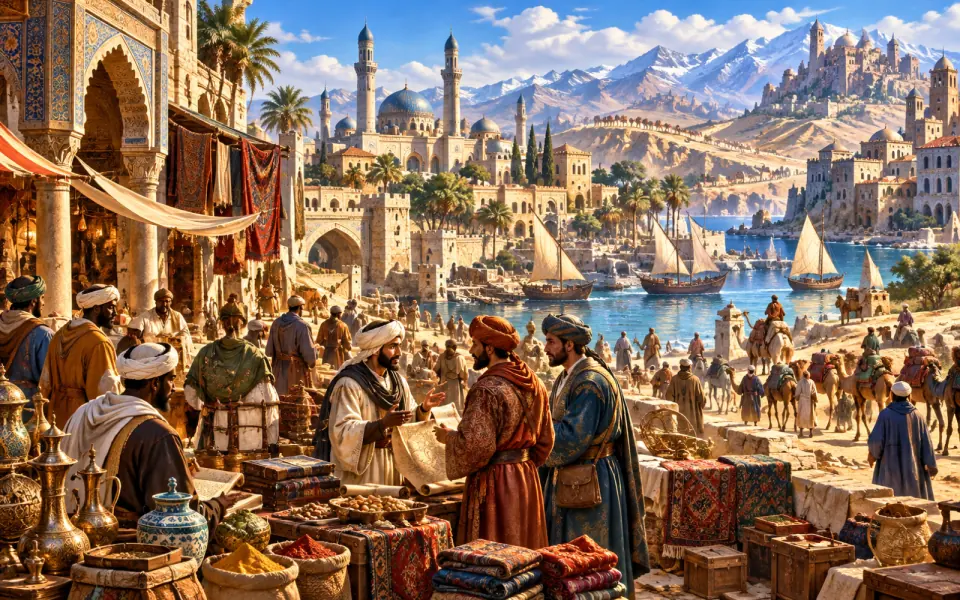 AfterThe spread of IslamAD 632–750
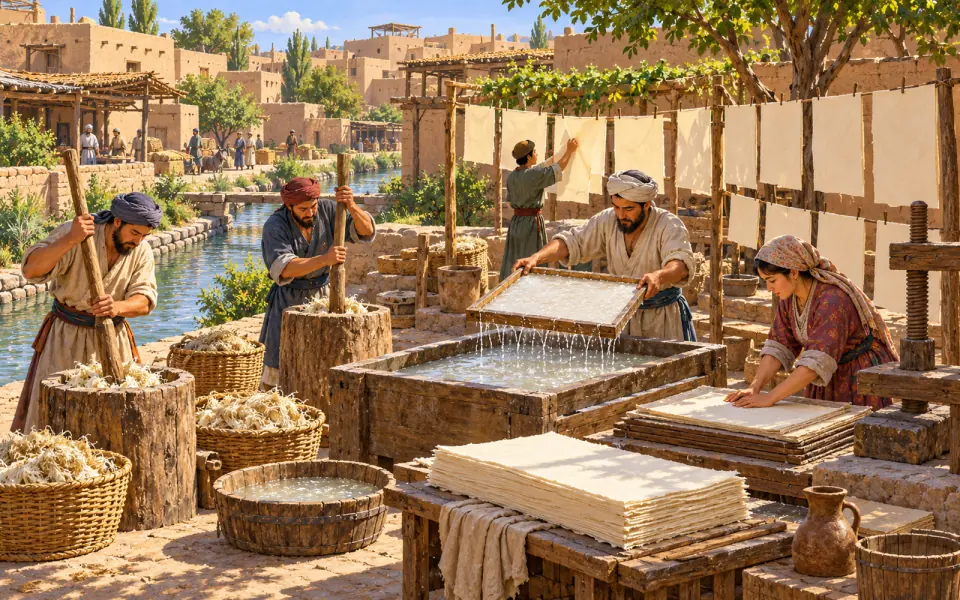 AfterPaper reaches Samarkandabout AD 751
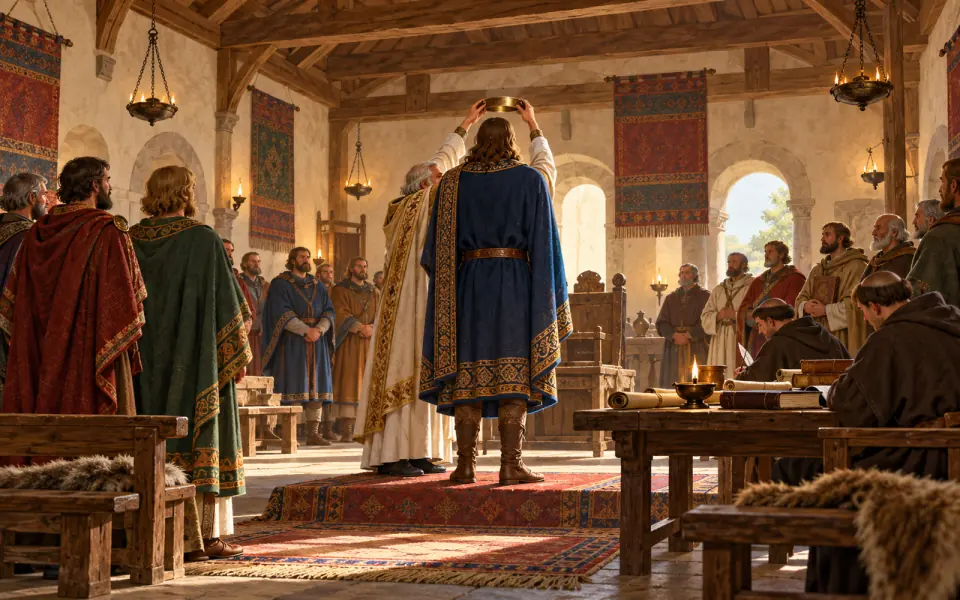 AfterCharlemagne, King of the FranksAD 768
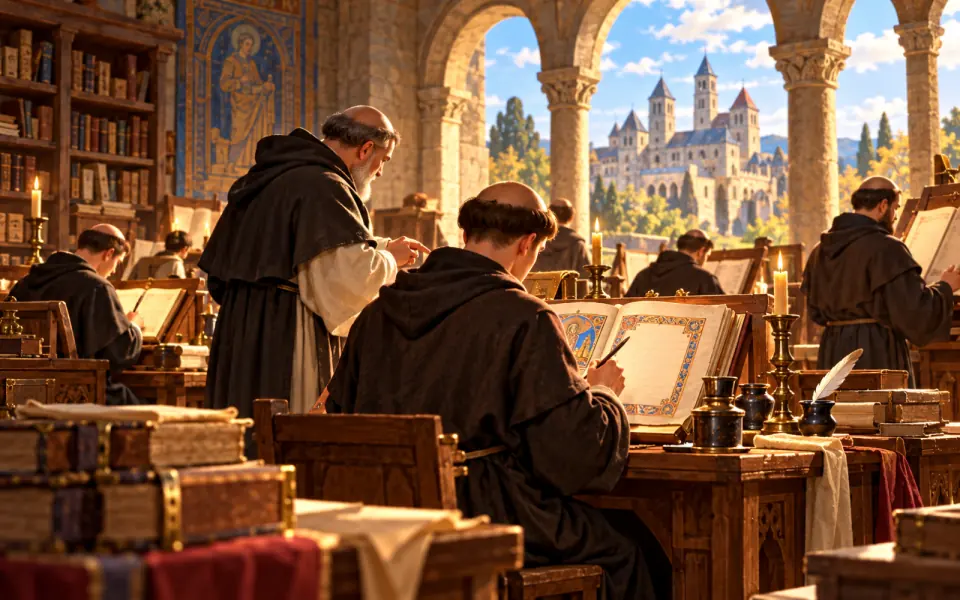 AfterThe Carolingian Renaissanceabout AD 790
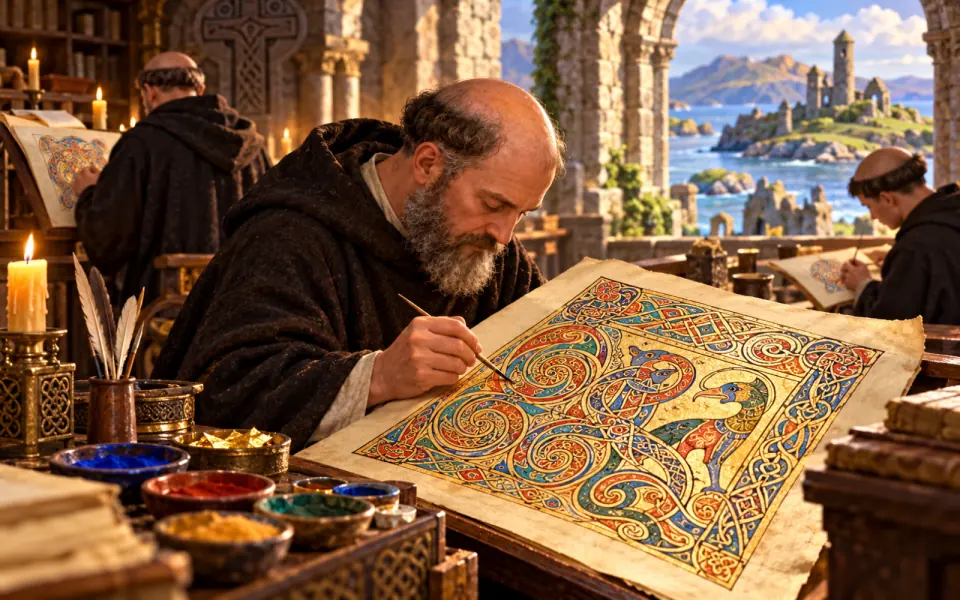 AfterThe Book of Kellsabout AD 800
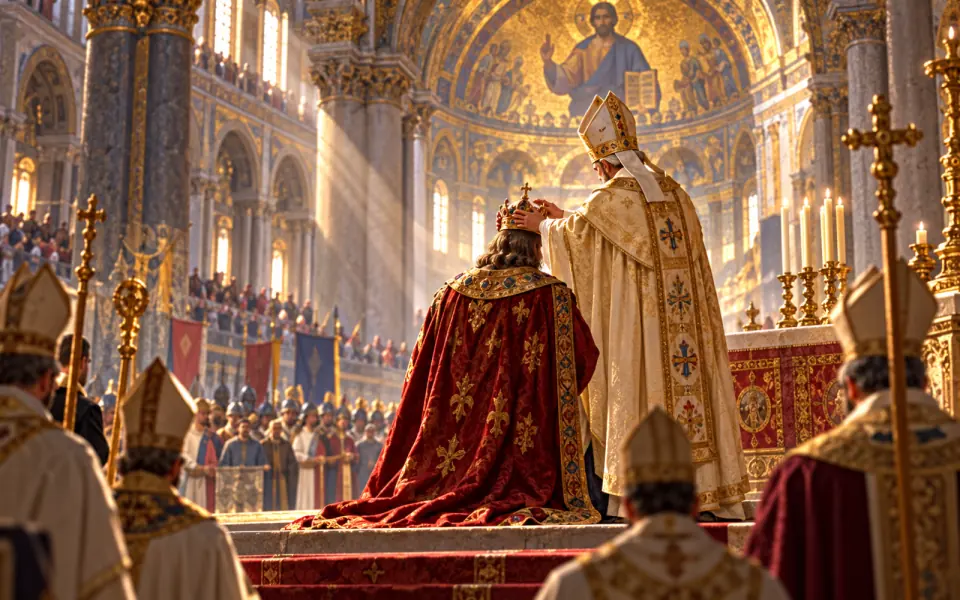 AfterCharlemagne crowned emperorAD 800
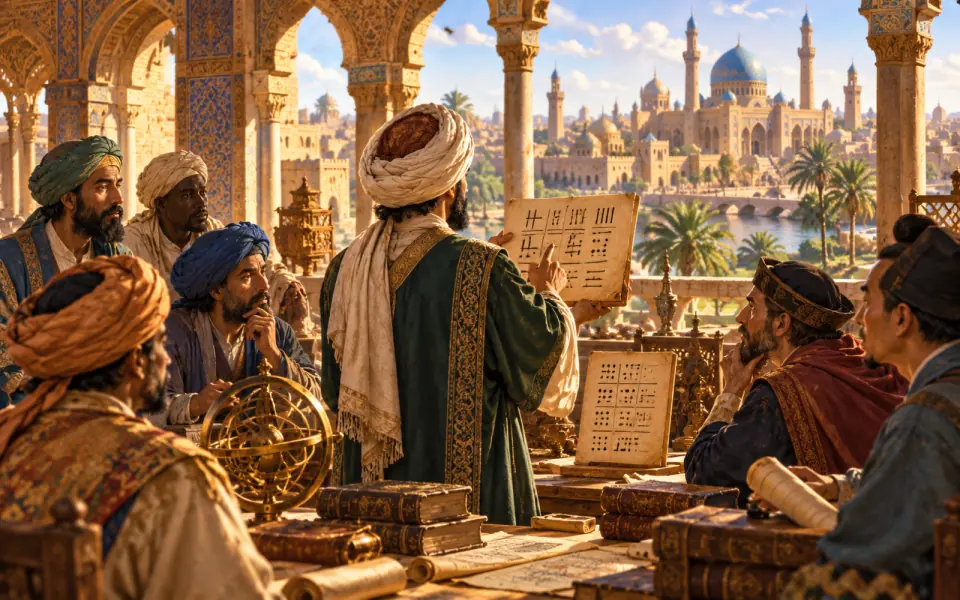 AfterHindu-Arabic numerals head westabout AD 825
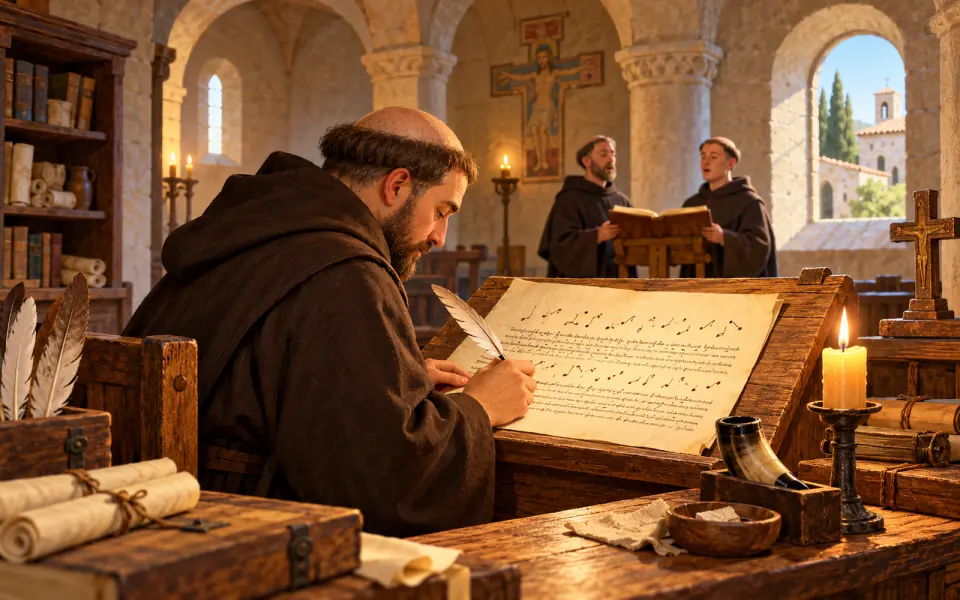 AfterWriting music down with neumesabout AD 850
 AfterThe Diamond Sutra, oldest dated printed bookAD 868
 AfterAlfred the GreatAD 871
 AfterThe Vikings reach Icelandabout AD 874
 AfterThe feudal system spreadsabout AD 900
 AfterThe Medical School of Salernoabout AD 950
 AfterThe Vikings in Greenlandabout AD 985
 AfterLeif Erikson in North Americaabout 1000
 AfterThe heavy plough spreadsabout 1000
Listen / Read next
- Music to read by: Cinematic JourneyEpic film-style music, no lyrics, by Ciro Simone IrmiciSpotifyYouTube Music
Meanwhile, elsewhere in the world
Other events of the era “Early Middle Ages”
- The Romano-Germanic kingdoms
- Emperor Justinian
- Justinian's Code
- Benedictine monks
- Hagia Sophia in Constantinople
- The mosaics of San Vitale in Ravenna
- Muhammad's Hijra
- Isidore writes the Etymologies
- The spread of Islam
- Paper reaches Samarkand
- Charlemagne, King of the Franks
- The Carolingian Renaissance
- The Book of Kells
- Charlemagne crowned emperor
- Hindu-Arabic numerals head west
- Writing music down with neumes
- The Diamond Sutra, oldest dated printed book
- Alfred the Great
- The Vikings reach Iceland
- The feudal system spreads
- The Medical School of Salerno
- The Vikings in Greenland
- Leif Erikson in North America
- The heavy plough spreads
