Skip to content
Storiascopio
EN

Era 7 of 12 · from 476 to 1000

Early Middle Ages

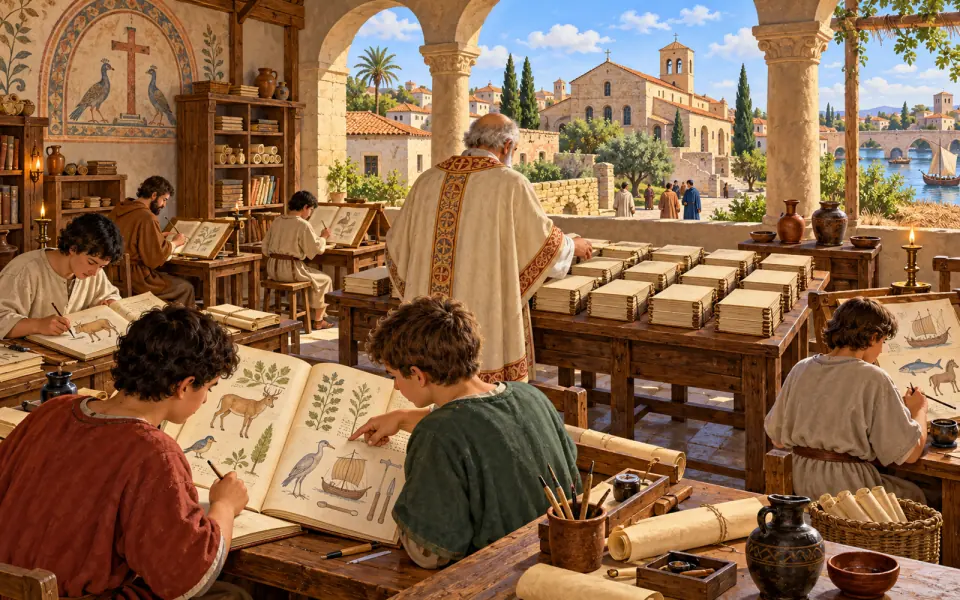
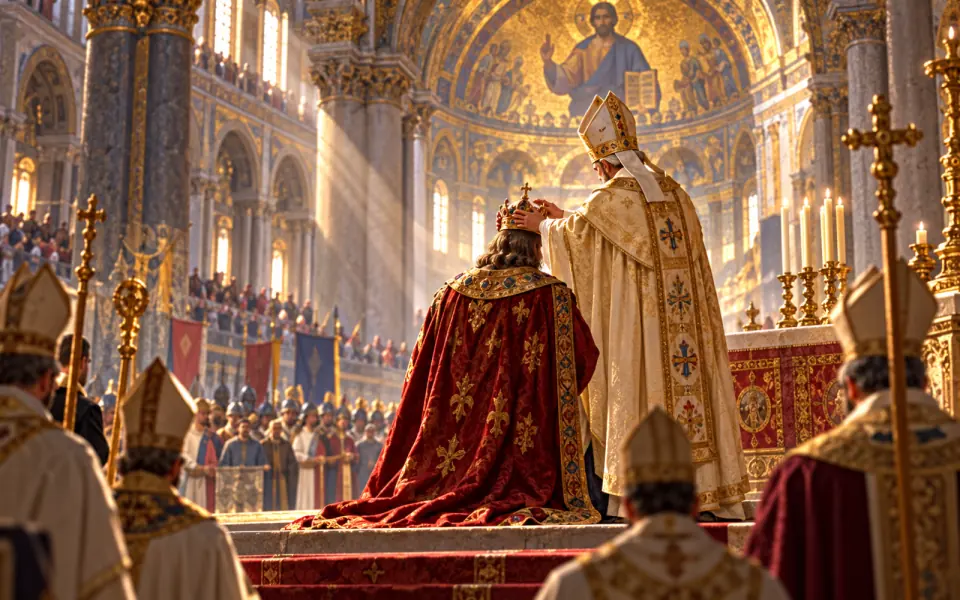
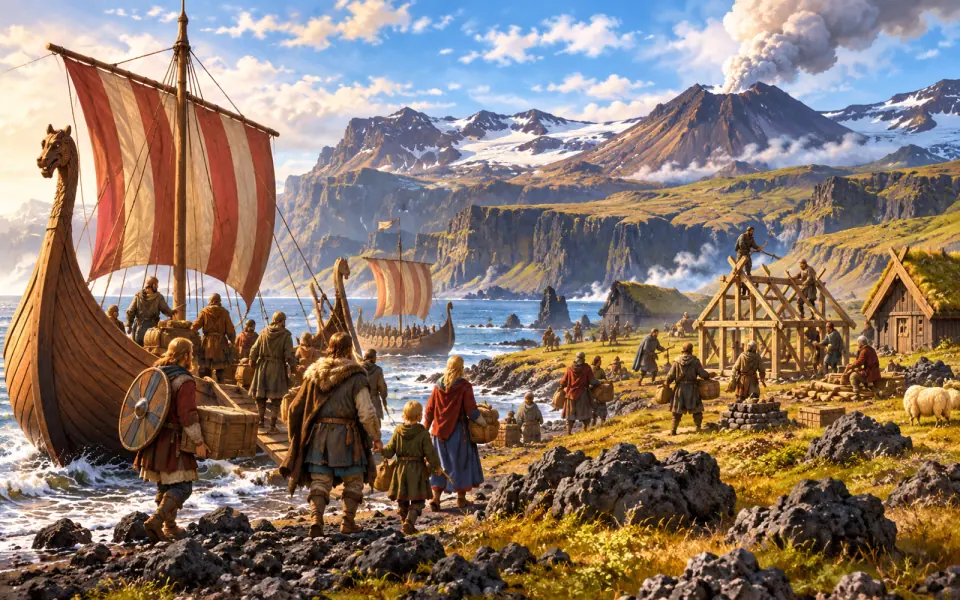
The Early Middle Ages run from the end of the Western Roman Empire, in AD 476, to the year 1000. In Europe new kingdoms are born, led by Germanic peoples, while in Constantinople the Byzantine Empire carries on the Roman tradition. In Arabia Islam is born, and in a short time it spreads from Asia all the way to Spain. In the monasteries monks copy ancient books and save them, and Charlemagne unites much of western Europe. Meanwhile the Vikings cross icy seas and reach as far as America.

In Italian schools it is usually studied in lower secondary year 1
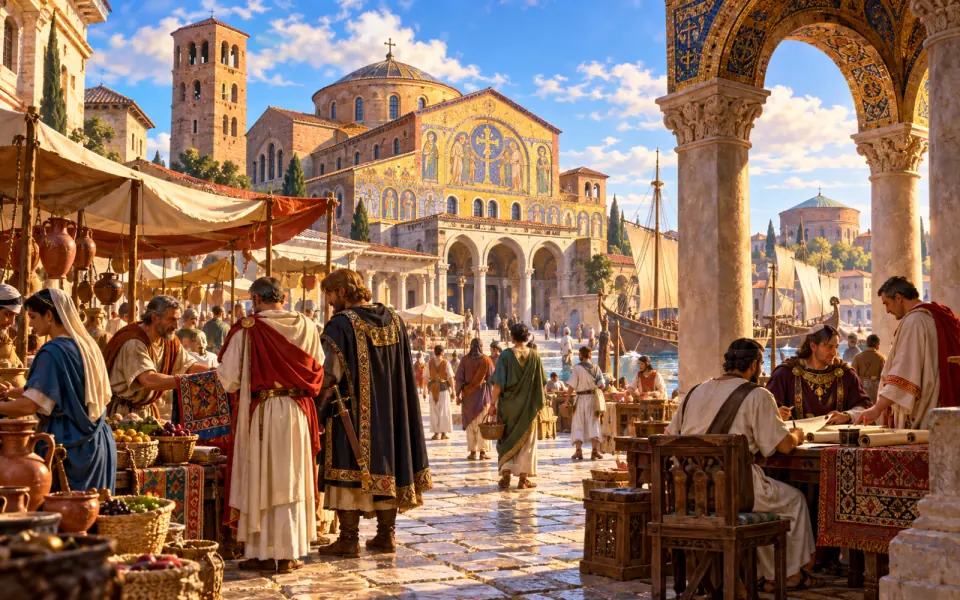
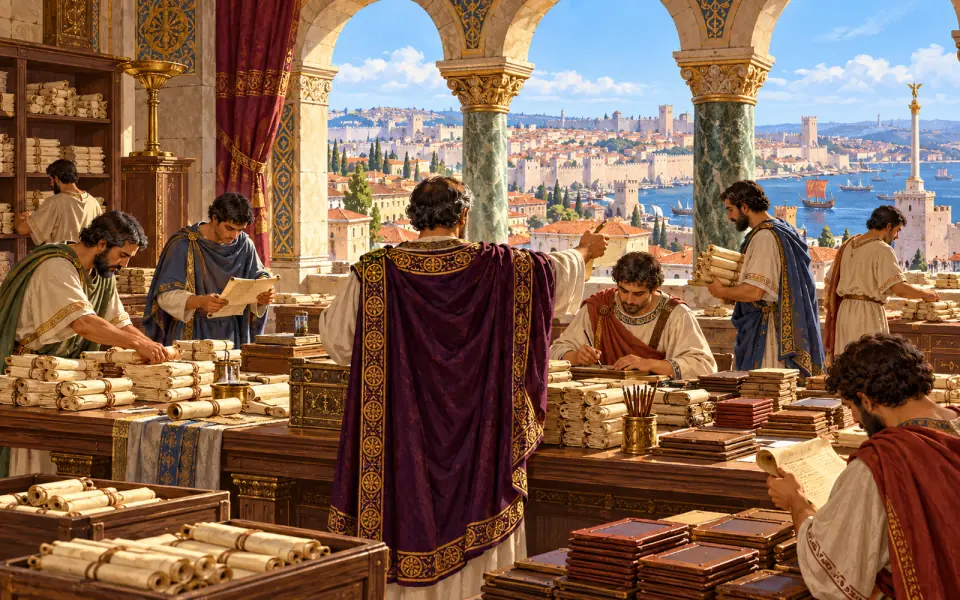
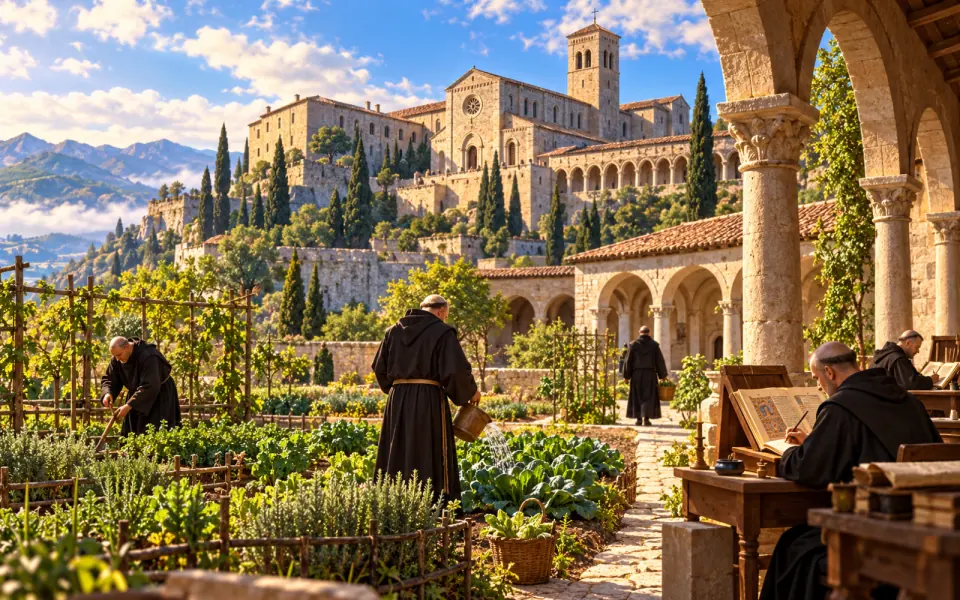
Illustration of the era Early Middle Ages
Illustration created with AI for Storiascopio

The 25 events, in time order

  1. politicsThe Romano-Germanic kingdomsabout AD 480
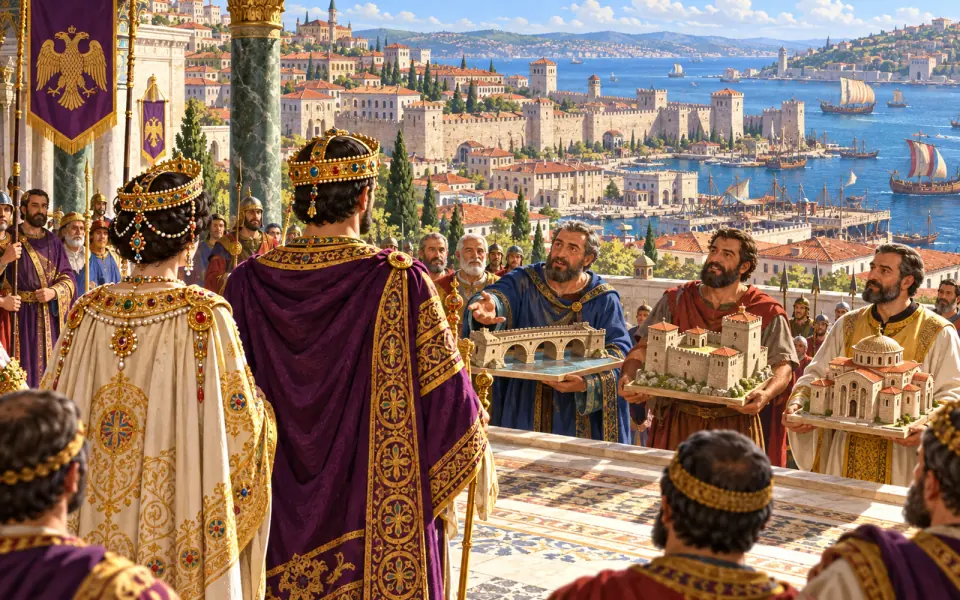
  2. peopleEmperor JustinianAD 527
  3. politicsJustinian's CodeAD 529
  4. daily lifeBenedictine monksabout AD 529
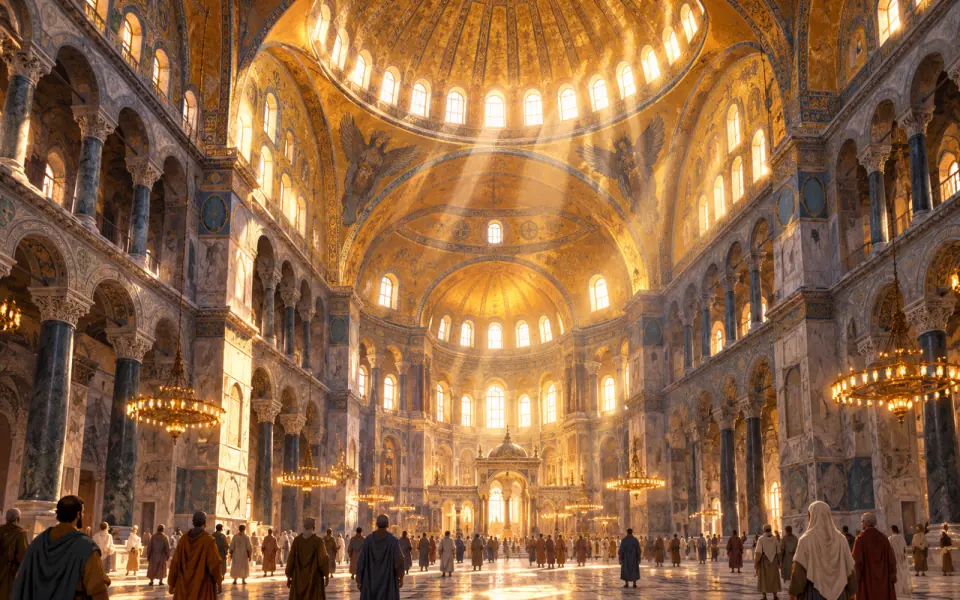
  5. artHagia Sophia in ConstantinopleAD 537
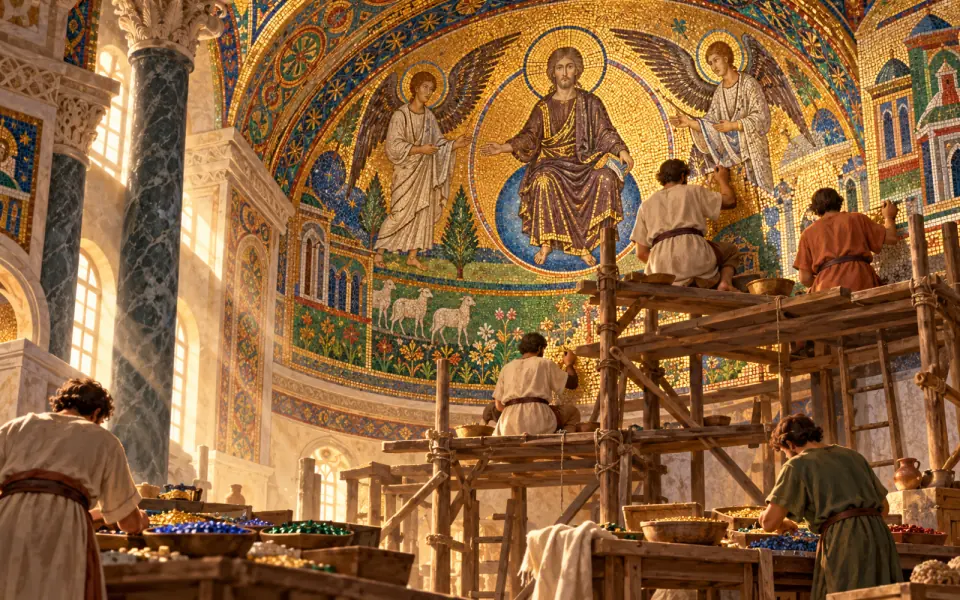
  6. artThe mosaics of San Vitale in RavennaAD 547
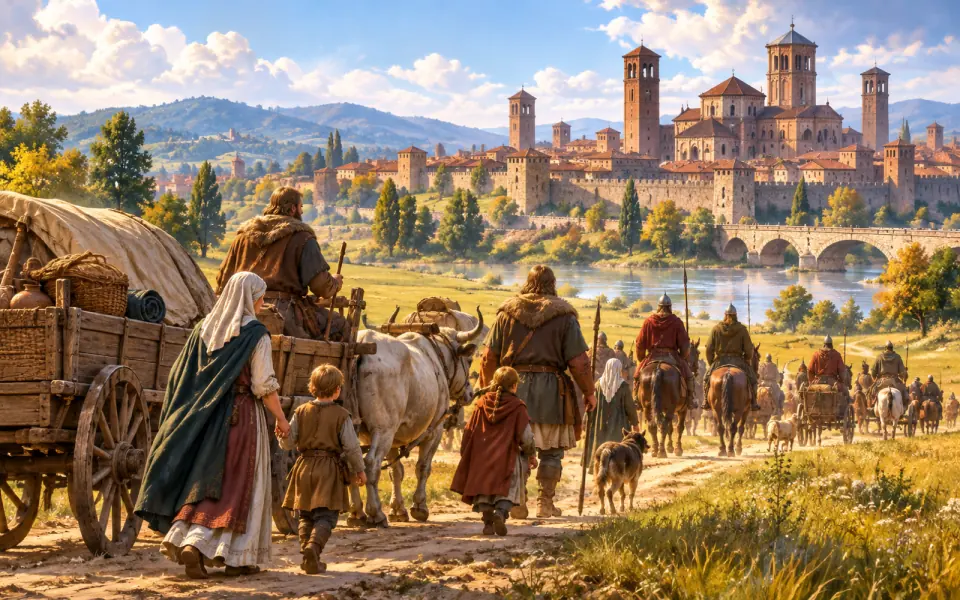
  7. politicsThe Lombards in ItalyAD 568
  8. peopleMuhammad's HijraAD 622
  9. artIsidore writes the Etymologiesabout AD 625
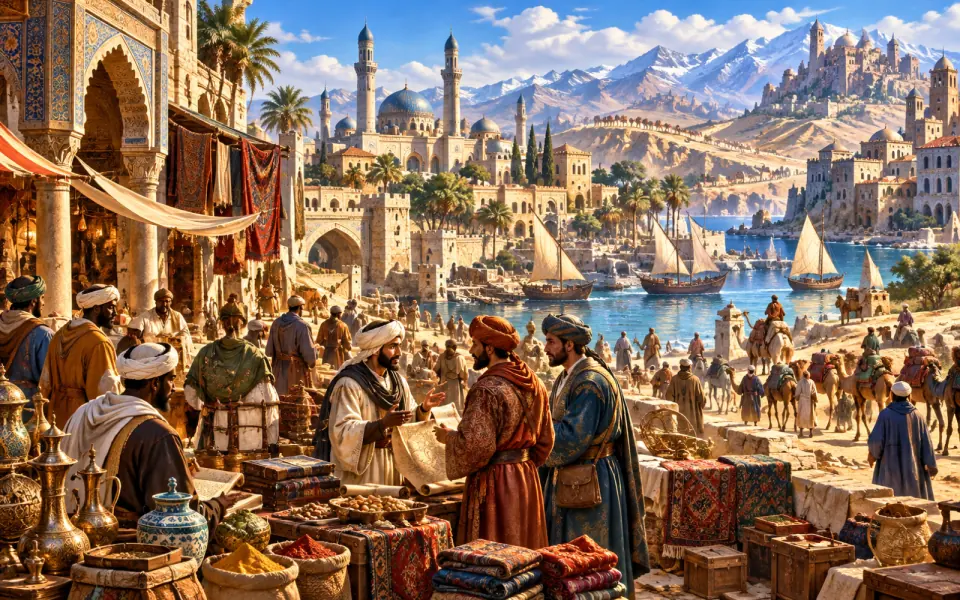
  10. politicsThe spread of IslamAD 632–750
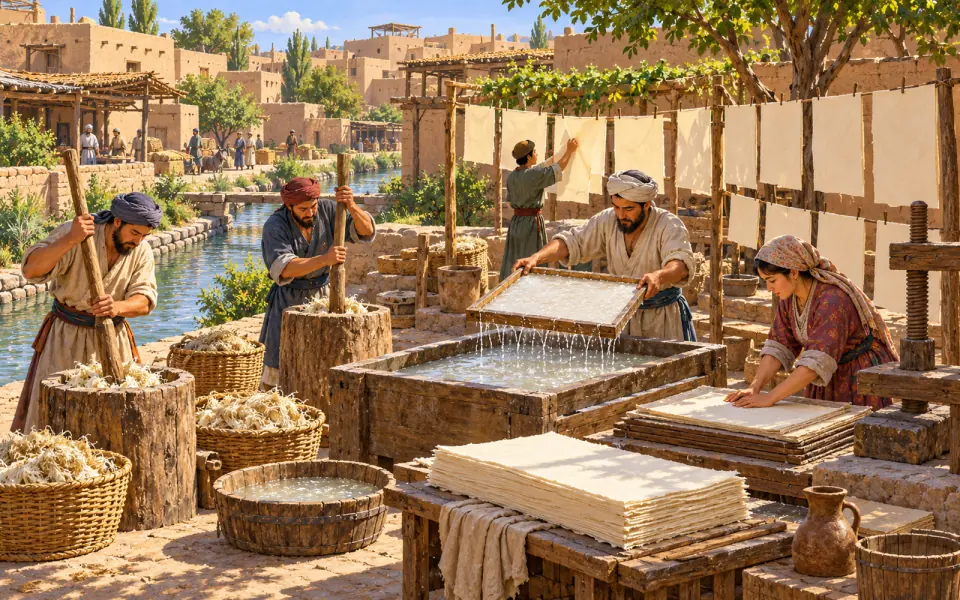
  11. science and technologyPaper reaches Samarkandabout AD 751
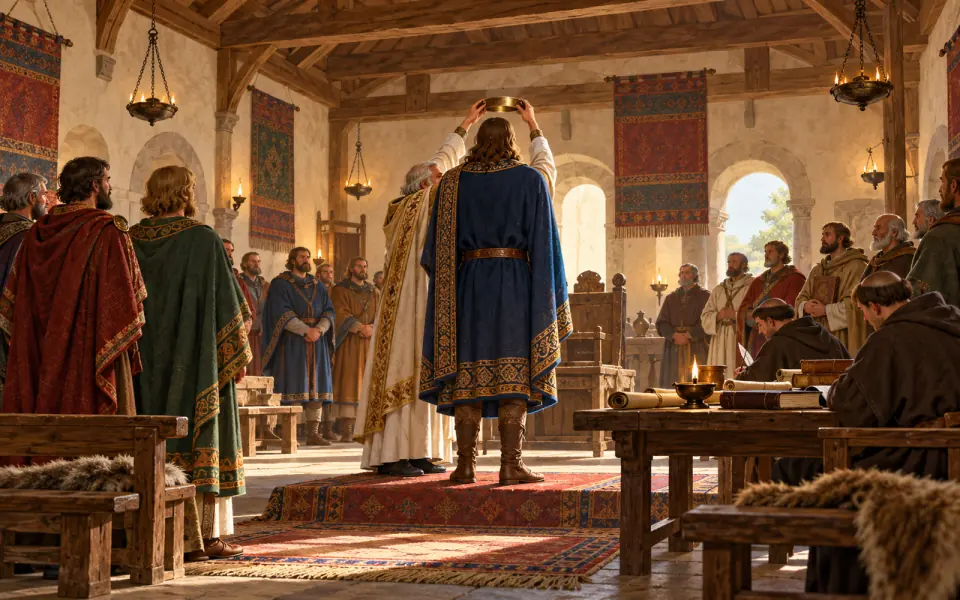
  12. peopleCharlemagne, King of the FranksAD 768
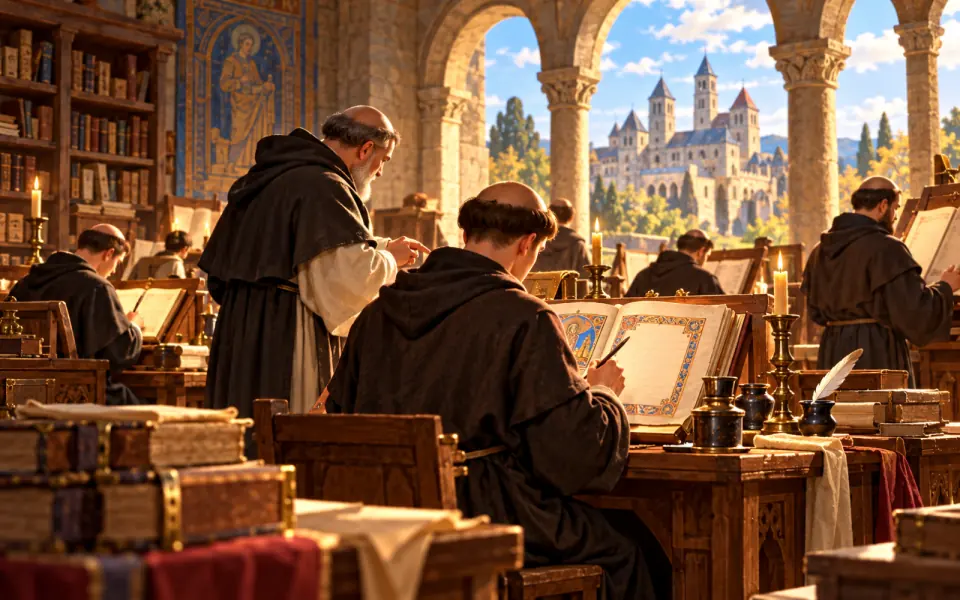
  13. artThe Carolingian Renaissanceabout AD 790
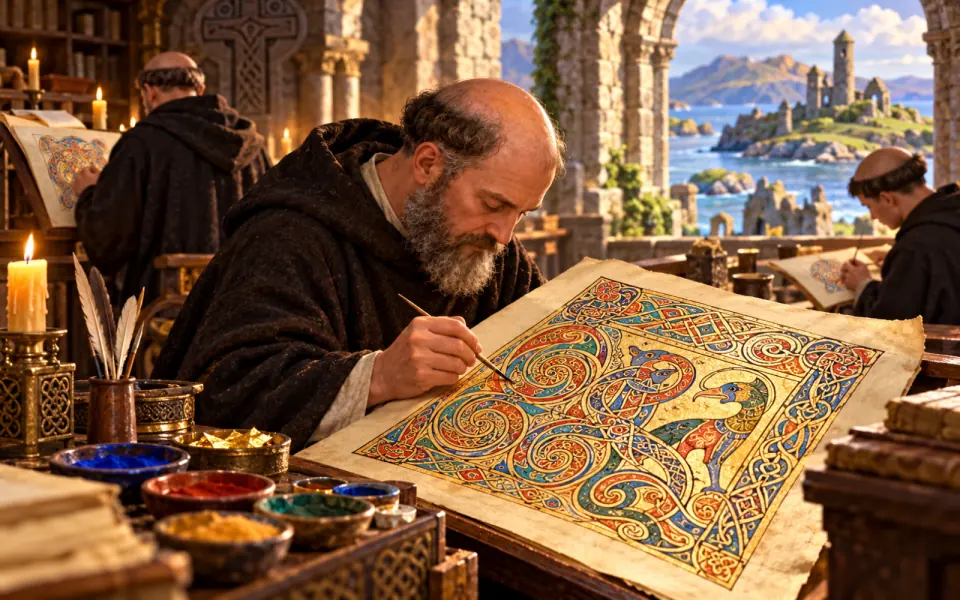
  14. artThe Book of Kellsabout AD 800
  15. politicsCharlemagne crowned emperorAD 800
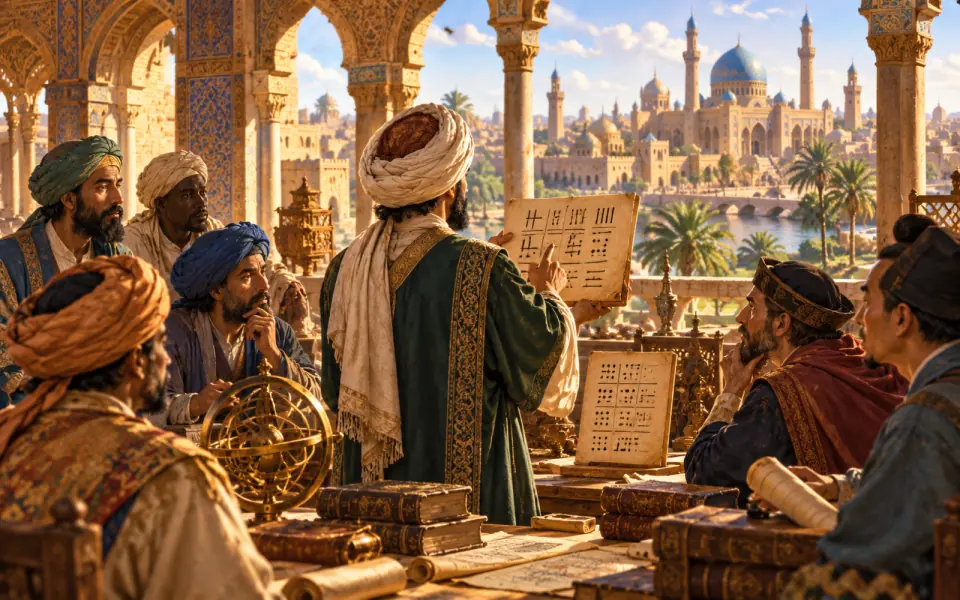
  16. science and technologyHindu-Arabic numerals head westabout AD 825
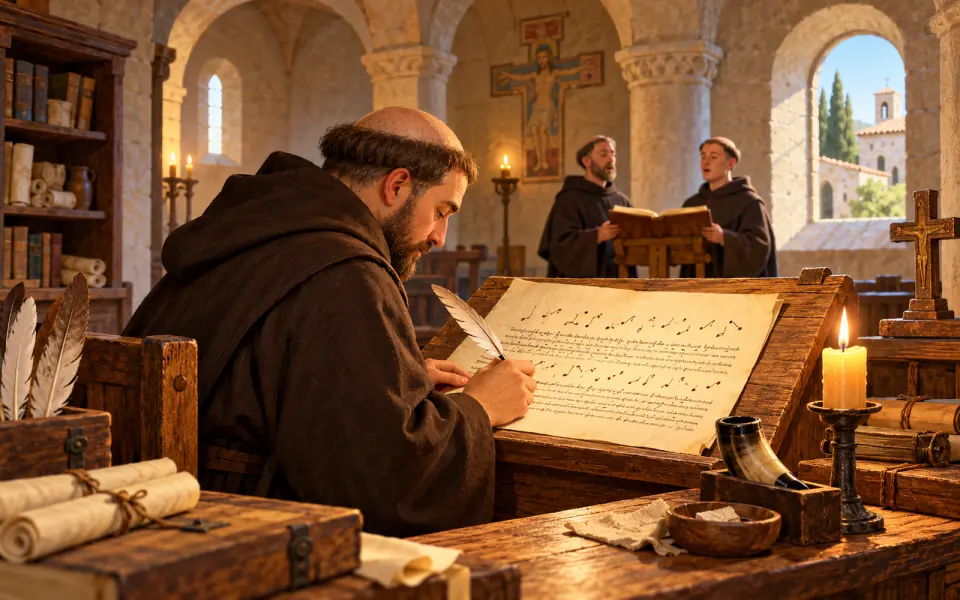
  17. artWriting music down with neumesabout AD 850
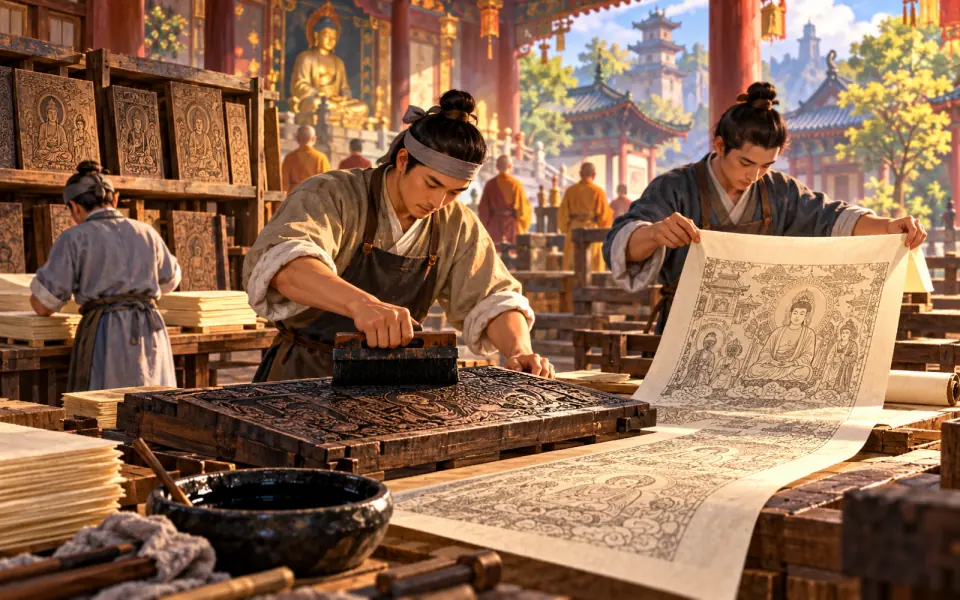
  18. science and technologyThe Diamond Sutra, oldest dated printed bookAD 868
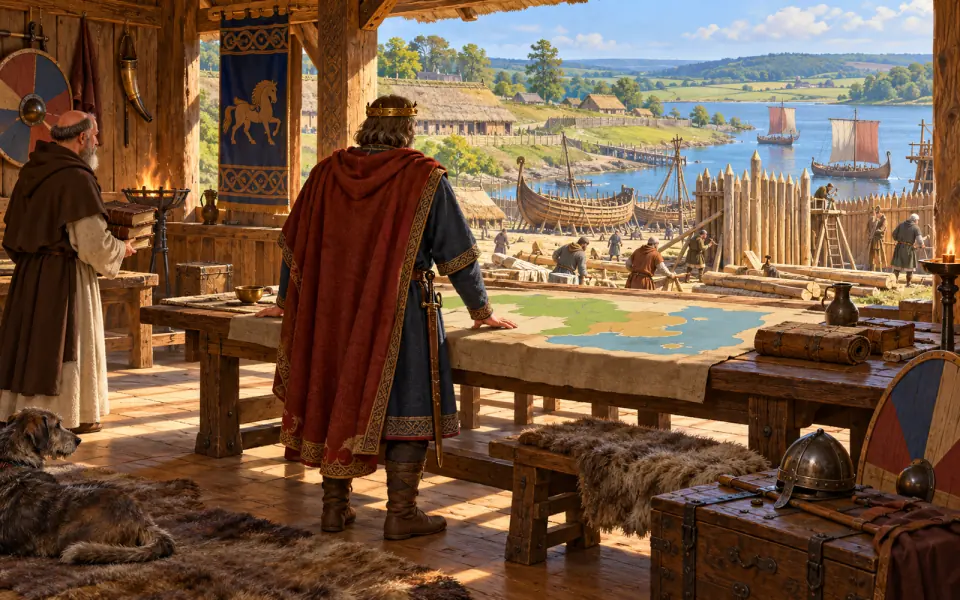
  19. peopleAlfred the GreatAD 871
  20. peopleThe Vikings reach Icelandabout AD 874
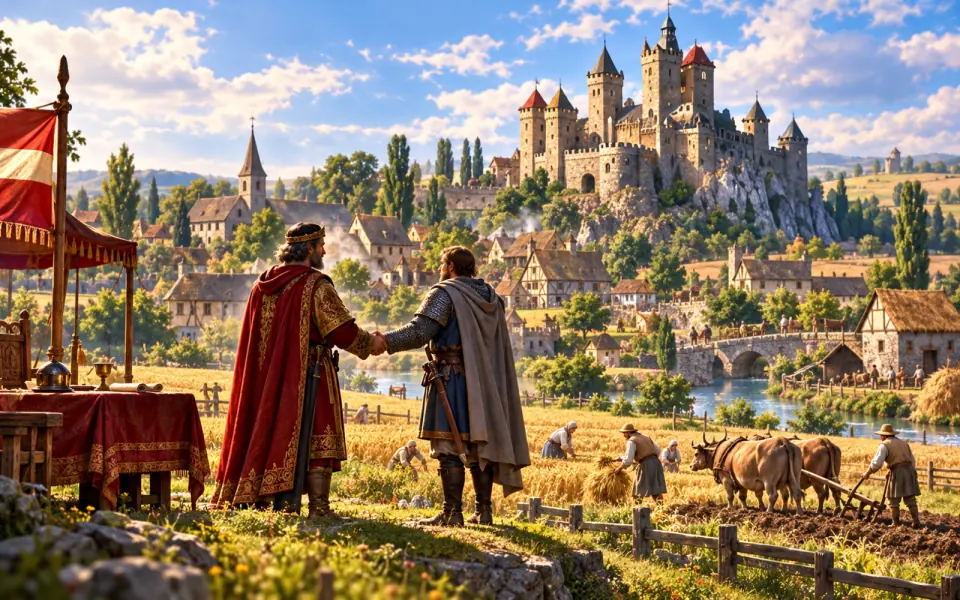
  21. daily lifeThe feudal system spreadsabout AD 900
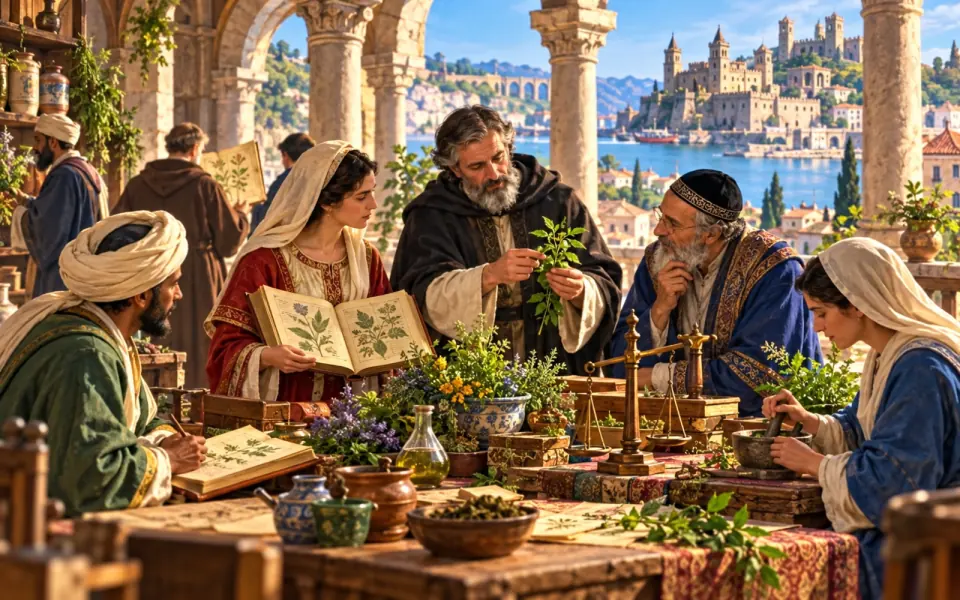
  22. science and technologyThe Medical School of Salernoabout AD 950
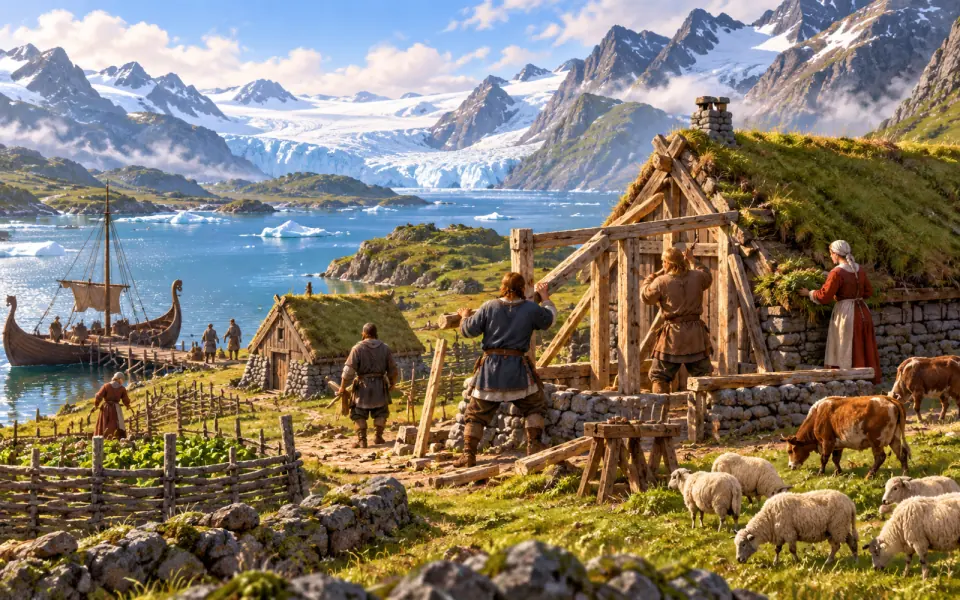
  23. peopleThe Vikings in Greenlandabout AD 985
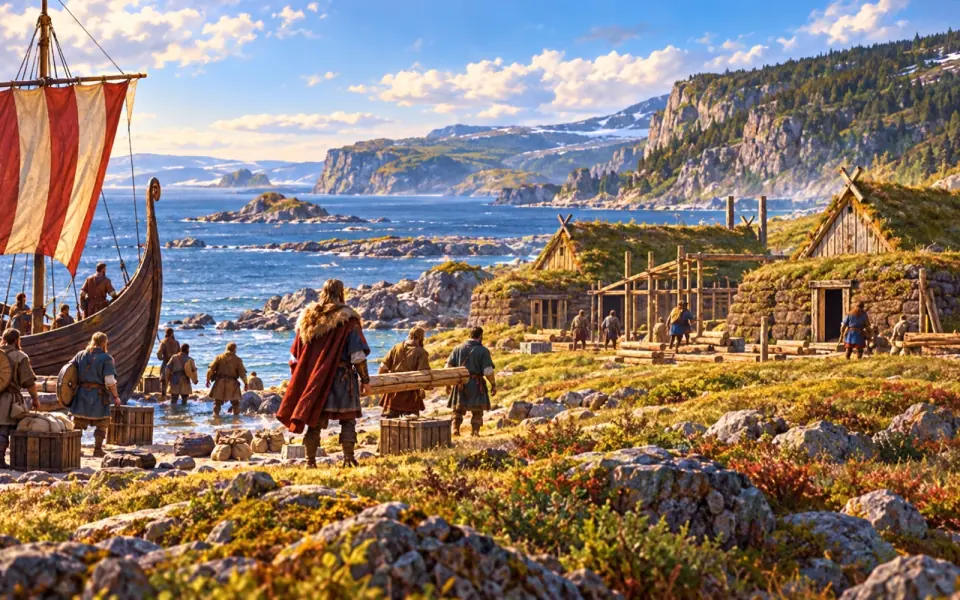
  24. peopleLeif Erikson in North Americaabout 1000
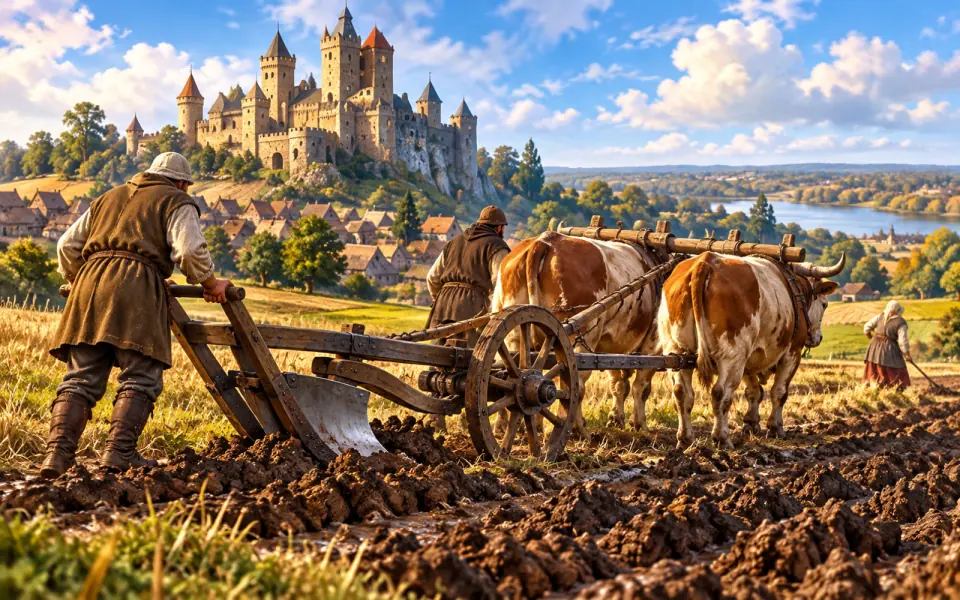
  25. science and technologyThe heavy plough spreadsabout 1000
The Romano-Germanic kingdoms: Western Europe (Ravenna, Theodoric's capital)Emperor Justinian: Constantinople (now Istanbul, Turkey)Justinian's Code: Constantinople (now Istanbul, Turkey)Benedictine monks: Monte Cassino, LazioHagia Sophia in Constantinople: Constantinople (now Istanbul, Turkey)The mosaics of San Vitale in Ravenna: Ravenna, Emilia-RomagnaThe Lombards in Italy: Pavia, capital of the Lombard kingdomMuhammad's Hijra: From Mecca to Medina, Arabia (now Saudi Arabia)Isidore writes the Etymologies: Seville, SpainThe spread of Islam: From Arabia to Central Asia and SpainPaper reaches Samarkand: Samarkand (now Uzbekistan)Charlemagne, King of the Franks: Kingdom of the Franks; capital Aachen (now Germany)The Carolingian Renaissance: Charlemagne's court, AachenThe Book of Kells: Iona (Scotland) and Kells (Ireland); now in DublinCharlemagne crowned emperor: St Peter's Basilica, RomeHindu-Arabic numerals head west: Baghdad (now Iraq)Writing music down with neumes: Monasteries of western Europe (for example St Gallen, Switzerland)The Diamond Sutra, oldest dated printed book: Dunhuang, China; now in the British Library, LondonAlfred the Great: Wessex, southern England (Winchester)The Vikings reach Iceland: Reykjavík, IcelandThe feudal system spreads: The Frankish kingdoms and western EuropeThe Medical School of Salerno: Salerno, CampaniaThe Vikings in Greenland: Brattahlíð, southern GreenlandLeif Erikson in North America: L'Anse aux Meadows, Newfoundland (Canada)The heavy plough spreads: Plains of northern Europe
Map of the events: Early Middle Ages

Did you know?

  • The Diamond Sutra, printed in China in AD 868, is the oldest printed book that gives an exact date.
  • Erik the Red called his new land Greenland to attract settlers, even though it is almost entirely covered in ice.
  • The small letters you are reading come from Carolingian minuscule, the clear handwriting created in the time of Charlemagne.

Test yourself

Ten questions on the era: multiple choice, before or after, put in order, match.

Quiz: Early Middle Ages

Photo of Ciro Simone Irmici

Who's behind this

Ciro Simone Irmici

I'm Ciro Simone Irmici and I build free websites for learning and playing. I built Storiascopio with artificial intelligence and I check every card and every source myself. I'm not a historian: if you find a mistake or would like one more event for your class, write to me.

More of my work: free audiobooks on YouTube · ebooks on Gumroad · Apple Books · music on Spotify and YouTube Music