The reign of Akhenaten
about 1353–1336 BC Amarna, Egypt
In short
The pharaoh Amenhotep IV decided that people should worship above all one god, Aten, the disc of the sun, and changed his own name to Akhenaten. He had a new capital built in the desert, now called Amarna. Art changed too: the king and Queen Nefertiti were shown in family scenes, playing with their daughters. After his death the Egyptians went back to the old gods and tried to wipe out his memory.
Why it matters It was such a big religious change that historians still argue about what it meant.
Source: Encyclopaedia Britannica, “Akhenaton”
Study card about 6 minutes of reading
The story
A pharaoh who changes his name and his capital
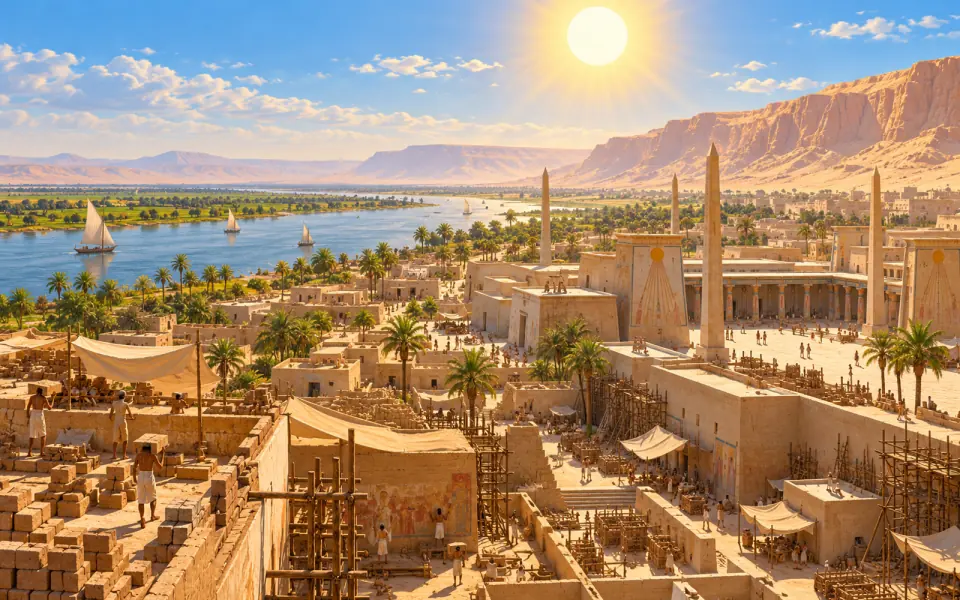
Around 1353 BC a young king named Amenhotep IV came to the throne of Egypt, son of Amenhotep III, the richest and most powerful pharaoh of his time. For four years he seemed a king like the others. Then, in the fifth year of his reign, he took a decision that astonished the whole country: he changed his name to Akhenaten, usually translated “he who is useful to Aten”, and decided to build a new city, in an empty place in the desert, halfway between Memphis and Thebes, where nobody had lived before. He called it Akhetaten, “the horizon of Aten”. Today we call it Amarna.
Aten was the disc of the Sun, a very ancient form of the sun god, but until then he had been one god among many. Akhenaten wanted to put him first, and then, it seems, alone. He had great roofless temples built, into which the Sun shone directly, and had Aten shown as a disc from which many rays come down ending in little hands, which hold out the sign of life to the royal family. A famous hymn, the Great Hymn to the Aten, thanks him for light, for animals, for the river, for every creature.
What about all the other gods?
Before Akhenaten the Egyptians honoured many gods, and the most powerful was Amun, the god of Thebes, who had very rich and influential priests. Akhenaten closed the temples of Amun, had his name erased from monuments and reduced the worship of the other gods. Historians ask why. Some think he really wanted to change religion, others that he wanted to weaken the priests' power. Still others believe that his reform, however radical, involved above all the court and not the people.
Even the description “monotheist” is debated. Aten was the only god worshipped by the king, but the pharaoh himself was presented as his only son and intermediary: ordinary people were asked to pray to the king, who prayed to Aten. For this reason many scholars use more cautious words. In the twentieth century the question was taken up by various authors, among them Sigmund Freud, who suggested a link with Moses. It is a fascinating idea, but so far without evidence.
A city in a few years, a new art
Amarna was built in a hurry, with bricks and small blocks. It had a palace, great temples, houses of nobles, workshops and, at the edges, tombs cut into the rock. It lasted less than twenty years. Archaeologists digging it have found a district of houses where craftsmen and officials lived. In a workshop, in 1912, a German team led by Ludwig Borchardt discovered the painted limestone bust of Nefertiti, the queen, now in Berlin: one of the most famous faces of all antiquity.
Art changed too. Until then Egyptian kings had themselves shown young, strong and perfect. In the images of Amarna Akhenaten has a long face, an elongated chin, full lips, a soft belly and wide hips. The style has been explained in many ways: an illness of the king (there have been many theories, but none is proven), an artistic choice to show the god Aten as father and mother together, or a way of expressing the newness of the reign. For the first time scenes of family life appear: the king and queen seated with their daughters, the little girls in their parents' arms, playing with their father.
The Amarna letters
In 1887 a peasant woman discovered in the ruins of Amarna a heap of clay tablets. There were 382 letters, written in cuneiform and in Akkadian, the language of diplomacy of the time. They are letters exchanged between the pharaoh and the kings of Babylon, Mitanni and the Hittites, and with governors of cities in Syria and Canaan. The kings call one another “brothers” and complain that the gold has not been sent in sufficient quantity, ask for brides for their sons, describe wars and rivalries. They are a treasure of information on how international politics worked 3,400 years ago.
The end of an experiment
Akhenaten died around 1336 BC, after about seventeen years of reign. Where his body is, nobody knows: the tomb prepared for him at Amarna has not yielded the mummy, and the one found in tomb KV55, in the Valley of the Kings, has been attributed to him (the 2010 DNA analyses point to it as the father of Tutankhamun), but many scholars dispute the identification and some assign it to Smenkhkare. After him a mysterious pharaoh reigned briefly, and then a child, Tutankhaten, who a few years later changed his name to Tutankhamun. He was probably the son of Akhenaten. The young king reopened the temples of Amun and brought the capital back to Memphis and Thebes; Amarna was abandoned and its bricks reused elsewhere.
Later the pharaohs tried to erase even the memory of that age. Akhenaten does not appear in the official lists of kings, and is called “the enemy of Akhetaten”. For this reason he was almost forgotten until the 19th century, when excavations brought him back to light.
Why it happened
Akhenaten's reform probably had a political cause: the growing power of the priests of Amun, who with the pharaohs' donations had accumulated land, wealth and influence, almost like a second state. Moving the cult to the Sun and founding a new capital allowed the king to be rid of them.
There was also a religious cause: the worship of the Sun was already growing under Amenhotep III, who called himself “the dazzling Sun”. Akhenaten took to its extreme consequences an idea already present.
Finally the king's personality counted. The sources tell us little about him, but we know that he personally looked after the theology, the texts and the new art. It seems he was truly convinced that he was Aten's representative on earth.
What changed
In the short term, the reform did not survive: after the king's death the traditional temples were reopened and the worship of Aten disappeared. The Amarna period left Egypt in disorder, with neglected administration and losses of territory in Syria, about which some letters complain. It was Horemheb, a general who became king, who restored order.
In the long term, the Amarna age left us extraordinary works of art, like the bust of Nefertiti, and a unique diplomatic archive, the letters. It also raised a question that historians still ask: can a king alone change the religion of a people? Egypt's answer was no.
Today Akhenaten is one of the most studied pharaohs. Some see in him the first to think of a single god, others a ruler who sought to strengthen his own power. The bust of Nefertiti, in Berlin, is disputed between Germany and Egypt, which asks for its return: an example of how ancient history is also a subject of today.
Key people and places
People
- Akhenaten (Amenhotep IV)
- Pharaoh of the 18th dynasty (about 1353–1336 BC). He imposed the worship of the sun disc Aten and founded the city of Amarna.
- Nefertiti
- Wife of Akhenaten, mother of six daughters. Her bust, found in 1912, is one of the most celebrated faces of ancient art.
- Tutankhamun
- Boy king who restored the old cults; probably the son of Akhenaten, he is famous for his tomb found intact in 1922.
- Ludwig Borchardt
- German archaeologist (1863–1938) who in 1912 dug at Amarna and found the bust of Nefertiti in a sculptor's workshop.
Places
- Amarna, or Akhetaten (Egypt)
- A city built by Akhenaten in the desert, on the east bank of the Nile, inhabited for less than twenty years.
- Thebes, now Luxor (Egypt)
- The ancient capital and centre of the worship of Amun, the god Akhenaten wanted to set aside.
- Neues Museum (Berlin)
- The museum where the bust of Nefertiti is kept.
Good to know
- Aten is shown as a sun disc from which rays come down ending in little hands.
- At Amarna the temples of Aten had no roof: the Sun came in directly.
- In the Amarna letters kings write to one another as “brothers” and complain about gold that never arrives.
- The mummy of Akhenaten has not been identified with certainty: the tomb prepared for him at Amarna was found empty.
- In the family scenes of Amarna, for the first time, a pharaoh is portrayed playing with his daughters.
Find out more
- Wikipedia, “Akhenaten” en.wikipedia.org
- World History Encyclopedia, “Akhenaten” worldhistory.org
- Wikipedia, “Amarna” en.wikipedia.org
- Wikipedia, “Amarna letters” en.wikipedia.org
- World History Encyclopedia, “Nefertiti” worldhistory.org
Related events
- Hatshepsut, the woman pharaohabout 1479–1458 BC · River civilisationsHatshepsut reigned in the same dynasty a century earlier.
- The reign of Ramesses IIabout 1279–1213 BC · River civilisationsRamesses II, in the next dynasty, brought Egypt back to the old gods.
- The Code of Hammurabiabout 1754 BC · River civilisationsThe Amarna letters are written in Akkadian, the same language as the Code of Hammurabi, used by scribes all over the Near East.
- The Bronze Age collapseabout 1200 BC · River civilisationsThe system of “brother” kings in the Amarna letters collapsed with the Bronze Age crisis.
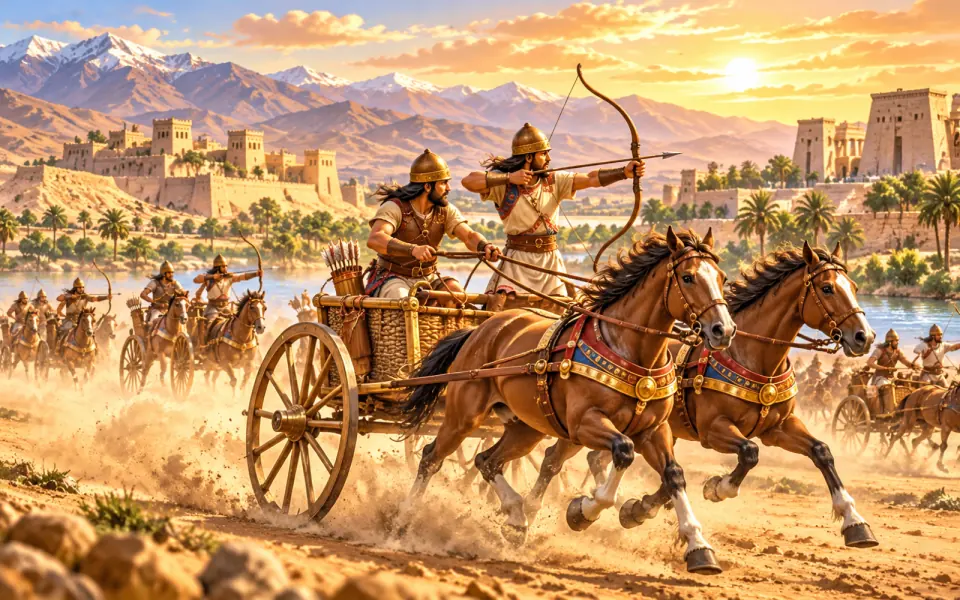
- War chariotsabout 1700 BC · River civilisationsThe letters speak of war chariots and horses as gifts between kings.
Before and after, in the era “River civilisations”
Event 22 of 25
 BeforeThe first Sumerian citiesabout 4000 BC
 BeforeCuneiform writingabout 3200 BC
 BeforeEgyptian hieroglyphsabout 3200 BC
 BeforeThe unification of Egyptabout 3100 BC
 BeforeUruk, the great cityabout 3000 BC
 BeforeThe Egyptian calendarabout 2800 BC
 BeforeThe Step Pyramid of Djoserabout 2650 BC
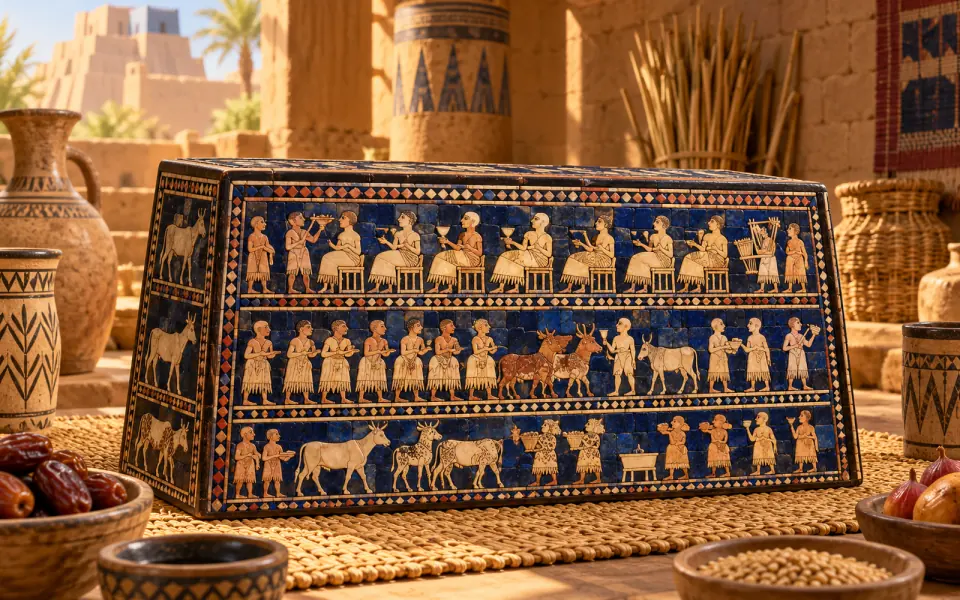 BeforeThe Standard of Urabout 2600 BC
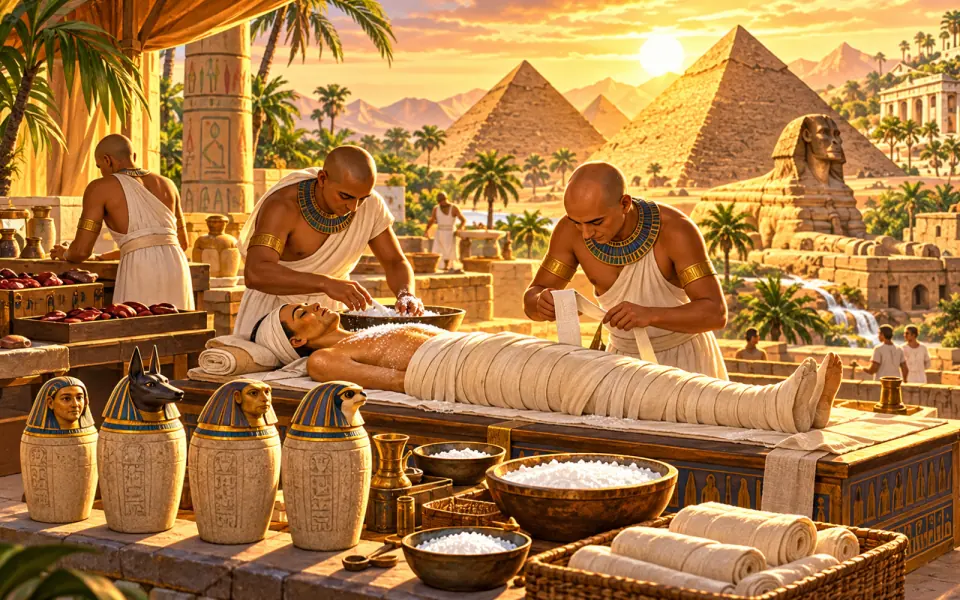 BeforeEgyptian mummificationabout 2600 BC
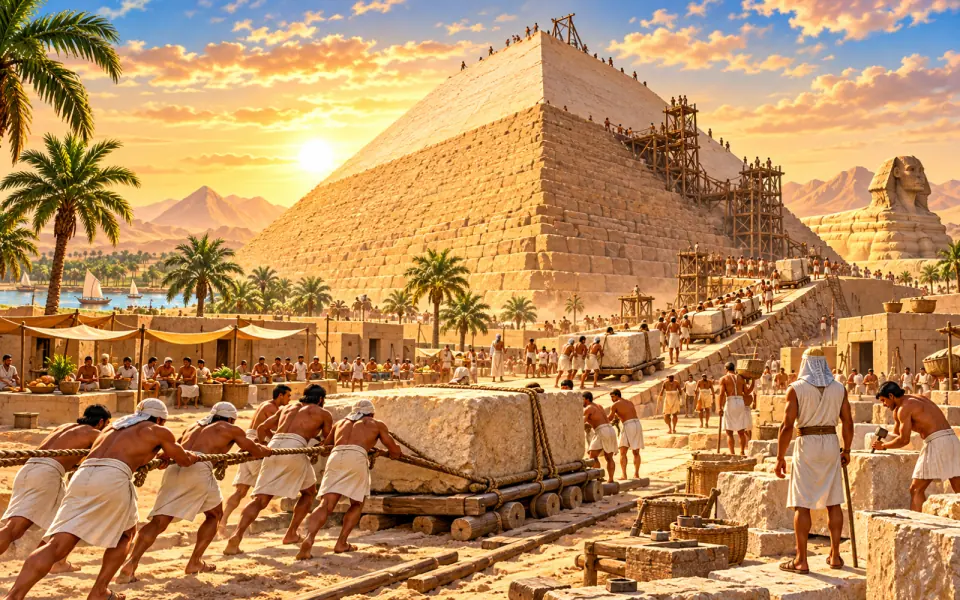 BeforeThe Great Pyramid of Gizaabout 2560 BC
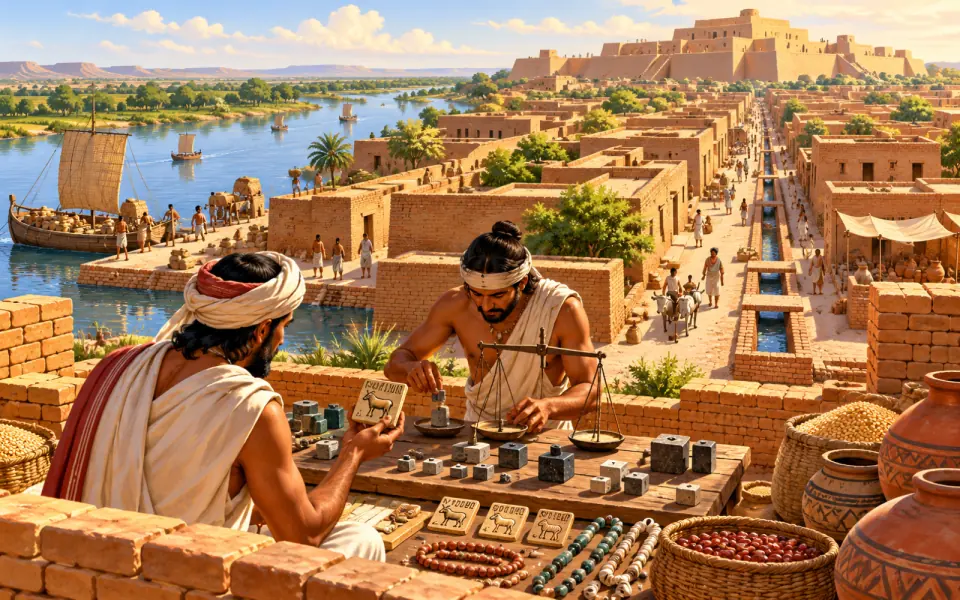 BeforeThe cities of the Indus Valleyabout 2500 BC
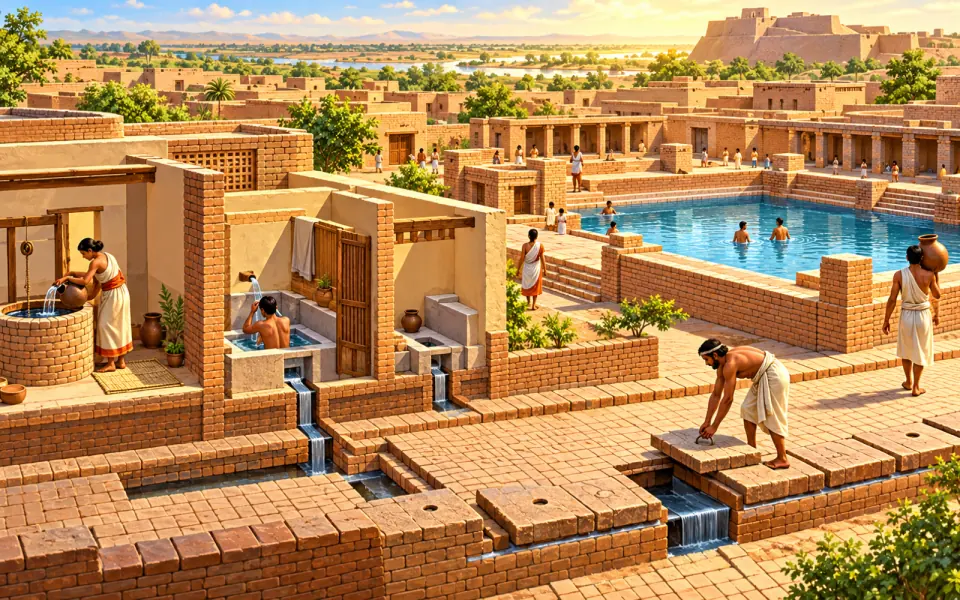 BeforeThe drains and baths of Mohenjo-daroabout 2450 BC
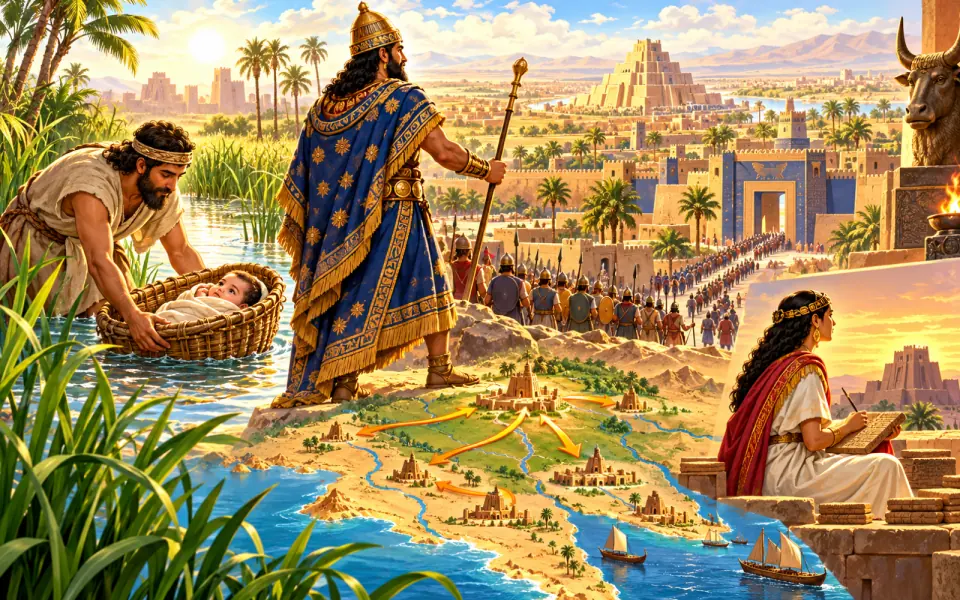 BeforeSargon and the Akkadian Empireabout 2334 BC
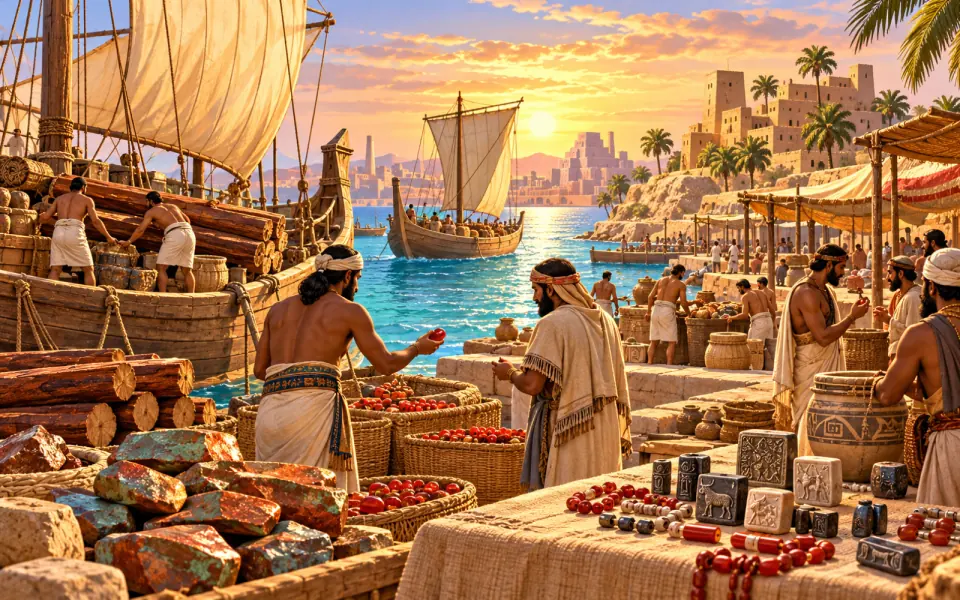 BeforeTrade between the Indus and Mesopotamiaabout 2300 BC
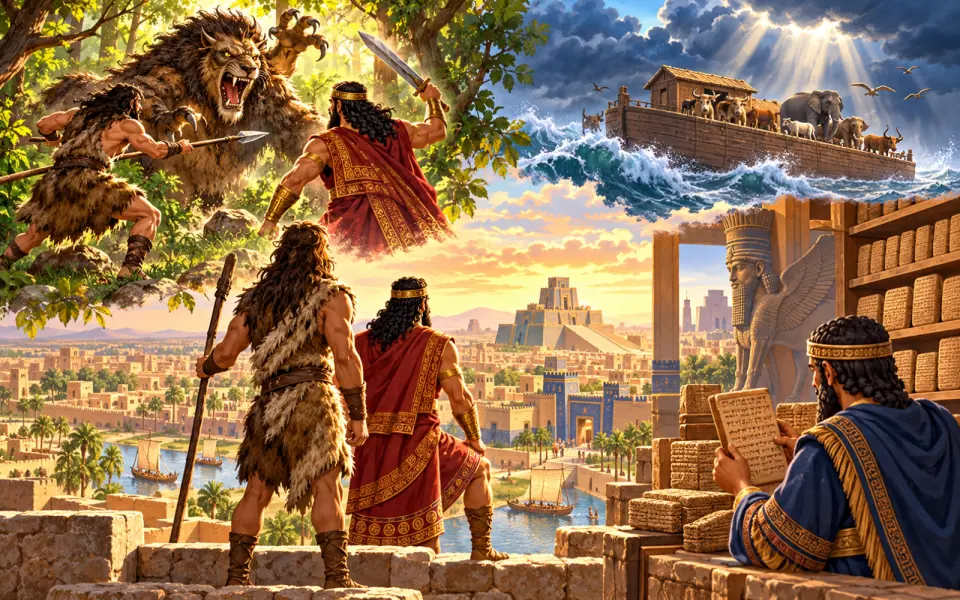 BeforeThe Epic of Gilgameshabout 2100 BC
 BeforeThe Ziggurat of Urabout 2100 BC
 BeforeBabylonian mathematicsabout 1800 BC
 BeforeThe Code of Hammurabiabout 1754 BC
 BeforeWar chariotsabout 1700 BC
 BeforeThe Shang dynastyabout 1600–1046 BC
 BeforeHatshepsut, the woman pharaohabout 1479–1458 BC
- You are hereThe reign of Akhenatenabout 1353–1336 BC
 AfterThe reign of Ramesses IIabout 1279–1213 BC
 AfterWriting on oracle bonesabout 1250 BC
 AfterThe Bronze Age collapseabout 1200 BC
Listen / Read next
- Music to read by: Cinematic JourneyEpic film-style music, no lyrics, by Ciro Simone IrmiciSpotifyYouTube Music
Meanwhile, elsewhere in the world
Other events of the era “River civilisations”
- The first Sumerian cities
- Cuneiform writing
- Egyptian hieroglyphs
- The unification of Egypt
- Uruk, the great city
- The Egyptian calendar
- The Step Pyramid of Djoser
- The Standard of Ur
- Egyptian mummification
- The Great Pyramid of Giza
- The cities of the Indus Valley
- The drains and baths of Mohenjo-daro
- Sargon and the Akkadian Empire
- Trade between the Indus and Mesopotamia
- The Epic of Gilgamesh
- The Ziggurat of Ur
- Babylonian mathematics
- The Code of Hammurabi
- War chariots
- The Shang dynasty
- Hatshepsut, the woman pharaoh
- The reign of Ramesses II
- Writing on oracle bones
- The Bronze Age collapse
