Sargon and the Akkadian Empire
about 2334 BC Akkad, central Mesopotamia (now Iraq)
In short
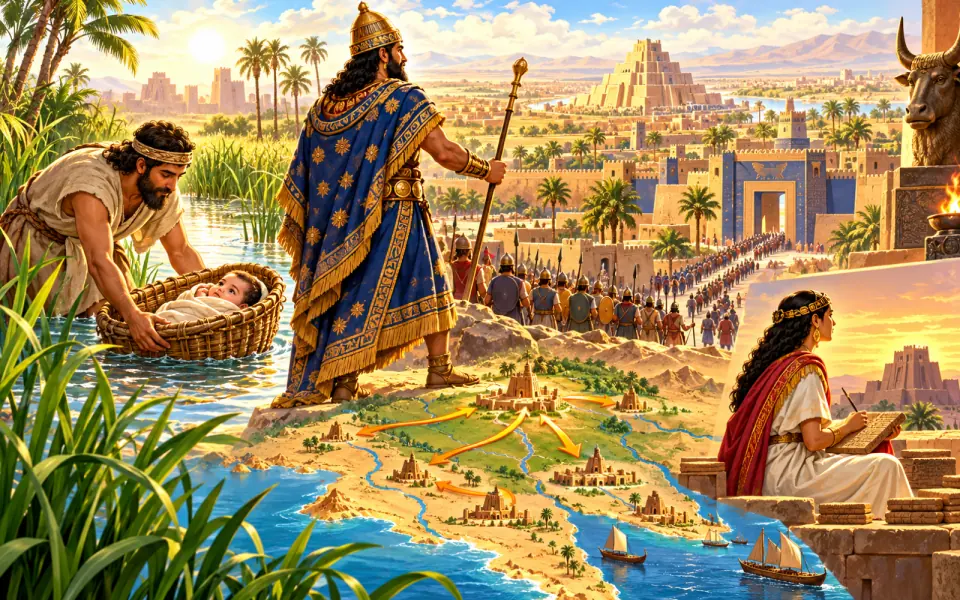
According to legend, Sargon of Akkad was put in a basket on the river as a baby and rescued by a gardener. Once he became king, he conquered the Sumerian cities one after another and created the first empire in history, stretching from the Persian Gulf to Syria. He founded a new capital, Akkad, whose exact location we still do not know. His daughter Enheduanna, a priestess at Ur, is the first author whose name we know.
Why it matters For the first time different peoples and cities were ruled by a single king.
Source: Encyclopaedia Britannica, “Sargon”
Study card about 6 minutes of reading
The story
The baby in the basket
A story, written on Assyrian tablets of the 7th century BC but probably older, begins like this: “I am Sargon, the mighty king, the king of Akkad. My mother was a priestess, my father I did not know.” The mother, the text tells, secretly put the newborn into a basket of reeds, sealed it with bitumen and entrusted it to the river. The water carried it to a man who was drawing water for the gardens, Akki, who took the child in and raised him as his son. Then the goddess Ishtar fell in love with the boy and gave him the kingdom.
If you feel you have heard this story before, you are right: it is very like that of Moses in the Book of Exodus. Scholars do not know whether it is a very ancient tale or a legend built centuries later to make Sargon a man of destiny. What we know with more certainty is that a man, not of royal origin, around 2334 BC took power in Mesopotamia and invented a new way of governing.
From cupbearer to king
His name, Sharru-kin, probably means “the king is legitimate” or “true king”: a name for a usurper, chosen by someone who has no right to the throne and wants people to believe he has. According to tradition he was cupbearer to Ur-Zababa, king of the city of Kish. Then he rebelled, founded a new city, Akkad (in Akkadian Agade), and made himself king. He spoke and wrote in Akkadian, a Semitic language different from Sumerian, and this explains the name of the empire.
The next step was to conquer the south, where the ancient Sumerian cities lay. Sargon defeated Lugalzaggesi, king of Uruk, who had for a time united many cities under himself. According to his inscriptions he led him in chains to the gate of the temple at Nippur. Then he tore down the walls of the conquered cities and put men he trusted in charge of them, in place of the local kings. These were no longer alliances or confederations of cities, but a single central power.
From the “lower sea” to the “upper sea”
The inscriptions say that Sargon conquered everything, from the “lower sea” (the Persian Gulf) to the “upper sea” (the Mediterranean). In his years of rule, which tradition says were fifty-six, his armies reached Syria, the Taurus mountains and Elam, in Iran. One text tells that at his quay at Akkad ships from Meluhha (the Indus valley), Magan (Oman) and Dilmun (Bahrain) docked: it is a sign that the empire controlled the trade routes. Not all the conquests are well documented, and some accounts were exaggerated in later times.
To govern so vast a territory new rules were needed. Sargon appointed governors and officials, often chosen from among his relatives, introduced common weights and measures and made Akkadian the language of administration, beside Sumerian. He kept a standing army: the inscriptions say that every day five thousand four hundred soldiers ate at his table. After him his sons Rimush and Manishtushu reigned, and then his grandson Naram-Sin, who had himself called “king of the four quarters of the world” and was portrayed as a god.
The first woman author in history
Sargon sent his daughter Enheduanna to Ur as high priestess of the Moon god Nanna. It was a political choice: a king's daughter in the most important temple of the south tied the new dynasty to the old Sumerian traditions. Enheduanna did more. She wrote hymns, in Sumerian, to the temples and to the goddess Inanna, among them the “Exaltation of Inanna”, in which she speaks in the first person: “I, Enheduanna...”. She is the first author whose name we know, and her works were copied in schools for over five hundred years. Her portrait is on a limestone disc found at Ur by the archaeologist Leonard Woolley in 1927 and now kept in the Penn Museum in Philadelphia.
The end of the empire
The empire of Akkad lasted almost two centuries. Under the last kings revolts and invasions began, by the Gutians, a people from the Zagros mountains. Many scholars think that a period of drought and poor harvests around 2200 BC contributed, but this explanation is debated. A Sumerian poem, “The Curse of Akkad”, tells of the fall of the city as punishment from the gods for an offence by Naram-Sin. Akkad was abandoned, and today we do not even know where it stood: it is one of the most famous capitals of the ancient world and has still not been found, perhaps hidden under the fields of central Iraq.
A doubt to remember
To say “the first empire in history” is convenient, but it is not entirely exact. Before Sargon there had been powerful kings, such as Lugalzaggesi, and Egypt had been a united kingdom for centuries. Akkad's is considered the first empire because it united peoples with different languages, Sumerians and Akkadians, under a single ruler, and was not limited to one valley.
Why it happened
A first cause was the rivalry between the Sumerian cities. For centuries Ur, Uruk, Lagash, Kish and the others fought wars over borders and canals. This wearing-down made them weak, and a skilful conqueror like Sargon could beat them one at a time.
A second cause was the meeting of two peoples. In the north of Mesopotamia, around Akkad, lived Semitic-speaking people, who had absorbed the culture of the Sumerians but had remained politically separate from them. Sargon, who came from this setting, could count on soldiers and allies who were not part of the old Sumerian rivalries.
Finally, military organisation counted. Sargon created an army of professionals, with archers and spearmen, paid and fed by the state. Sumerian cities had citizen-soldiers; Sargon's army, more mobile, was armed to conquer. But problems were not lacking: governing different peoples with still simple tools was difficult, and caused frequent revolts.
What changed
The empire of Akkad changed the way power was understood. For the first time a king presented himself as lord of many peoples, “king of the four quarters of the world”, and this ideal of universal rule was taken up by Assyrians, Babylonians, Persians and, centuries later, even the Romans.
Akkadian became the language of trade, diplomacy and culture for about two thousand years, until it was replaced by Aramaic. Letters between the Egyptian pharaohs and the kings of Babylon, in the 14th century BC, are still written in Akkadian (see the card on Akhenaten). Akkadian is related to Hebrew and Arabic: the word for “peace” has the same root in all three (shalom, salam).
Art changed too: Akkadian artists carved more realistic reliefs and statues, with figures in movement, like the Victory Stele of Naram-Sin (now in the Louvre). And for the history of literature, it gave us Enheduanna, who shows that a woman could write and have a public role already 4,300 years ago.
Key people and places
People
- Sargon of Akkad
- Founder of the Akkadian Empire (reigned about 2334 to 2279 BC). His name probably means “the king is legitimate”.
- Enheduanna
- Daughter of Sargon, high priestess of the Moon god at Ur, author of hymns in Sumerian. She is the first author whose name we know.
- Naram-Sin
- Grandson of Sargon, fourth king of Akkad, who had himself called “king of the four quarters of the world” and was worshipped as a god.
- Lugalzaggesi
- King of Uruk defeated by Sargon; he had briefly united many Sumerian cities.
Places
- Akkad or Agade (central Iraq)
- Capital of the empire, founded by Sargon. It has never been found: scholars look for it along the Tigris or the Euphrates.
- Ur (southern Iraq)
- A Sumerian city where Enheduanna was priestess of the Moon god Nanna.
- Nippur (Iraq)
- Holy city of the Sumerians, seat of the god Enlil. Sargon brought King Lugalzaggesi there in chains.
Good to know
- The story of the basket on the river, told of Sargon, is like that of Moses: scholars debate whether there is a link between the two.
- Of Akkad, the capital of the biggest empire of its time, we do not even know where it was: nobody has ever found it.
- The inscriptions say that Sargon fed 5,400 soldiers every day.
- Enheduanna's disc, of limestone, shows the priestess with other figures during a rite; on the back it bears her name and the title of daughter of the king.
- Akkadian was the language of diplomacy for about two thousand years: even the pharaohs used it to write to neighbouring kings.
Find out more
- World History Encyclopedia, “Sargon of Akkad” worldhistory.org
- Wikipedia, “Sargon of Akkad” en.wikipedia.org
- Wikipedia, “Enheduanna” en.wikipedia.org
- Wikipedia, “Akkadian Empire” en.wikipedia.org
- World History Encyclopedia, “Akkad and the Akkadian Empire” worldhistory.org
Related events
- The first Sumerian citiesabout 4000 BC · River civilisationsThe Sumerian cities conquered by Sargon were the first cities in the world.
- Trade between the Indus and Mesopotamiaabout 2300 BC · River civilisationsThe ships of Meluhha, Magan and Dilmun docked at the quay of Akkad.
- The Ziggurat of Urabout 2100 BC · River civilisationsUr-Nammu, after the fall of Akkad, refounded a Sumerian state and built the ziggurat.
- The Code of Hammurabiabout 1754 BC · River civilisationsHammurabi, centuries later, united Mesopotamia again under Babylon.
- Augustus, the first emperor27 BC · Ancient RomeAugustus was the first emperor of Rome: another great empire that united different peoples.
Before and after, in the era “River civilisations”
Event 13 of 25
 BeforeThe first Sumerian citiesabout 4000 BC
 BeforeCuneiform writingabout 3200 BC
 BeforeEgyptian hieroglyphsabout 3200 BC
 BeforeThe unification of Egyptabout 3100 BC
 BeforeUruk, the great cityabout 3000 BC
 BeforeThe Egyptian calendarabout 2800 BC
 BeforeThe Step Pyramid of Djoserabout 2650 BC
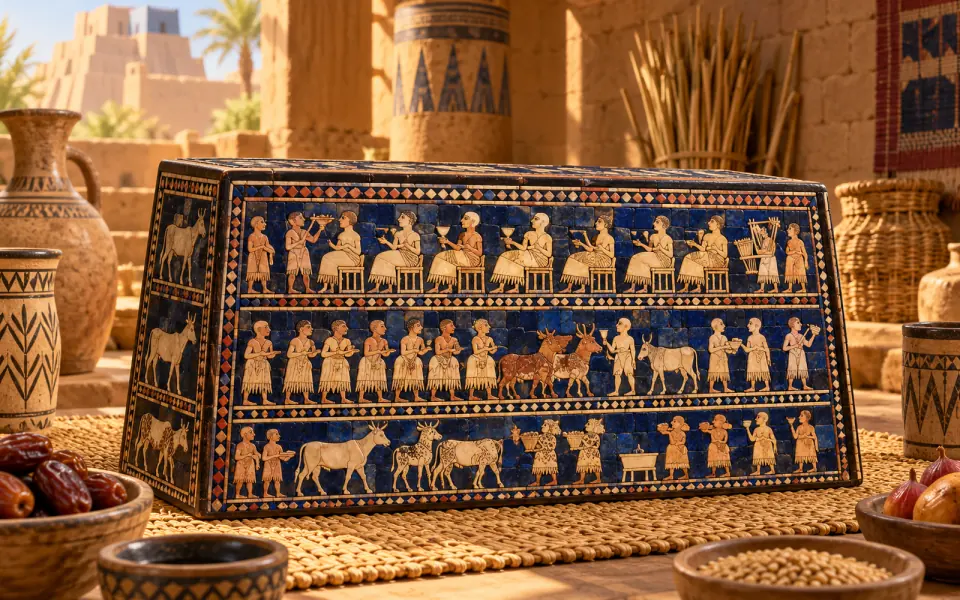 BeforeThe Standard of Urabout 2600 BC
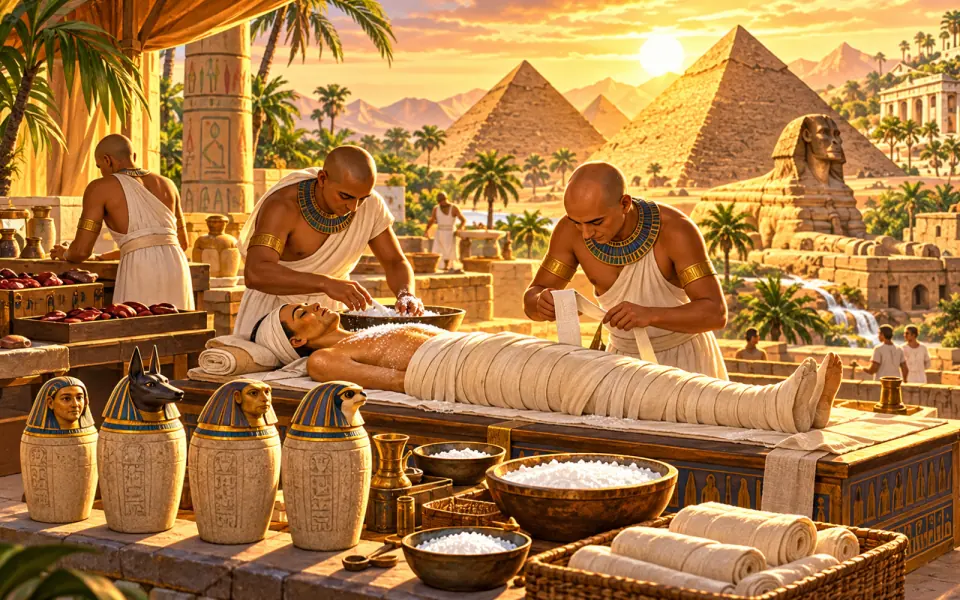 BeforeEgyptian mummificationabout 2600 BC
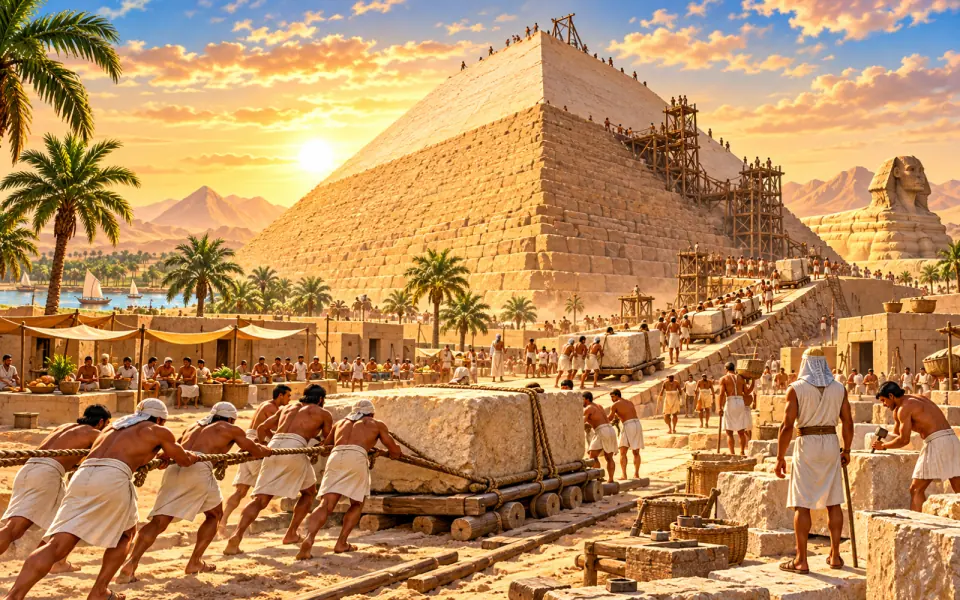 BeforeThe Great Pyramid of Gizaabout 2560 BC
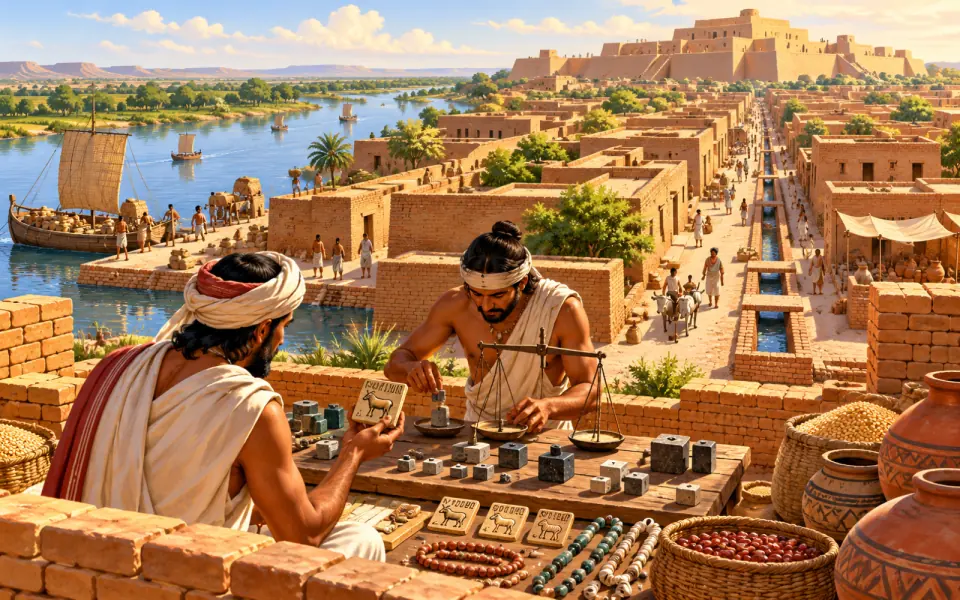 BeforeThe cities of the Indus Valleyabout 2500 BC
 BeforeThe drains and baths of Mohenjo-daroabout 2450 BC
- You are hereSargon and the Akkadian Empireabout 2334 BC
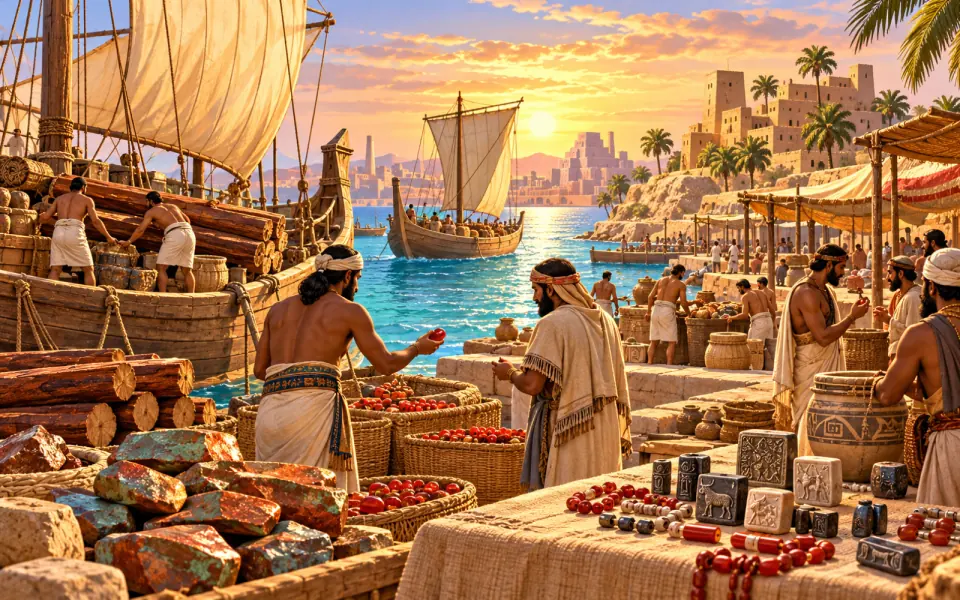 AfterTrade between the Indus and Mesopotamiaabout 2300 BC
 AfterThe Epic of Gilgameshabout 2100 BC
 AfterThe Ziggurat of Urabout 2100 BC
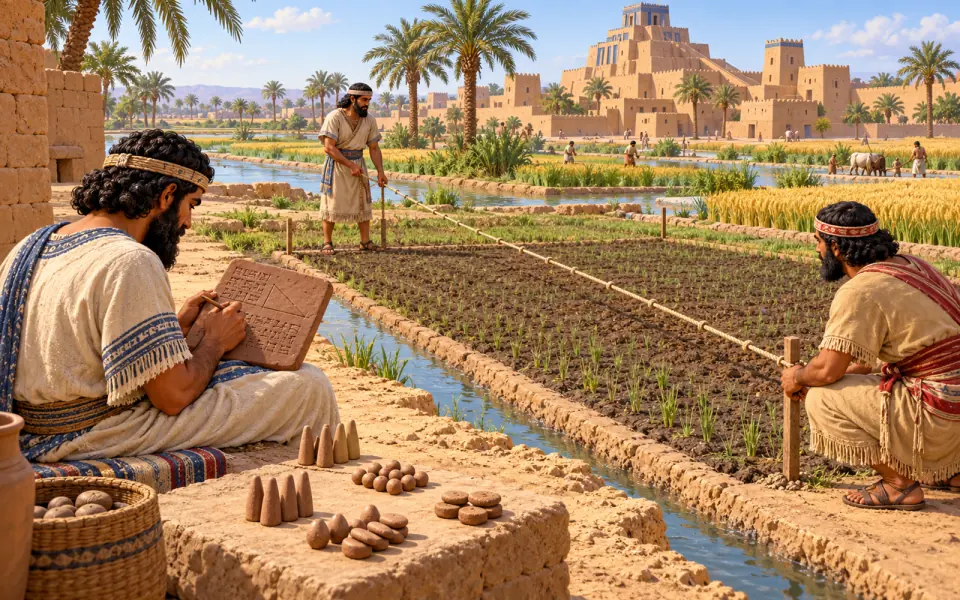 AfterBabylonian mathematicsabout 1800 BC
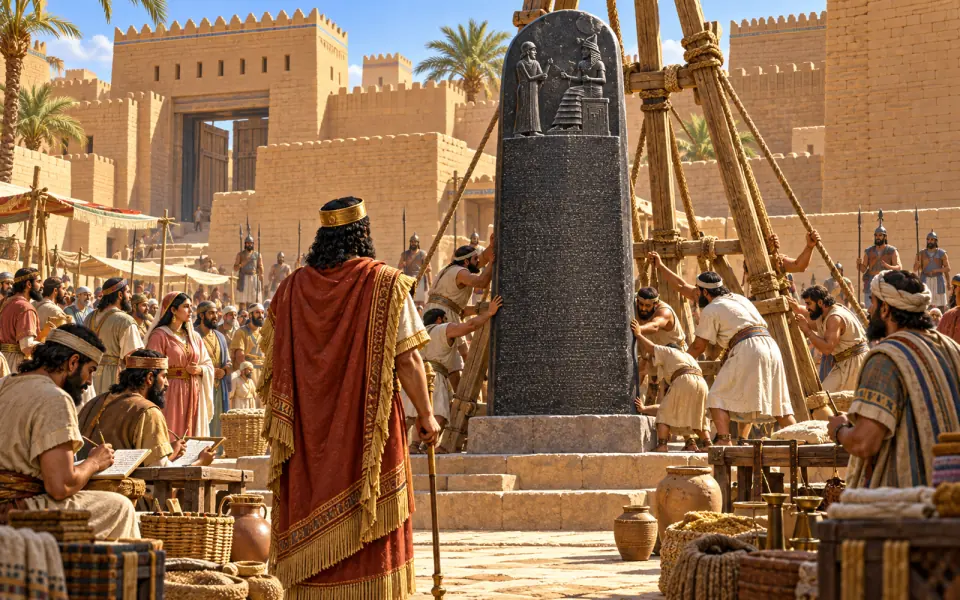 AfterThe Code of Hammurabiabout 1754 BC
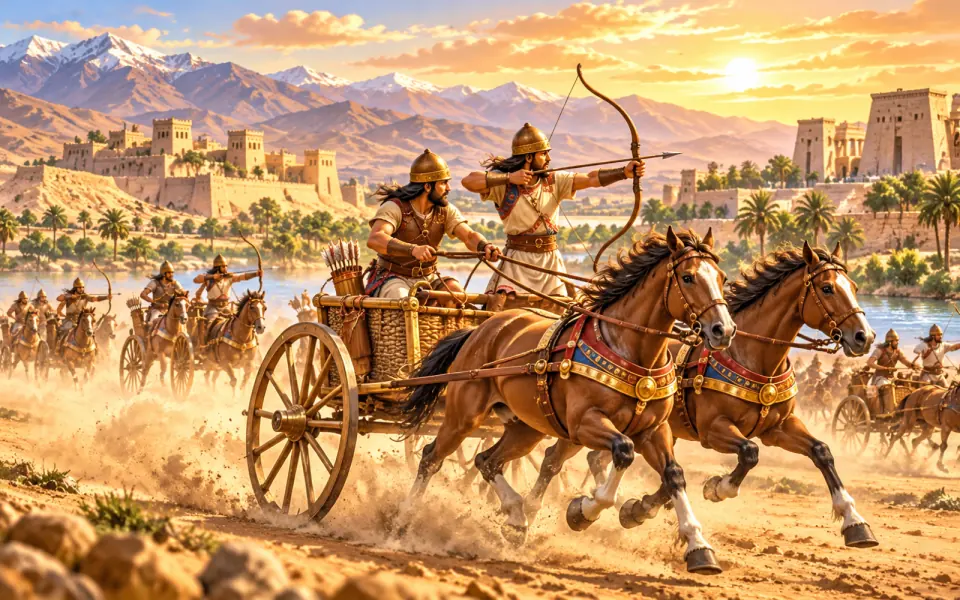 AfterWar chariotsabout 1700 BC
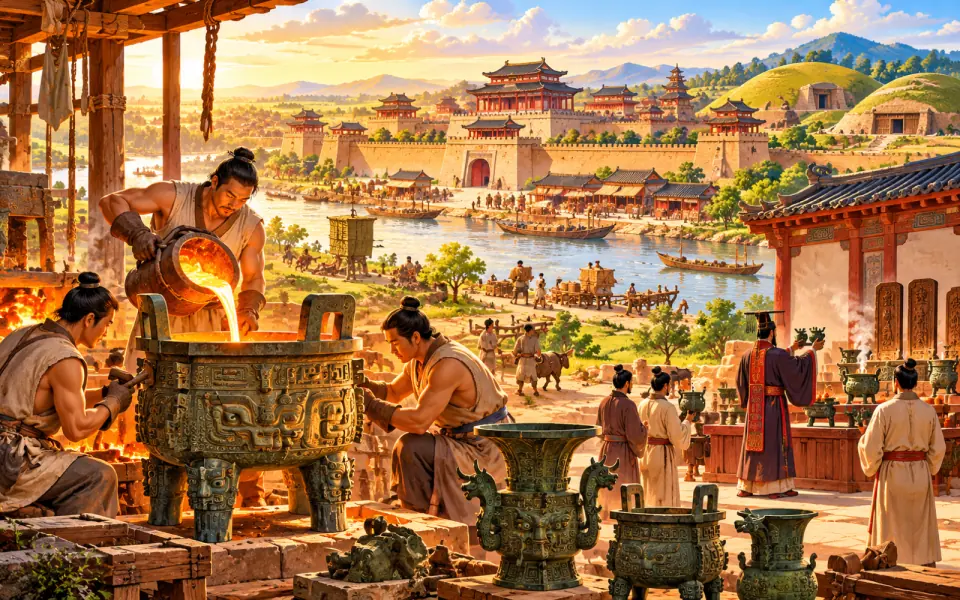 AfterThe Shang dynastyabout 1600–1046 BC
 AfterHatshepsut, the woman pharaohabout 1479–1458 BC
 AfterThe reign of Akhenatenabout 1353–1336 BC
 AfterThe reign of Ramesses IIabout 1279–1213 BC
 AfterWriting on oracle bonesabout 1250 BC
 AfterThe Bronze Age collapseabout 1200 BC
Listen / Read next
- Music to read by: Cinematic JourneyEpic film-style music, no lyrics, by Ciro Simone IrmiciSpotifyYouTube Music
Other events of the era “River civilisations”
- The first Sumerian cities
- Cuneiform writing
- Egyptian hieroglyphs
- The unification of Egypt
- Uruk, the great city
- The Egyptian calendar
- The Step Pyramid of Djoser
- The Standard of Ur
- Egyptian mummification
- The Great Pyramid of Giza
- The cities of the Indus Valley
- The drains and baths of Mohenjo-daro
- Trade between the Indus and Mesopotamia
- The Epic of Gilgamesh
- The Ziggurat of Ur
- Babylonian mathematics
- The Code of Hammurabi
- War chariots
- The Shang dynasty
- Hatshepsut, the woman pharaoh
- The reign of Akhenaten
- The reign of Ramesses II
- Writing on oracle bones
- The Bronze Age collapse
