The Step Pyramid of Djoser
about 2650 BC Saqqara, near Memphis (Egypt)
In short
At Saqqara, near Memphis, the architect Imhotep built a tomb for the pharaoh Djoser like nothing seen before: six great stone steps stacked one on top of another, about 60 metres high. Before that, kings were buried under mastabas, low bench-shaped buildings made of mud brick. Imhotep was so admired that, centuries later, the Egyptians worshipped him as a god of medicine and wisdom.
Why it matters It is the oldest large building made of cut stone in the world, and it paved the way for the pyramids.
Source: UNESCO, “Memphis and its Necropolis – the Pyramid Fields from Giza to Dahshur”
Study card about 6 minutes of reading
The story
A tomb that climbs towards the sky
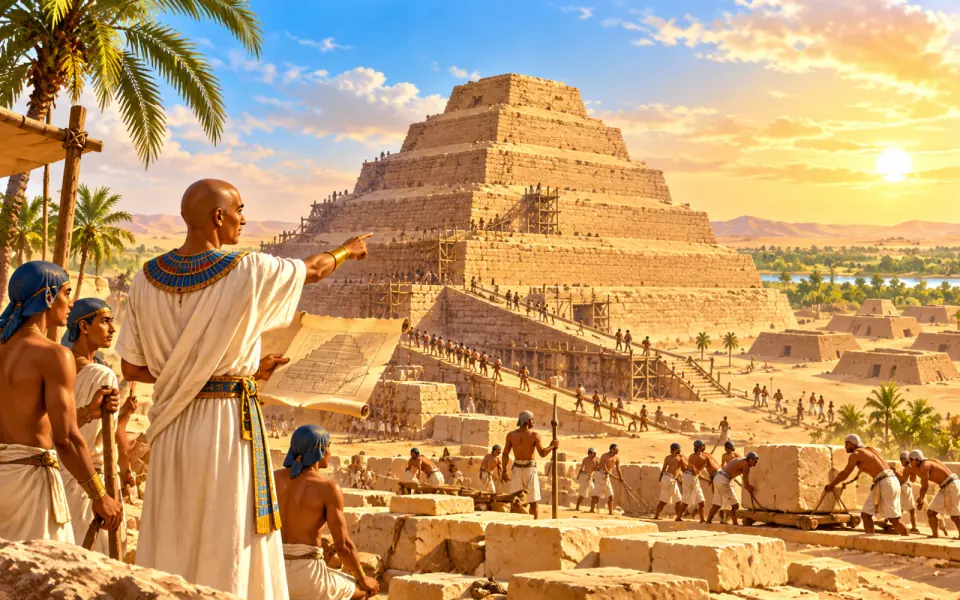
If you had visited Saqqara in the time of the pharaoh Djoser, around 2650 BC, you would have seen a building site like no other. In the middle of a great enclosure of white stone, more than five hundred metres long and surrounded by walls over ten metres high, a stepped tower was rising. In the end it would be about sixty metres tall, with six steps one above the other, each narrower than the one below, like a staircase for giants. It was the first great stone building in human history, and it was designed by a man whose name we know: Imhotep.
From bench to staircase
Before Djoser, the kings and nobles of Egypt were buried under mastabas. The word is Arabic and means “bench”: they were low structures with a flat top and sloping sides, made of mud brick. Underground was the burial chamber. Djoser himself, too, at first had a mastaba in mind, but of stone and not of brick. The stone, a pale limestone quarried nearby and at Tura, lasted far longer than mud.
Then, during the work, the plan changed several times. The mastaba was enlarged on every side, then another was built on top of the first, and another again. In the end they arrived at the stepped shape we still see today. Archaeologists worked out this story by studying cross-sections of the building: inside the pyramid are the traces of several successive designs. It was an experiment that developed as it went along, not a perfect plan from the start.
The blocks are small, like bricks, because the builders had not yet learned to move large stones. They were laid in layers sloping inwards, to make the structure more stable. Beneath the pyramid is a maze of galleries and chambers kilometres long, and in one of them thousands of stone vessels from earlier times were found, perhaps inherited from the oldest kings. Some chambers have walls decorated with blue ceramic tiles, which imitate the reed mats of palaces.
A city for eternity
Around the pyramid Imhotep designed a true complex of buildings. In the enclosure there are courtyards for ceremonies, false buildings with stone fronts carved to imitate tents, reeds and wood, and a funerary temple to the north. Many buildings are solid: they were for the ka, the king's spirit, for the jubilee festivals (the Sed festival) that the pharaoh would go on celebrating in the afterlife. The columns are carved in the shape of bundles of reeds and papyrus. It is a stone building that tells in stone the story of the Egypt of wood and mud.
In a small sealed room, called a serdab, archaeologists found a statue of the king, seated, with his eyes looking out through two holes in the wall. The original statue is now in the Cairo Museum; at Saqqara you can see a copy: even today the pharaoh watches, in silence, whoever comes near.
Who was Imhotep
Imhotep, whose name means “the one who comes in peace”, was not a king. He was a high-ranking official, perhaps the son of an architect, who served Djoser as vizier and head of works. His name appears on a statue base found in the Saqqara enclosure itself, with titles describing him as chief of sculptors and priest. We do not know for certain that he designed the pyramid, but tradition and the clues point to him.
Centuries later, Imhotep was remembered as a wise man: scribes attributed proverbs and medical texts to him. From the Late Period and then in Ptolemaic times, more than two thousand years after his death, he was worshipped as a god of medicine and the Greeks identified him with their Asclepius. Shrines in his honour arose at Saqqara. His tomb has never been found, and archaeologists are still looking for it.
A doubt about the date
Djoser reigned from about 2670 to 2650 BC (some date him a little later). What is certain is that the pyramid was built in a few decades, and that it was the tallest structure in the world of that time, while in Mesopotamia buildings were still of mud brick.
Why it happened
The first cause was religious. For the Egyptians the king was a god and, after death, had to rise to heaven and join the sun. A stepped tomb worked as a staircase for that climb: ancient texts speak of a “staircase” or “ramp” for the dead king. The idea of building an artificial mountain had to do with the wish to place the tomb closer to the sky.
A second cause was the strength of the state. To build such a structure you needed quarries, boats to carry the blocks, thousands of workers, scribes to count the materials, and bakers and brewers to feed everyone. Only a united and organised kingdom, the one born a few centuries earlier with Narmer (see the card on the unification), could afford such a building site.
The third cause is Imhotep himself, and the desire to experiment. Stone instead of mud, columns instead of wooden posts, a design that grows one step at a time: that architect made a leap in quality that others had never attempted.
What changed
The step pyramid opened the way for all the others. After Djoser, his successors tried to build ever more regular pyramids. First came Snefru's “bent” and “red” pyramids at Dahshur, then the Great Pyramid of Giza, which has smooth sides (see the card on Khufu). Without the first step at Saqqara the second would not have come.
It also showed that dressed stone could replace brick in great works. From then on Egyptian architecture was built of stone: temples, tombs, obelisks, colossal statues. Many buildings we admire in Egypt today descend from the idea born at Saqqara.
Imhotep, finally, became the symbol of the wise man. His name has come down to us after almost 4,700 years, which is rare for a non-royal person of antiquity. Today the Saqqara complexes, restored in recent decades, are among the most visited places in Egypt.
Key people and places
People
- Djoser
- Pharaoh of the 3rd dynasty (about 2670–2650 BC), for whom the step pyramid was built. His Egyptian name was Netjerikhet.
- Imhotep
- High official and architect of Djoser, remembered for the pyramid. After his death he was worshipped as a god of medicine.
- Snefru
- Pharaoh of the 4th dynasty, father of Khufu, who carried on the experiments and built three great pyramids at Meidum and Dahshur.
Places
- Saqqara (Egypt)
- A great necropolis near Memphis, the capital of the Old Kingdom. Djoser's pyramid stands here, along with hundreds of tombs.
- Memphis (Egypt)
- Capital of ancient Egypt, a few kilometres from Saqqara.
- Dahshur (Egypt)
- A place south of Saqqara where Snefru built the bent pyramid and the red one, stages after Djoser.
Good to know
- Djoser's pyramid is about 60 metres tall and has six steps: at the beginning it was meant to be a simple mastaba.
- Beneath the pyramid there are almost 6 kilometres of galleries and chambers, and in some chambers the walls are lined with blue tiles imitating reed mats.
- In the serdab there was a statue of the king looking out through two holes in the wall. The copy is still there.
- Imhotep was remembered for more than two thousand years. From the Late Period and in the Ptolemaic age he was a god of medicine and the Greeks linked him with Asclepius.
- The enclosure around the pyramid had fourteen false doors and only one real one: according to scholars, they were meant to fool evil spirits.
Find out more
- Wikipedia, “Pyramid of Djoser” en.wikipedia.org
- Wikipedia, “Djoser” en.wikipedia.org
- Wikipedia, “Imhotep” en.wikipedia.org
- World History Encyclopedia, “Pyramid” worldhistory.org
- Museo Egizio, Turin (in English) museoegizio.it
Related events
- The unification of Egyptabout 3100 BC · River civilisationsThe united state founded by Narmer made such a large building site possible.
- Egyptian mummificationabout 2600 BC · River civilisationsThe king buried in the pyramid was mummified in order to live in the afterlife.
- The Great Pyramid of Gizaabout 2560 BC · River civilisationsThe Great Pyramid of Giza is the next step, with smooth sides.
- Hippocrates and medicineabout 400 BC · Ancient GreeceHippocrates founded Greek medicine; long before, Imhotep was remembered as a master of medicine.
- The Parthenon447–432 BC · Ancient GreeceThe Parthenon is another great stone building, built more than two thousand years later.
Before and after, in the era “River civilisations”
Event 7 of 25
 BeforeThe first Sumerian citiesabout 4000 BC
 BeforeCuneiform writingabout 3200 BC
 BeforeEgyptian hieroglyphsabout 3200 BC
 BeforeThe unification of Egyptabout 3100 BC
 BeforeUruk, the great cityabout 3000 BC
 BeforeThe Egyptian calendarabout 2800 BC
- You are hereThe Step Pyramid of Djoserabout 2650 BC
 AfterThe Standard of Urabout 2600 BC
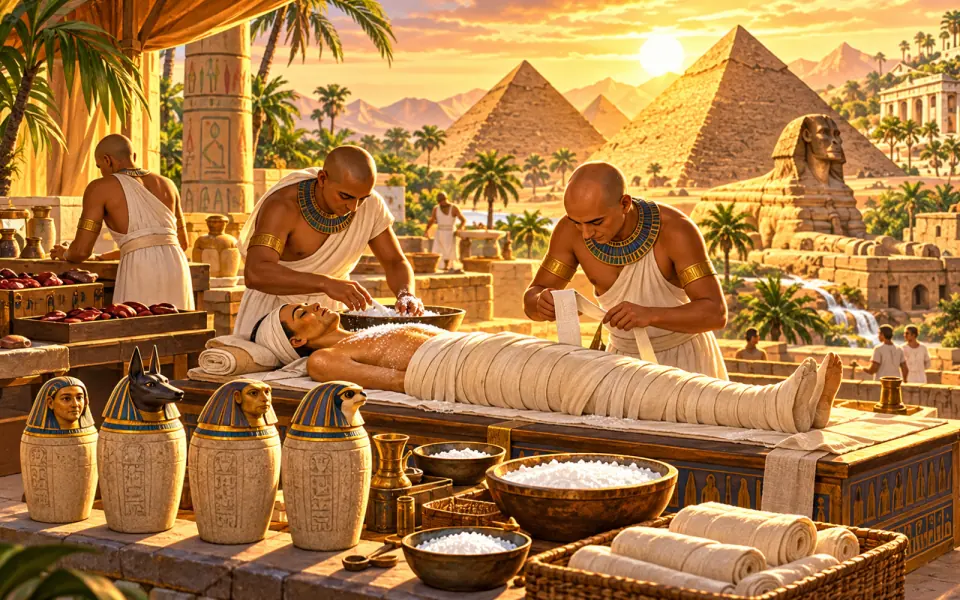 AfterEgyptian mummificationabout 2600 BC
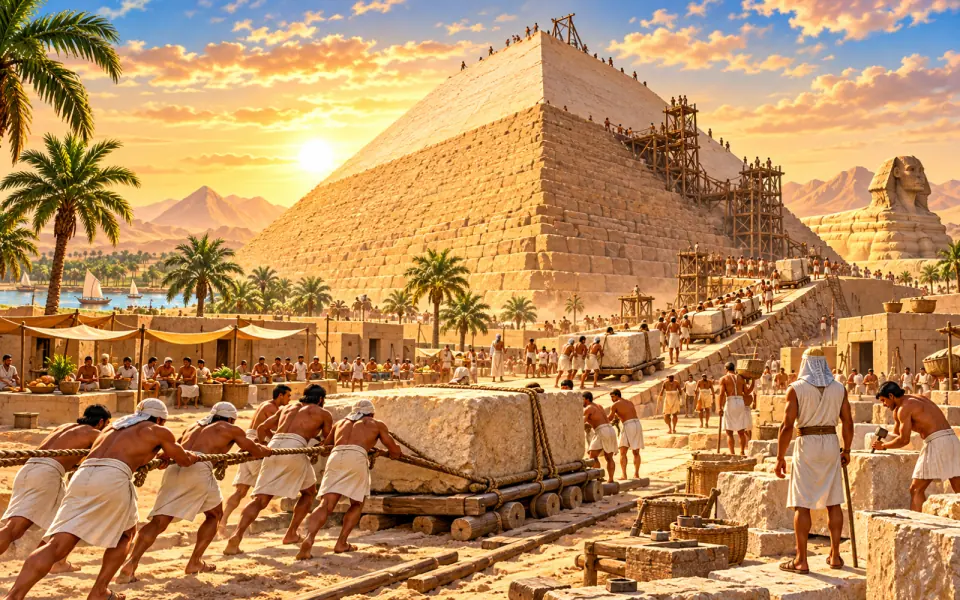 AfterThe Great Pyramid of Gizaabout 2560 BC
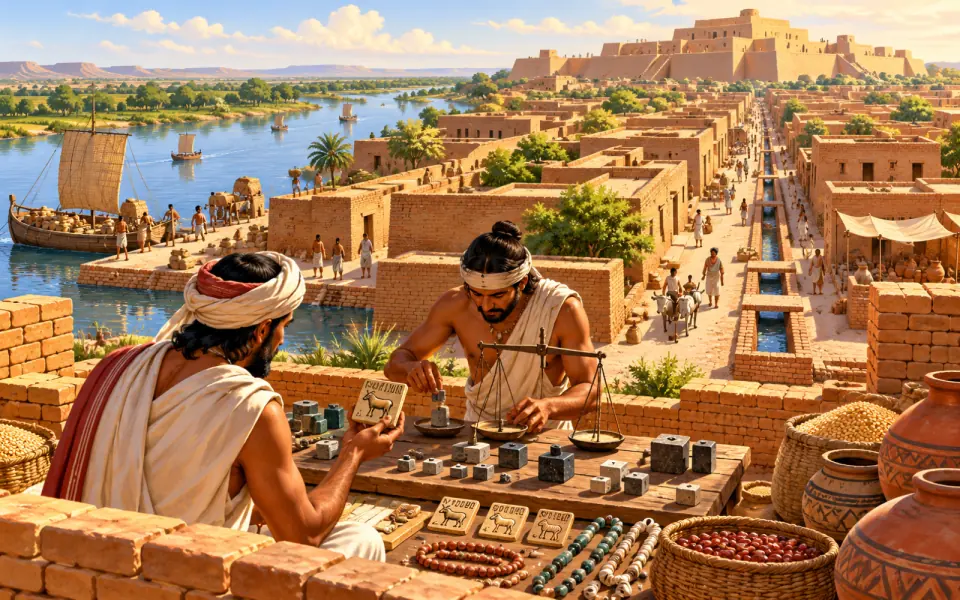 AfterThe cities of the Indus Valleyabout 2500 BC
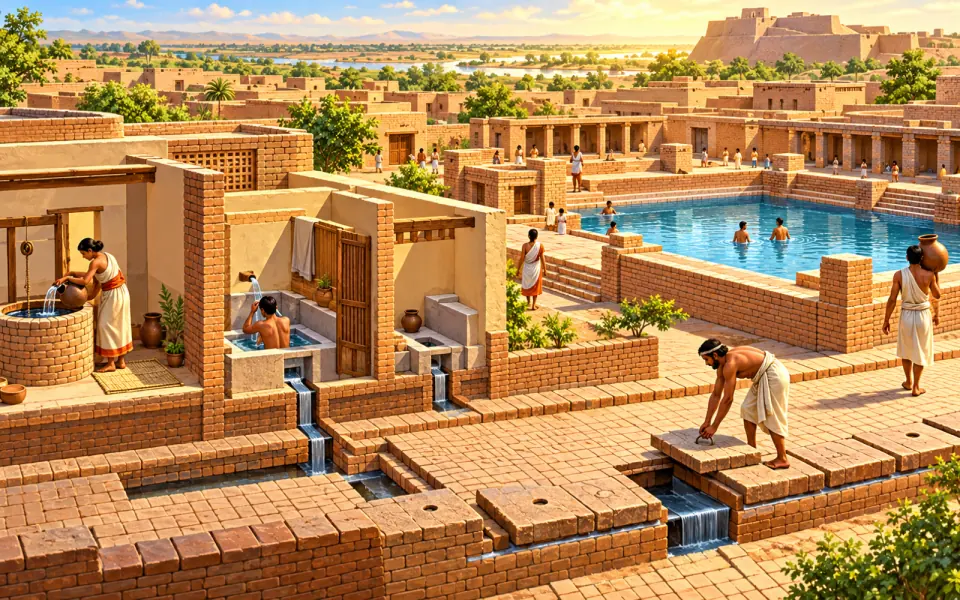 AfterThe drains and baths of Mohenjo-daroabout 2450 BC
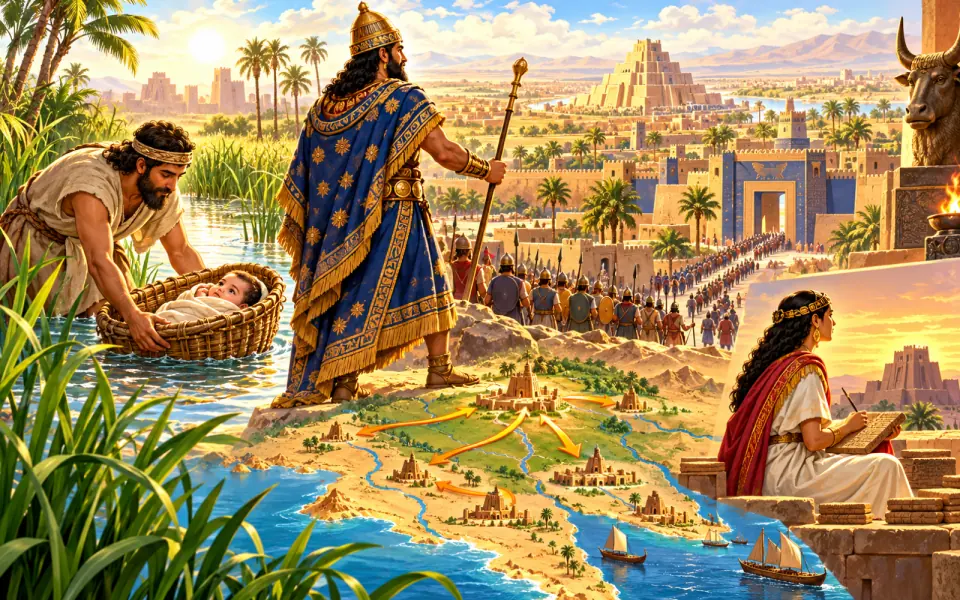 AfterSargon and the Akkadian Empireabout 2334 BC
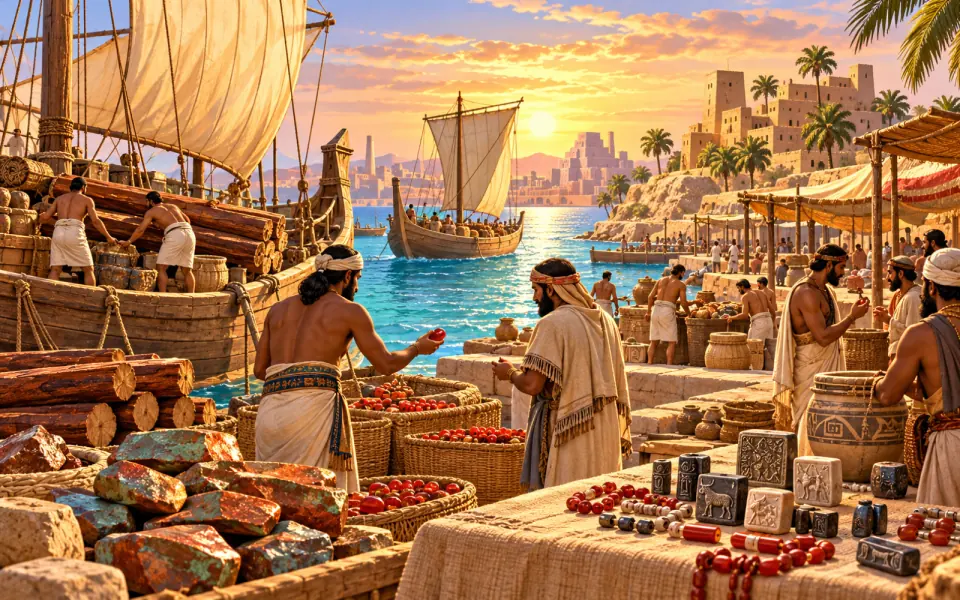 AfterTrade between the Indus and Mesopotamiaabout 2300 BC
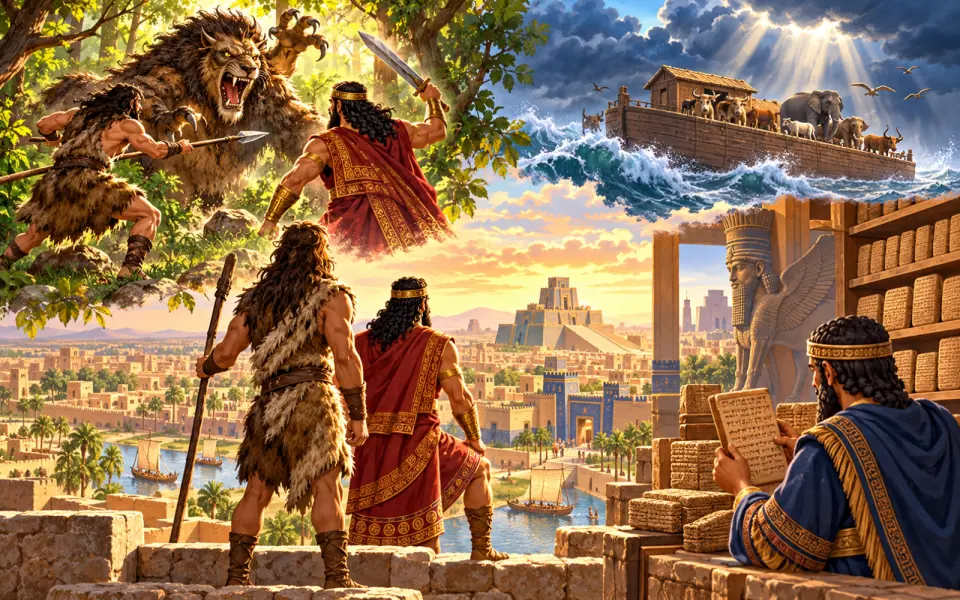 AfterThe Epic of Gilgameshabout 2100 BC
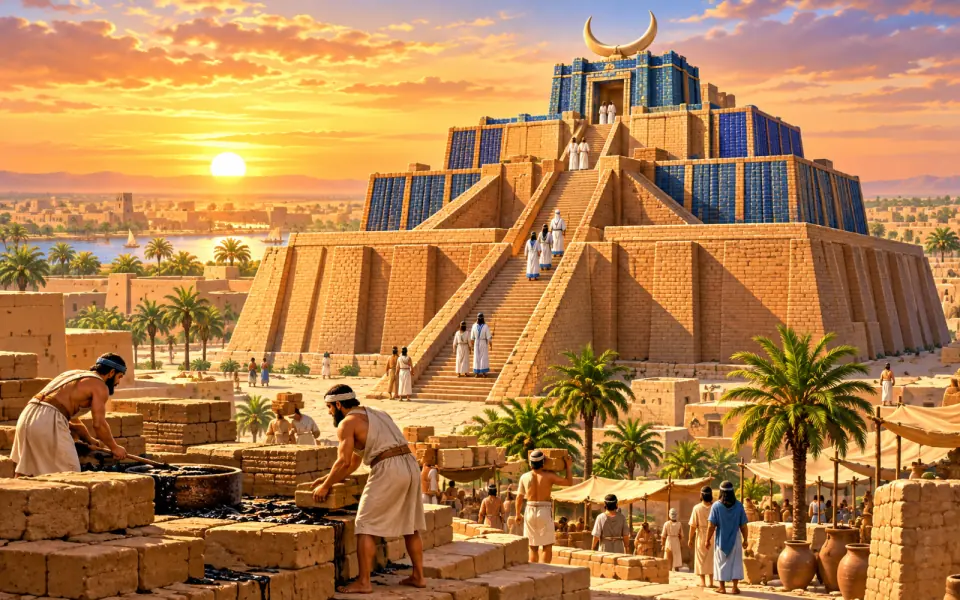 AfterThe Ziggurat of Urabout 2100 BC
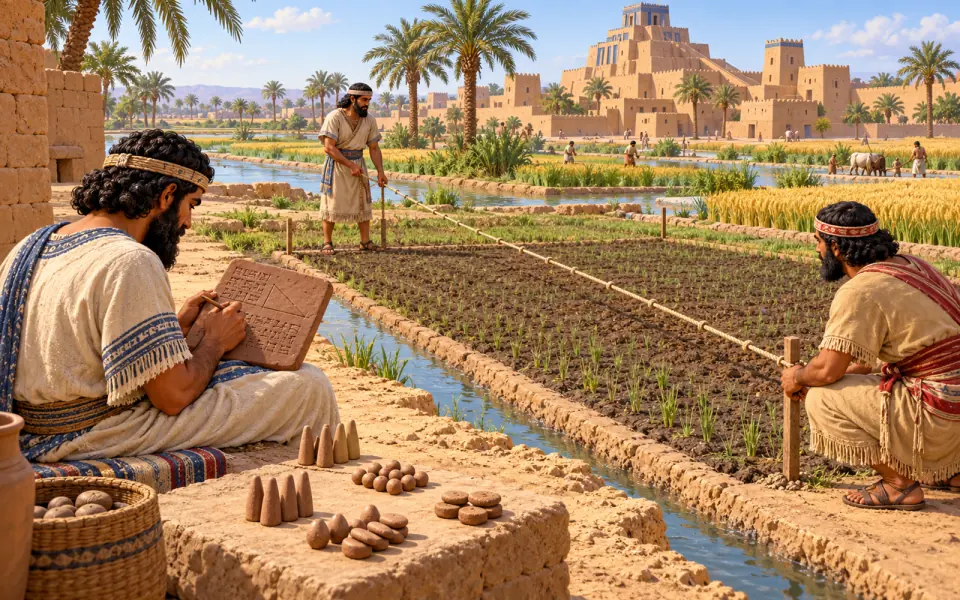 AfterBabylonian mathematicsabout 1800 BC
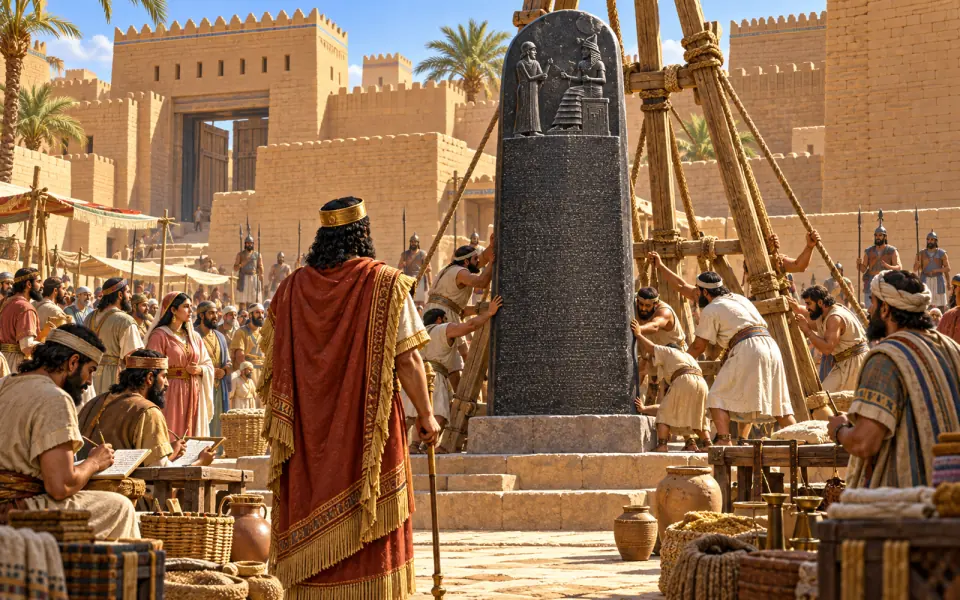 AfterThe Code of Hammurabiabout 1754 BC
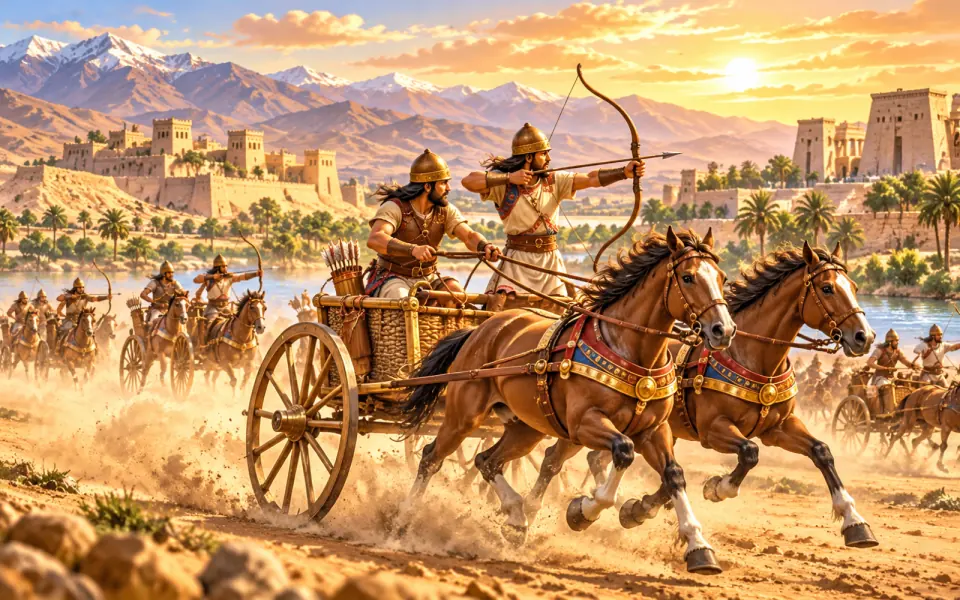 AfterWar chariotsabout 1700 BC
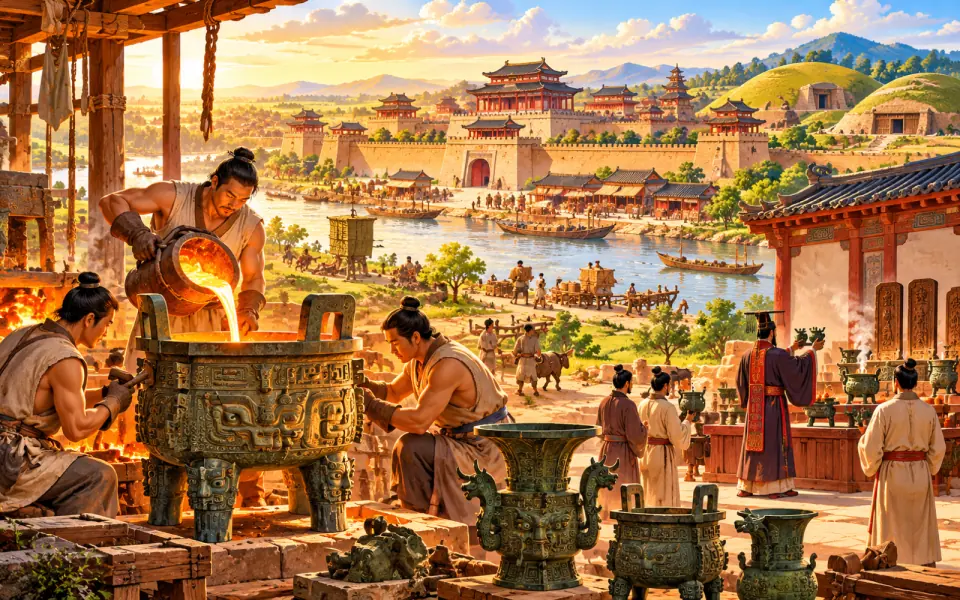 AfterThe Shang dynastyabout 1600–1046 BC
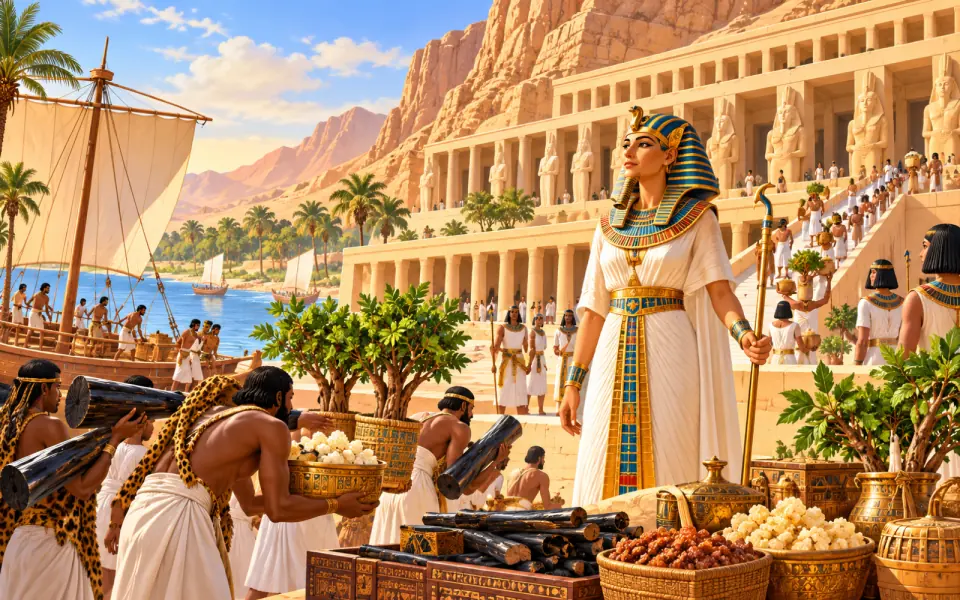 AfterHatshepsut, the woman pharaohabout 1479–1458 BC
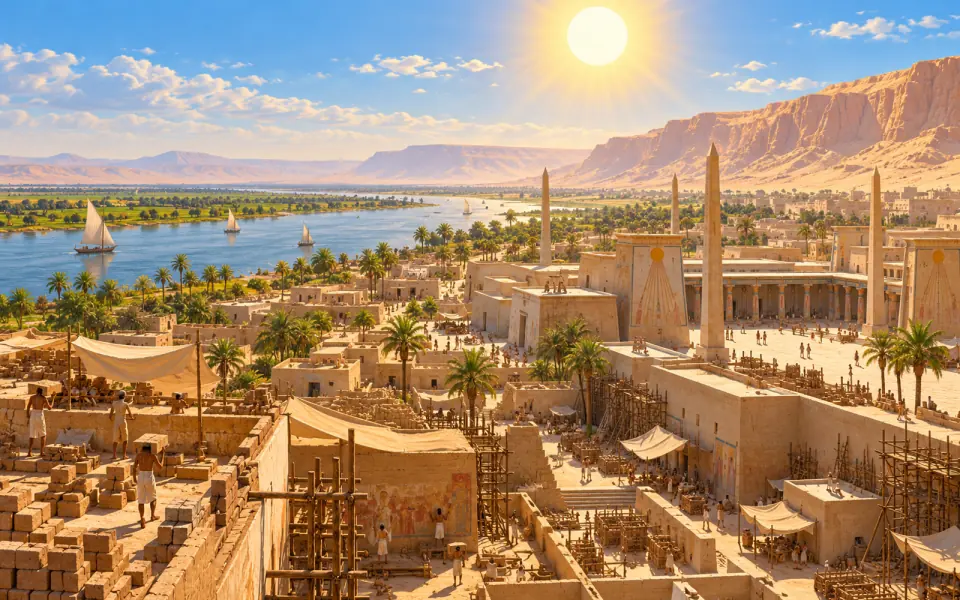 AfterThe reign of Akhenatenabout 1353–1336 BC
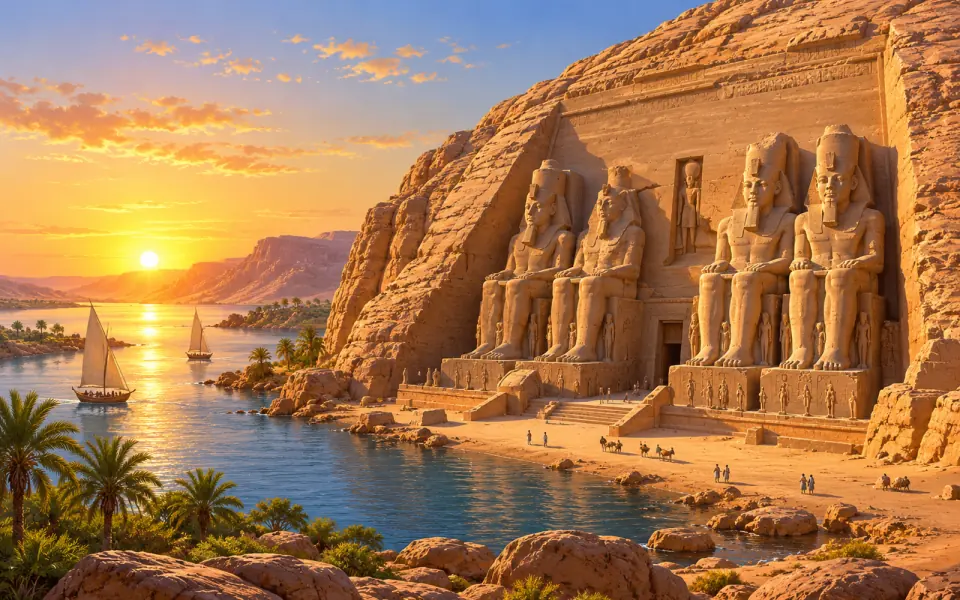 AfterThe reign of Ramesses IIabout 1279–1213 BC
 AfterWriting on oracle bonesabout 1250 BC
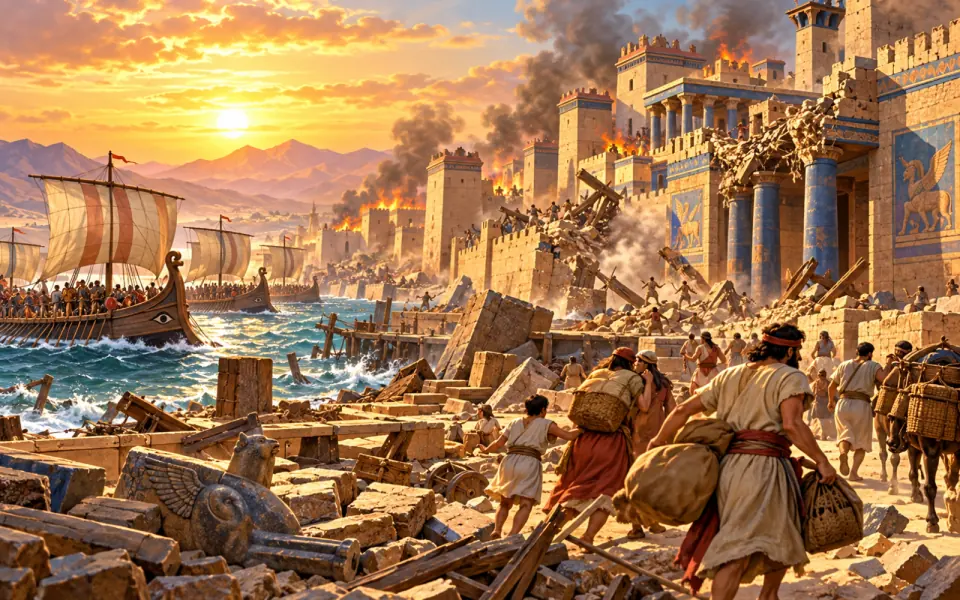 AfterThe Bronze Age collapseabout 1200 BC
Listen / Read next
- Music to read by: Cinematic JourneyEpic film-style music, no lyrics, by Ciro Simone IrmiciSpotifyYouTube Music
Meanwhile, elsewhere in the world
Other events of the era “River civilisations”
- The first Sumerian cities
- Cuneiform writing
- Egyptian hieroglyphs
- The unification of Egypt
- Uruk, the great city
- The Egyptian calendar
- The Standard of Ur
- Egyptian mummification
- The Great Pyramid of Giza
- The cities of the Indus Valley
- The drains and baths of Mohenjo-daro
- Sargon and the Akkadian Empire
- Trade between the Indus and Mesopotamia
- The Epic of Gilgamesh
- The Ziggurat of Ur
- Babylonian mathematics
- The Code of Hammurabi
- War chariots
- The Shang dynasty
- Hatshepsut, the woman pharaoh
- The reign of Akhenaten
- The reign of Ramesses II
- Writing on oracle bones
- The Bronze Age collapse
