War chariots
about 1700 BC Syria and Anatolia (Near East)
In short
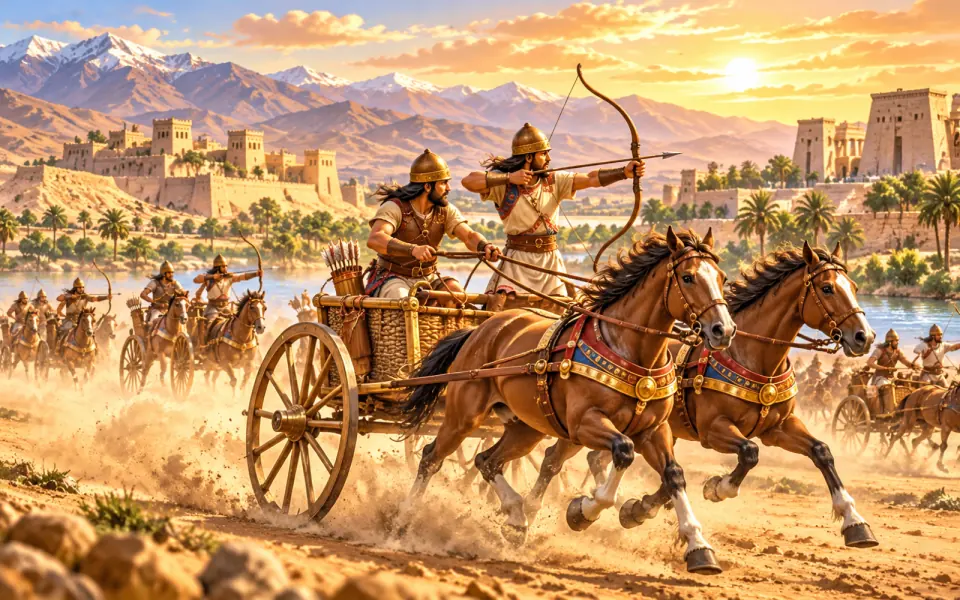
The light war chariot had spoked wheels, much lighter than solid ones, and was pulled by two horses. Each chariot carried a driver and an archer, who sped across the battlefield. The first chariots of this kind appeared on the steppes east of the Urals and spread from there across the whole Near East. They reached Egypt with the Hyksos, a people who came from Asia.
Why it matters For several centuries whoever had horses and chariots had a great advantage, and kingdoms competed to get them.
Source: Encyclopaedia Britannica, “Chariot”
Study card about 6 minutes of reading
The story
A spoked wheel changes warfare
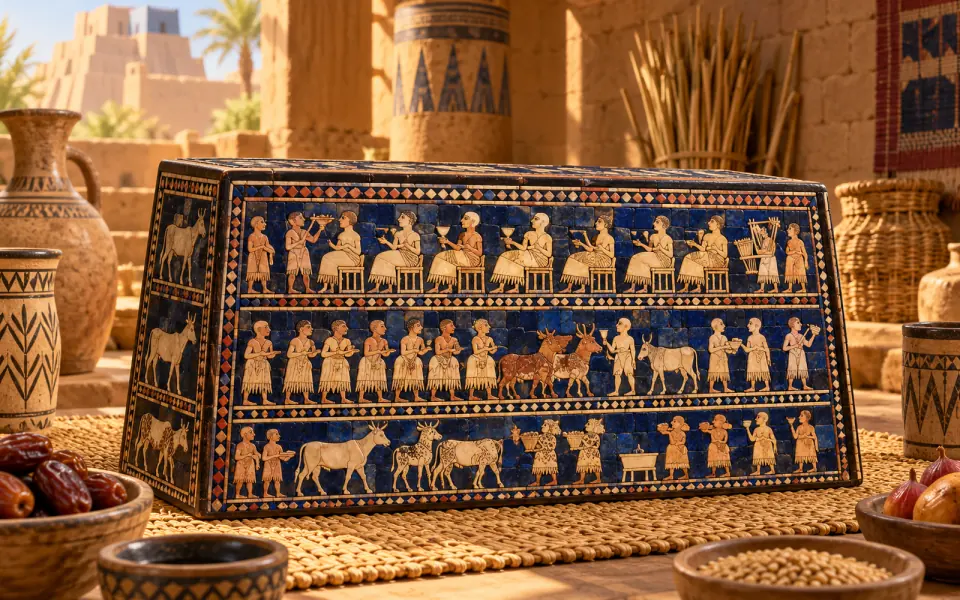
For centuries, in Mesopotamia, wheels were solid discs of wood, heavy and noisy. We see this in the Standard of Ur: four-wheeled carts pulled by donkeys, slow and hard to turn. Then, between 2000 and 1700 BC, someone had a simple and brilliant idea: instead of a disc of wood, a wheel made of a thin rim and many little rods, the spokes, joining it to the centre. It was much lighter and faster. On two such wheels you could mount a tiny chariot, light as a basket, and have it pulled by two horses at a gallop. This is how the light war chariot was born, and nothing would be the same again.
Where was it invented?
On this scholars do not agree. The oldest evidence of chariots with spoked wheels comes from the steppes east of the Ural mountains, from the Sintashta culture (about 2100–1800 BC), where in warriors' tombs horses have been found buried with the marks of wheels left in the ground. For many researchers, then, chariots were born there and spread south, to Iran, Anatolia, Syria and finally Egypt. Others think the idea arose more or less at the same time in the Near East: on Anatolian seals of about 1900 BC chariots with spoked wheels can already be seen. The question is not closed.
What it was like and how it was used
The light chariot was a small wooden platform, with a railing at the front and no seat. The wheels, made of wood bent with steam or fire, had four or six spokes. A central pole was hitched to the two horses. On it stood two men: the driver, who held the reins, and an archer or javelin thrower. To use it well you needed the composite bow, made of wood, horn and sinew, small but extremely powerful, which could be drawn while standing on a bouncing platform. The horses, too, needed long training: a Hittite text of about 1350 BC, attributed to a master named Kikkuli, describes a 184-day programme for preparing chariot horses, with rations, runs and rests.
In battle the chariot was like a flying weapon. The archers raced in front of enemy ranks, shot arrows and withdrew before they could be caught. They struck from the side, put the infantry to flight, chased the fugitives. But chariots were expensive: between worked wood, bronze, horses and training, a crew cost a great deal. So a military elite was born. In Mitanni, in the north of Mesopotamia, the aristocratic chariot warriors were called maryannu.
The Hyksos and Egypt
Around 1650 BC a group of peoples from Syria and Palestine, whom the Egyptians called Hyksos (“rulers of foreign lands”), conquered the Nile delta and ruled there for a century from a capital, Avaris. With them came to Egypt horses, light chariots, the composite bow and the most modern bronze weapons. The Egyptians, who had never before seen a war horse, learned quickly after the humiliation. Around 1550 BC the pharaoh Ahmose drove out the Hyksos, using weapons and techniques partly learned from them (perhaps chariots too), and founded the New Kingdom, an age of great conquests, in which the chariot became the symbol of the warrior pharaoh.
The great chariot battles
The Near East of the Late Bronze Age (1600 to 1200 BC) was the world of chariots. There are images of pharaohs such as Thutmose III, who won at Megiddo (about 1457 BC), and Ramesses II, who at Kadesh, in Syria, in 1274 BC fought the Hittites in one of the greatest chariot battles in history: historians estimate that a few thousand chariots took part in all, although ancient figures must always be taken with caution. In Tutankhamun's tomb six chariots were found, dismantled, covered in gold. In China the kings of the Shang dynasty used chariots, and at Anyang chariots have been discovered buried with their horses and drivers.
The end of an age
Around 1200 BC the dominance of chariots ended. New tactics, with infantry armed with javelins and long swords, managed to defeat chariots in the battles of the time of the Sea Peoples. Later, horses, selected and bred larger, could be ridden directly: cavalry was born, which the Assyrians used systematically for the first time in the 9th–8th century BC. Chariots did not vanish at once, but moved into the background: they were used for kings' parades, for hunts and, in the following centuries, for races, from the Greek games to the Circus Maximus in Rome.
Why it happened
The technical cause was the invention of the spoked wheel. Making wheels lighter meant, for the first time, being able to build a chariot that horses could pull fast. In turn, it required skilled craftsmen, able to bend wood and balance wheels.
The domestication of the horse mattered a great deal, which began on the steppes of Eurasia as early as the 4th millennium BC (today's domestic horses descend from a line spread from the Volga–Don steppe around 2200 BC). Horses were faster than donkeys and oxen. With time, breeding made them suitable for pulling.
Finally the competition between kingdoms counted. In a world of rich states at war with one another, whoever found a new weapon gained an advantage. Kings invested in horse-breeding, chariot workshops and schools for crews, and exchanged horses as diplomatic gifts.
What changed
The war chariot changed the face of power. To raise horses, build chariots and train crews took a great deal of wealth: the strongest kingdoms were those that could afford it. An aristocracy of horsemen and chariot warriors was born, which dominated Near Eastern society for centuries.
It also drove international relations. Egyptians, Hittites, Mitanni and Babylonians exchanged horses and craftsmen and signed treaties. The Akkadian letter, used in diplomacy, has left evidence of requests for chariots and horses between kings, who called one another “brothers”.
Today the idea of spokes is still with us, in the wheels of bicycles and motorbikes: light, strong and fast, like those of four thousand years ago.
Key people and places
People
- Kikkuli
- Horse master of Mitanni origin, author of a Hittite manual of about 1350 BC on training chariot horses.
- Ahmose I
- Egyptian pharaoh (about 1550–1525 BC) who drove the Hyksos out of Egypt with weapons and techniques partly learned from them, perhaps chariots too, and founded the New Kingdom.
- Ramesses II
- The pharaoh who fought at Kadesh against the Hittites, in one of the greatest chariot battles of antiquity.
- The maryannu
- Aristocracy of chariot warriors of the kingdom of Mitanni, in the north of Mesopotamia.
Places
- Sintashta (southern Urals, Russia)
- A steppe site with the oldest tombs containing chariots with spoked wheels, from about 2000 BC.
- Avaris (Nile delta)
- Capital of the Hyksos in Egypt, where light chariots were introduced around 1650 BC.
- Kadesh (Syria)
- Site of the battle of 1274 BC between Ramesses II and the Hittites, one of the greatest chariot clashes.
Good to know
- Kikkuli's manual, written in Hittite on clay tablets, sets out a 184-day programme for training chariot horses.
- The light war chariot had two spoked wheels, a crew of two men and two horses, and was very light.
- In the tomb of the pharaoh Tutankhamun six chariots were found, dismantled, some decorated with gold.
- The Egyptians did not know the war horse before the Hyksos: after driving them out, they made it their most prestigious weapon.
- The chariot came back into favour as a sport: the racing chariots of the Circus Maximus in Rome are distant descendants of this invention.
Find out more
- Wikipedia, “Chariot” en.wikipedia.org
- Wikipedia, “Sintashta culture” en.wikipedia.org
- World History Encyclopedia, “Hyksos” worldhistory.org
- Wikipedia, “Battle of Kadesh” en.wikipedia.org
- World History Encyclopedia, “Chariot” worldhistory.org
Related events
- The invention of the wheelabout 5,500 years ago · PrehistoryThe solid wheel, invented earlier, was the starting point for the spoked one.
- The Standard of Urabout 2600 BC · River civilisationsThe Standard of Ur shows heavy chariots with solid wheels, pulled by donkeys.
- The reign of Ramesses IIabout 1279–1213 BC · River civilisationsRamesses II fought the greatest chariot battle at Kadesh.
- The Bronze Age collapseabout 1200 BC · River civilisationsThe decline of the Bronze Age saw the end of the chariots' dominance.
- The Iron Age beginsabout 1200 BC · Sea civilisationsThe Iron Age brought cheaper weapons, suited to foot soldiers.
Before and after, in the era “River civilisations”
Event 19 of 25
 BeforeThe first Sumerian citiesabout 4000 BC
 BeforeCuneiform writingabout 3200 BC
 BeforeEgyptian hieroglyphsabout 3200 BC
 BeforeThe unification of Egyptabout 3100 BC
 BeforeUruk, the great cityabout 3000 BC
 BeforeThe Egyptian calendarabout 2800 BC
 BeforeThe Step Pyramid of Djoserabout 2650 BC
 BeforeThe Standard of Urabout 2600 BC
 BeforeEgyptian mummificationabout 2600 BC
 BeforeThe Great Pyramid of Gizaabout 2560 BC
 BeforeThe cities of the Indus Valleyabout 2500 BC
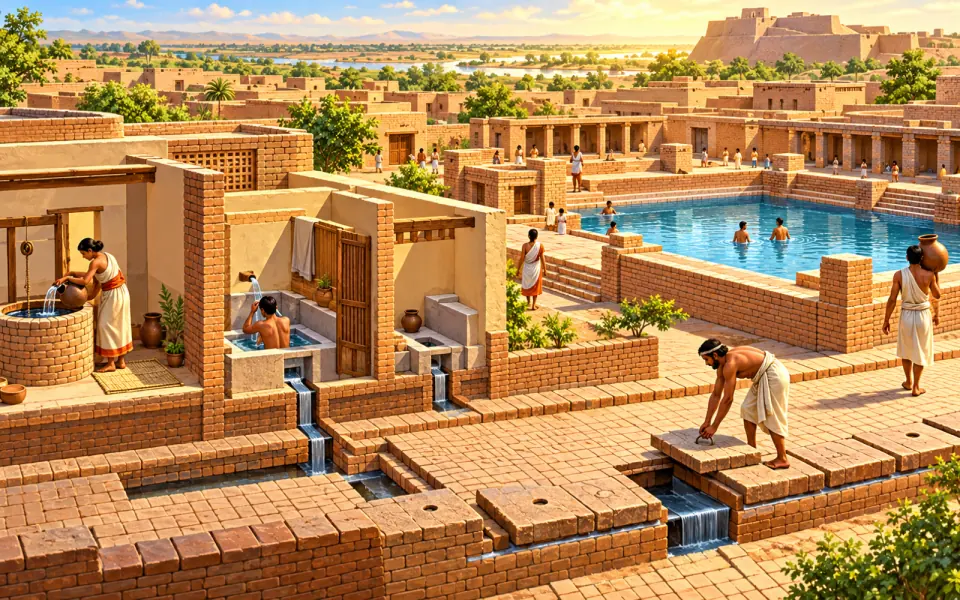 BeforeThe drains and baths of Mohenjo-daroabout 2450 BC
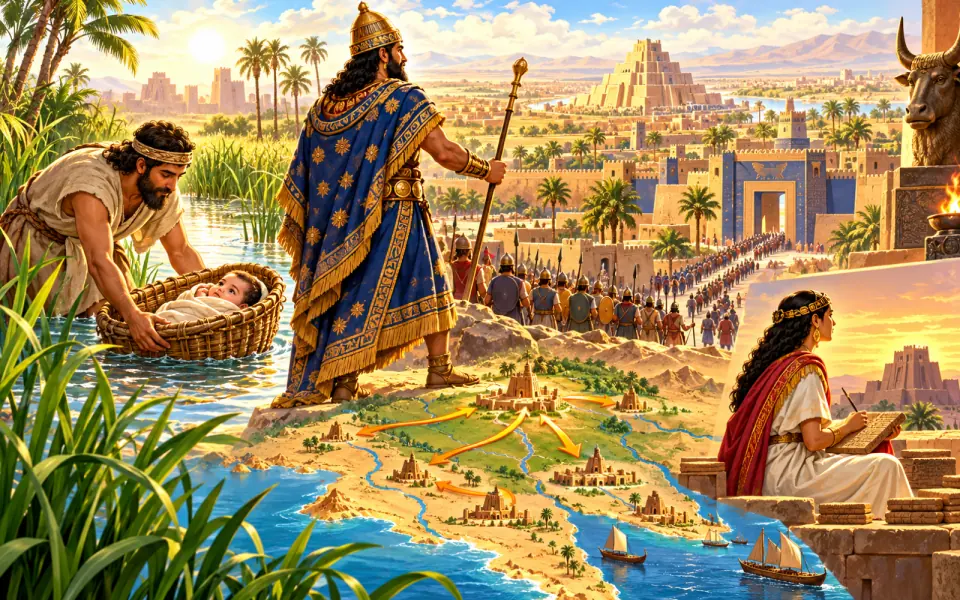 BeforeSargon and the Akkadian Empireabout 2334 BC
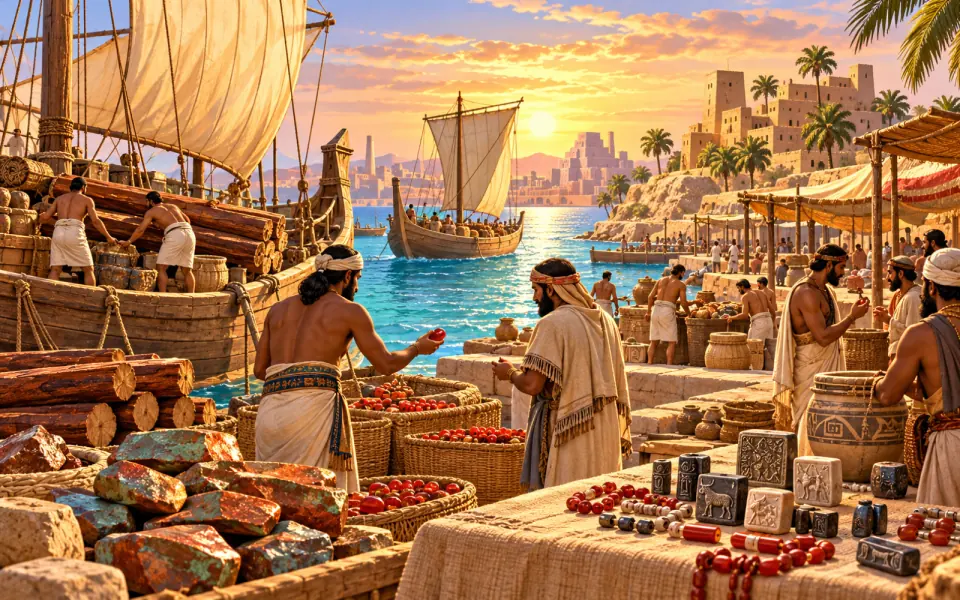 BeforeTrade between the Indus and Mesopotamiaabout 2300 BC
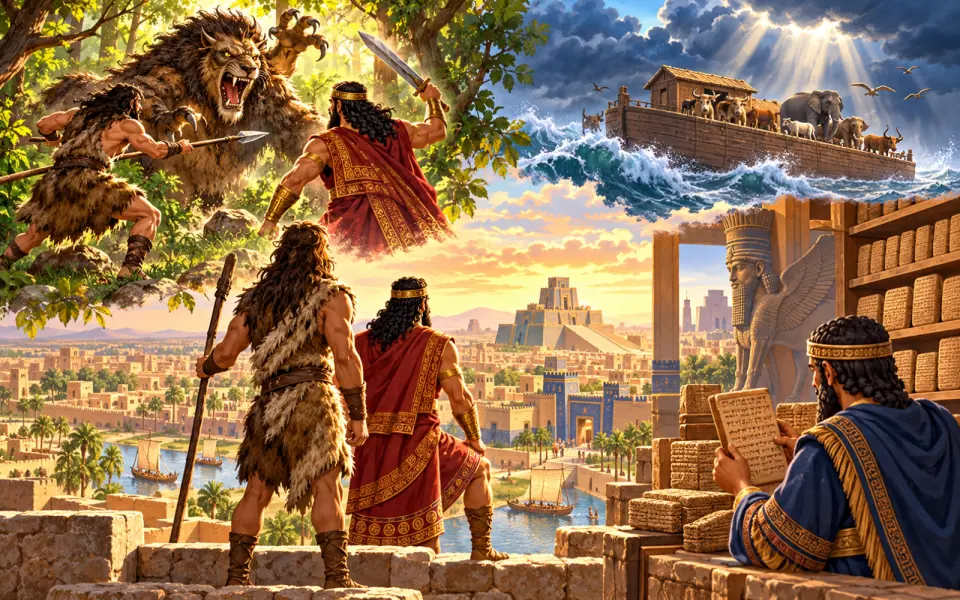 BeforeThe Epic of Gilgameshabout 2100 BC
 BeforeThe Ziggurat of Urabout 2100 BC
 BeforeBabylonian mathematicsabout 1800 BC
 BeforeThe Code of Hammurabiabout 1754 BC
- You are hereWar chariotsabout 1700 BC
 AfterThe Shang dynastyabout 1600–1046 BC
 AfterHatshepsut, the woman pharaohabout 1479–1458 BC
 AfterThe reign of Akhenatenabout 1353–1336 BC
 AfterThe reign of Ramesses IIabout 1279–1213 BC
 AfterWriting on oracle bonesabout 1250 BC
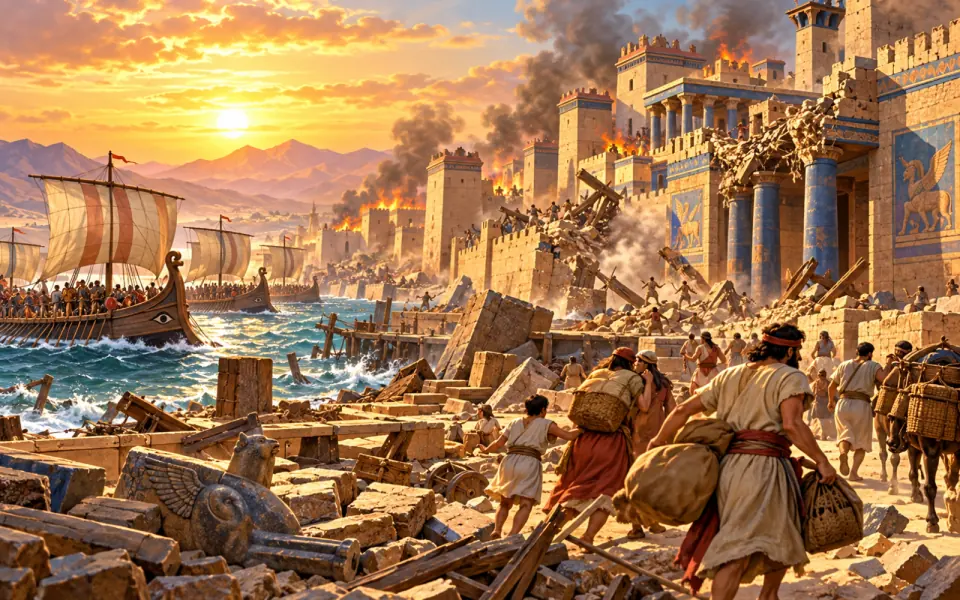 AfterThe Bronze Age collapseabout 1200 BC
Listen / Read next
- Music to read by: Cinematic JourneyEpic film-style music, no lyrics, by Ciro Simone IrmiciSpotifyYouTube Music
Meanwhile, elsewhere in the world
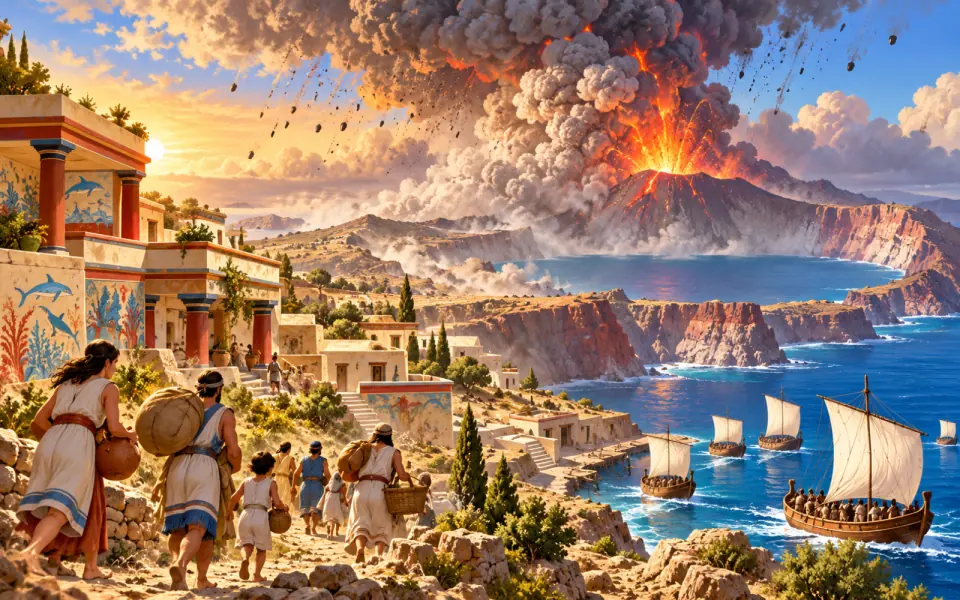
Other events of the era “River civilisations”
- The first Sumerian cities
- Cuneiform writing
- Egyptian hieroglyphs
- The unification of Egypt
- Uruk, the great city
- The Egyptian calendar
- The Step Pyramid of Djoser
- The Standard of Ur
- Egyptian mummification
- The Great Pyramid of Giza
- The cities of the Indus Valley
- The drains and baths of Mohenjo-daro
- Sargon and the Akkadian Empire
- Trade between the Indus and Mesopotamia
- The Epic of Gilgamesh
- The Ziggurat of Ur
- Babylonian mathematics
- The Code of Hammurabi
- The Shang dynasty
- Hatshepsut, the woman pharaoh
- The reign of Akhenaten
- The reign of Ramesses II
- Writing on oracle bones
- The Bronze Age collapse
