The Italian Resistance
1943–1945 Central and northern Italy
In short
On 8 September 1943 the armistice between Italy and the Allies was announced, and the Germans occupied the centre and north of the country. Many Italians chose to fight back: groups of partisans formed in the mountains and in the cities, with different political ideas but united against the Nazis and Fascists. A great many women acted as messengers, the ‘staffette’, carrying messages, weapons and food. On 25 April 1945 the National Liberation Committee proclaimed a general uprising in the cities of the North.
Why it matters On 25 April Italy celebrates Liberation Day, and the values of the Resistance lie at the heart of the Constitution.
Source: Treccani, entry “Resistenza”
Study card about 5 minutes of reading
The story
8 September 1943
In the summer of 1943 Italy had been at war for three years, and the situation was disastrous: cities were being bombed, there was a shortage of food, many soldiers had died on distant fronts, and the Allies had landed in Sicily. On 25 July the king, Victor Emmanuel III, had Mussolini arrested and gave the government to Marshal Pietro Badoglio. But the war went on, while the government secretly negotiated a surrender.
On 8 September, on the radio, Badoglio announced that Italy had signed an armistice with the Allies. He gave the army no clear instructions, and the king and the government fled to the south, to Brindisi. The Italian soldiers, scattered across Italy, France, the Balkans and Greece, were left without orders, and the German army, a former ally, took advantage: it quickly occupied the whole centre and north of the country and disarmed the Italian soldiers. Over six hundred thousand of them, who refused to go on fighting alongside the Nazis, were deported to prisoner-of-war camps in Germany, where many suffered hunger and cold. On the Greek island of Cephalonia the Germans killed thousands of Italian soldiers who had tried to resist.
The choice
On 12 September the Germans freed Mussolini, who was being held prisoner on the Gran Sasso, and put him at the head of a new Fascist state in the north, the Italian Social Republic, also known as the Republic of Salò. In reality it depended on Germany. The country was split in two, with a front line running across the peninsula, and every Italian faced a choice: to join, to wait, to hide or to resist.
Many young men, to avoid being drafted into the army of the Social Republic or sent to work in Germany, chose to go up into the mountains and join the groups that were forming, the partisans. Others joined up in the cities, in the factories, in the countryside. Within a few weeks bands were formed of former soldiers, workers, students, peasants, priests and teachers. On 9 September in Rome the anti-Fascist parties had formed the National Liberation Committee (CLN), to coordinate the struggle.
How they fought
Fighting in the woods and mountains was hard. The partisans had few weapons, often old ones, few shoes and little food, and they lived in huts and hidden shelters, with the help of the peasants. They carried out quick actions and then vanished: they sabotaged bridges and railways, attacked patrols, passed information to the Allies, freed prisoners. They fought in different groups, inspired by Communist, Catholic, Liberal, Socialist, Action Party or monarchist ideas, but united in the fight against Nazi-Fascism.
A decisive part was played by women: the “relay girls” (staffette) carried messages, weapons, medicine and food, often by bicycle, through checkpoints, and many women fought, nursed the wounded, and hid fugitives and Jews. “Civil” resistance was important too: strikes in factories, help for the persecuted, priests and nuns who hid Jews and wanted people.
The reaction of the Germans and the Fascists was extremely harsh. After an attack in Rome, on 24 March 1944, they killed three hundred and thirty-five civilians and prisoners at the Ardeatine Caves. In August 1944 at Sant'Anna di Stazzema, in Tuscany, and between September and October at Marzabotto, in Emilia, hundreds of inhabitants were massacred, mostly women, children and old people. These are wounds that Italy still remembers.
Liberation
In the spring of 1945 the Allies broke through the German line and the Committee for the Liberation of Northern Italy ordered a general uprising. On 25 April the partisans liberated Milan and Turin, while Genoa had freed itself in the same days, before the Allies arrived. Mussolini, who was trying to escape towards Switzerland, was captured by the partisans at Dongo, on Lake Como, and was killed on 28 April. On 2 May the Germans in Italy surrendered.
Why it happened
The Resistance came out of the void left by 8 September and out of weariness with a war wanted by a dictatorship. Many Italians, who had lived under Fascism for twenty years, chose to win back the country's honour by fighting for freedom.
It also had roots in an anti-Fascist tradition that had never disappeared: opponents in exile or in prison, the strikes of 1943, the ideas of those who had never accepted the regime. Many young people had never known political freedom.
What changed
Historians estimate that there were about two hundred thousand partisans and that more than forty thousand died. The Resistance's contribution was important in freeing the country, although the Allied advance was decisive, but above all it had a moral and political value: it gave Italy back its dignity and confidence after Fascism.
From the Resistance came the parties and leaders who built the Republic, and its values are written in the Constitution of 1948: freedom, equality, democracy, rejection of war. Every year, on 25 April, Liberation Day is celebrated.
Remembering the Resistance also means remembering its most painful pages, without oversimplifying: the civil war between Italians, the massacres, the violence committed by both sides. But today, in Italy, the freedom we enjoy has its roots in that courageous choice.
Key people and places
People
- Ferruccio Parri
- Italian partisan and politician (1890–1981): partisan commander under the name “Maurizio”, prime minister in 1945.
- Sandro Pertini
- Italian partisan and politician (1896–1990): he fought in the Resistance and was President of the Republic from 1978 to 1985.
- Tina Anselmi
- Partisan courier at 17 (1927–2016): later the first woman minister in Italy.
- Irma Bandiera
- Partisan from Bologna (1915–1944): known as “Mimma”, killed by the Fascists after withstanding interrogation.
- Italo Calvino
- Italian writer (1923–1985): a partisan in his youth, he wrote about the Resistance in his first novels.
Places
- Ardeatine Caves, Rome
- The site of the massacre of 24 March 1944, now a national memorial.
- Marzabotto and Monte Sole, Emilia-Romagna
- The site of one of the worst massacres of civilians, in September–October 1944.
Good to know
- Over six hundred thousand Italian soldiers who said no to the Germans after 8 September were deported to Germany.
- The “partisan relay girls” carried messages and weapons, often by bicycle, through checkpoints.
- On 25 April 1945 the partisans liberated Milan and Turin; today it is Liberation Day.
- Tina Anselmi, a partisan courier at seventeen, became Italy's first woman minister.
- Sandro Pertini, a partisan, was President of the Republic from 1978 to 1985.
Find out more
- Wikipedia, “Ardeatine massacre” en.wikipedia.org
- Wikipedia, “Italian resistance movement” en.wikipedia.org
- Wikipedia, “Armistice of Cassibile” en.wikipedia.org
- Wikipedia, “Italian Social Republic” en.wikipedia.org
Related events
- The Second World War1939–1945 · Early 20th centuryThe Resistance was part of the Second World War.
- The Italian Republic and votes for women1946 · Early 20th centuryFrom the Resistance, in 1946, the Italian Republic was born.
- The Italian Constitution1948 · Early 20th centuryIts values are written in the Constitution of 1948.
- Totalitarian regimes in Europe1922 · Early 20th centuryThe Resistance was the answer to twenty years of Fascist dictatorship.
Before and after, in the era “Early 20th century”
Event 20 of 25
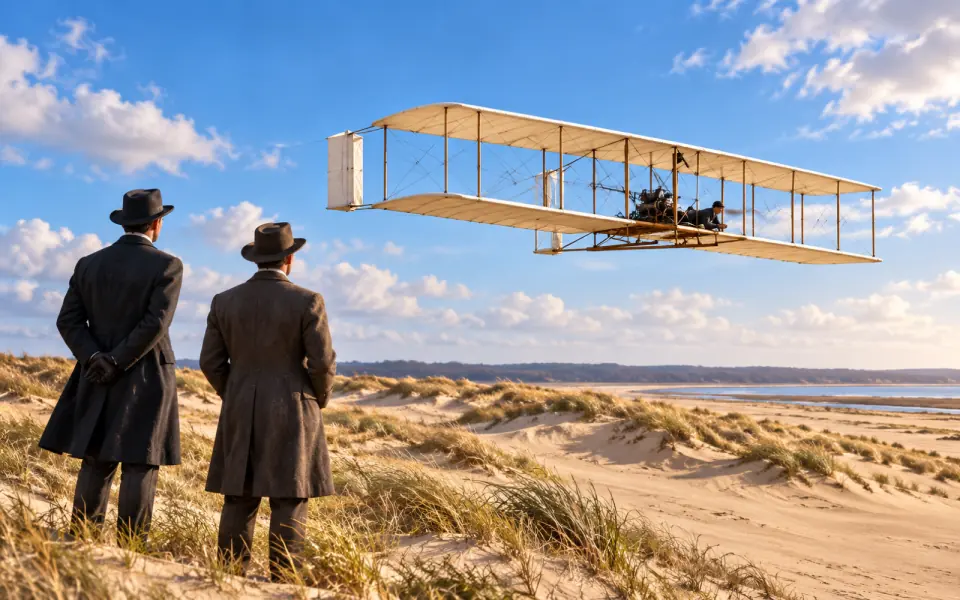 BeforeThe first powered flight1903
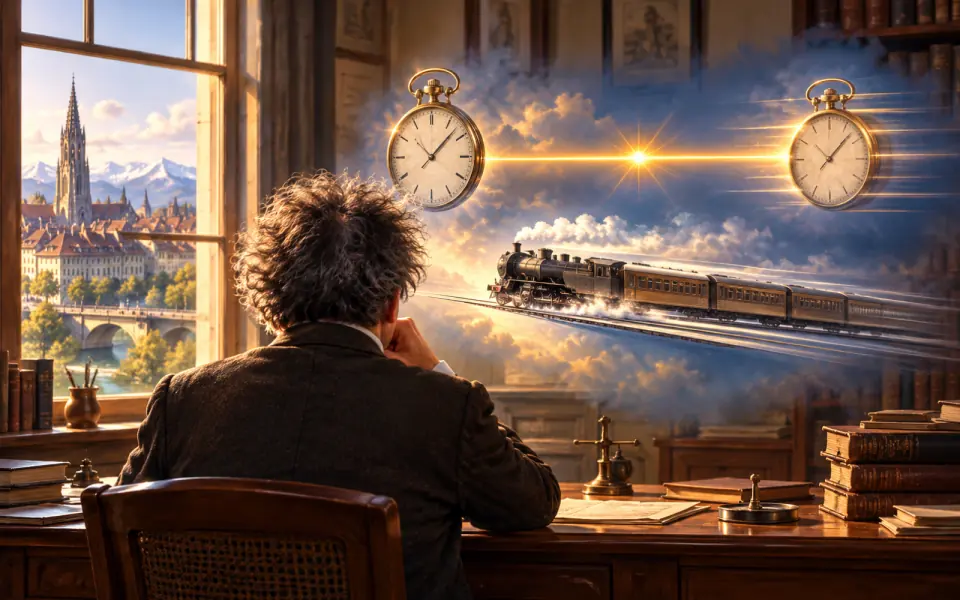 BeforeSpecial relativity1905
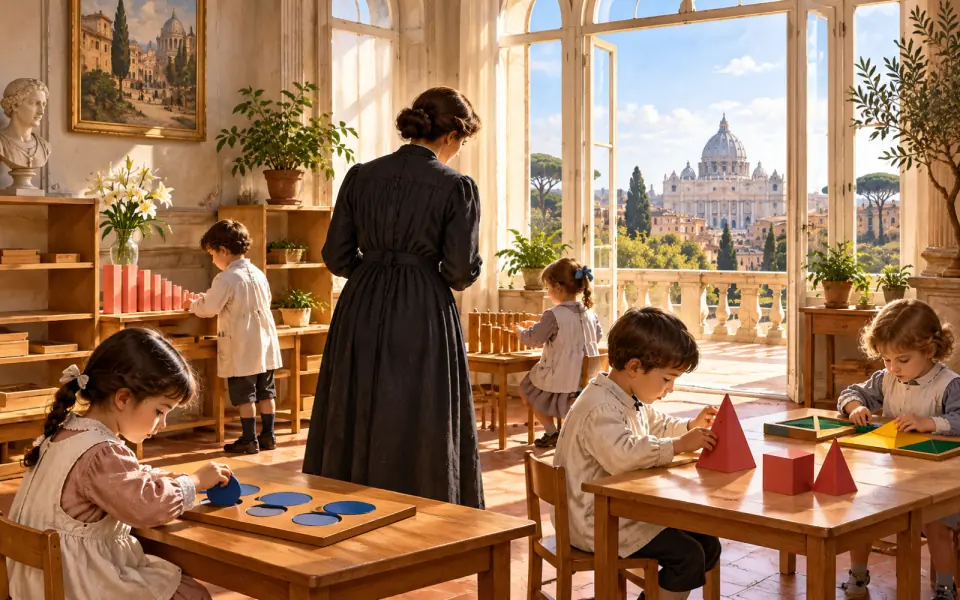 BeforeMaria Montessori's Children's House1907
 BeforeAbstract artabout 1910
 BeforeMarie Curie and her two Nobel Prizes1911
 BeforeThe First World War1914–1918
 BeforeThe Russian Revolution1917
 BeforeRadio for everyoneabout 1920
 BeforeJazz spreadsabout 1920
 BeforeInsulin against diabetes1922
 BeforeTotalitarian regimes in Europe1922
 BeforeTalking pictures1927
 BeforeThe discovery of penicillin1928
 BeforeThe Great Depression1929
 BeforePicasso's Guernica1937
 BeforeThe Second World War1939–1945
 BeforeThe Shoahabout 1941–1945
 BeforeAnne Frank writes her diary1942
 BeforeFermi and the first atomic pile1942
- You are hereThe Italian Resistance1943–1945
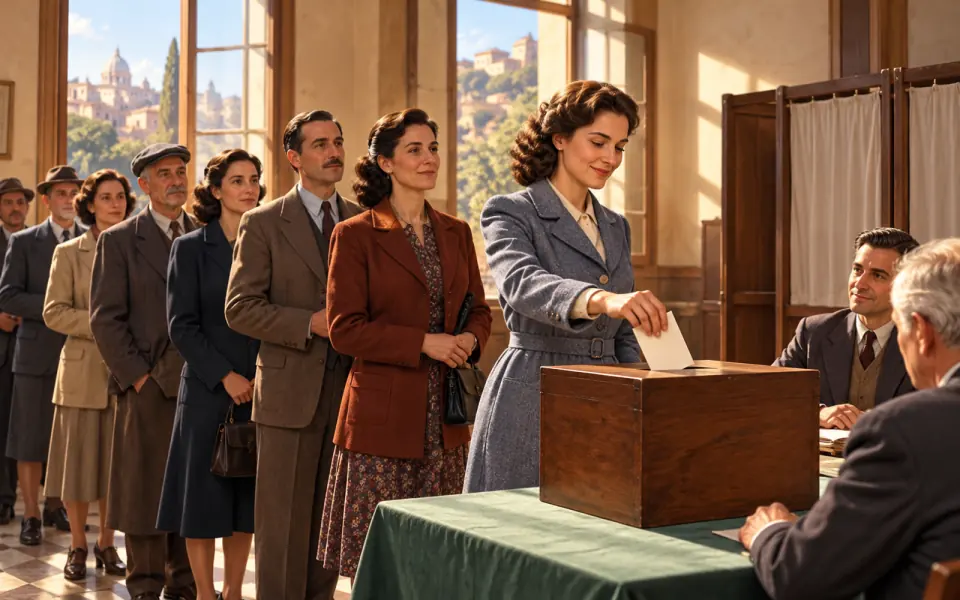 AfterThe Italian Republic and votes for women1946
 AfterThe first general-purpose electronic computer1946
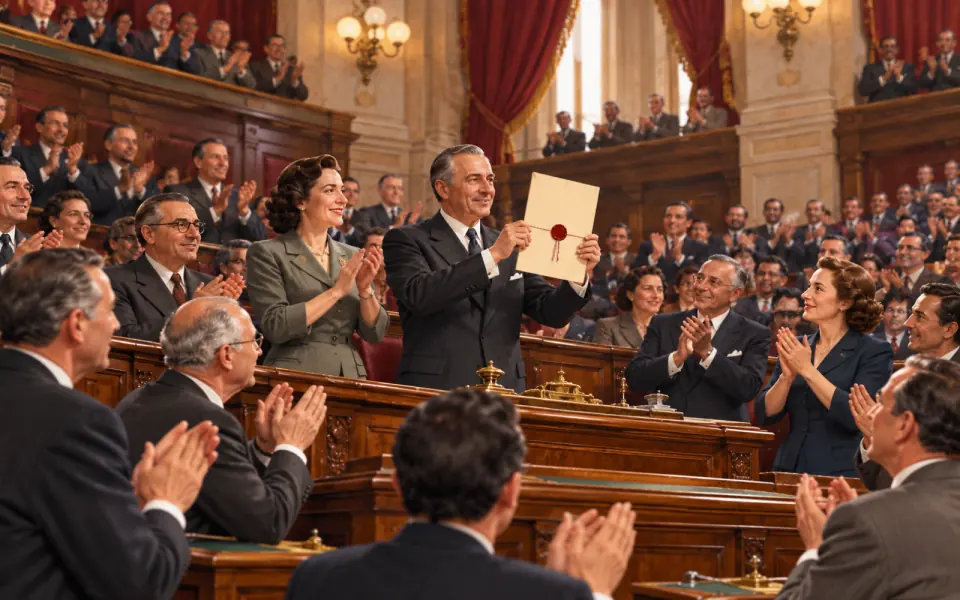 AfterThe Italian Constitution1948
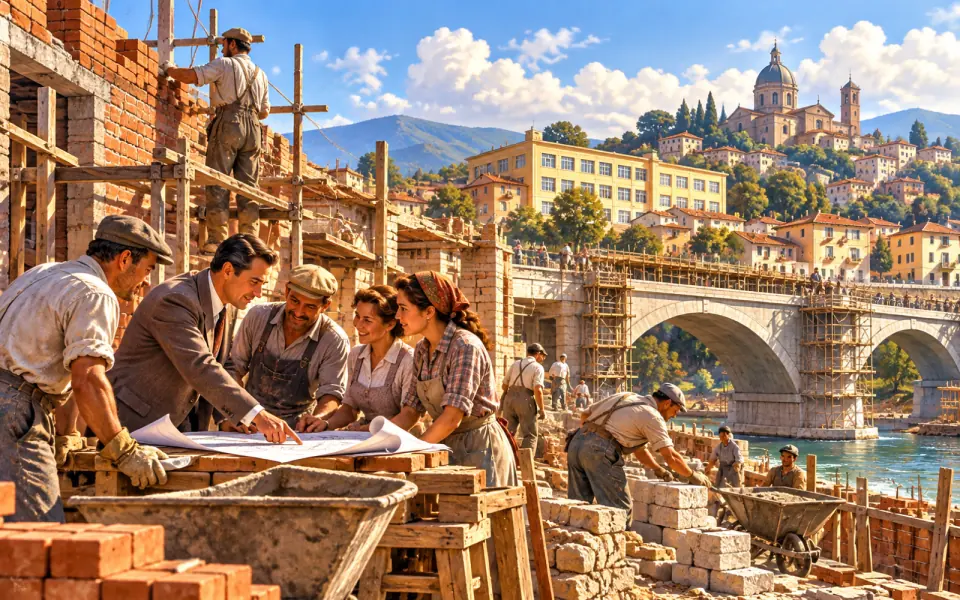 AfterPost-war rebuildingabout 1948
 AfterTelevision spreadsabout 1950
Listen / Read next
- Music to read by: Cinematic JourneyEpic film-style music, no lyrics, by Ciro Simone IrmiciSpotifyYouTube Music
Meanwhile, elsewhere in the world
Other events of the era “Early 20th century”
- The first powered flight
- Special relativity
- Maria Montessori's Children's House
- Abstract art
- Marie Curie and her two Nobel Prizes
- The First World War
- The Russian Revolution
- Radio for everyone
- Jazz spreads
- Insulin against diabetes
- Totalitarian regimes in Europe
- Talking pictures
- The discovery of penicillin
- The Great Depression
- Picasso's Guernica
- The Second World War
- The Shoah
- Anne Frank writes her diary
- Fermi and the first atomic pile
- The Italian Republic and votes for women
- The first general-purpose electronic computer
- The Italian Constitution
- Post-war rebuilding
- Television spreads
