The Shoah
about 1941–1945 Nazi-occupied Europe (Auschwitz, Poland)
In short
The Nazi regime saw the Jews as enemies to be wiped out, and with ever harsher laws it took away their rights, their jobs and their homes. Fascist Italy too, with the racial laws of 1938, shut Jews out of schools and jobs. During the war millions of people were deported to concentration and extermination camps, and about six million Jews were murdered. Roma and Sinti, disabled people and political opponents were persecuted too. In Hebrew this tragedy is called the Shoah, meaning ‘catastrophe’; in English it is also known as the Holocaust.
Why it matters On 27 January, the day the Auschwitz camp was opened in 1945, Holocaust Memorial Day is held so that no one forgets.
Source: United States Holocaust Memorial Museum, “Introduction to the Holocaust”
Study card about 5 minutes of reading
The story
An ancient hatred
Jews had lived in Europe for more than two thousand years, as in many other parts of the world, and for centuries they had suffered prejudice and discrimination: antisemitism, that is, hostility towards Jews simply because they were Jewish. In many countries, for example, they could not own land or do certain jobs, and they were often unfairly blamed for society's problems. In the 19th century, with emancipation, many Jews had gained the same rights as other citizens and had made a great contribution to science, art, culture and the economy. But the prejudice had not gone away.
With the rise of Nazism, antisemitism became state policy. Hitler and his followers, inspired by an invented racist theory, claimed that Jews were a dangerous “race”, guilty of all of Germany's ills. From 1933 the persecutions began: Jews were shut out of many jobs, their shops were boycotted, and in 1935 the Nuremberg Laws took away their citizenship and their right to marry non-Jews. On the night of 9 to 10 November 1938, “Kristallnacht” (the Night of Broken Glass), hundreds of synagogues and shops were destroyed all over Germany, and thousands of Jews were arrested.
Ghettos and shootings
When the war began in 1939, the persecutions got worse. In the occupied territories, such as Poland, Jews were shut into fenced-off districts, the ghettos, where they lived crammed together, with little food and with disease. About four hundred and fifty thousand lived in the Warsaw ghetto. In the summer of 1941, when Germany attacked the Soviet Union, special units, followed by soldiers and local collaborators, began to kill Jews, with mass shootings, in the villages and towns of the East.
Then the Nazis decided to organise the extermination on an industrial scale. On 20 January 1942, at Wannsee, near Berlin, senior officials of the regime met to coordinate what they called the “final solution”. Jews from all over occupied Europe were arrested, loaded onto goods trains and taken to concentration and extermination camps in Poland, such as Auschwitz-Birkenau, Treblinka, Sobibór and others. Many, above all children, old people and women, were killed soon after arriving; others were forced into extremely hard labour, in inhuman conditions.
Italy
In Italy, in 1938 the Fascist regime had passed the racial laws: Italian Jews were expelled from schools, universities and public offices, and their rights were restricted. After 8 September 1943, when Germany occupied the centre and north of the country, arrests and deportations began too. On 16 October 1943, in Rome, more than a thousand people were taken from the old ghetto and sent to Auschwitz: only sixteen came back. From Milan Central Station, from “Platform 21”, trains full of deportees departed. In all, about seven thousand Jews were deported from Italy (estimates range from 6,800 to 7,500), and fewer than a thousand came back.
Those who helped, those who resisted
While many looked the other way or collaborated, some people risked their lives to help Jews: they hid them in houses and convents, and forged documents. These people are now given the title “Righteous Among the Nations”. Among the victims, too, there were those who resisted: in 1943 the Jews of the Warsaw ghetto rose up with makeshift weapons, and for almost a month held out against the German soldiers.
The end and remembrance
On 27 January 1945 soldiers of the Red Army entered Auschwitz and freed the few prisoners who were left. In total, Nazism and its allies killed about six million Jews, almost two thirds of those living in Europe, and millions of other people: Roma and Sinti, political opponents, people with disabilities, prisoners of war, Jehovah's Witnesses and homosexuals. Jews call this tragedy the “Shoah”, a Hebrew word meaning “catastrophe”. 27 January is now Holocaust Memorial Day all over the world.
Why it happened
The Holocaust was made possible by centuries of prejudice, by relentless propaganda and by the conditions of crisis and humiliation in which Germany lived after the First World War and the economic crisis, when many people were looking for an easy scapegoat. To this were added a dictatorship that eliminated all opposition and an efficient bureaucratic organisation.
Indifference and fear were decisive too: many ordinary people, out of conviction, self-interest or fear, collaborated or stayed silent. That is why historians insist on one lesson: rights are not lost all at once, but little by little, when discrimination starts to seem normal.
What changed
After the war, the main people responsible were tried at Nuremberg, and the term “genocide” was born, created by the lawyer Raphael Lemkin to mean the destruction of a whole people. In 1948 the United Nations approved the Convention on the Prevention and Punishment of the Crime of Genocide and the Universal Declaration of Human Rights: they were responses to what had happened. In 1948 the State of Israel was also founded, where many survivors went.
The memory of the Holocaust is kept alive by museums, by monuments, by the “stumbling stones”, small brass plaques in the pavement outside the houses from which deportees were taken away, and by the testimonies of survivors, such as Primo Levi, author of If This Is a Man, and Liliana Segre, deported at thirteen from Milan station and now a senator for life.
Studying the Holocaust is not only about remembering the past, but about recognising the signs of hatred and discrimination, and remembering that everyone can do something: respect people who are different, not turn away, defend everyone's dignity.
Key people and places
People
- Primo Levi
- Italian chemist and writer (1919–1987): a survivor of Auschwitz, he wrote If This Is a Man.
- Liliana Segre
- Holocaust witness (born 1930): deported to Auschwitz at 13, senator for life since 2018.
- Raphael Lemkin
- Polish lawyer (1900–1959): he invented the word “genocide”.
- Giorgio Perlasca
- Italian businessman (1910–1992): he saved thousands of Jews in Budapest by posing as a Spanish diplomat.
- Gino Bartali
- Italian cyclist (1914–2000): during the war he helped save Jews by carrying documents on his bicycle.
Places
- Auschwitz-Birkenau, Poland
- The biggest of the extermination camps, liberated on 27 January 1945, now a museum and a place of remembrance.
- Platform 21, Milan Central Station
- The platform from which the deportation trains departed, now the Holocaust Memorial.
Good to know
- 27 January, the day Auschwitz was liberated, is Holocaust Memorial Day.
- “Shoah” is a Hebrew word meaning “catastrophe”.
- The “stumbling stones” are small brass plaques in the pavement outside the homes of deportees.
- On 16 October 1943, in Rome, more than a thousand people were deported from the ghetto: sixteen came back.
- Giorgio Perlasca saved thousands of Jews in Budapest by posing as a Spanish diplomat.
Find out more
- Yad Vashem, the World Holocaust Remembrance Center yadvashem.org
- United States Holocaust Memorial Museum ushmm.org
- Auschwitz-Birkenau Memorial and Museum auschwitz.org
- Wikipedia, “The Holocaust” en.wikipedia.org
Related events
- The Second World War1939–1945 · Early 20th centuryThe Holocaust took place during the Second World War.
- Anne Frank writes her diary1942 · Early 20th centuryAnne Frank's diary tells of the life of a Jewish girl during the occupation.
- Totalitarian regimes in Europe1922 · Early 20th centuryTotalitarian regimes had restricted rights and freedoms.
- The Italian Resistance1943–1945 · Early 20th centuryThe Italian Resistance fought against the Nazi-Fascist occupation.
Before and after, in the era “Early 20th century”
Event 17 of 25
 BeforeThe first powered flight1903
 BeforeSpecial relativity1905
 BeforeMaria Montessori's Children's House1907
 BeforeAbstract artabout 1910
 BeforeMarie Curie and her two Nobel Prizes1911
 BeforeThe First World War1914–1918
 BeforeThe Russian Revolution1917
 BeforeRadio for everyoneabout 1920
 BeforeJazz spreadsabout 1920
 BeforeInsulin against diabetes1922
 BeforeTotalitarian regimes in Europe1922
 BeforeTalking pictures1927
 BeforeThe discovery of penicillin1928
 BeforeThe Great Depression1929
 BeforePicasso's Guernica1937
 BeforeThe Second World War1939–1945
- You are hereThe Shoahabout 1941–1945
 AfterAnne Frank writes her diary1942
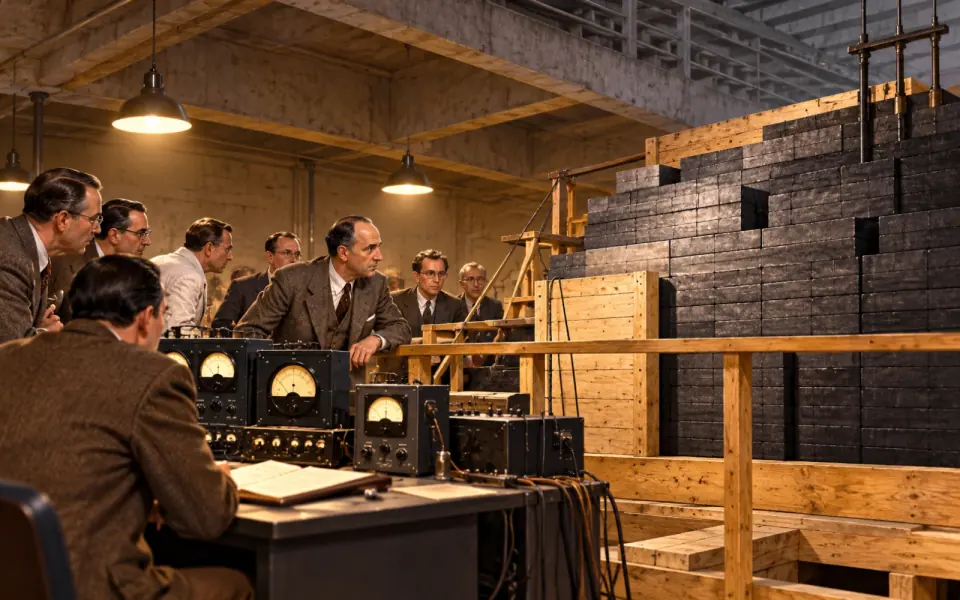 AfterFermi and the first atomic pile1942
 AfterThe Italian Resistance1943–1945
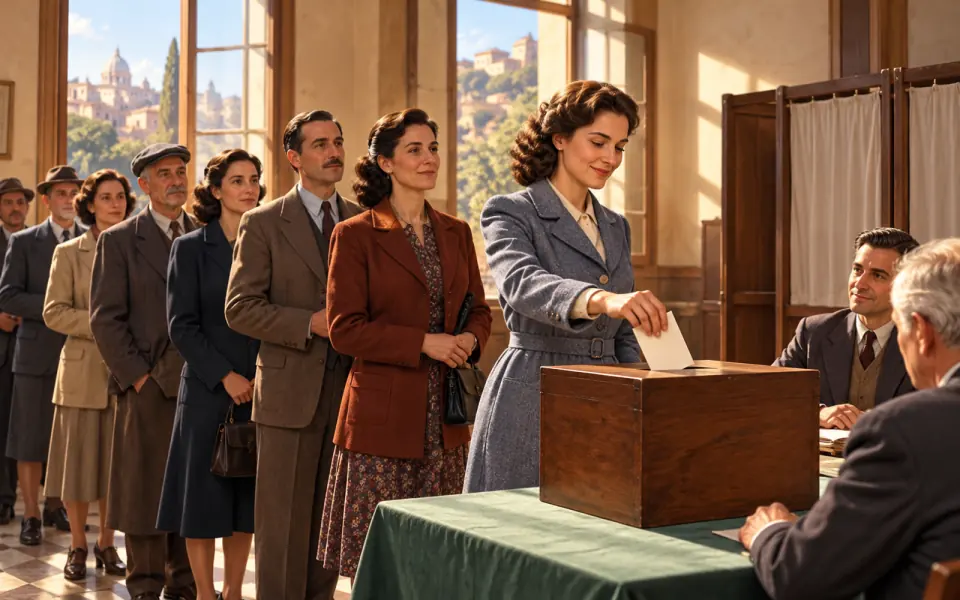 AfterThe Italian Republic and votes for women1946
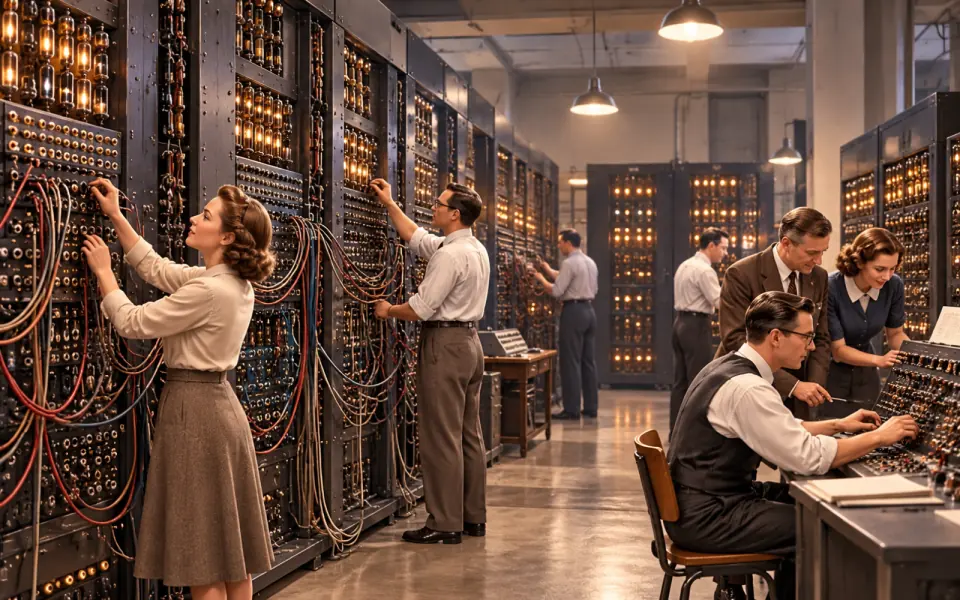 AfterThe first general-purpose electronic computer1946
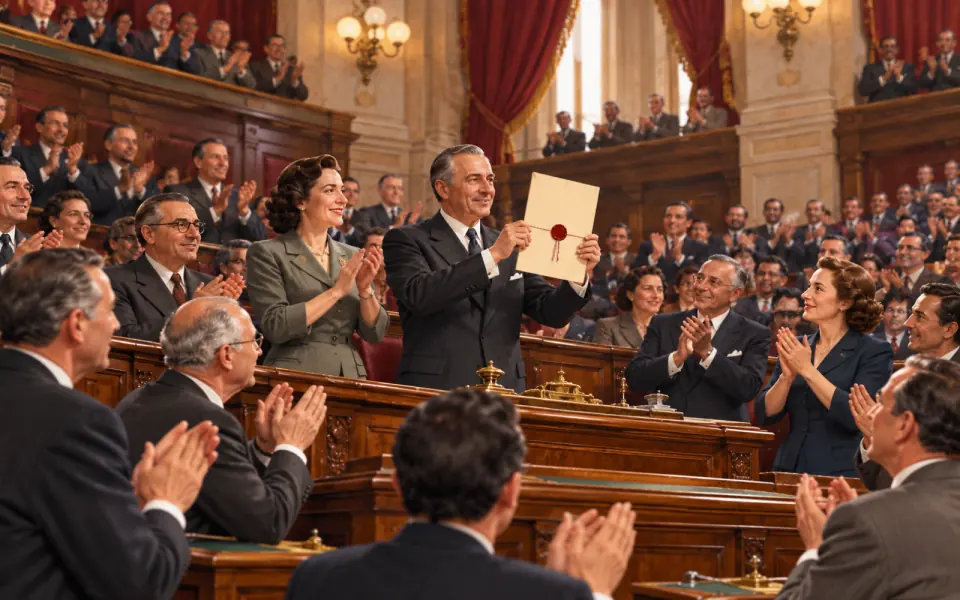 AfterThe Italian Constitution1948
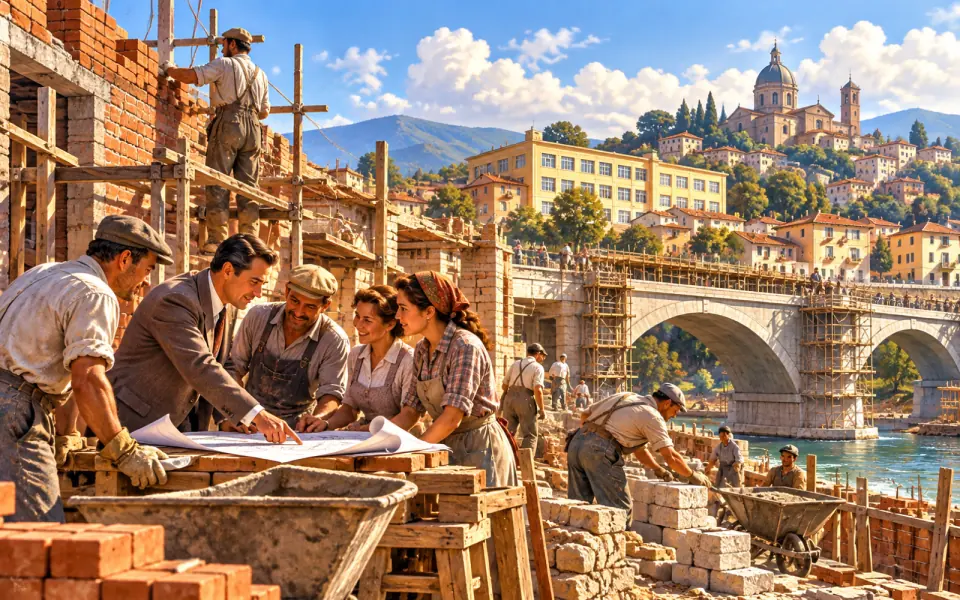 AfterPost-war rebuildingabout 1948
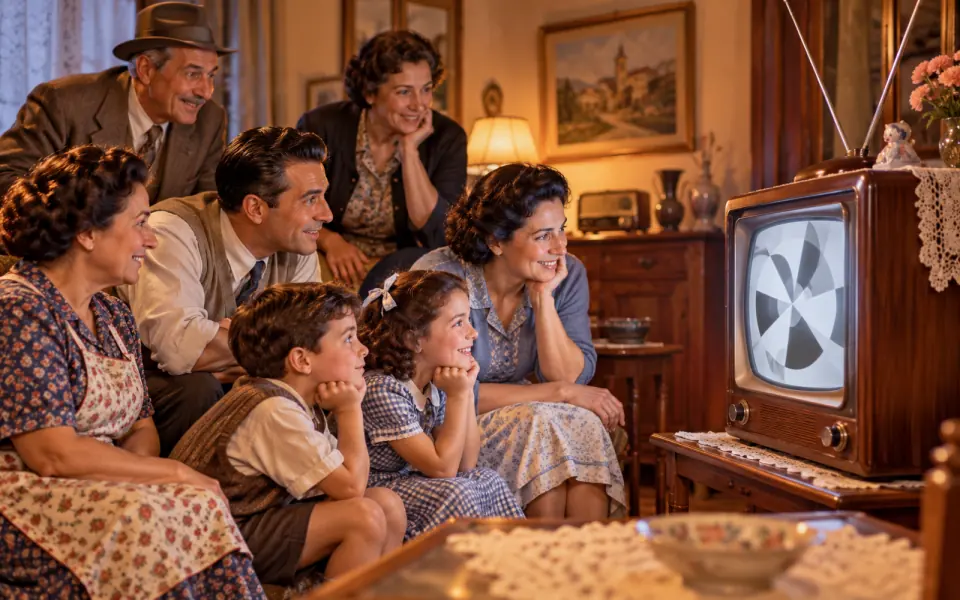 AfterTelevision spreadsabout 1950
Listen / Read next
- Music to read by: Cinematic JourneyEpic film-style music, no lyrics, by Ciro Simone IrmiciSpotifyYouTube Music
Meanwhile, elsewhere in the world
Other events of the era “Early 20th century”
- The first powered flight
- Special relativity
- Maria Montessori's Children's House
- Abstract art
- Marie Curie and her two Nobel Prizes
- The First World War
- The Russian Revolution
- Radio for everyone
- Jazz spreads
- Insulin against diabetes
- Totalitarian regimes in Europe
- Talking pictures
- The discovery of penicillin
- The Great Depression
- Picasso's Guernica
- The Second World War
- Anne Frank writes her diary
- Fermi and the first atomic pile
- The Italian Resistance
- The Italian Republic and votes for women
- The first general-purpose electronic computer
- The Italian Constitution
- Post-war rebuilding
- Television spreads
