Luther and the Reformation
1517 Wittenberg, Germany
In short
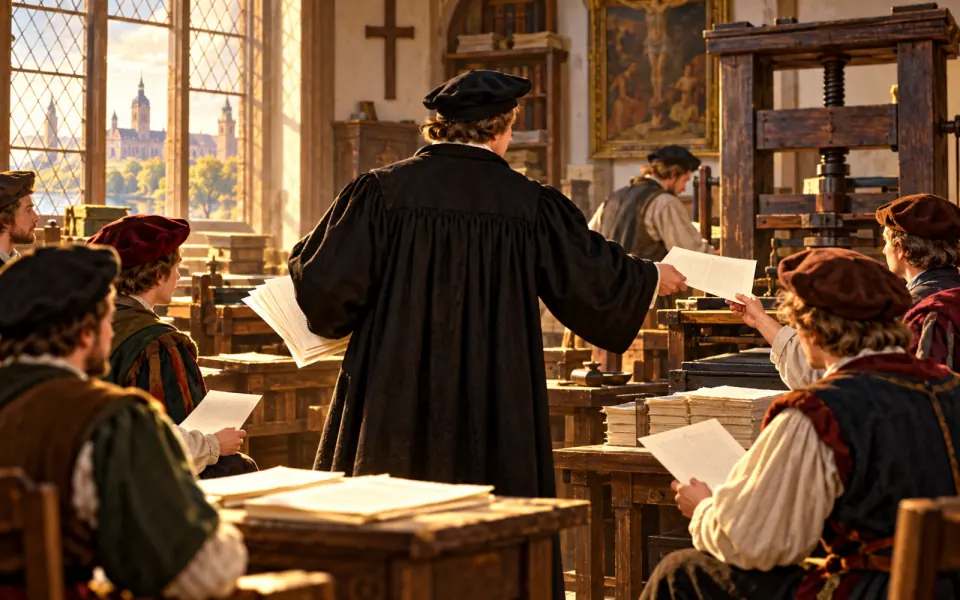
Martin Luther was a monk and a professor of theology in Wittenberg, in Germany. In 1517 he made public 95 Theses criticising the sale of indulgences, the reduction of punishment for sins obtained even by giving money. His ideas, spread quickly thanks to printing, led to a break with the Church of Rome. Luther also translated the Bible into German, so that everyone could read it.
Why it matters With the Protestant Reformation, Western Christianity split into several Churches, and Europe was changed for centuries.
Source: Treccani, entry “Lutero, Martin”
Study card about 4 minutes of reading
The story
A restless monk
Martin Luther was born in 1483 at Eisleben, in Germany, into a family of miners who grew wealthy over time. His father wanted him to become a lawyer, but in 1505, caught in a violent thunderstorm, Luther promised to become a monk if he survived. He entered the Augustinian monastery, studied theology and became a professor at the University of Wittenberg, a small town in Saxony. He was a conscientious man, tormented by the fear of not being good enough for God.
Studying the Bible, and in particular the letters of St Paul, Luther arrived at an idea that changed his life: salvation is not earned through works or payments, but is a free gift of God, received through faith. For this reason he began to find some practices of the Church of his time wrong.
Indulgences
In 1517 a Dominican friar, Johann Tetzel, was travelling round Germany selling indulgences: documents by which, in exchange for a gift of money, the Church promised to reduce the punishments for sins, even for dead relatives. The money was meant partly to finance the building of the new basilica of St Peter's in Rome and partly to pay the debts of an archbishop, Albert of Brandenburg. Luther thought this practice scandalous, because it gave the impression that forgiveness could be bought.
On 31 October 1517 Luther wrote ninety-five theses, that is, short sentences in Latin, inviting people to discuss indulgences in public, and sent them to the archbishop. A tradition, which began some years later, says that he nailed them to the door of the castle church in Wittenberg: historians are not sure it happened exactly like that. But someone had them printed and translated into German, and within a few weeks they were read all over Germany.
“Here I stand”
Pope Leo X at first gave the matter no importance, then asked Luther to take back his words. Luther refused. In 1520 he wrote some books in which he denied the authority of the Pope and criticised the sacraments, and in January 1521 he was excommunicated. He was then summoned to Worms, in Germany, before the emperor Charles V and the princes of the Empire, for the Diet, that is the assembly, of 1521. There, on 18 April, in front of everyone, he again refused to take back his words. The story goes that he ended with the words “Here I stand, I can do no other”, but historians doubt that he really said them.
The emperor declared him an outlaw, but Luther was protected by Prince Frederick the Wise of Saxony, who had him kidnapped and hidden in Wartburg Castle. There, disguised as a knight, Luther translated the New Testament into German in a few months. The translation, published in 1522, was hugely successful and helped to fix the written German language.
After Luther
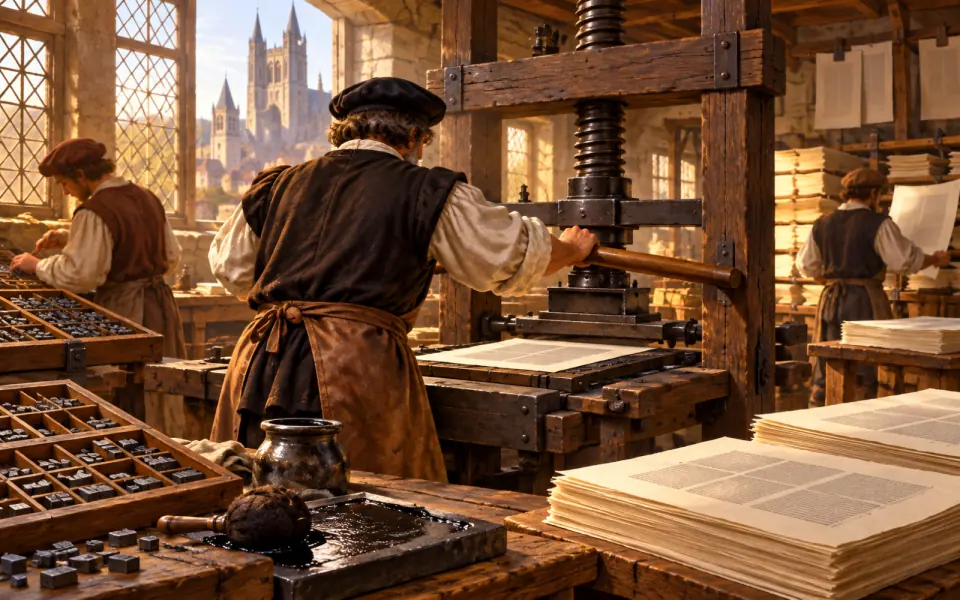
Luther's ideas spread quickly thanks to printing, with pamphlets, songs and prints. Princes, towns and peasants took them up, sometimes for religious reasons, sometimes for political ones. In 1524–1525 the German peasants rebelled against their lords, and Luther, alarmed, wrote against them. In 1525 Luther married a former nun, Katharina von Bora, and they had six children.
The religious divisions led to decades of wars. With the Peace of Augsburg in 1555 it was agreed that each German prince could choose the religion of his subjects, Catholic or Lutheran. Luther died at Eisleben in 1546. In his life he also wrote things that we judge harshly today, such as violent attacks on Jews: they are a part of his story that historians do not hide.
Why it happened
The Catholic Church needed money for great building projects and wars, but many Christians, even clergy, criticised the luxury of the Roman court, the sale of offices and indulgences. Dissatisfaction had been widespread for some time.
The German princes saw in the discontent a chance to strengthen their independence from the Pope and the emperor. And printing allowed Luther's ideas to reach a great many people very quickly.
What changed
Christian Europe split into Catholics and Protestants. The name “Protestants” arose in 1529, when some princes protested against a decision of the imperial Diet. From the Reformation came the Lutheran Churches, and soon afterwards the Reformed Churches of Zwingli and Calvin.
The Catholic Church responded with the Counter-Reformation: the Council of Trent reformed the behaviour of the clergy and clarified doctrine. In many countries there were wars of religion, which reached their peak in the Thirty Years' War (1618–1648).
The new Churches encouraged reading the Bible in everyday languages and therefore schooling and literacy. The Christian world was never united again.
Key people and places
People
- Martin Luther
- German monk and theologian (1483–1546): he began the Protestant Reformation.
- Johann Tetzel
- Dominican friar (about 1465–1519): he preached indulgences in Germany.
- Leo X
- Pope from 1513 to 1521: he excommunicated Luther.
- Charles V
- Emperor from 1519 to 1556 (1500–1558): he declared him an outlaw at Worms.
- Frederick the Wise
- Elector of Saxony (1463–1525): he protected Luther.
Places
- Wittenberg
- Town in Saxony where Luther taught and where he wrote the theses.
- Worms
- German city where the Diet of 1521 was held.
- Wartburg Castle
- Fortress in Thuringia where Luther translated the New Testament.
Good to know
- The 95 Theses were written in Latin but were soon translated into German and printed.
- Luther translated the New Testament in a few months, during his stay at Wartburg.
- It is said that at Worms he said “Here I stand, I can do no other”: historians doubt it.
- The name “Protestants” arose in 1529, from a protest by some princes.
- Luther married a former nun, Katharina von Bora, and they had six children.
Find out more
- Wikipedia, “Martin Luther” en.wikipedia.org
- Wikipedia, “Ninety-five Theses” en.wikipedia.org
- Wikipedia, “Diet of Worms (disambiguation)” en.wikipedia.org
- Wikipedia, “Reformation” en.wikipedia.org
Related events
- Gutenberg prints the Bibleabout 1455 · Early modern ageLuther's ideas spread thanks to printing.
- The Council of Trent1545–1563 · Early modern ageThe Catholic Church responded with the Council of Trent.
- Raphael paints the Vatican Rooms1508 · Early modern ageRaphael was working in the Vatican just as money was being raised for the new St Peter's Basilica.
- Columbus's voyage1492 · Early modern ageIn the same period Europeans were exploring new continents.
Before and after, in the era “Early modern age”
Event 11 of 25
 BeforeRenaissance perspectiveabout 1420
 BeforeBrunelleschi completes the dome1436
 BeforeThe fall of Constantinople1453
 BeforeGutenberg prints the Bibleabout 1455
 BeforeLorenzo de' Medici in Florence1469
 BeforeLeonardo designs machinesabout 1485
 BeforeColumbus's voyage1492
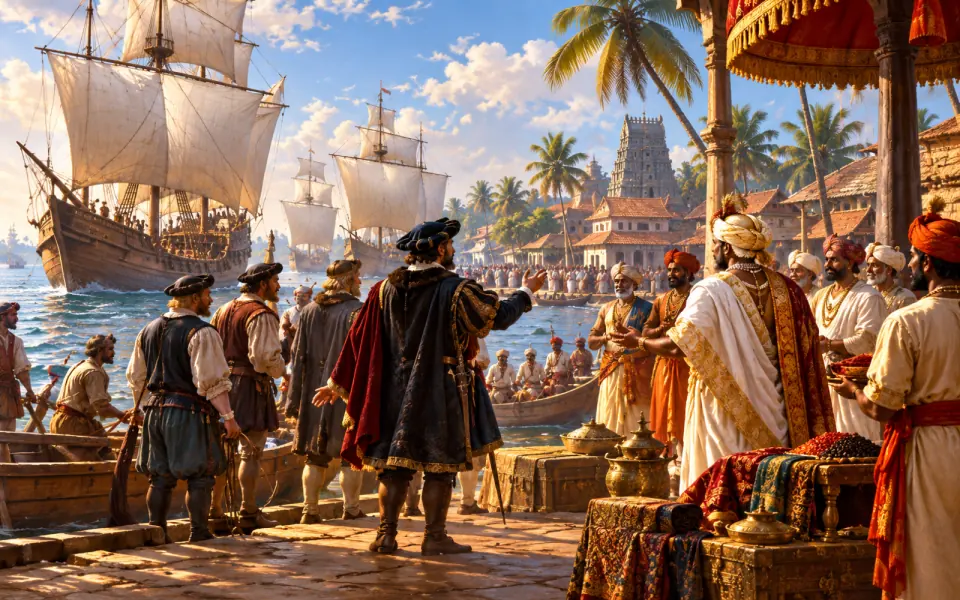 BeforeVasco da Gama reaches India1498
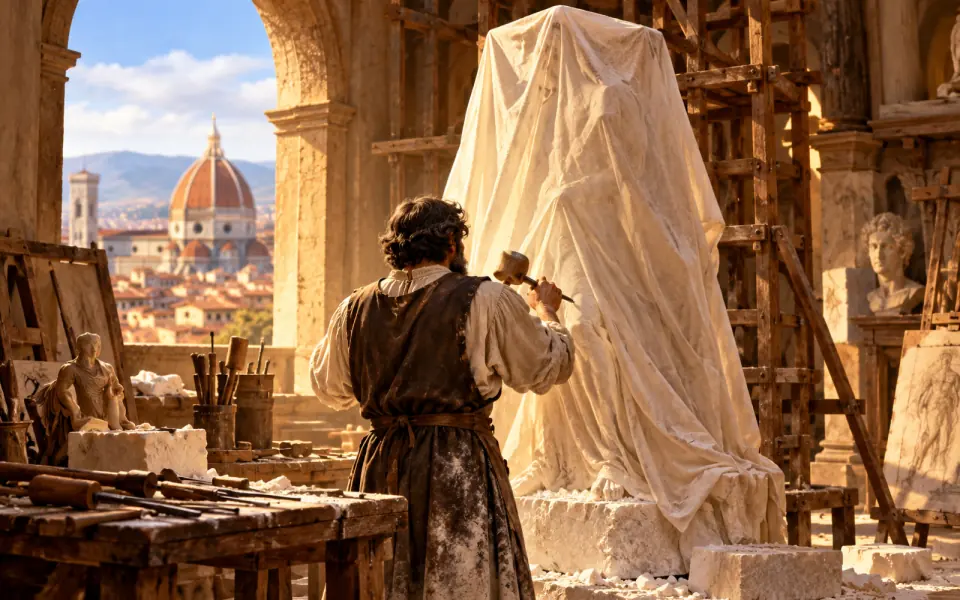 BeforeMichelangelo carves David1504
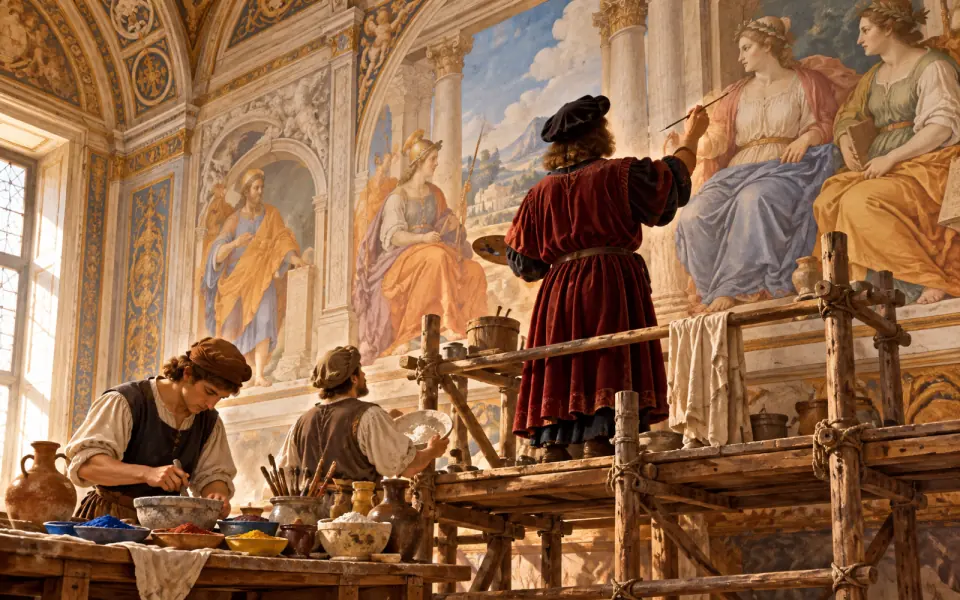 BeforeRaphael paints the Vatican Rooms1508
- You are hereLuther and the Reformation1517
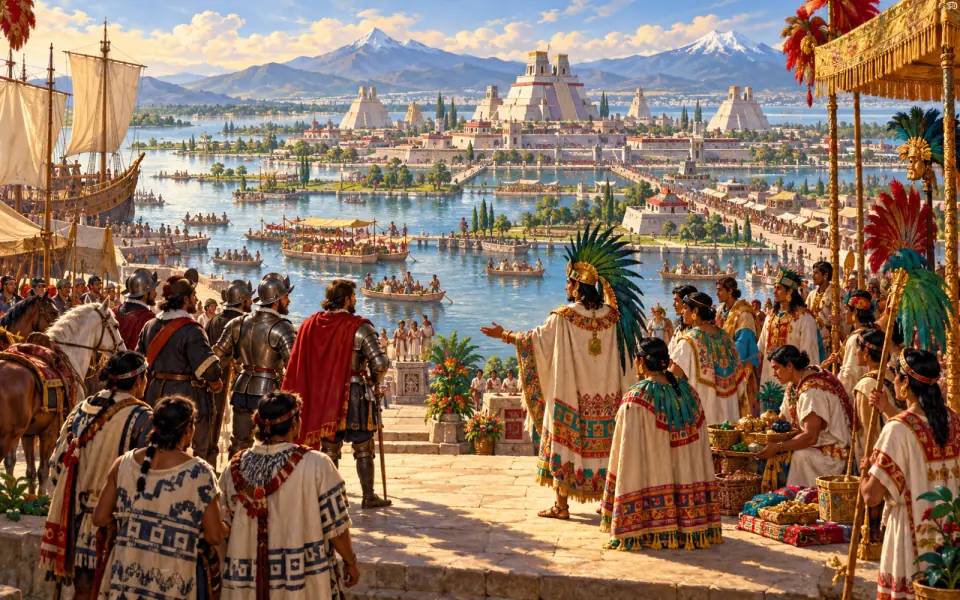 AfterThe conquest of Tenochtitlán1521
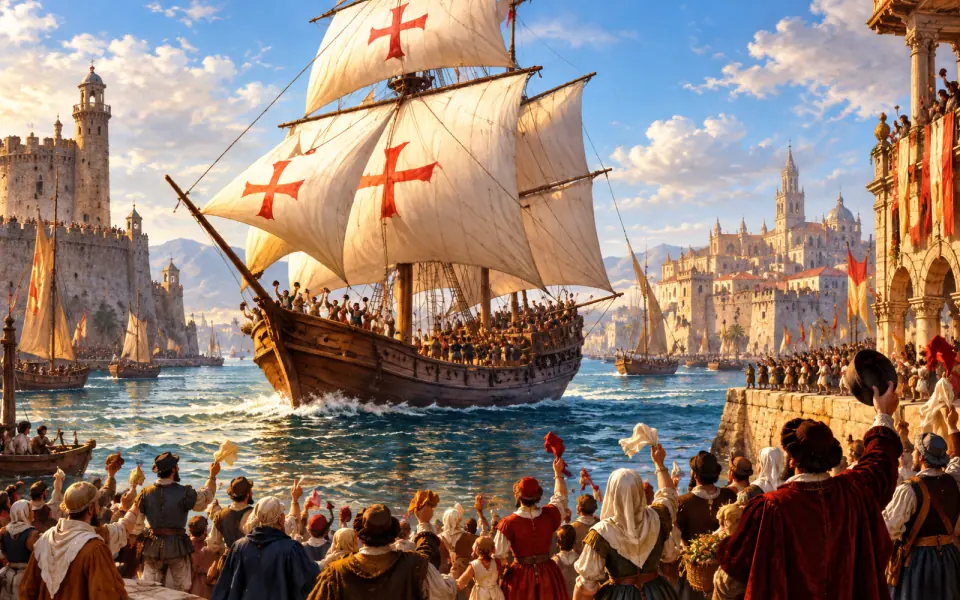 AfterThe first voyage round the world1522
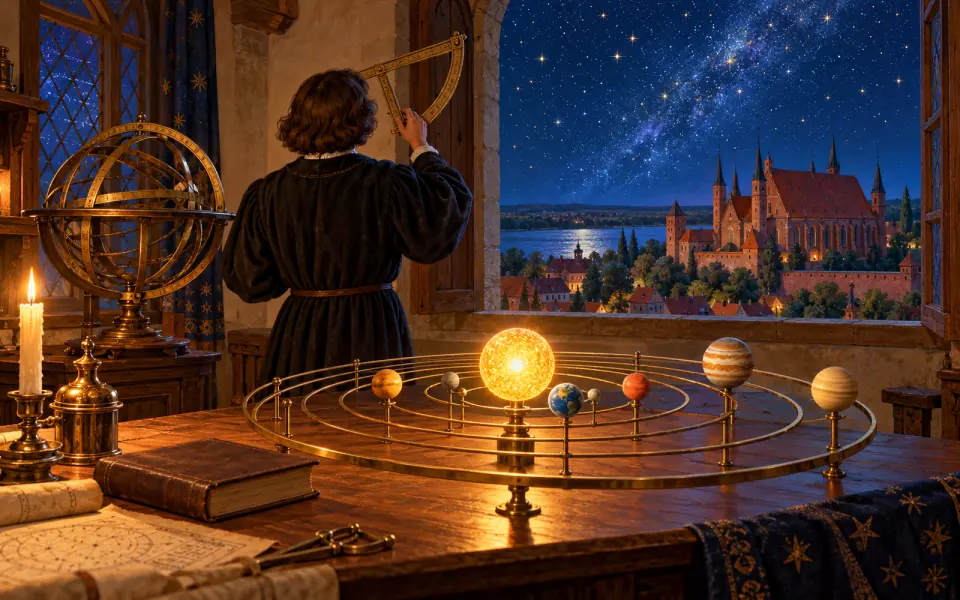 AfterCopernicus puts the Sun at the centre1543
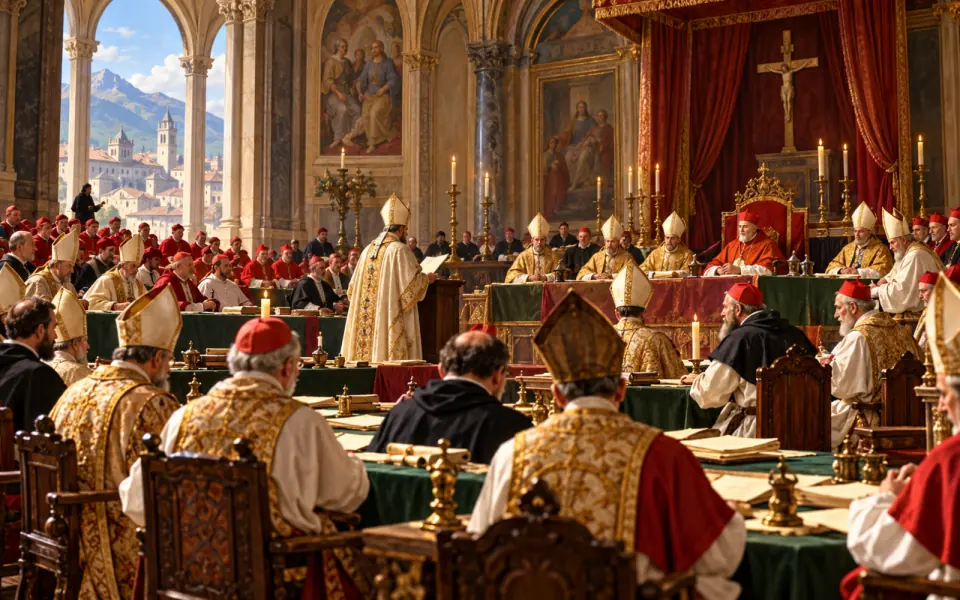 AfterThe Council of Trent1545–1563
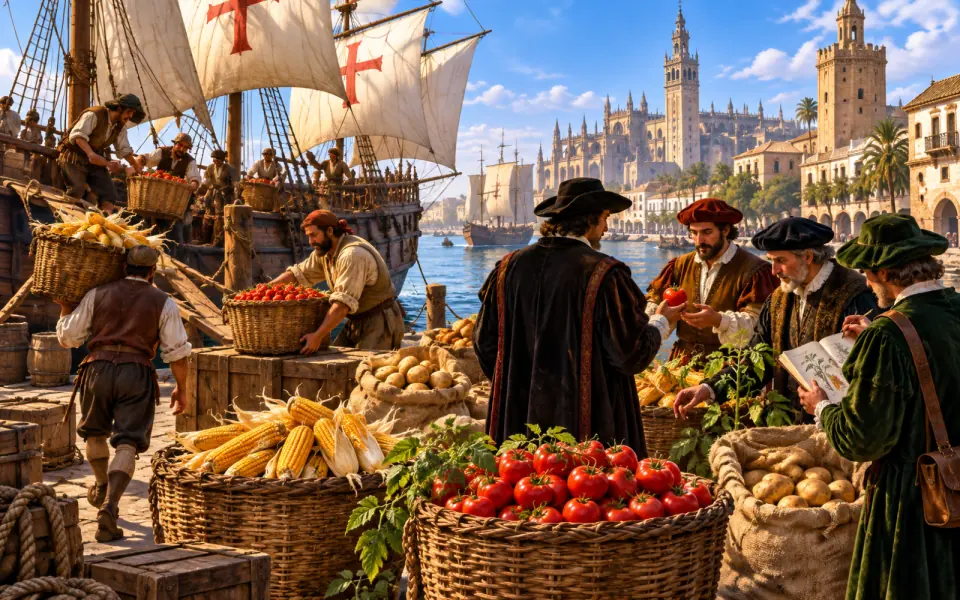 AfterTomatoes, maize and potatoes reach Europeabout 1550
 AfterThe Gregorian calendar1582
 AfterShakespeare's theatreabout 1590
 AfterRegular newspapers1605
 AfterGalileo turns his telescope to the sky1609
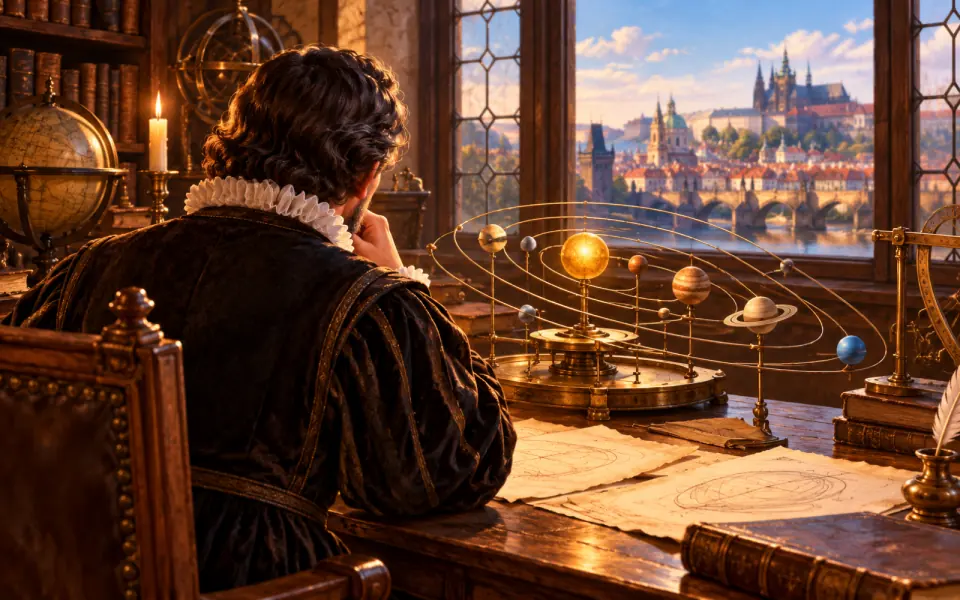 AfterKepler describes the orbits1609
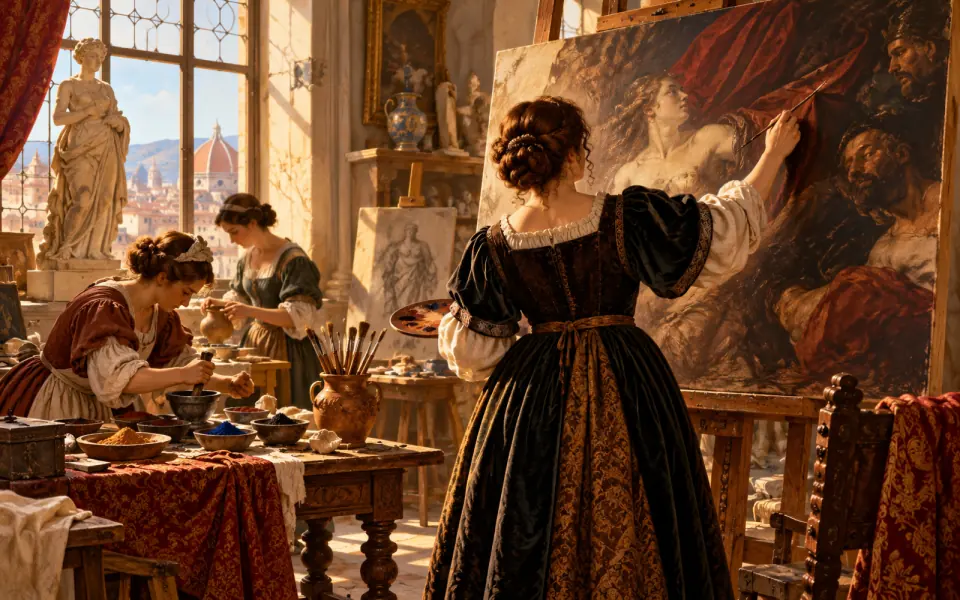 AfterArtemisia Gentileschiabout 1612
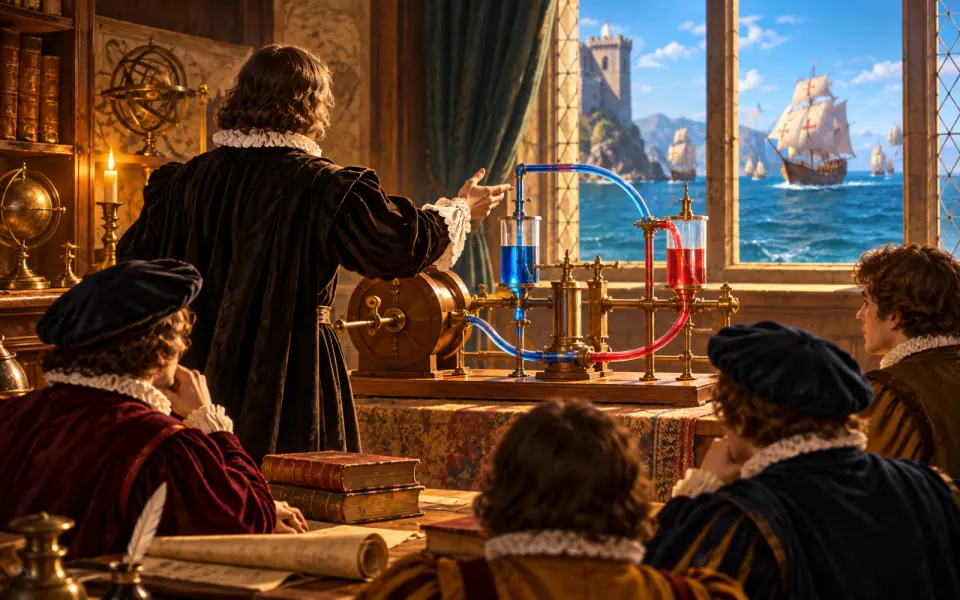 AfterHarvey studies the circulation of the blood1628
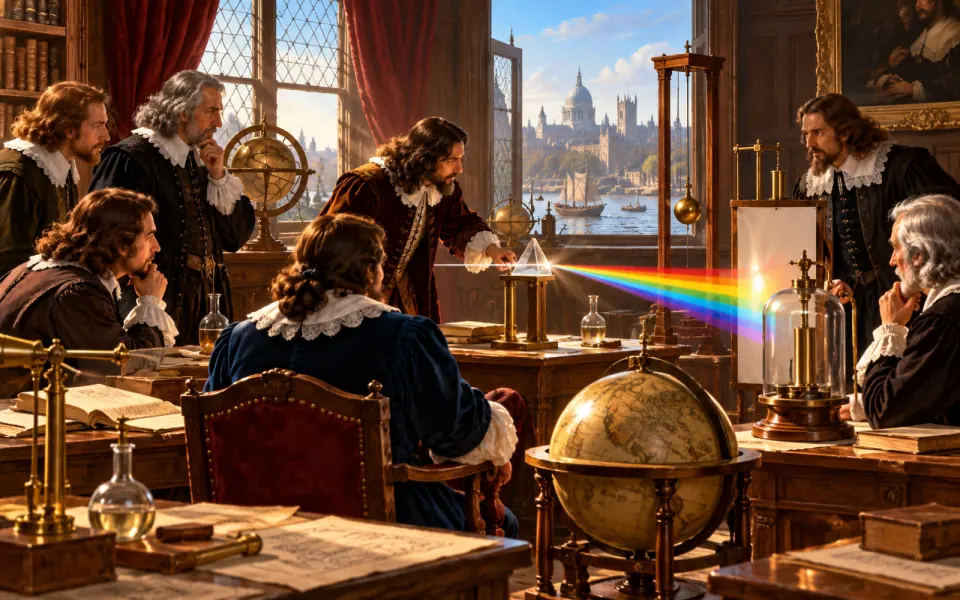 AfterScientific academies1660
 AfterNewton publishes the Principia1687
Listen / Read next
- Music to read by: Cinematic JourneyEpic film-style music, no lyrics, by Ciro Simone IrmiciSpotifyYouTube Music
Meanwhile, elsewhere in the world
Other events of the era “Early modern age”
- Renaissance perspective
- Brunelleschi completes the dome
- The fall of Constantinople
- Gutenberg prints the Bible
- Lorenzo de' Medici in Florence
- Leonardo designs machines
- Columbus's voyage
- Vasco da Gama reaches India
- Michelangelo carves David
- Raphael paints the Vatican Rooms
- The conquest of Tenochtitlán
- The first voyage round the world
- Copernicus puts the Sun at the centre
- The Council of Trent
- Tomatoes, maize and potatoes reach Europe
- The Gregorian calendar
- Shakespeare's theatre
- Regular newspapers
- Galileo turns his telescope to the sky
- Kepler describes the orbits
- Artemisia Gentileschi
- Harvey studies the circulation of the blood
- Scientific academies
- Newton publishes the Principia
