Era 9 of 12 · from 1453 to 1700
Early modern age
Between the 15th and 17th centuries Europe changes its face. In Italy artists and scholars rediscover the ancient world and invent a new way of painting, building and thinking: this is the Renaissance. Printing with movable type makes books and ideas travel faster than ever. European navigators cross the oceans and meet peoples and continents they did not know, often with terrible consequences for the people who lived there. Meanwhile scientists learn to study the sky and the human body with instruments and experiments.
In Italian schools it is usually studied in lower secondary year 2
The 25 events, in time order
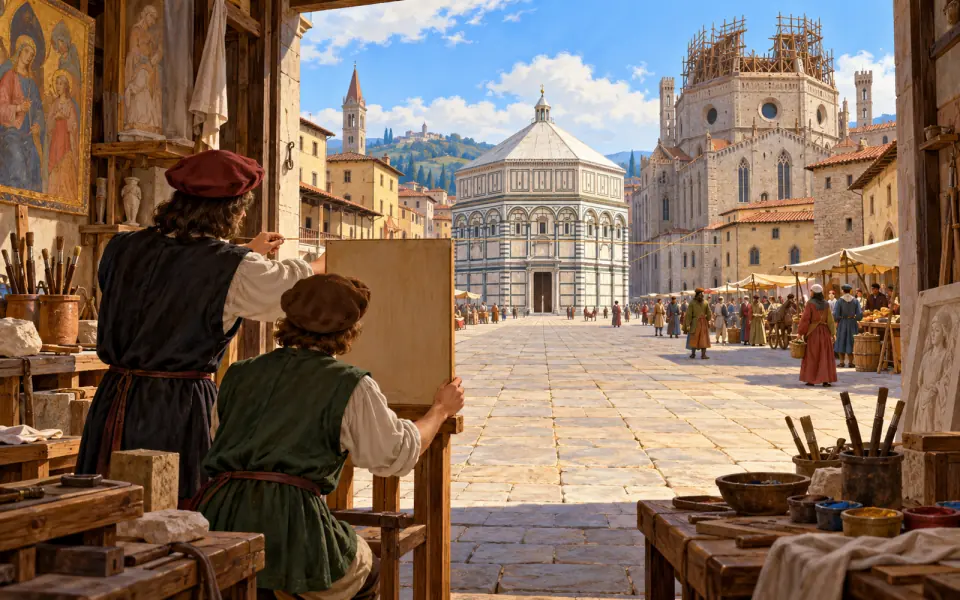 artRenaissance perspectiveabout 1420
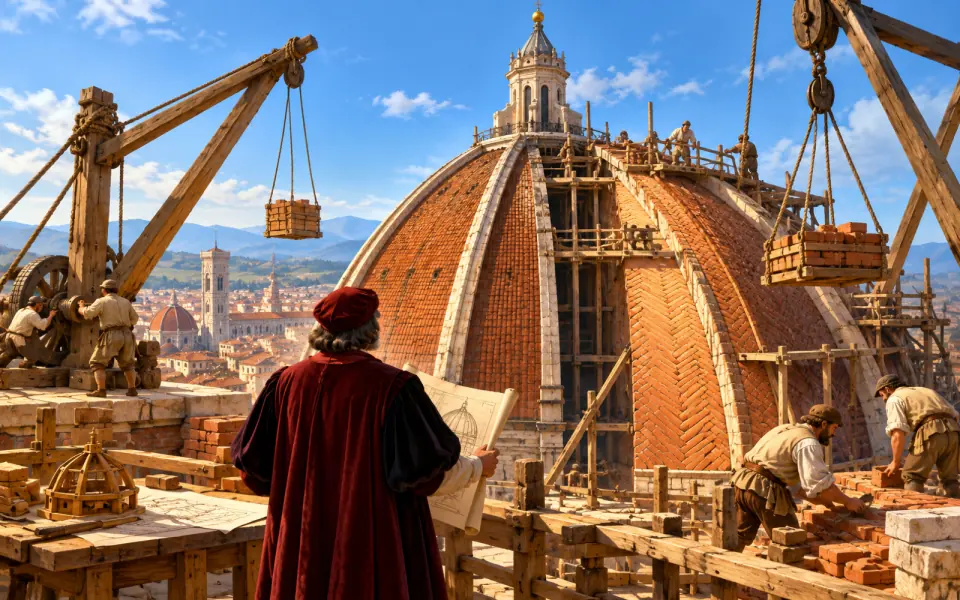 artBrunelleschi completes the dome1436
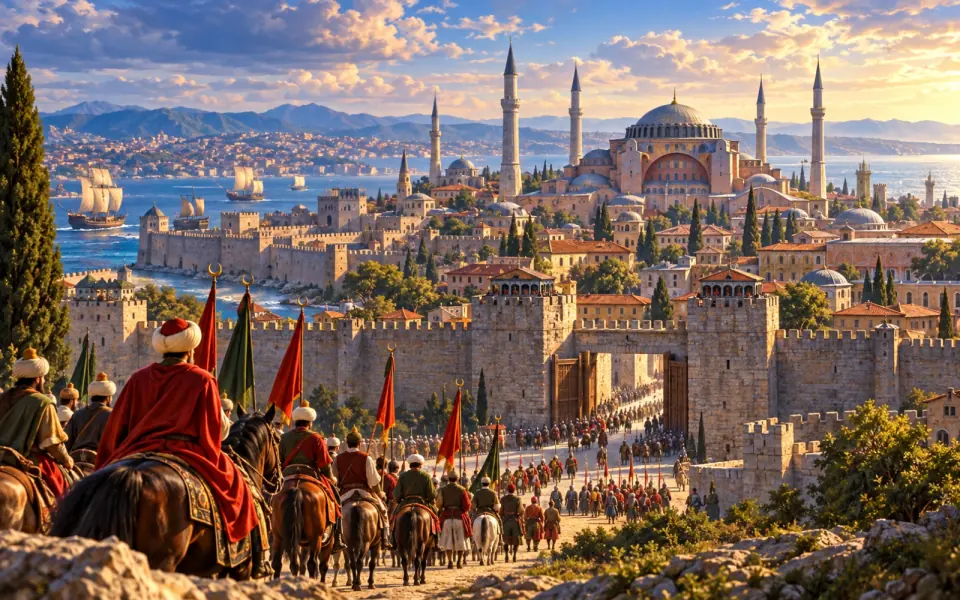 politicsThe fall of Constantinople1453
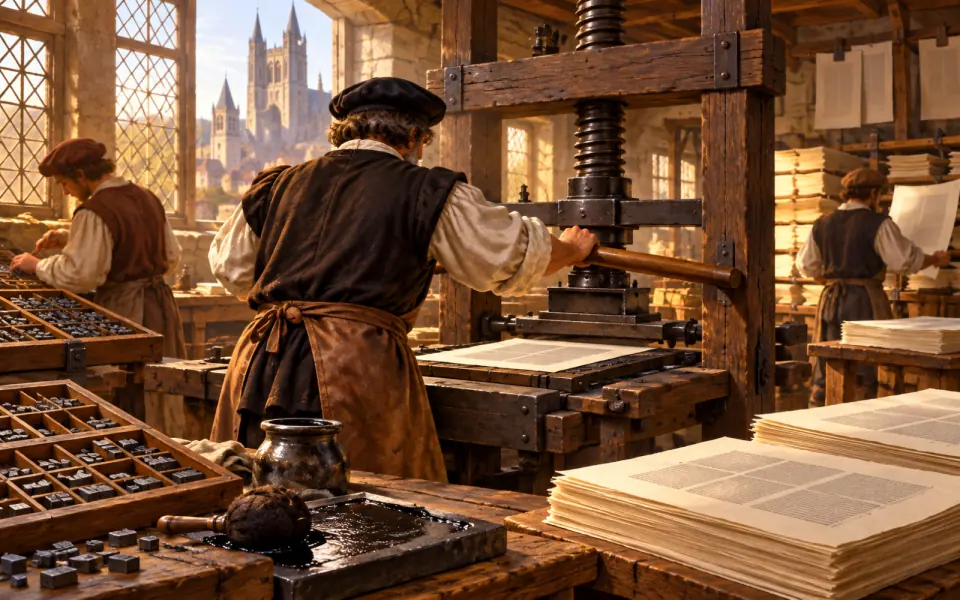 science and technologyGutenberg prints the Bibleabout 1455
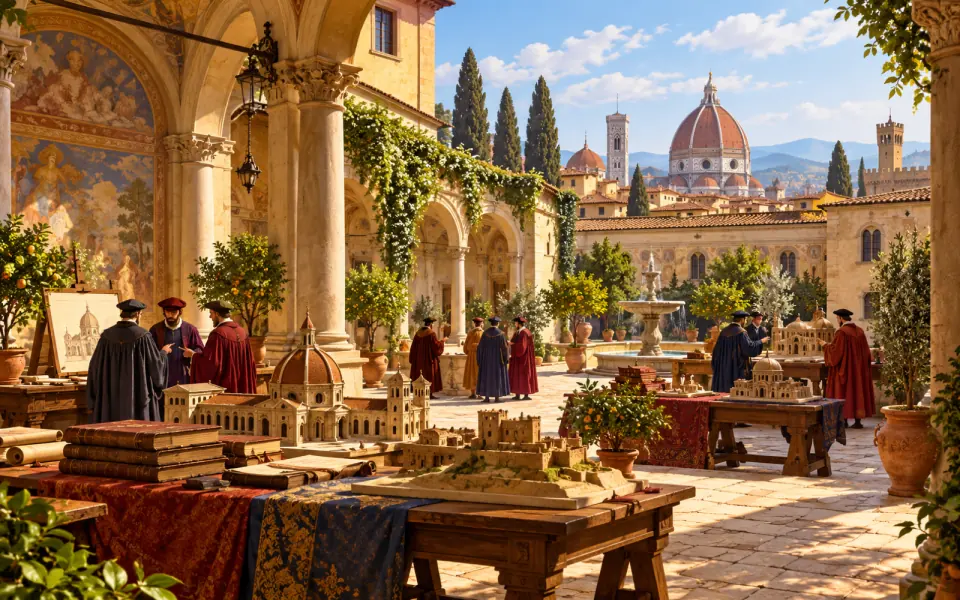 peopleLorenzo de' Medici in Florence1469
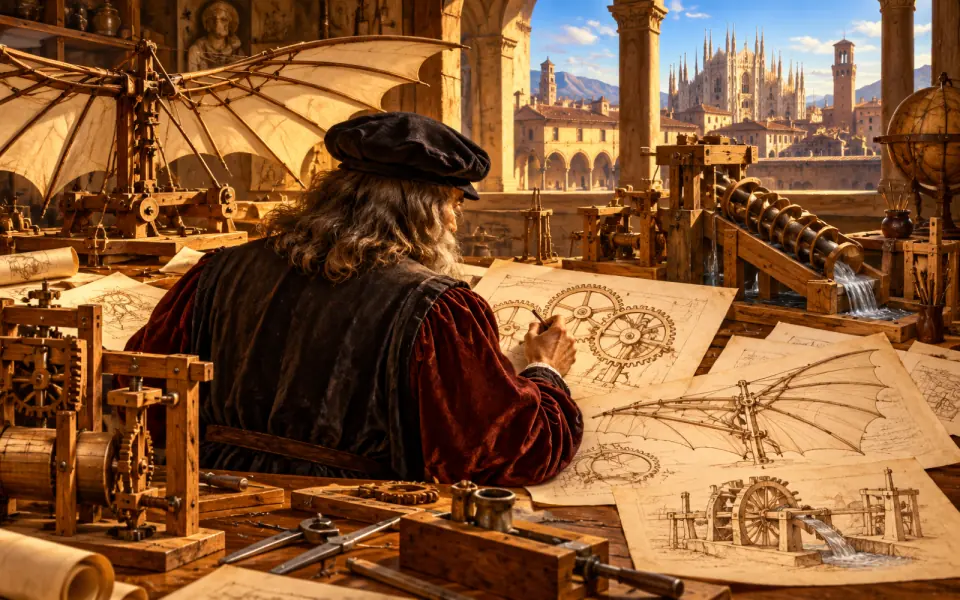 peopleLeonardo designs machinesabout 1485
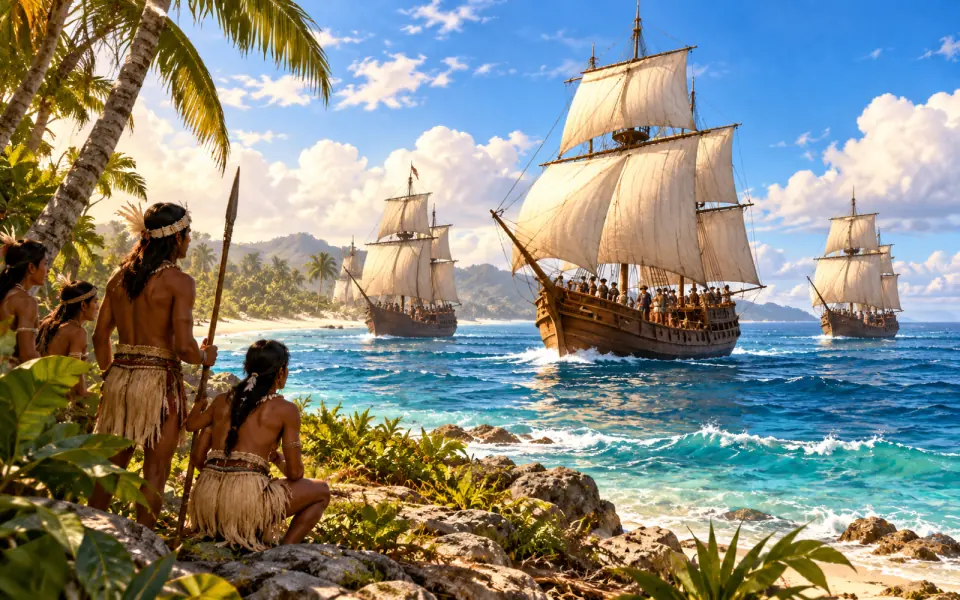 peopleColumbus's voyage1492
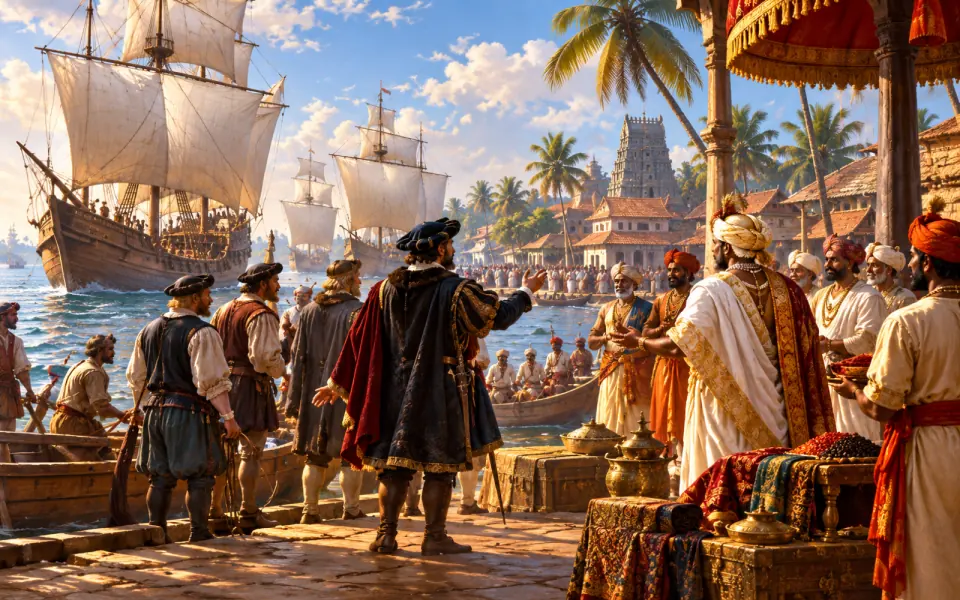 peopleVasco da Gama reaches India1498
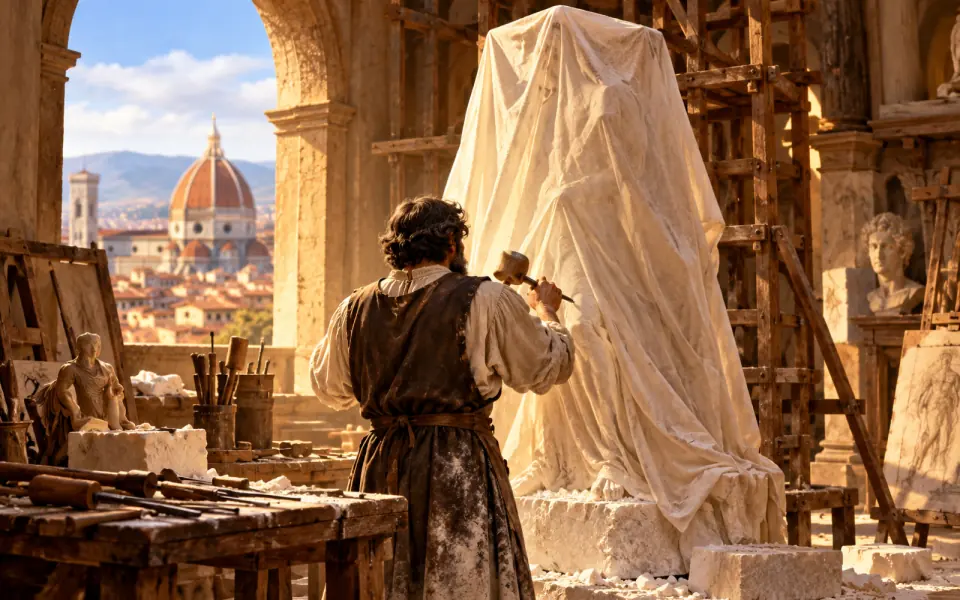 artMichelangelo carves David1504
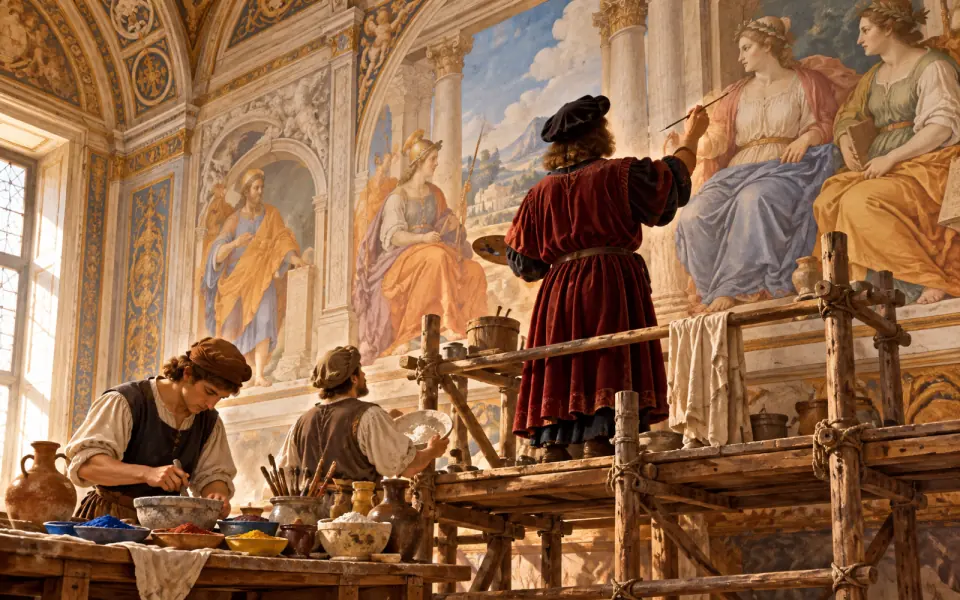 artRaphael paints the Vatican Rooms1508
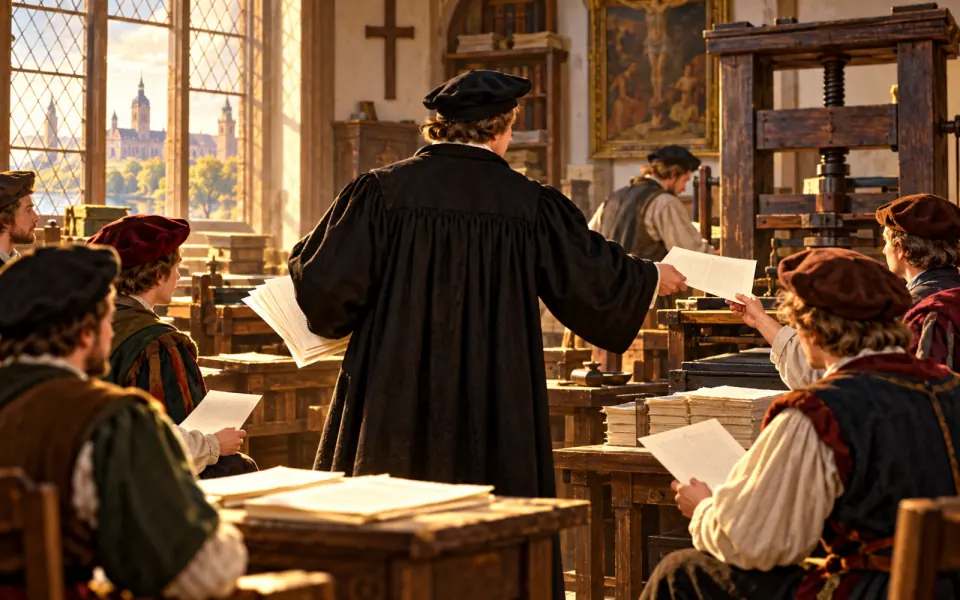 politicsLuther and the Reformation1517
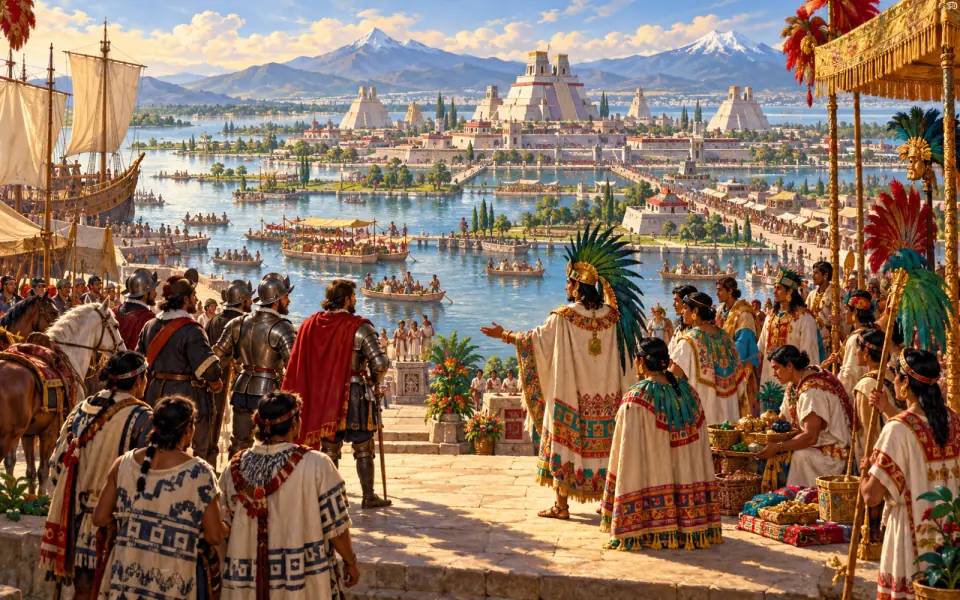 politicsThe conquest of Tenochtitlán1521
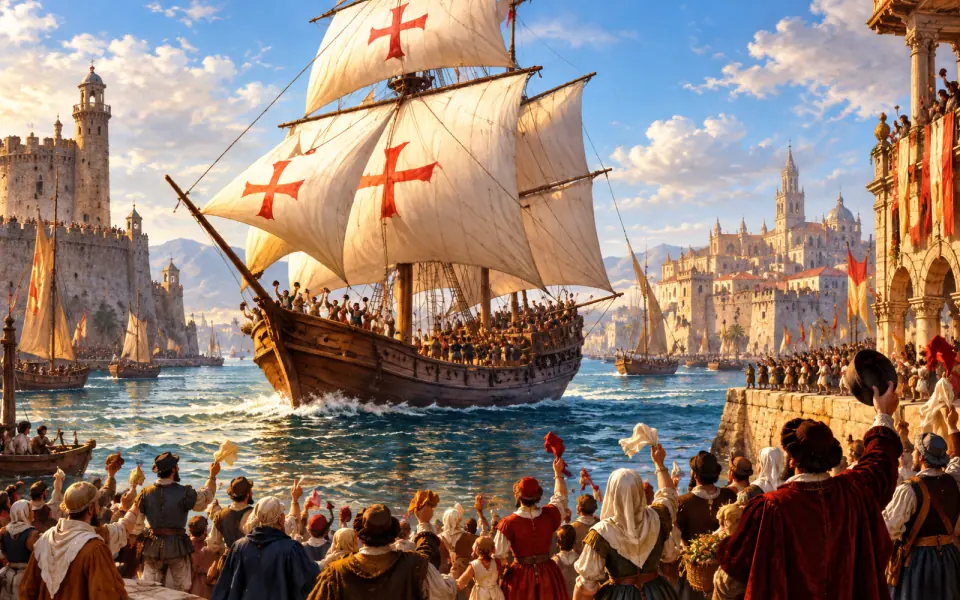 science and technologyThe first voyage round the world1522
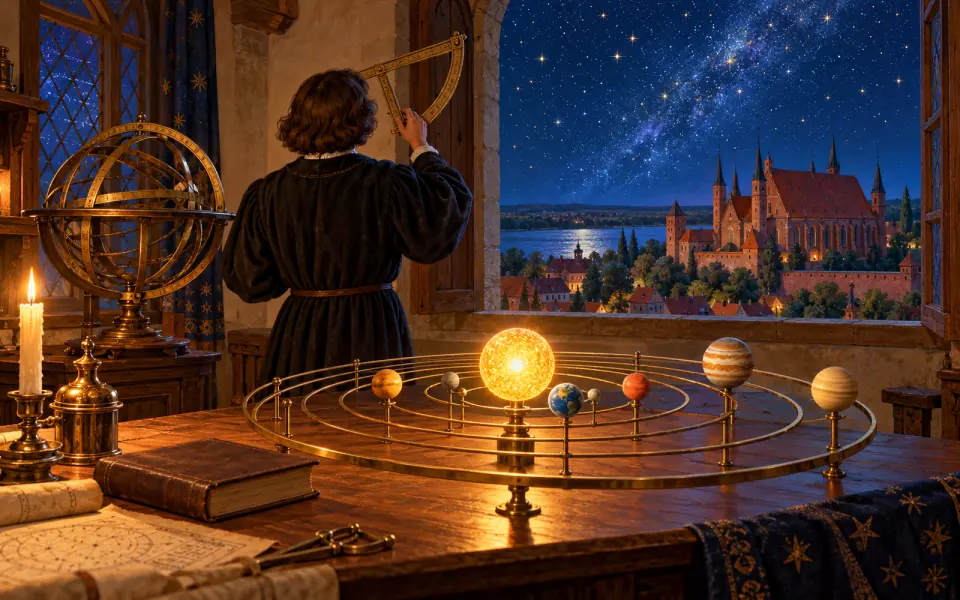 science and technologyCopernicus puts the Sun at the centre1543
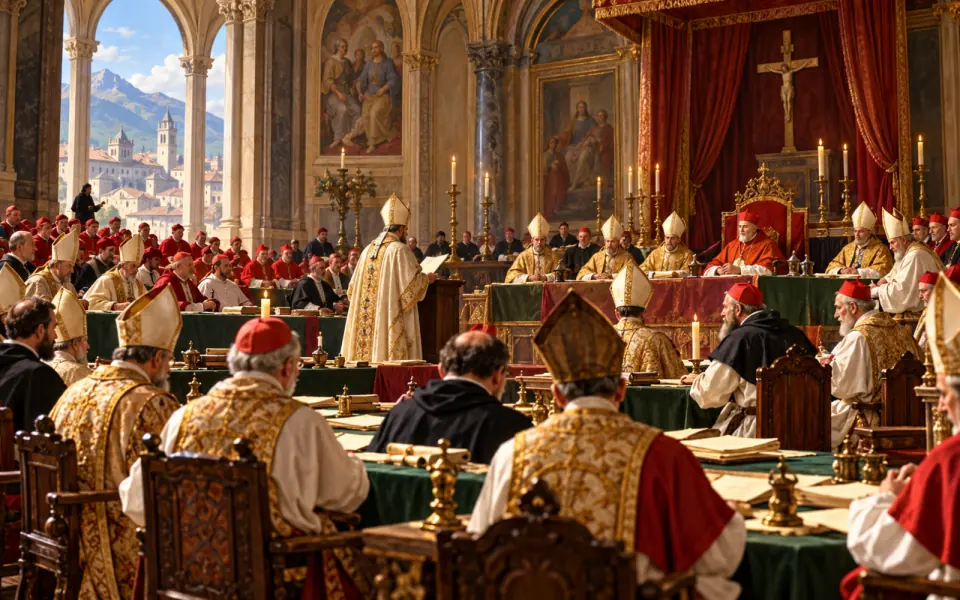 politicsThe Council of Trent1545–1563
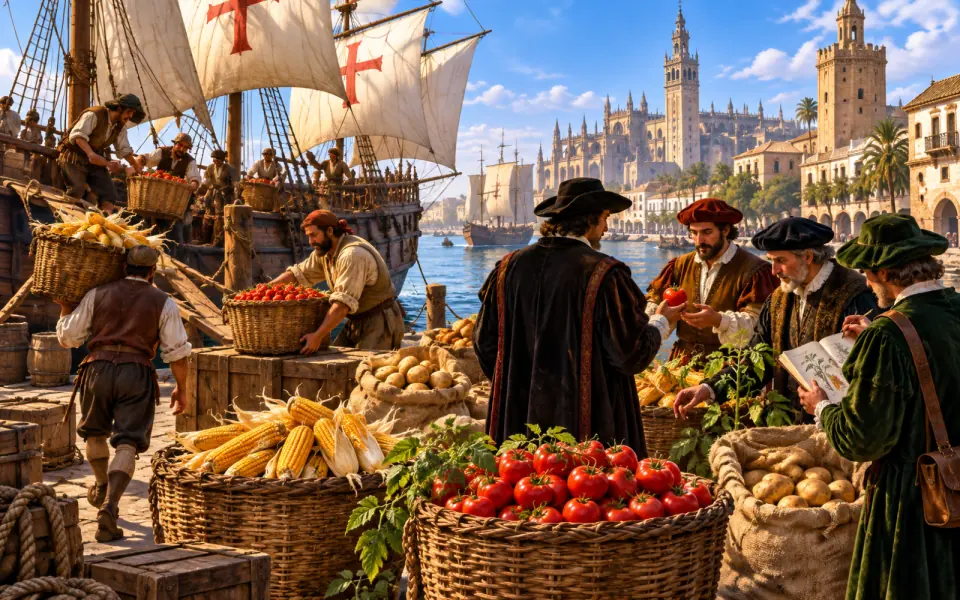 daily lifeTomatoes, maize and potatoes reach Europeabout 1550
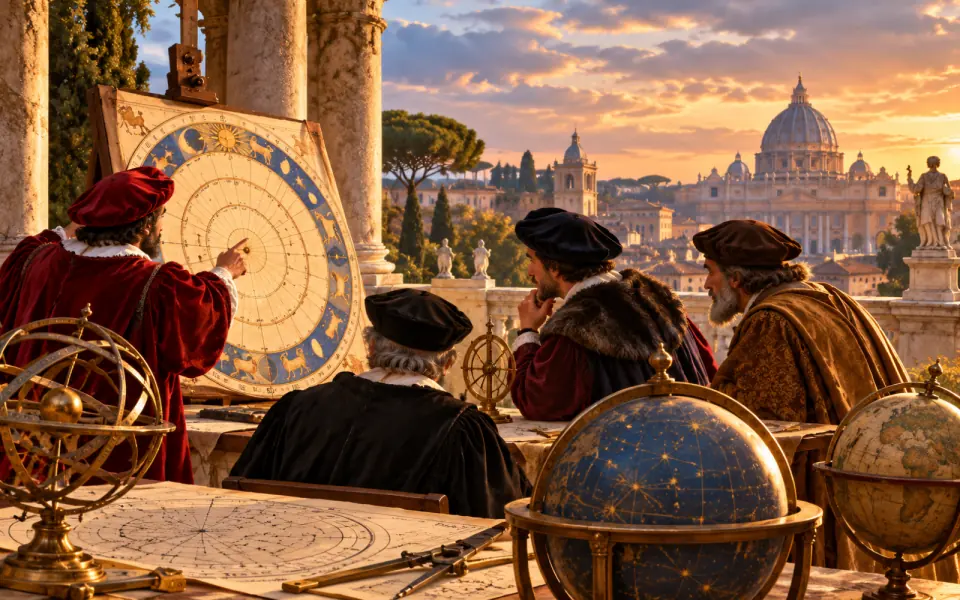 science and technologyThe Gregorian calendar1582
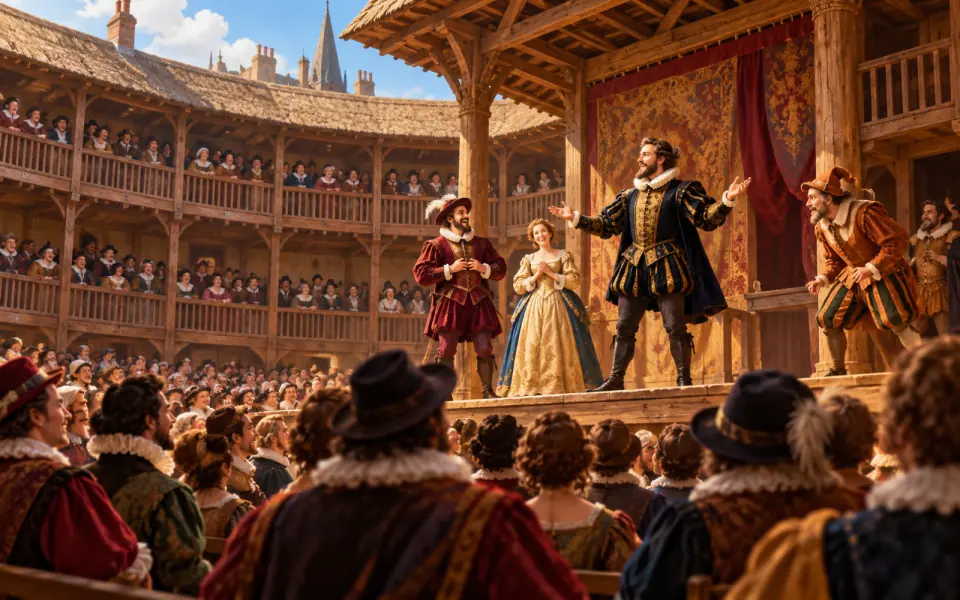 artShakespeare's theatreabout 1590
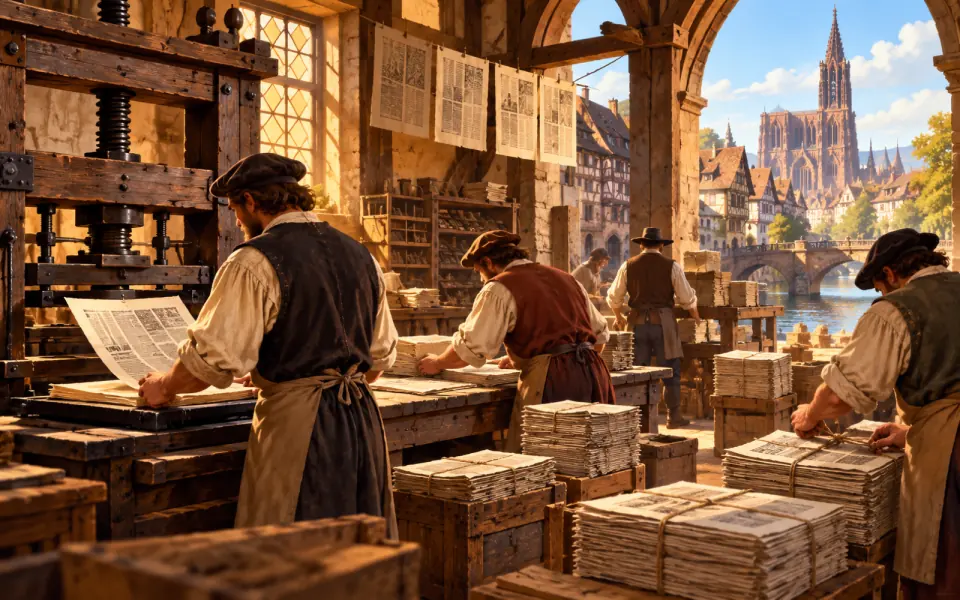 daily lifeRegular newspapers1605
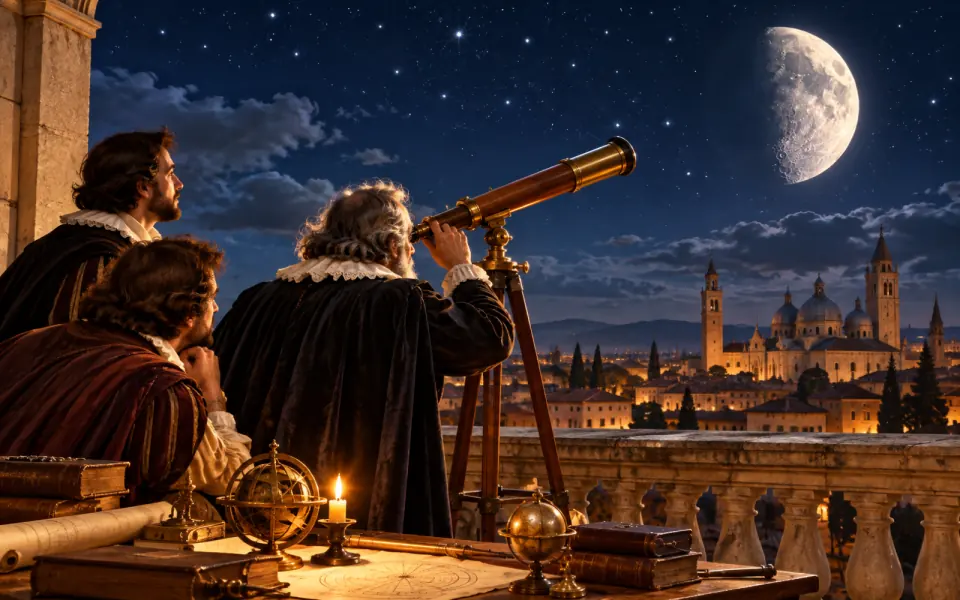 science and technologyGalileo turns his telescope to the sky1609
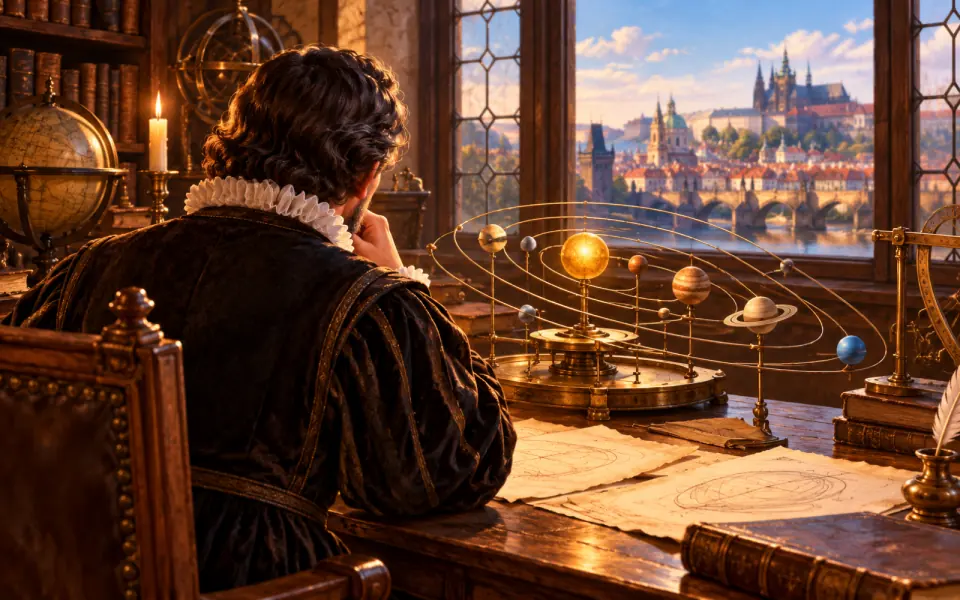 science and technologyKepler describes the orbits1609
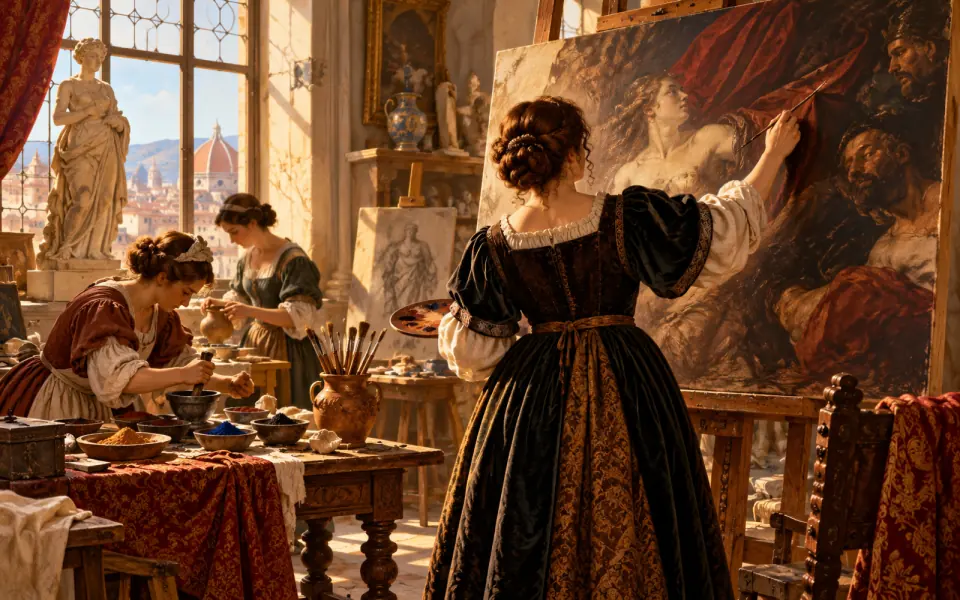 peopleArtemisia Gentileschiabout 1612
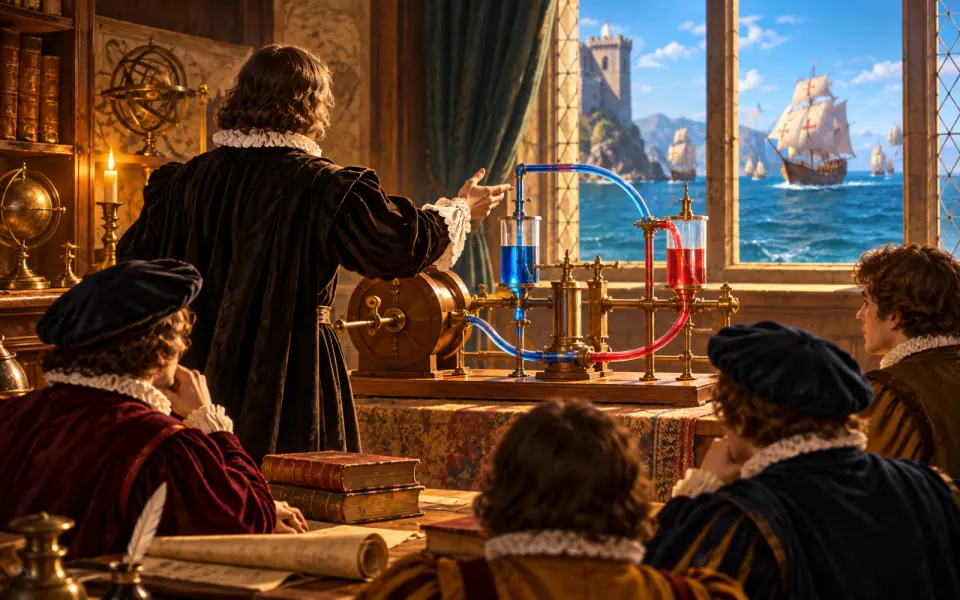 science and technologyHarvey studies the circulation of the blood1628
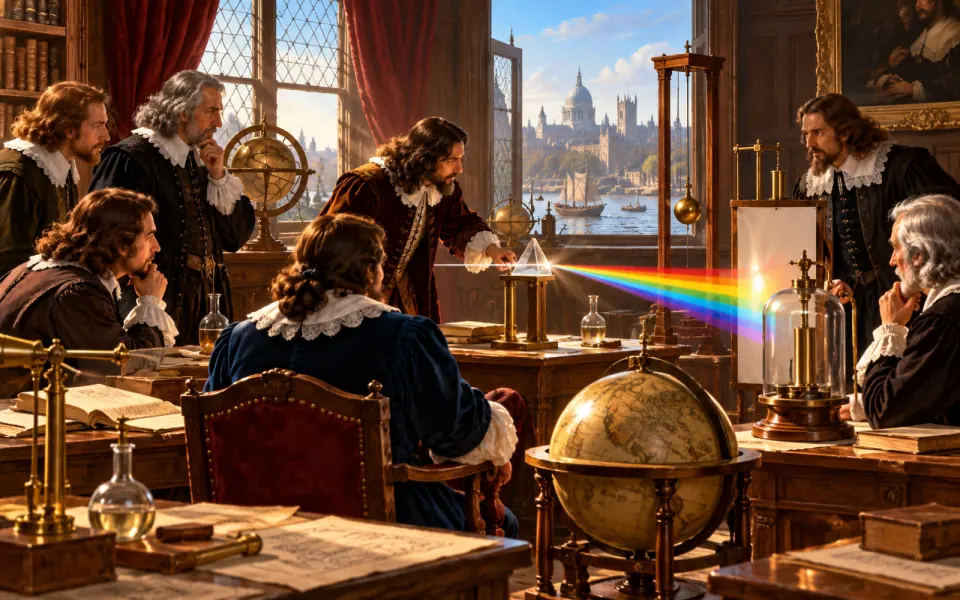 science and technologyScientific academies1660
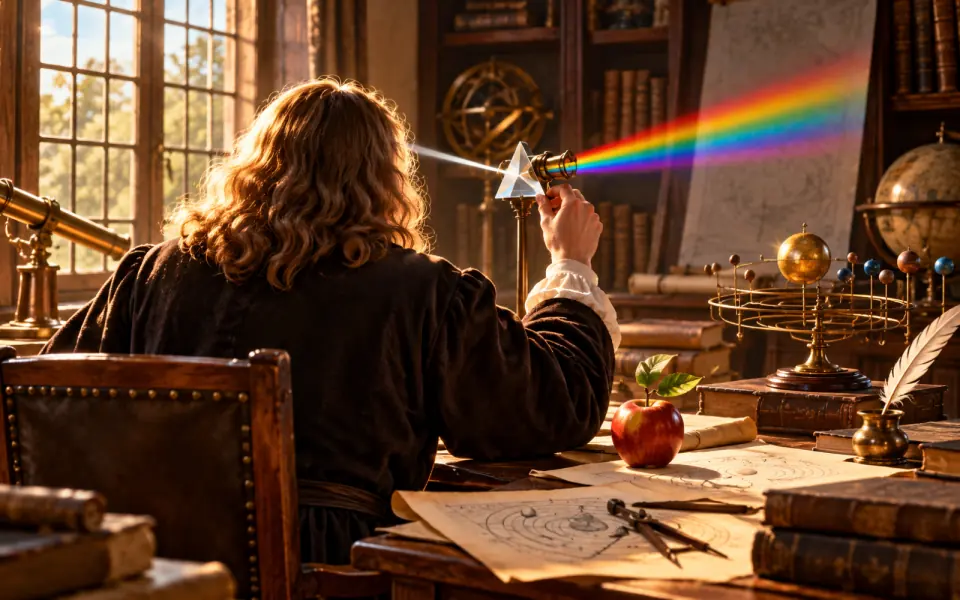 science and technologyNewton publishes the Principia1687
Did you know?
- Brunelleschi's dome weighs about 37,000 tonnes and is still the largest brick dome ever built.
- When the sailors came home from the first voyage round the world, they realised they had ‘lost’ a day: by always sailing west they had seen one sunset fewer than the people who stayed at home. Antonio Pigafetta noted it in his diary.
- Not everyone adopted the Gregorian calendar straight away: Great Britain and its colonies did so only in 1752, and Russia not until 1918.
Test yourself
Ten questions on the era: multiple choice, before or after, put in order, match.
Quiz: Early modern age