The Proto-Sinaitic alphabet
about 1800 BC Serabit el-Khadim, Sinai (Egypt)
In short
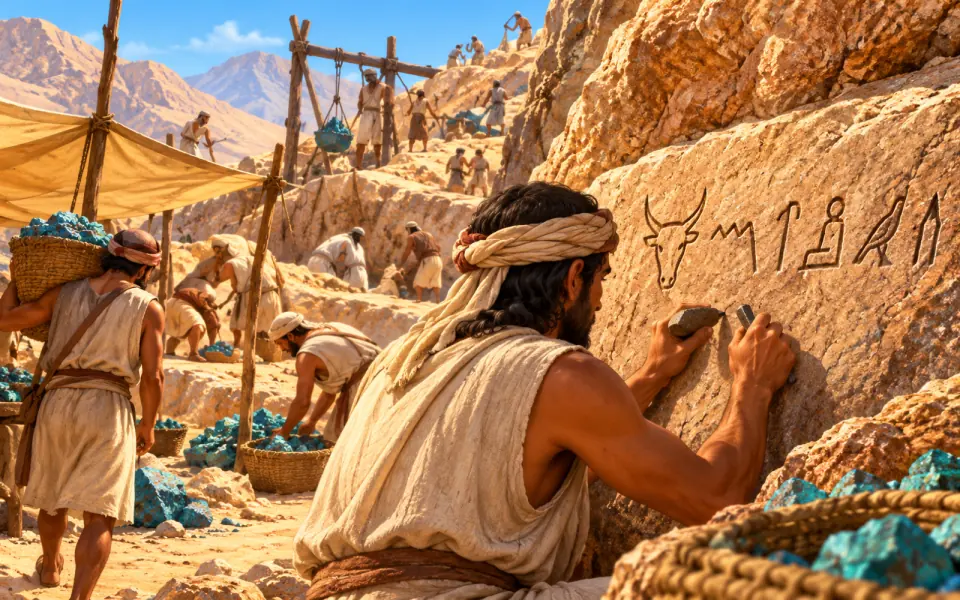
In the turquoise mines of Sinai, where many men from Canaan worked, short inscriptions have been found with signs borrowed from hieroglyphs. Each picture stood only for the first sound of the word it showed: an ox's head, for example, stood for the first sound of the word ‘ox’ in their language. A few dozen signs were enough to write any word, instead of the hundreds of hieroglyphs. It is the most distant ancestor of our alphabet.
Why it matters A system with just a few signs put writing within reach of many more people.
Source: Encyclopaedia Britannica, “Alphabet”
Study card about 6 minutes of reading
The story
Writing was a job for the few
Imagine having to learn to read and write with hundreds of different signs to remember by heart. In Egypt almost four thousand years ago that is how it was. Hieroglyphs were beautiful, but difficult: many signs stood for a whole idea, others for a syllable or a sound, and others only served to make the meaning clear. To become a scribe, that is, a professional writer, you had to study for years. Almost everyone else could not write at all.
Now imagine a group of foreign workers living far from home, in a remote place, who want to leave a simple message for a goddess. They have neither the time nor the means to learn hieroglyphs. So they invent a more convenient system. This is what scholars think happened in the Sinai desert.
The turquoise mines
In Sinai, a peninsula between Egypt and Palestine, lies Serabit el-Khadim, a rocky plateau where the Egyptians mined turquoise, a blue stone much prized for jewellery. The expeditions came from far away and, according to archaeologists' reconstruction, returned many times over about eight hundred years, above all in the 12th and 13th dynasties and then from the 18th to the 20th. On the spot stood a temple dedicated to Hathor, the Egyptian goddess who also protected miners and turquoise. According to scholars, among the workers were men from Canaan, the region that today corresponds to Israel, Palestine and Lebanon, and they spoke a Semitic language.
The Petries' discovery
In the winter of 1904–1905 the English archaeologist Flinders Petrie and his wife Hilda explored Serabit el-Khadim. They found, carved on two small statues and a small sphinx, inscriptions that were neither hieroglyphs nor anything else known: signs that looked like drawings, such as a house, an eye, an ox's head, but set in order like letters. Scholars called them “Proto-Sinaitic”, that is, “the very first ones of Sinai”. We know of about thirty or forty, counting complete inscriptions and fragments.
How they are read
For more than ten years nobody managed to read them. Then, in 1916, the English Egyptologist Alan Gardiner had a flash of insight. He noticed that one sequence of signs came up often, and thought it must be an important word, suitable for a dedication. Assuming the language was Semitic, he read it as “to the Lady”, that is, to the goddess, who in the temple was Hathor, and an Egyptian formula found on the spot, “beloved of Hathor, lady of turquoise”, seemed to confirm it.
The principle behind it is called acrophony, and you can understand it with an example. The sign of the house in a Semitic language was called “bayt”. That drawing no longer meant “house”: it only stood for the sound “b”, the one the word begins with. The ox's head, “alef”, stood for the sound that word begins with; water, “mem”, for the sound “m”. With a few dozen drawings like these you could write any word of the language, without learning hundreds of signs. It was a simple and revolutionary idea.
When and where
The dates are debated. For the Sinai inscriptions many scholars think of the 17th or 16th century BC, others of about 1800 BC, in the time of Amenemhat III, a pharaoh of the 12th dynasty. In 1999 the American Egyptologists John and Deborah Darnell, in Middle Egypt, in the valley of Wadi el-Hol, near a road that joined Thebes and Abydos, discovered two more inscriptions of the same kind, dated to around 1900–1800 BC. This is a sign that the invention was not born only in Sinai and that it may already have been widespread in Egypt among foreigners who worked there.
From a desert to half the world
Proto-Sinaitic writing was not yet the alphabet as we understand it, and we do not know everything about it. But its idea, one sign for one sound, survived. It is found again in the Proto-Canaanite inscriptions of the following centuries, and from there it passed to the Phoenician alphabet, to ancient Hebrew and to the scripts of southern Arabia. Greek derived from the Phoenicians, and Latin from Greek, that is, the alphabet of this page. The names of our first two letters, alpha and beta, come from “alef” and “bet”, ox and house in a Semitic language: an echo of those drawings in the desert.
Why it happened
The main cause is very practical: hieroglyphs were too difficult for anyone who was not a scribe. People working in the mines of Sinai or in Egypt's military camps had no years to spend studying and did not speak Egyptian as their first language. Semitic foreigners therefore needed a simpler tool for writing names, dedications and accounts.
On top of this comes the meeting of cultures: many Canaanites lived in Egypt or worked for the Egyptians. They knew hieroglyphs, but spoke another language. They borrowed the drawings, but used them to suit their own needs. When two cultures meet and need to understand each other, new inventions are often born.
What changed
The system of one sign for one sound proved so convenient that it spread across the Mediterranean. In the following centuries the Phoenicians perfected it, reducing it to twenty-two letters, and carried it to every port they visited. The Greeks adapted it by adding vowels, and the Etruscans and Latins took it up in their turn.
Today most of the world's alphabetic scripts, from the Latin alphabet to Greek, from Cyrillic to Hebrew and Arabic, descend from this chain, whose probable beginning lies in the signs of Sinai or Wadi el-Hol. Learning to write with a few letters allowed many more people to use writing: to write letters, contracts, laws and books.
The story of the inscriptions is also an example of how research works: an insight by Gardiner in 1916 and the Darnells' discovery in 1999 changed our idea of when and where the alphabet was born. Even today many Proto-Sinaitic inscriptions are hard to interpret and scholars keep debating them.
Key people and places
People
- Flinders Petrie
- English archaeologist (1853–1942) who, with his wife Hilda, discovered the first Proto-Sinaitic inscriptions at Serabit el-Khadim in 1904–1905.
- Hilda Petrie
- Wife and collaborator of Flinders Petrie; she took part in the excavations in Sinai and in recovering the inscriptions.
- Alan Gardiner
- English Egyptologist who in 1916 recognised a Semitic word in the inscriptions and understood the principle of the system.
- John and Deborah Darnell
- American Egyptologists who in 1999 discovered two very ancient alphabetic inscriptions at Wadi el-Hol, in Middle Egypt.
Places
- Serabit el-Khadim
- A plateau in Sinai with turquoise mines and a temple of Hathor; the Proto-Sinaitic inscriptions are found here.
- Wadi el-Hol
- A desert valley in Middle Egypt, along a road between Thebes and Abydos, where two alphabetic inscriptions were discovered in 1999.
- Canaan
- Ancient region between Egypt and Syria, homeland of the Semitic workers who first used this writing.
Good to know
- Our letter A, turned upside down, looks like the muzzle and horns of an ox: it really does come from there.
- The drawing of the house stood for the sound “b”: from the name “bayt” comes the Greek letter beta too.
- In all, the Sinai inscriptions number only thirty or forty: very few for such an important discovery.
- The date is debated: some scholars place them around 1800 BC, others a few centuries later.
- In 1999 two inscriptions of the same kind, found in Middle Egypt, showed that the idea was not born only in Sinai.
Find out more
- Wikipedia, “Serabit el-Khadim” en.wikipedia.org
- Wikipedia, “History of the alphabet” en.wikipedia.org
- Wikipedia, “Proto-Sinaitic script” en.wikipedia.org
- Wikipedia, “Alan Gardiner” en.wikipedia.org
Related events
- The Phoenician alphabetabout 1050 BC · Sea civilisationsThe Phoenicians turned this idea into an alphabet of twenty-two letters.
- Egyptian hieroglyphsabout 3200 BC · River civilisationsEgyptian hieroglyphs were the model from which the Canaanites took the drawings.
- Cuneiform writingabout 3200 BC · River civilisationsCuneiform was the other great difficult writing system of antiquity.
- The Greek alphabetabout 750 BC · Ancient GreeceThe Greeks took the alphabet from the Phoenicians and added the vowels.
- Linear Babout 1450 BC · Sea civilisationsLinear B is an example of syllable writing, very different from the alphabet.
Before and after, in the era “Sea civilisations”
Event 3 of 25
 BeforeMinoan civilisation on Creteabout 2000 BC
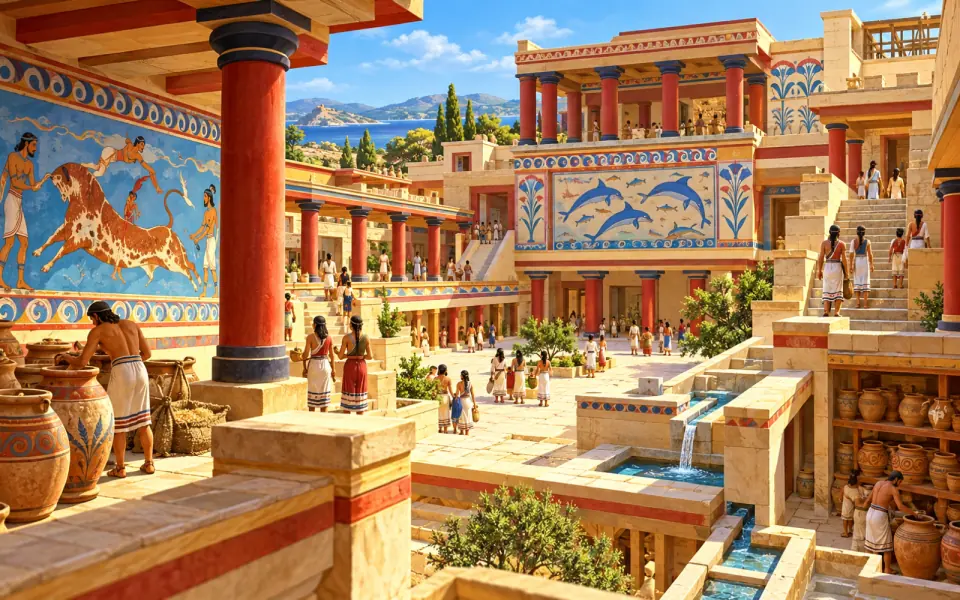 BeforeThe palace of Knossosabout 1900 BC
- You are hereThe Proto-Sinaitic alphabetabout 1800 BC
 AfterThe eruption of Theraabout 1600 BC
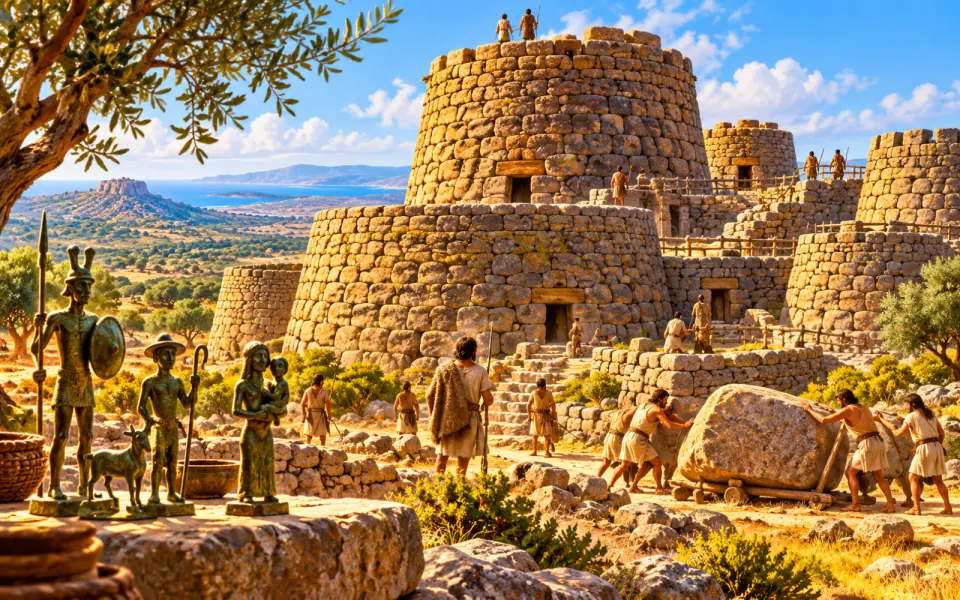 AfterThe nuraghi of Sardiniaabout 1600 BC
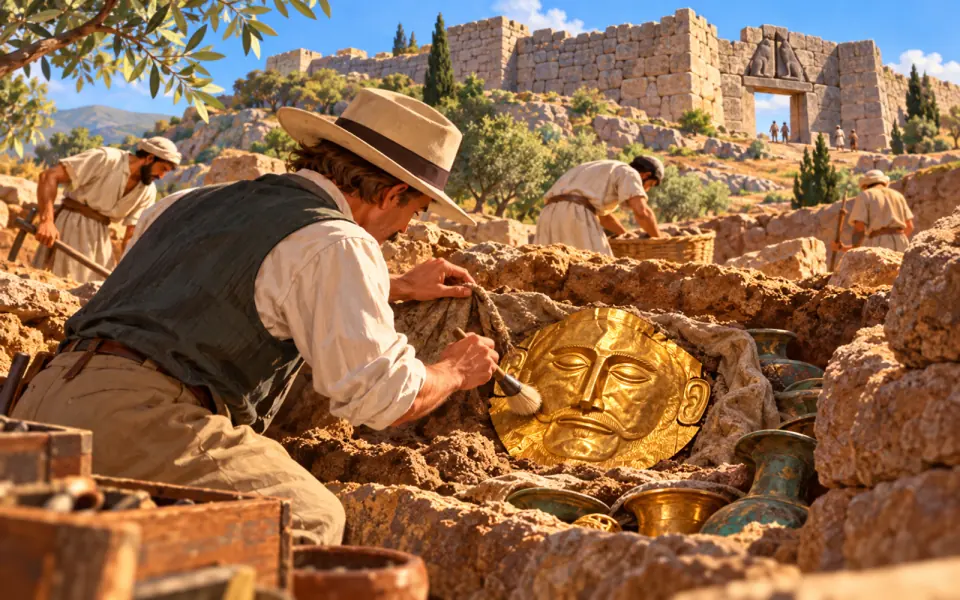 AfterThe gold mask of Mycenaeabout 1550 BC
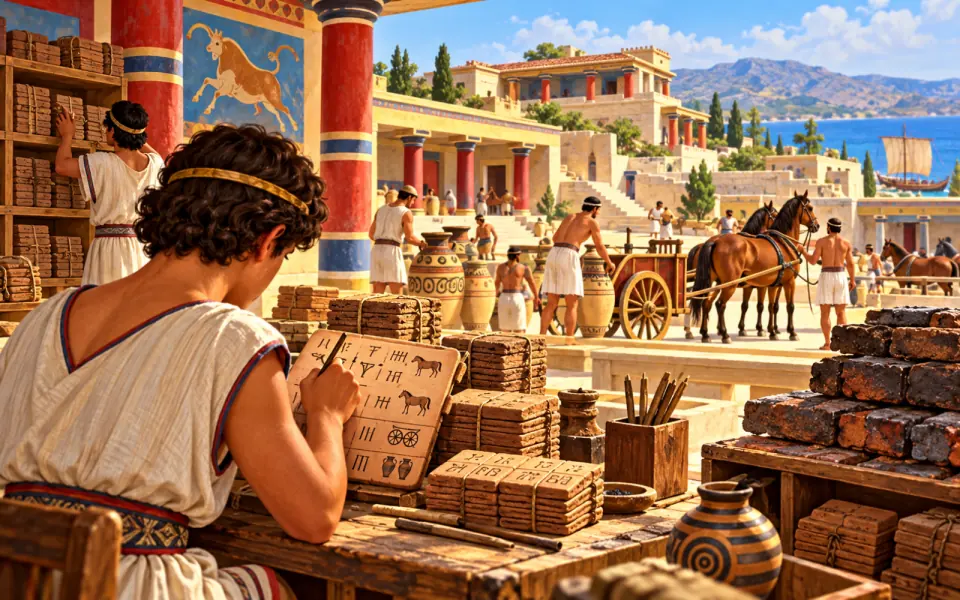 AfterLinear Babout 1450 BC
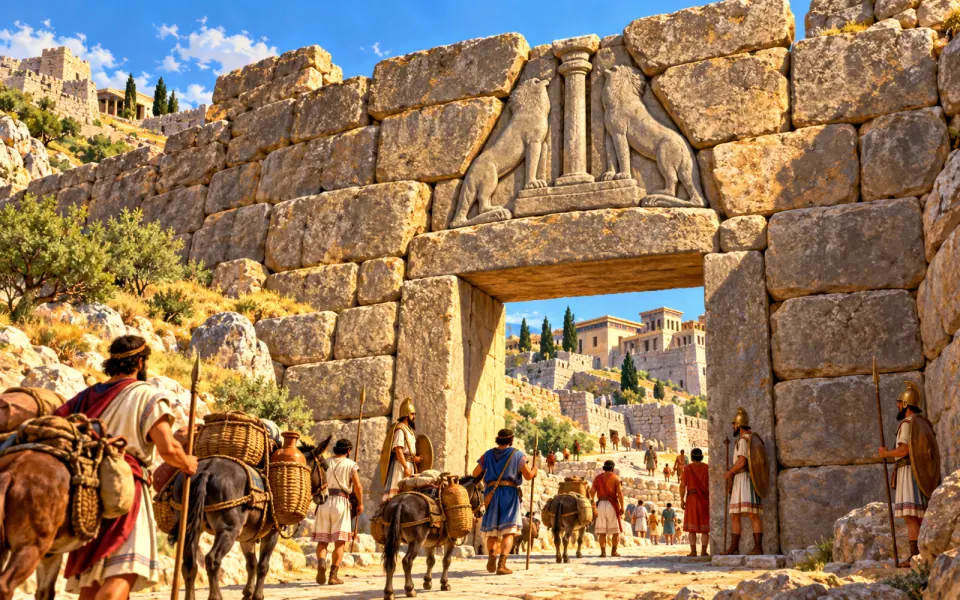 AfterThe Lion Gate at Mycenaeabout 1250 BC
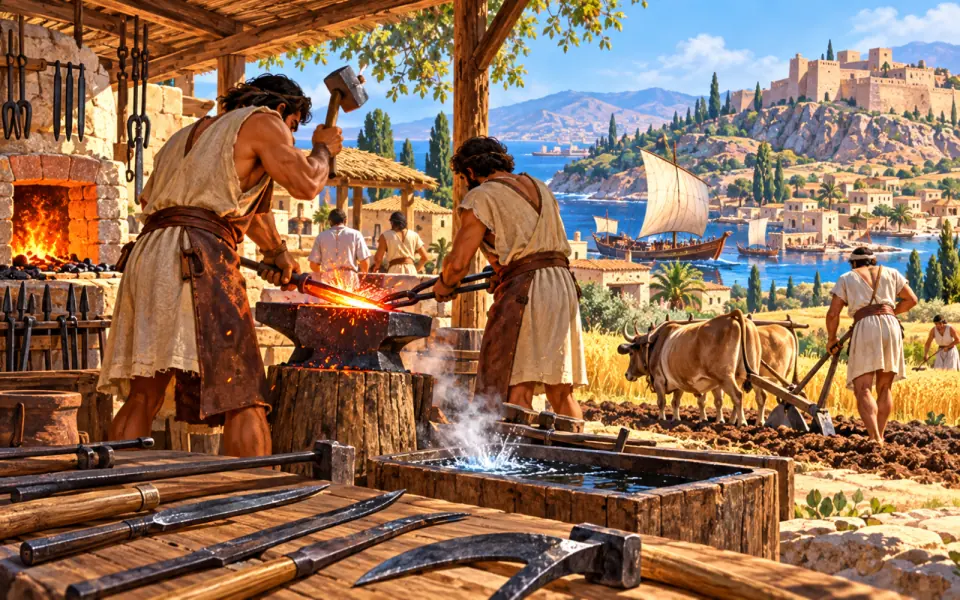 AfterThe Iron Age beginsabout 1200 BC
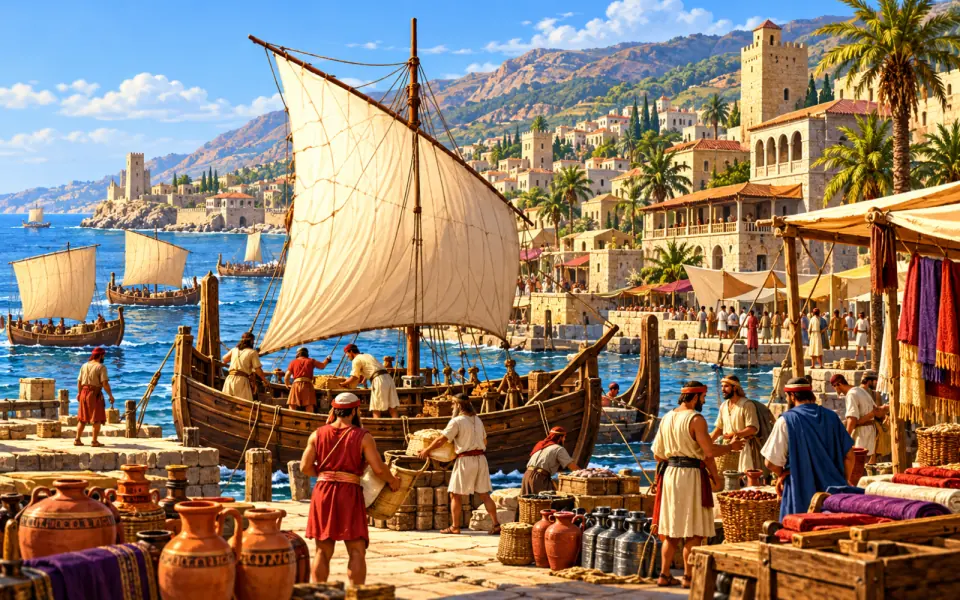 AfterThe Phoenicians spread outabout 1200 BC
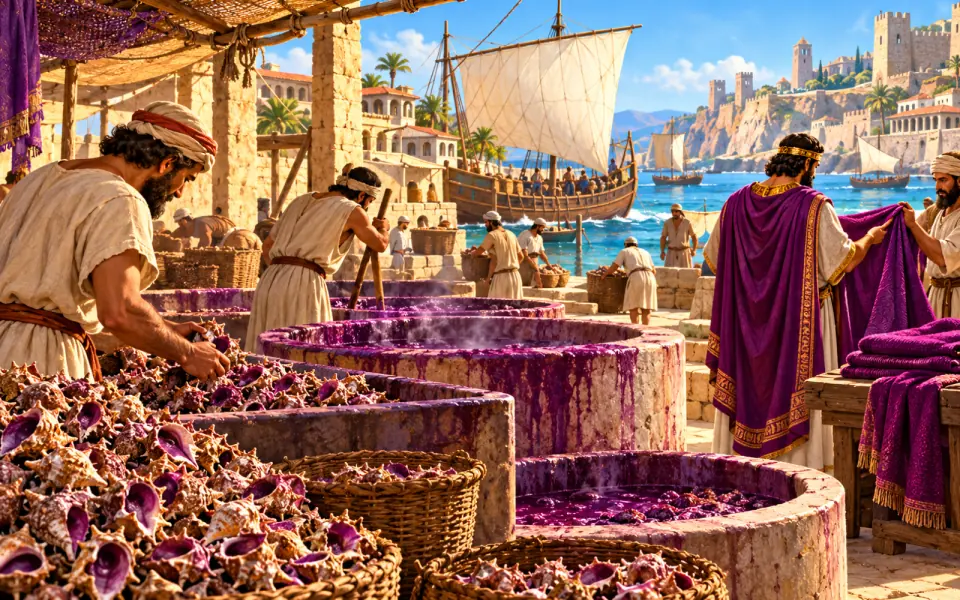 AfterPhoenician purpleabout 1100 BC
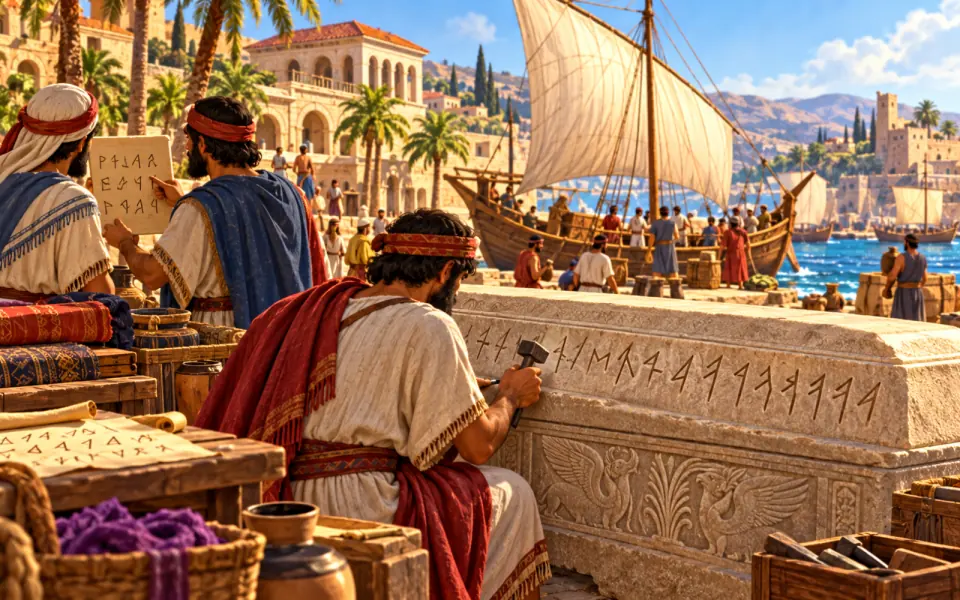 AfterThe Phoenician alphabetabout 1050 BC
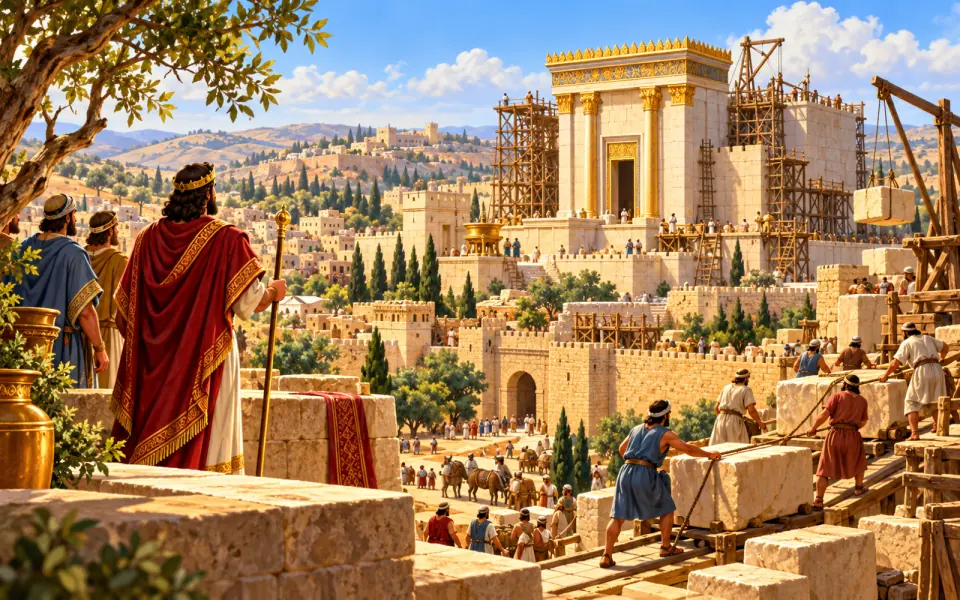 AfterThe Kingdom of Israelabout 1000 BC
 AfterPhoenician seafaringabout 1000 BC
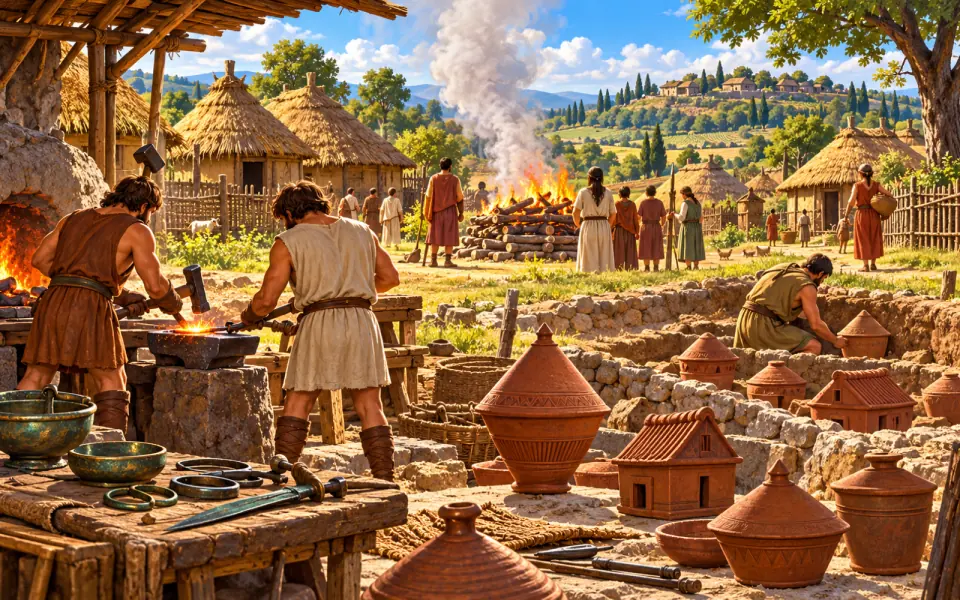 AfterThe Villanovan culture in Italyabout 900 BC
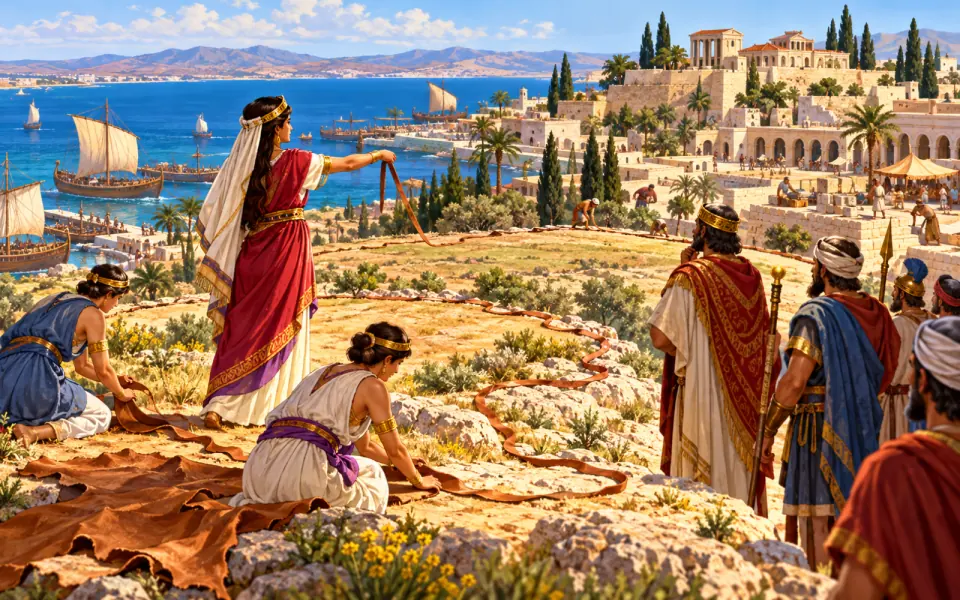 AfterTraditional founding of Carthageabout 814 BC
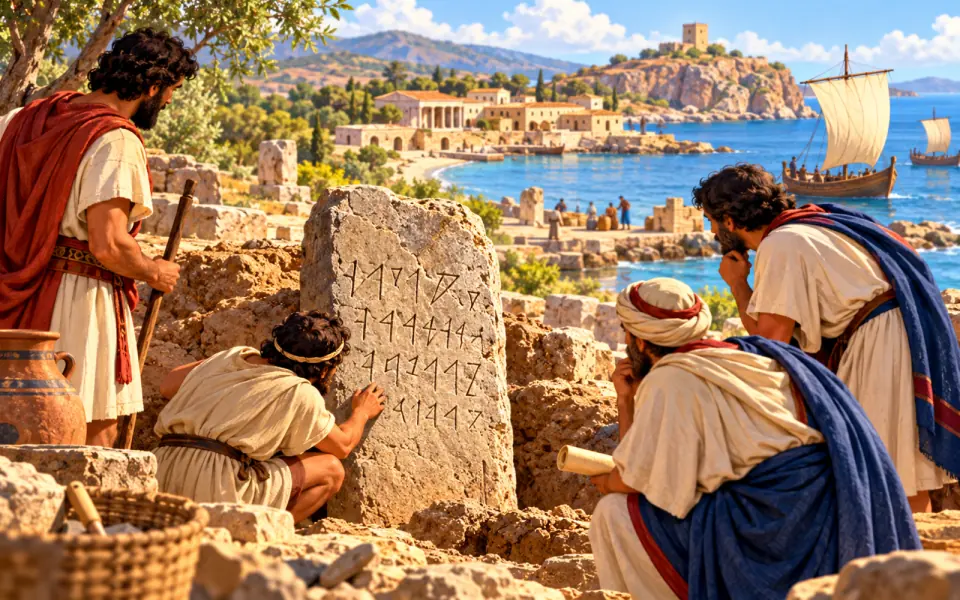 AfterThe Nora Stoneabout 800 BC
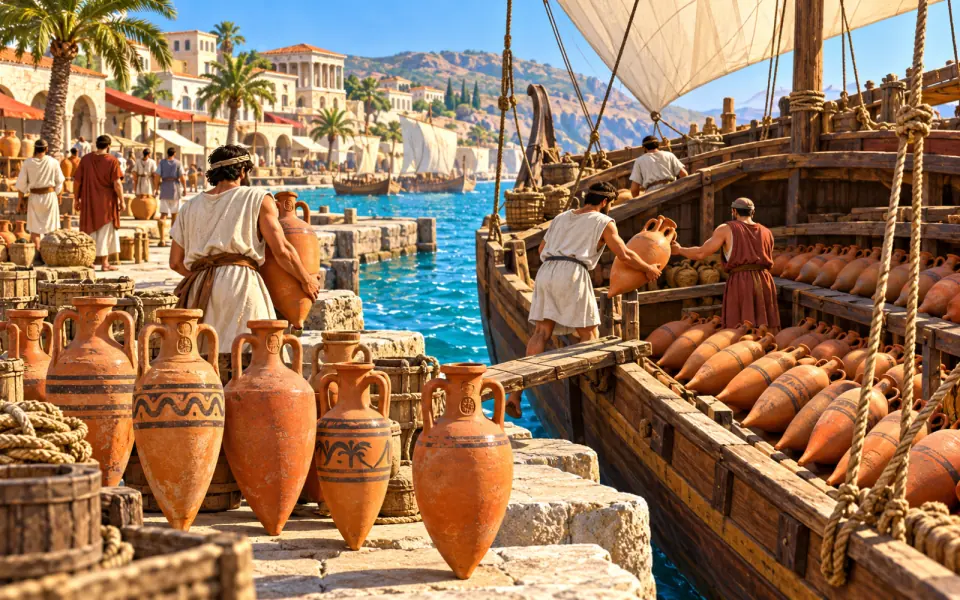 AfterAmphorae for oil and wineabout 800 BC
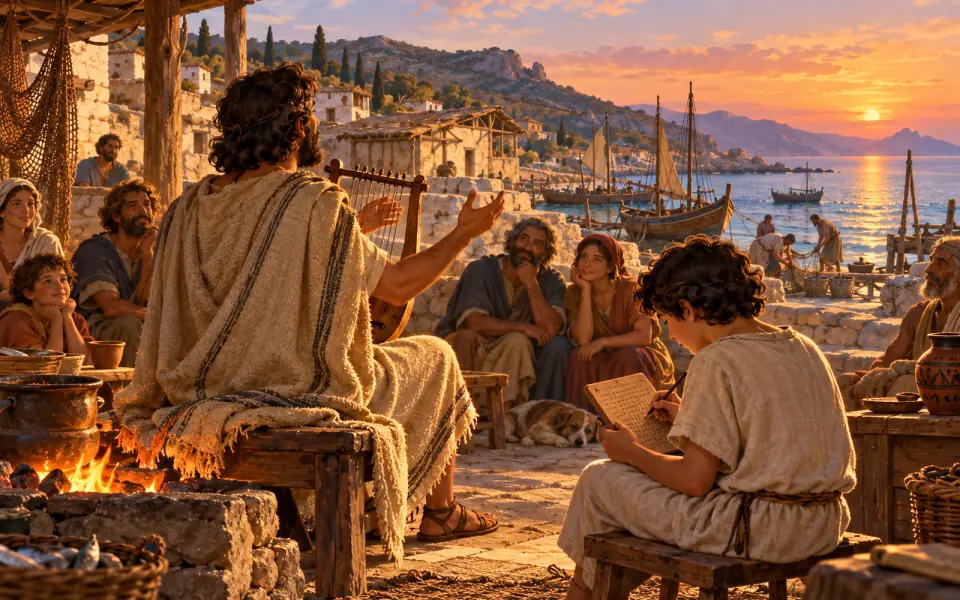 AfterHomer's poems are written downabout 750 BC
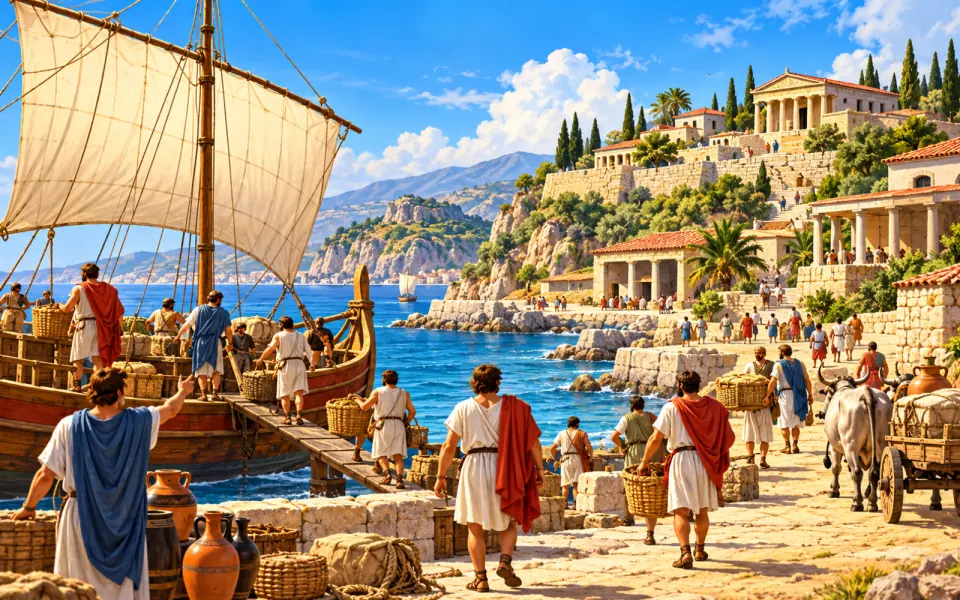 AfterGreek colonies in the Westabout 750 BC
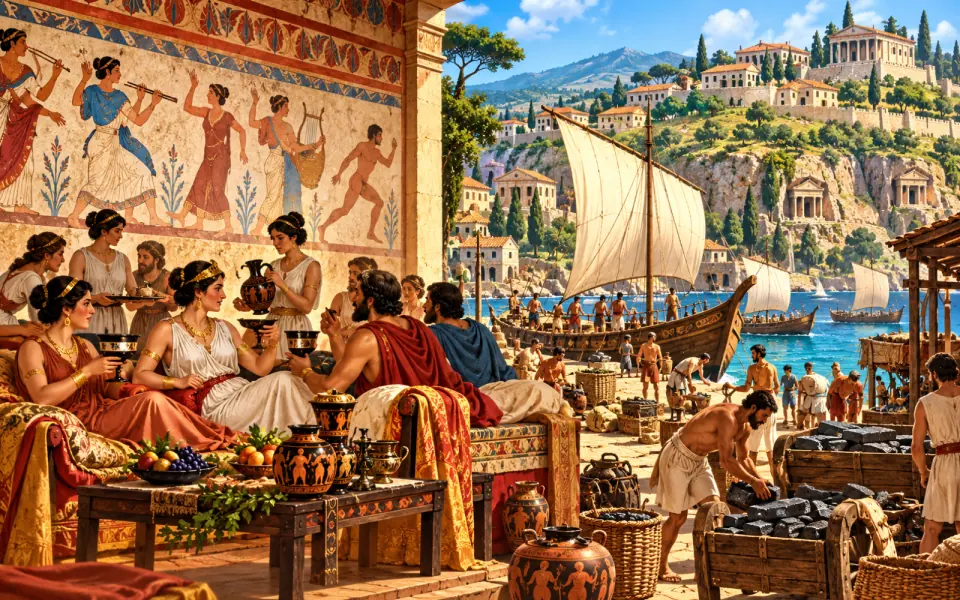 AfterThe Etruscans, lords of the Tyrrhenian Seaabout 700 BC
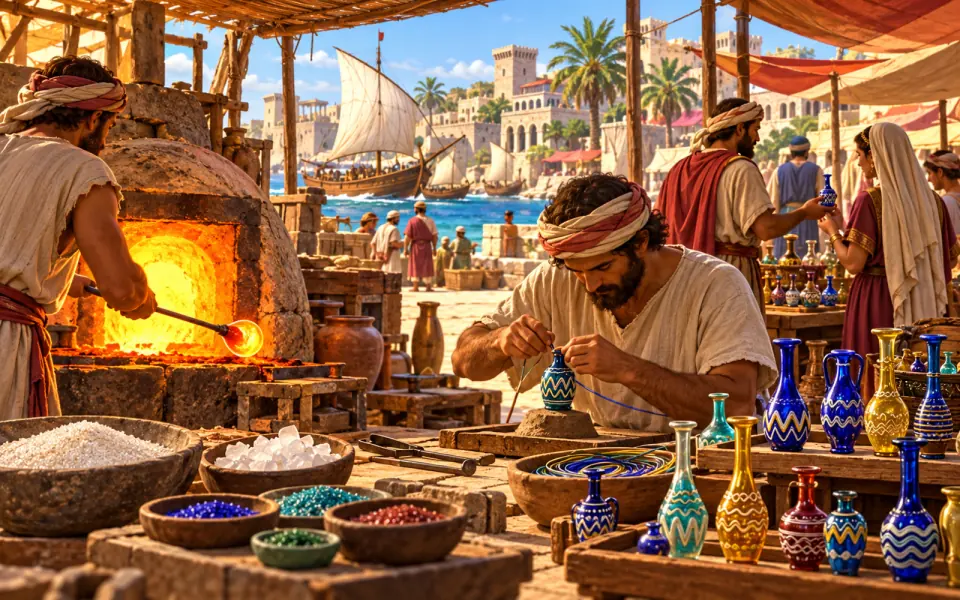 AfterPhoenician glass spreadsabout 600 BC
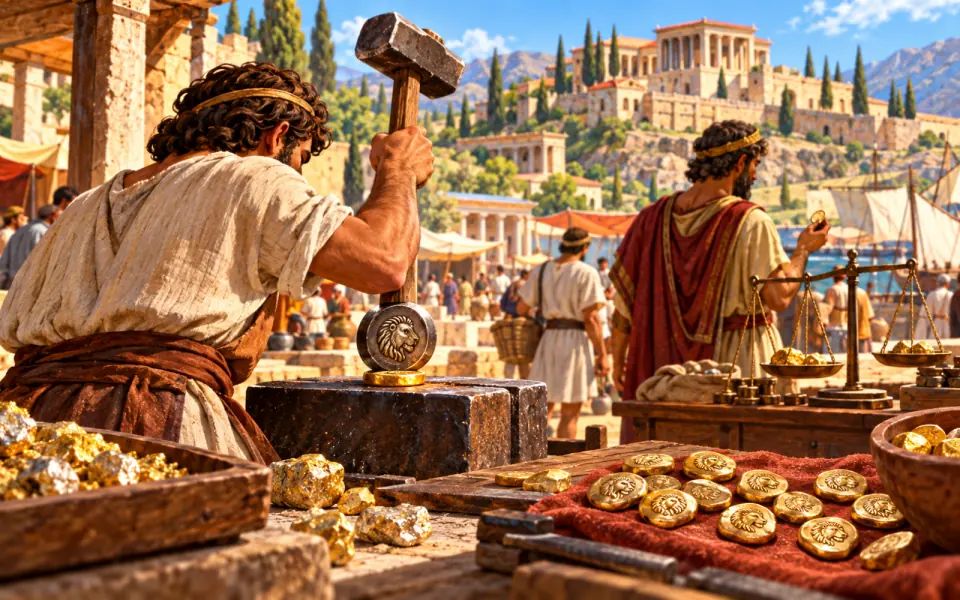 AfterCoins in the Mediterraneanabout 600 BC
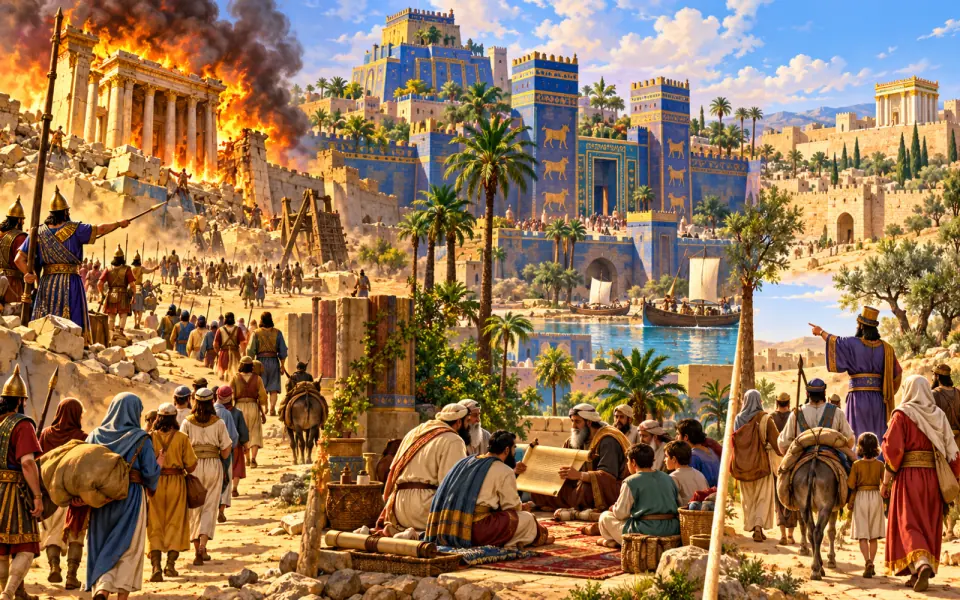 AfterThe Babylonian Exileabout 586 BC
 AfterSailing beyond Gibraltarabout 500 BC
Listen / Read next
- Music to read by: Cinematic JourneyEpic film-style music, no lyrics, by Ciro Simone IrmiciSpotifyYouTube Music
Meanwhile, elsewhere in the world
Other events of the era “Sea civilisations”
- Minoan civilisation on Crete
- The palace of Knossos
- The eruption of Thera
- The nuraghi of Sardinia
- The gold mask of Mycenae
- Linear B
- The Lion Gate at Mycenae
- The Iron Age begins
- The Phoenicians spread out
- Phoenician purple
- The Phoenician alphabet
- The Kingdom of Israel
- Phoenician seafaring
- The Villanovan culture in Italy
- Traditional founding of Carthage
- The Nora Stone
- Amphorae for oil and wine
- Homer's poems are written down
- Greek colonies in the West
- The Etruscans, lords of the Tyrrhenian Sea
- Phoenician glass spreads
- Coins in the Mediterranean
- The Babylonian Exile
- Sailing beyond Gibraltar
