Traditional founding of Carthage
about 814 BC Carthage (now Tunisia)
In short
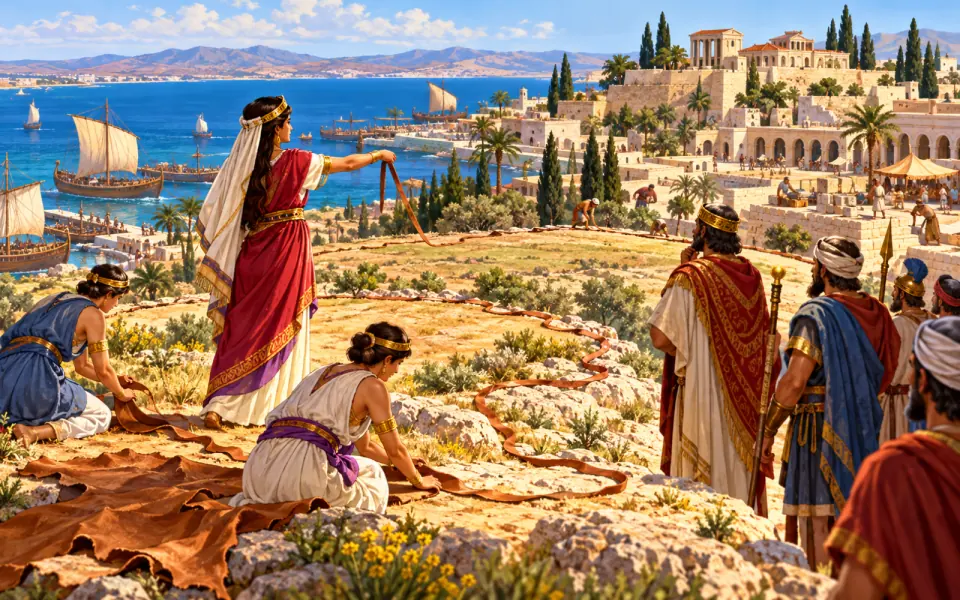
According to legend, Carthage was founded by the Phoenician princess Elissa, also called Dido, who had fled from Tyre. The local king is said to have granted her only as much land as she could cover with an ox hide: she cut it into very thin strips and surrounded a whole hill. The name of the city meant ‘new city’. Carthage, in today's Tunisia, became the most powerful of the Phoenician colonies.
Why it matters Centuries later Carthage would become Rome's great rival in the Mediterranean.
Source: UNESCO, “Archaeological Site of Carthage”
Study card about 5 minutes of reading
The story
The princess who fled from Tyre
The ancients told this story. In Tyre, the great Phoenician city, there reigned a king named Pygmalion. His sister was called Elissa, and the Romans later called her Dido. Elissa was married to a very rich man, called Acerbas in the account of the historian Justin and Sychaeus in the verses of the poet Virgil. Pygmalion, greedy, had his brother-in-law killed to seize his gold. Elissa understood the danger and decided to flee, taking with her some nobles who followed her.
To trick her brother, says the story, Elissa had sacks full of sand put on board, saying they held her husband's treasure, and had them thrown into the sea, as if offering them to the dead. Pygmalion, convinced that the gold was lost, did not pursue her. Elissa and her companions landed on the coast of North Africa, in the place where Tunisia now lies.
An ox hide
There the princess asked the local king for a piece of land on which to build a city. He, as a joke or out of meanness, granted her as much ground as an ox hide could cover. Elissa cut the hide into very thin strips and with them surrounded a whole hill. The hill was called Byrsa. The Greeks, who loved playing with words, linked the name to their word byrsa, “hide”. Modern scholars think instead that it comes from a Semitic word meaning a fortified place.
The city she founded was named Qart-hadasht, which means “new city”: a new Tyre on African soil. We call it Carthage. The story ends in tragedy: a neighbouring king, Iarbas, wanted to marry the queen, but she, faithful to her murdered husband, climbed onto a pyre and took her own life. In another version, in Virgil's Aeneid, Dido falls in love with the Trojan hero Aeneas and, when he leaves to found Rome, stabs herself with his sword.
History or legend?
The sources that tell of Elissa are Greek and Roman and were written many centuries after the events, so we do not know whether she really existed. Some scholars regard her as a historical figure, because her name and her brother's appear in lists of the kings of Tyre. Others think she was originally a goddess. One thing is certain: the meeting of Dido and Aeneas is impossible, because the Trojan War would have happened centuries earlier. Virgil invented it, around 19 BC, to explain in a poetic way the origin of the rivalry between Rome and Carthage.
The traditional date, 814 BC, comes from the Greek historian Timaeus. The writer Justin places it seventy-two years before the foundation of Rome. Today some scholars think that Elissa's flight took place more or less in 825 BC and that the city was founded shortly afterwards. Archaeologists have found on the site remains of murex shells of the 8th century BC, a sign of purple dye-works, and a first urban core of about ten hectares dating to the 7th century.
A great city
Carthage stood on a peninsula near the Lake of Tunis, about fifteen kilometres north-east of present-day Tunis. Its fortified centre was the hill of Byrsa. It had two artificial inner harbours, the cothon, one military and one commercial. Near the harbours there was a sacred enclosure, the tophet, where many urns with the remains of children and animals were buried. Scholars debate whether there were child sacrifices or whether it was simply a cemetery for newborns: the question is open.
How many inhabitants did it have? The historian Strabo spoke of 700,000 people before its fall, in 146 BC, but the figure is considered hardly credible. Little written material about Carthage survives, because the city was destroyed. We know of an author, Mago, who around 300 BC wrote a treatise on agriculture in 28 volumes: the original text is lost, but we keep fragments quoted in Latin.
The end
Carthage fought three wars with Rome, called the Punic Wars. In the third, in 146 BC, the general Scipio Aemilianus besieged and destroyed the city. About 50,000 inhabitants were sold as slaves. It is often said that the Romans sprinkled the ground with salt so that nothing would grow again, but there is no proof of this: it is a story born in the 19th century. In 122 BC Gaius Gracchus founded a Roman colony, which did not last long; then Julius Caesar, between 49 and 44 BC, had a new city built on the same spot.
Why it happened
The foundation of Carthage is part of the great Phoenician movement towards the West. The cities of the Lebanese coast, such as Tyre, were looking for new harbours and new markets. A port on the coast of North Africa, in the middle of the Mediterranean, was perfect for the routes to Sicily, Sardinia and Spain.
The tale of Dido's flight points to another possible cause: conflicts inside the Phoenician cities. Groups of people who lost a power struggle could leave with their ships and found a city elsewhere. The ancient stories are legends, but they reflect this reality.
What changed
Carthage became, as its name says, a new Tyre, and then the most powerful of the Phoenician colonies. When the mother city fell under the eastern empires, the African city went on growing and controlling trade in the western Mediterranean. It in turn founded new cities and routes, such as those towards the Atlantic.
Its clash with Rome, in the three Punic Wars, decided who would dominate the Mediterranean. With victory, Rome inherited Carthage's territories and routes. Almost everything we know about the Carthaginians has reached us from the writings of their enemies, and this is why their history is hard to reconstruct.
Today the ruins of Carthage, near Tunis, have been a World Heritage Site since 1979. The memory of Dido, thanks above all to Virgil's verses, has come down to us.
Key people and places
People
- Elissa (Dido)
- Princess of Tyre and legendary founder of Carthage, perhaps a historical figure, perhaps a figure of myth.
- Pygmalion
- King of Tyre, brother of Elissa; in the story he has his brother-in-law killed for his gold.
- Timaeus
- Ancient Greek historian who fixed the foundation of Carthage at 814 BC.
- Scipio Aemilianus
- Roman general who destroyed Carthage in 146 BC.
Places
- Carthage
- A Phoenician city on the coast of Tunisia, near the Lake of Tunis, founded according to tradition by Dido.
- Byrsa
- The fortified hill, the heart of the city.
- Tyre
- A Phoenician city of Lebanon from which, according to the legend, Elissa set out.
Good to know
- The name Carthage means “new city”.
- The legend of the ox hide cut into strips serves to explain the name of the hill of Byrsa.
- The Romans did not scatter salt on Carthage: it is a story invented much later, in the 19th century.
- Mago, a Carthaginian, wrote a treatise on agriculture in 28 volumes, now lost.
- The meeting of Dido and Aeneas was invented by Virgil: according to tradition, the two lived centuries apart.
Find out more
- World History Encyclopedia, “Carthage” worldhistory.org
- Wikipedia, “Tyre, Lebanon” en.wikipedia.org
- Wikipedia, “Dido” en.wikipedia.org
- Wikipedia, “Carthage” en.wikipedia.org
Related events
- The Phoenicians spread outabout 1200 BC · Sea civilisationsCarthage was the largest colony of the Phoenicians.
- The First Punic War264–241 BC · Ancient RomeThe First Punic War was the first clash between Rome and Carthage.
- Hannibal crosses the Alps218 BC · Ancient RomeHannibal, a Carthaginian general, crossed the Alps.
- Virgil and the Aeneid19 BC · Ancient RomeVirgil told the story of Dido in the Aeneid.
- Sailing beyond Gibraltarabout 500 BC · Sea civilisationsFrom Carthage the navigators set out towards the Atlantic.
Before and after, in the era “Sea civilisations”
Event 16 of 25
 BeforeMinoan civilisation on Creteabout 2000 BC
 BeforeThe palace of Knossosabout 1900 BC
 BeforeThe Proto-Sinaitic alphabetabout 1800 BC
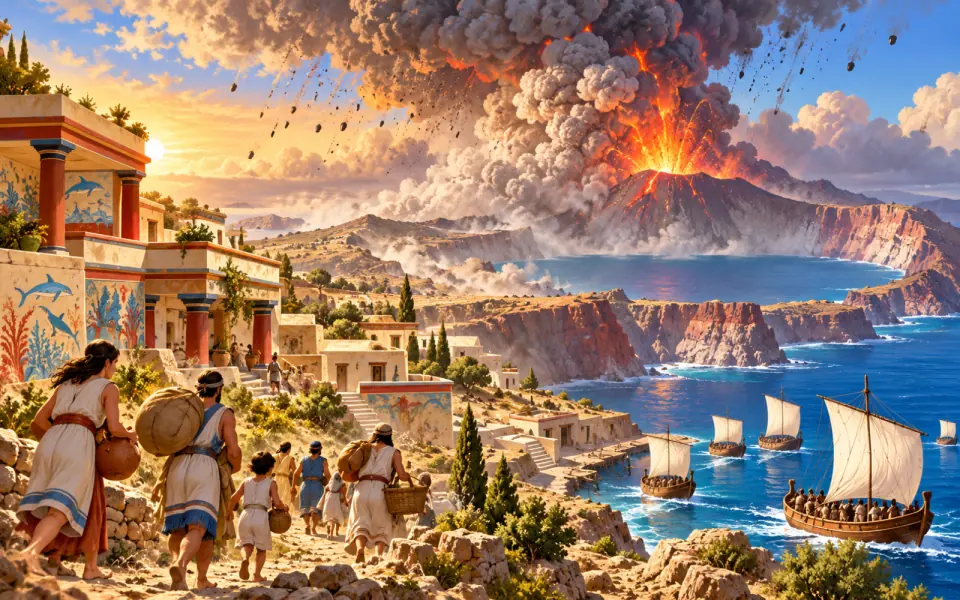 BeforeThe eruption of Theraabout 1600 BC
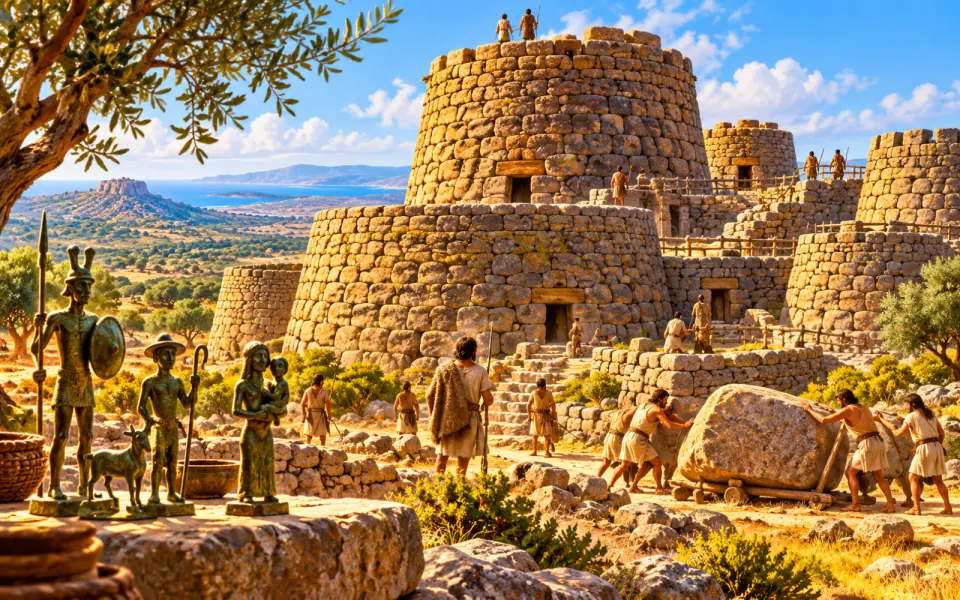 BeforeThe nuraghi of Sardiniaabout 1600 BC
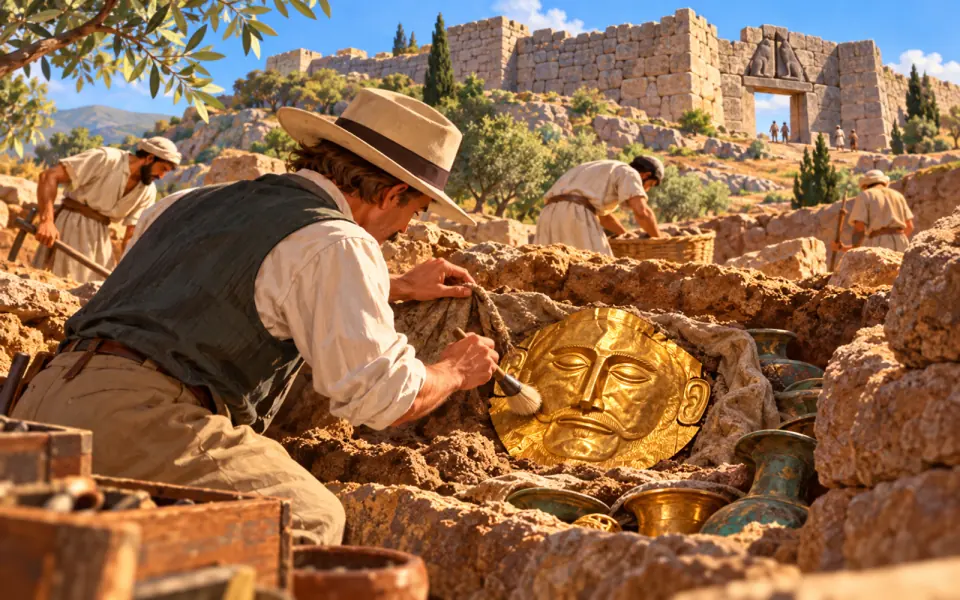 BeforeThe gold mask of Mycenaeabout 1550 BC
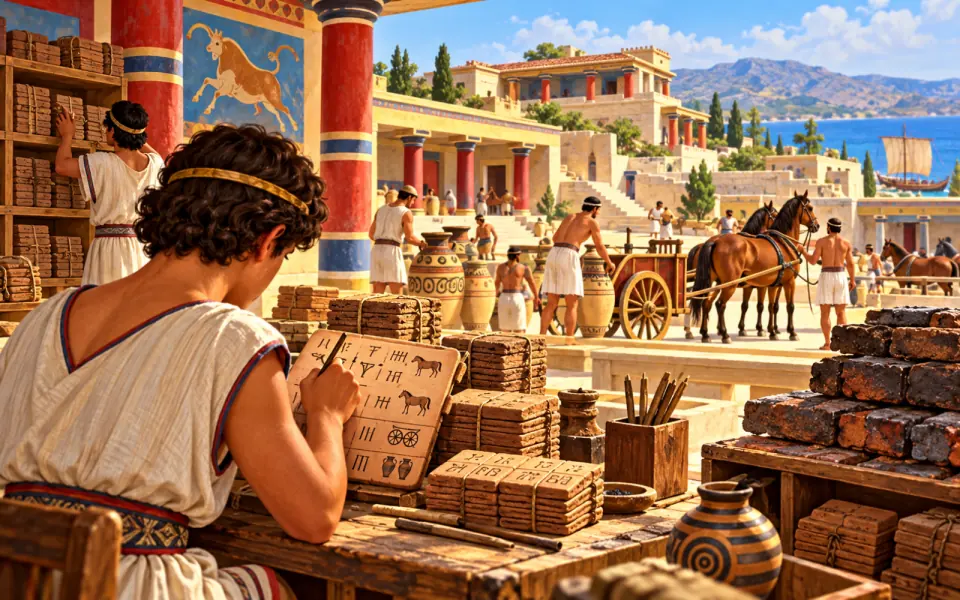 BeforeLinear Babout 1450 BC
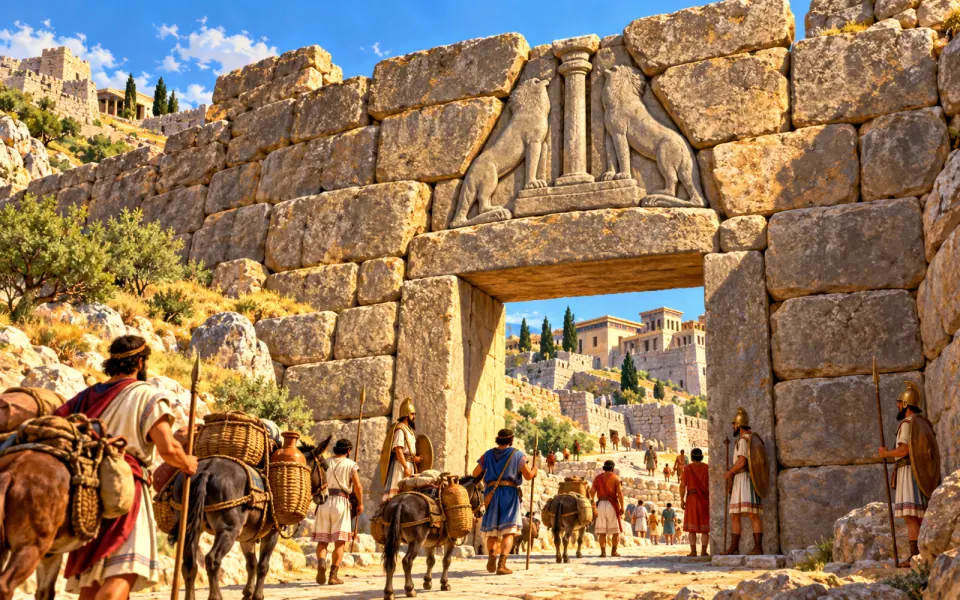 BeforeThe Lion Gate at Mycenaeabout 1250 BC
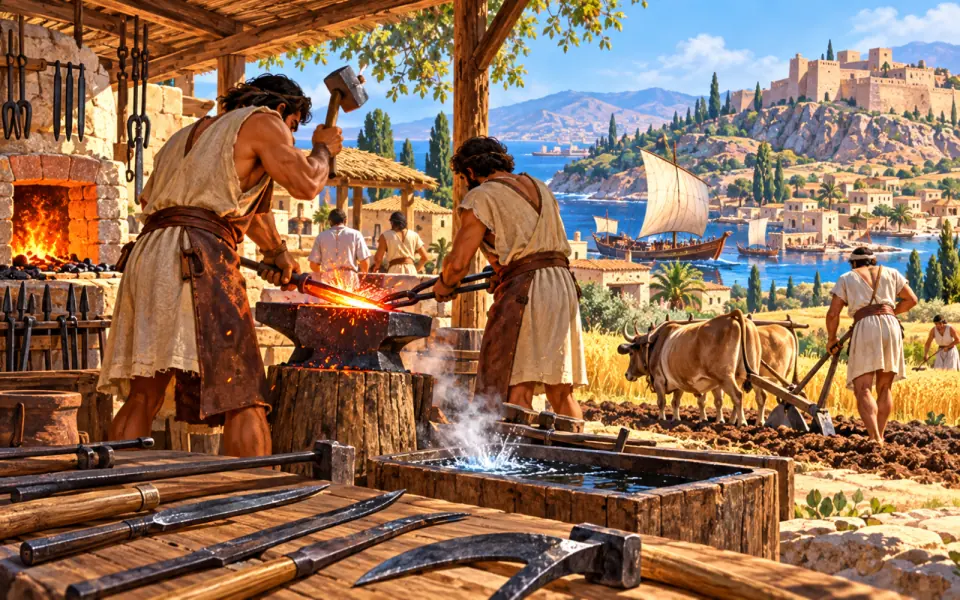 BeforeThe Iron Age beginsabout 1200 BC
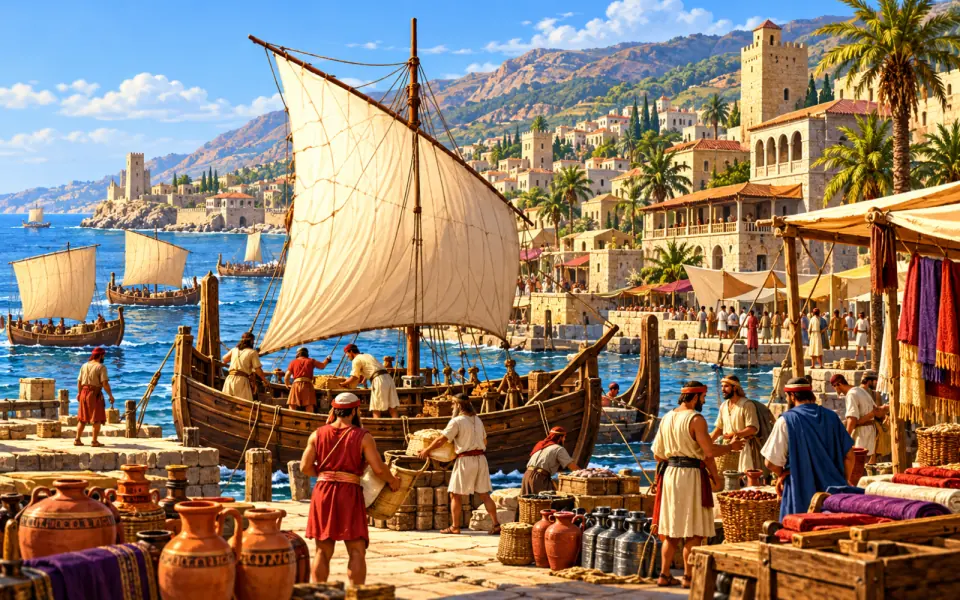 BeforeThe Phoenicians spread outabout 1200 BC
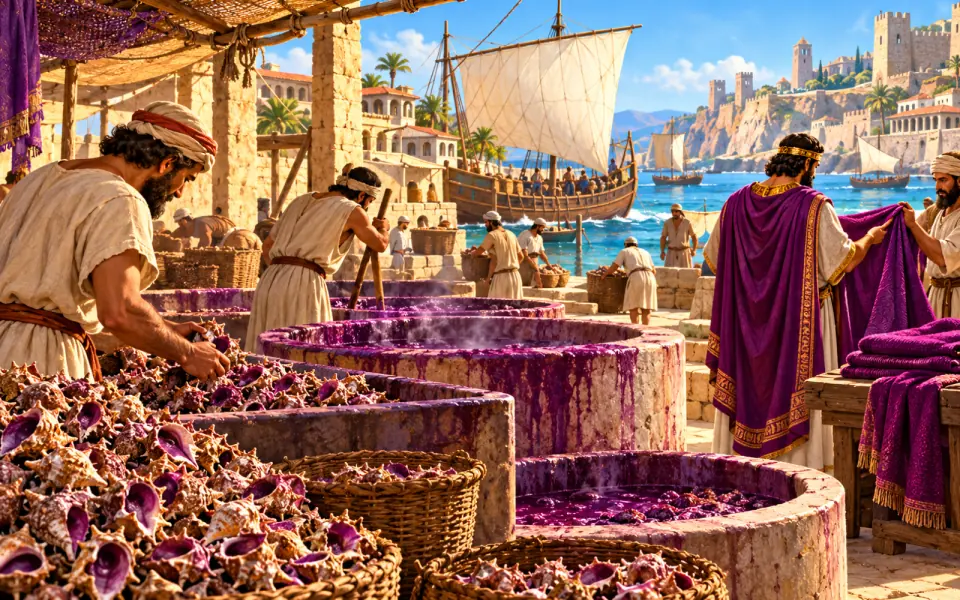 BeforePhoenician purpleabout 1100 BC
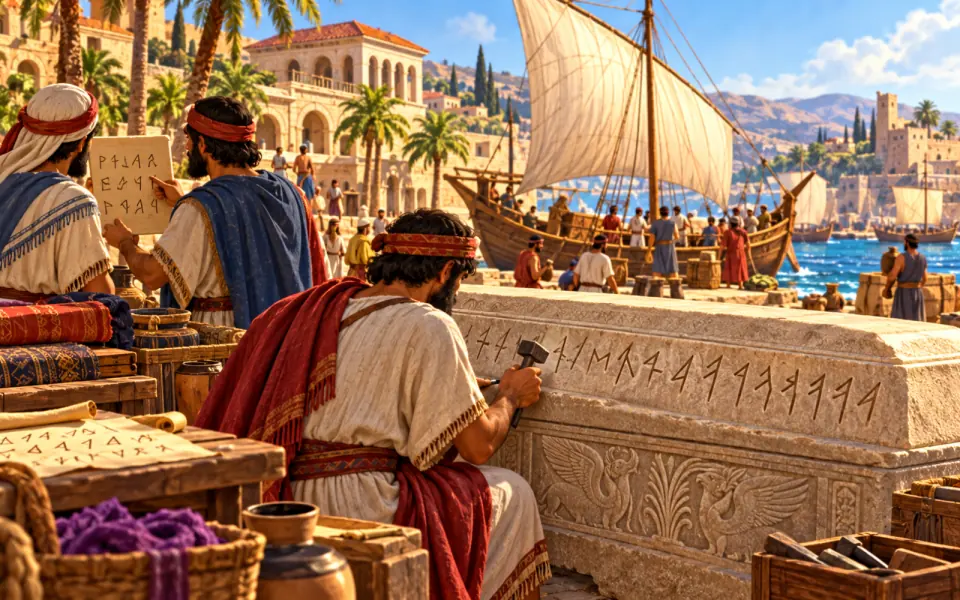 BeforeThe Phoenician alphabetabout 1050 BC
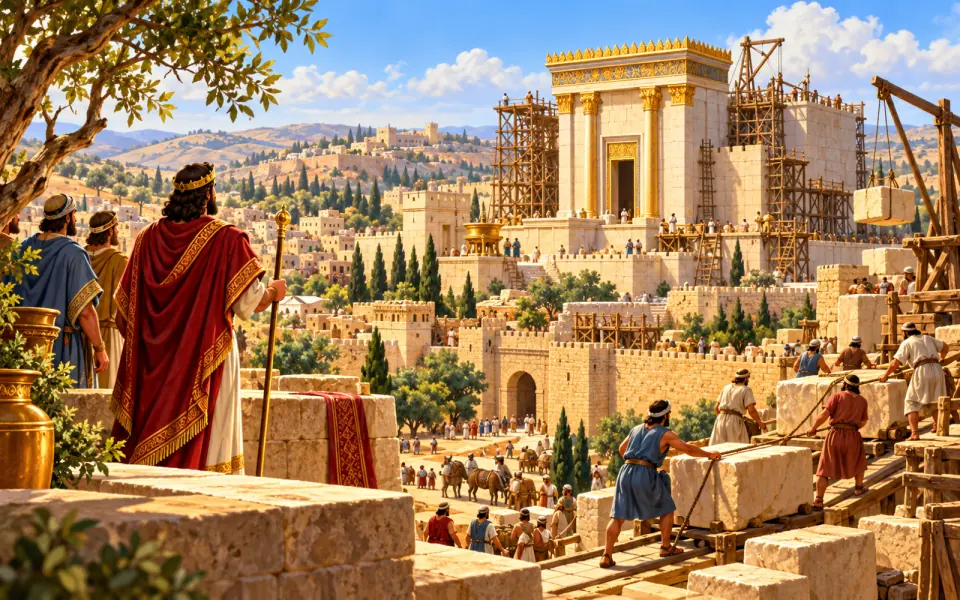 BeforeThe Kingdom of Israelabout 1000 BC
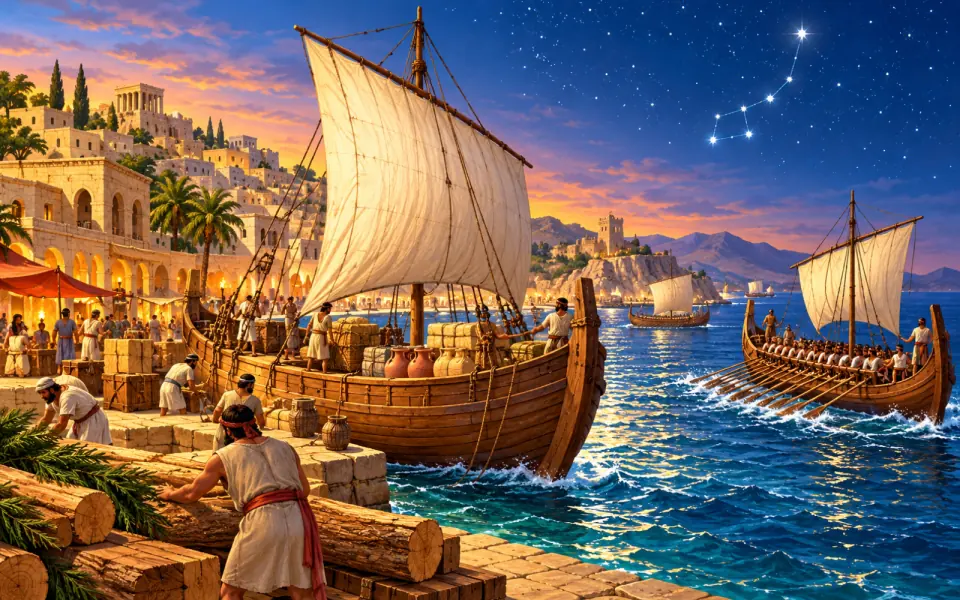 BeforePhoenician seafaringabout 1000 BC
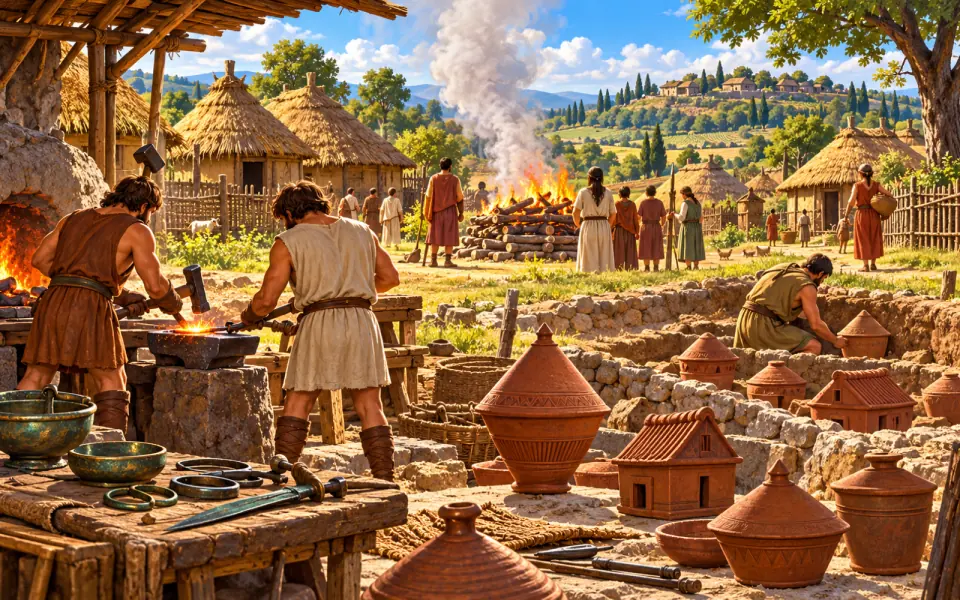 BeforeThe Villanovan culture in Italyabout 900 BC
- You are hereTraditional founding of Carthageabout 814 BC
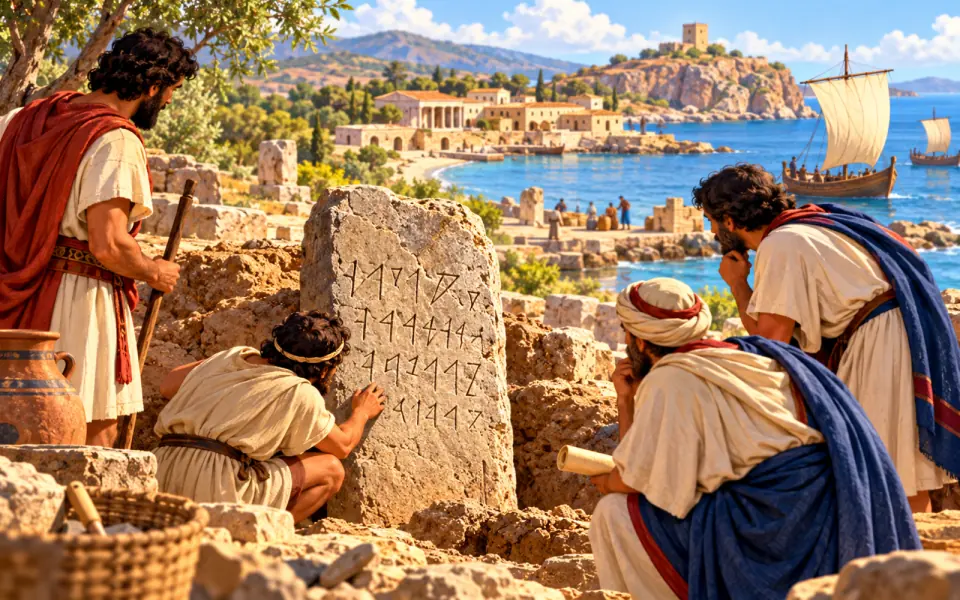 AfterThe Nora Stoneabout 800 BC
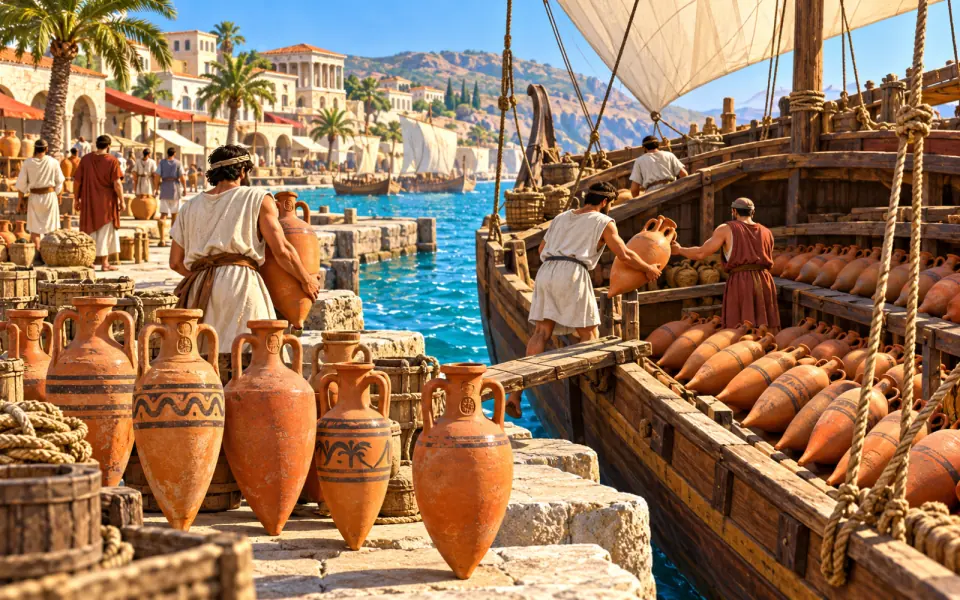 AfterAmphorae for oil and wineabout 800 BC
 AfterHomer's poems are written downabout 750 BC
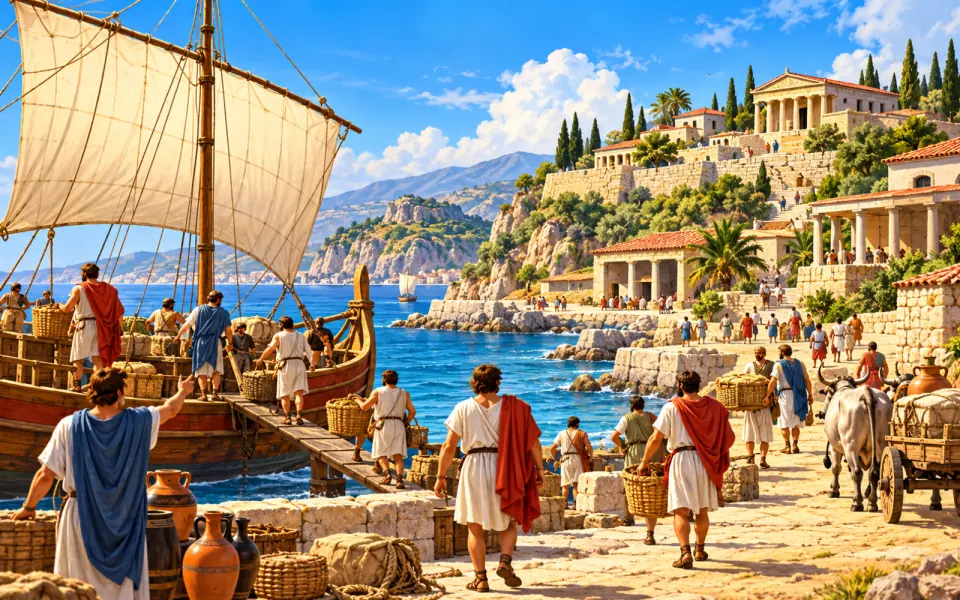 AfterGreek colonies in the Westabout 750 BC
 AfterThe Etruscans, lords of the Tyrrhenian Seaabout 700 BC
 AfterPhoenician glass spreadsabout 600 BC
 AfterCoins in the Mediterraneanabout 600 BC
 AfterThe Babylonian Exileabout 586 BC
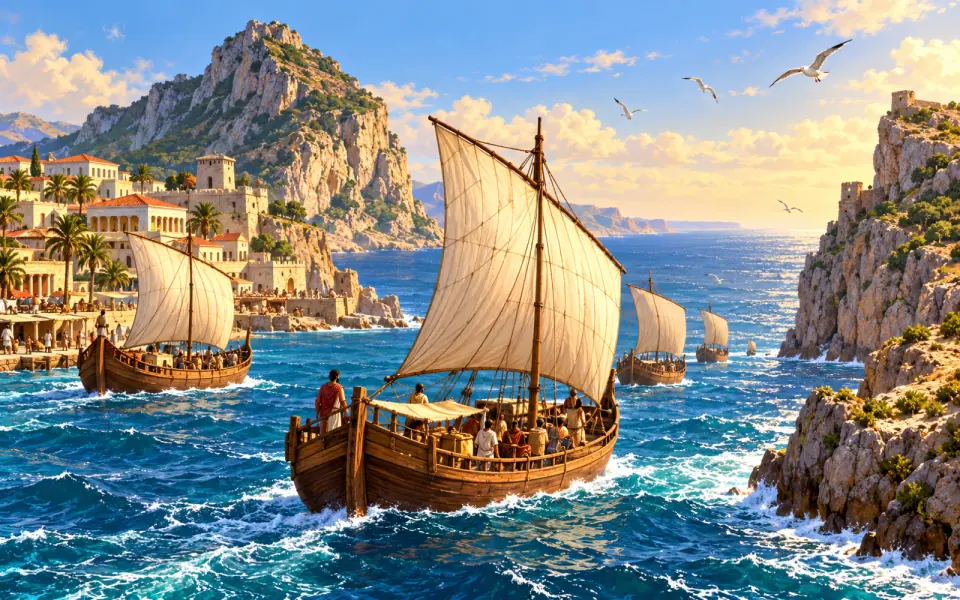 AfterSailing beyond Gibraltarabout 500 BC
Listen / Read next
- Music to read by: Cinematic JourneyEpic film-style music, no lyrics, by Ciro Simone IrmiciSpotifyYouTube Music
Meanwhile, elsewhere in the world
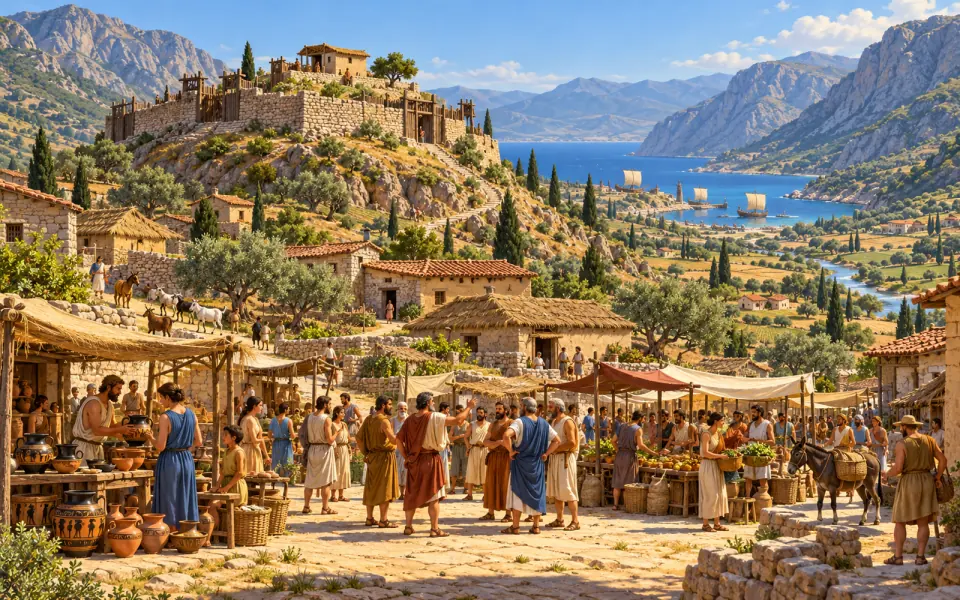
Other events of the era “Sea civilisations”
- Minoan civilisation on Crete
- The palace of Knossos
- The Proto-Sinaitic alphabet
- The eruption of Thera
- The nuraghi of Sardinia
- The gold mask of Mycenae
- Linear B
- The Lion Gate at Mycenae
- The Iron Age begins
- The Phoenicians spread out
- Phoenician purple
- The Phoenician alphabet
- The Kingdom of Israel
- Phoenician seafaring
- The Villanovan culture in Italy
- The Nora Stone
- Amphorae for oil and wine
- Homer's poems are written down
- Greek colonies in the West
- The Etruscans, lords of the Tyrrhenian Sea
- Phoenician glass spreads
- Coins in the Mediterranean
- The Babylonian Exile
- Sailing beyond Gibraltar
