Virgil and the Aeneid
19 BC Rome (Virgil was born near Mantua)
In short
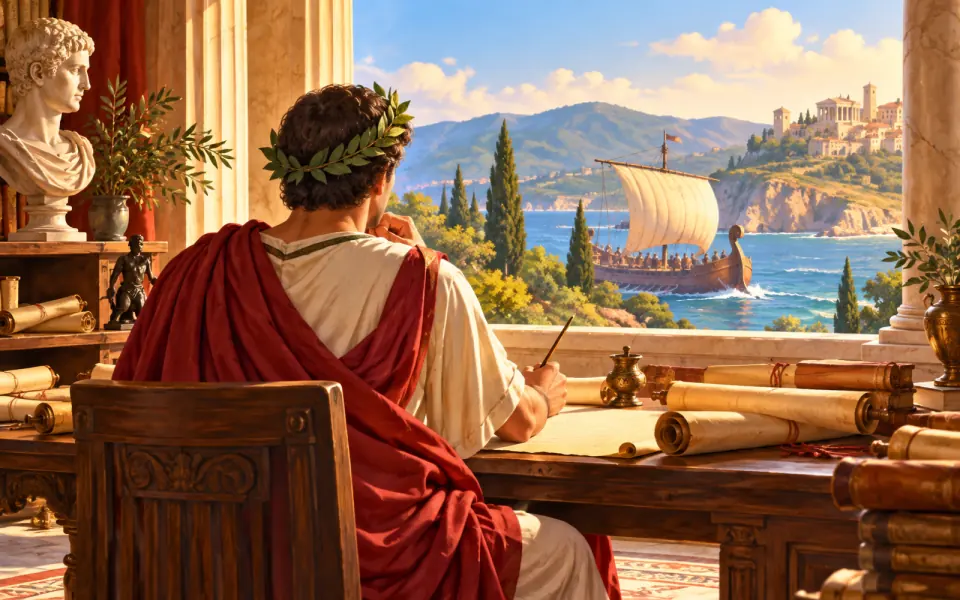
Publius Vergilius Maro, known as Virgil, was born near Mantua and worked for about ten years on a great poem in Latin, the Aeneid. It tells of the journey of Aeneas, a Trojan hero who flees his burning city and reaches Latium, where his descendants will found Rome. Virgil died in Brindisi before finishing it and asked for the manuscript to be burnt. The emperor Augustus refused and had it published.
Why it matters The Aeneid became the Romans' national poem, and centuries later Dante chose Virgil as his guide in the Divine Comedy.
Source: Treccani, entry “Virgilio Marone, Publio”
Study card about 6 minutes of reading
The story
The poet from Mantua
Publius Vergilius Maro (Virgil) was born on 15 October 70 BC at Andes, a village near Mantua, in a family of small farm owners. Where exactly Andes was we do not know for certain: scholars propose places such as Pietole, Calvisano or Redondesco. He studied first in the schools of Cremona and Milan, where he came to know Epicurean philosophy, which seeks serenity by avoiding pointless worries, then went to Rome to study rhetoric, the art of public speaking, in order to become a lawyer.
His career as a lawyer was not a success: he could not even deliver his first case; Virgil gave it up. Then he moved to Naples, where he spent time with teachers of philosophy such as Siro and Philodemus of Gadara and began to write poetry. In 42 BC, after the battle of Philippi, the lands around Mantua were distributed to veteran soldiers and his family too risked losing its farm. Thanks to influential friends, at least at first, he avoided the worst. In 38 BC Maecenas, a rich friend of artists who was very close to Augustus, gave him an estate in Campania.
The early works
Virgil wrote three great works. The Eclogues, composed between 42 and 39 BC, are ten pastoral poems, inspired by the Greek poet Theocritus, in which shepherds sing of love and the countryside. The Georgics, written between 37 and 30 BC and dedicated to Maecenas, are a poem in four books on the work of the fields, the growing of trees, livestock farming and even beekeeping, that is, the keeping of bees. Then came his greatest work.
The Aeneid
The Aeneid is an epic poem in twelve books, with a total of about 9,896 lines. The lines are hexameters, a long type of verse, typical of ancient epic. Virgil sketched its structure in 29 BC, began to write it in 27 BC and worked on it until his death, in 19 BC. Around 23–22 BC he read some parts to Augustus, probably the sixth book.
The poem tells of the adventures of Aeneas, a Trojan prince. After the destruction of Troy, Aeneas flees the burning city with his father Anchises and sails towards Italy, where the gods have decreed that he is to found a new race. On the journey he reaches Carthage, in Africa, where Queen Dido falls in love with him. When Aeneas sets sail again to obey destiny, Dido takes her own life. In the sixth book Aeneas goes down to the Underworld, the kingdom of the dead, guided by the Cumaean Sibyl, a priestess who prophesies, and meets his father Anchises, who shows him the souls of the great men who will one day be the Romans.
The second half tells of the war in Latium. Aeneas marries Lavinia, daughter of King Latinus, but another suitor, Turnus, rebels and it comes to a duel. Virgil built the poem in two parts: the first six books imitate Homer's Odyssey, the sea voyage; the last six imitate the Iliad, the war. It is a way of placing Latin epic on the same level as Greek.
The poem also has a political purpose. It shows Rome as the heir of Troy and links Augustus and the Julian family to Aeneas and the gods: it is a celebration of traditional Roman values and of the new age of peace.
The last wish
Virgil made a journey to Greece, perhaps to receive technical advice on the poem. On the way back he fell ill and died at Brindisi on 21 September 19 BC. Shortly before, the story goes, he asked his friends Varius Rufus and Plotius Tucca to burn the manuscript of the Aeneid, because he had not had time to revise it. The poem, in fact, was not finished: in the text there are 58 lines left half complete, the so-called tibicines, that is, the “props”.
The two friends did not obey. They handed the manuscript to the emperor, and Augustus ordered it to be published as it was. Without this decision, one of the masterpieces of world literature would have been lost. Virgil's body was taken to Naples: in the Piedigrotta district there is a mound, called the tomb of Virgil. On the tomb there was, according to the tradition, an epitaph recalling Mantua as his birthplace, Salento as the place where he had died and Naples as the place of burial, together with the three works he had sung.
Virgil, Dante's guide
Even after his death Virgil remained one of the best-loved and most studied poets. Dante Alighieri, centuries later, chose him as his guide in the Inferno and the Purgatorio of the Divine Comedy, recognising him as a master and a supreme poet.
Why it happened
After years of civil wars Augustus wanted to give Rome a new identity: no longer just a city of conquests and discord, but an age of peace with ancient and glorious roots. For this reason he encouraged writers, with the help of Maecenas, to give voice to these ideals.
Virgil was the right poet. He had already written works that praised life in the fields and peace. With the Aeneid he could tell the origin of Rome as a difficult journey, guided by the gods, that gives meaning to the present. The poem was an answer to the search for a great common story.
What changed
The Aeneid immediately became the national poem of the Romans and a text studied at school throughout the empire. For centuries boys learned Latin by reading Virgil. His influence on European literature has been enormous: it has inspired poets, painters and musicians.
Dante made him his guide on his journey beyond this world in the Divine Comedy, and without Virgil that poem would be very different.
If Augustus had not stopped Virgil's wish to burn the work, we would never have read it. It is a case in which a powerful order saved a work of art, and it reminds us how fragile the transmission of ancient books is.
Key people and places
People
- Virgil
- Latin poet (70–19 BC), author of the Eclogues, the Georgics and the Aeneid.
- Aeneas
- Trojan hero, protagonist of the poem. According to the legend his descendants would found Rome.
- Maecenas
- Friend and adviser of Augustus, patron of poets. He gave Virgil an estate in Campania in 38 BC.
- Varius Rufus and Plotius Tucca
- Virgil's friends who did not burn the manuscript of the Aeneid and handed it to Augustus.
Places
- Mantua and Andes
- The area where Virgil was born; the exact position of Andes is debated.
- Brindisi
- City where Virgil died on 21 September 19 BC on his way back from Greece.
- Naples (Piedigrotta)
- Here is the mound traditionally identified as the tomb of Virgil.
Good to know
- The Aeneid has about 9,896 lines in twelve books, and 58 of these were left half complete.
- Virgil asked on his deathbed for the manuscript to be burned: Augustus had it published.
- The first six books of the Aeneid recall the Odyssey, the last six the Iliad.
- In the sixth book Aeneas goes down to the Underworld with the Sibyl of Cumae to meet his father Anchises.
- Dante chose Virgil as his guide in the Inferno and the Purgatorio.
Find out more
- World History Encyclopedia, “Virgil” worldhistory.org
- Wikipedia, “Virgil” en.wikipedia.org
- Wikipedia, “Aeneid” en.wikipedia.org
- Wikipedia, “Georgics” en.wikipedia.org
Related events
- Dante begins the Divine Comedyabout 1307 · Late Middle AgesDante chose Virgil as his guide in the Comedy.
- Augustus, the first emperor27 BC · Ancient RomeAugustus had the Aeneid published against the author's wishes.
- Traditional founding of Romeabout 753 BC · Ancient RomeThe poem tells how Rome would be founded by the descendants of Aeneas.
- Homer's poems are written downabout 750 BC · Sea civilisationsThe Aeneid takes its inspiration from the Homeric poems, written centuries earlier.
- The book with pages (the codex)about AD 300 · Ancient RomeBooks like the Aeneid circulated in antiquity as scrolls, before the arrival of the codex.
Before and after, in the era “Ancient Rome”
Event 16 of 25
 BeforeTraditional founding of Romeabout 753 BC
 BeforeBirth of the Roman Republicabout 509 BC
 BeforeThe Laws of the Twelve Tablesabout 450 BC
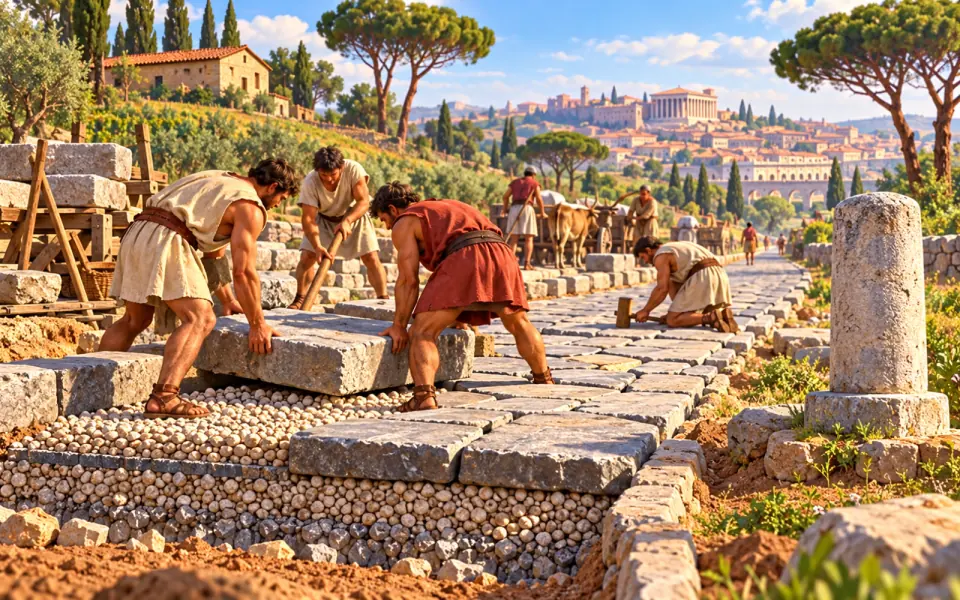 BeforeThe Appian Way312 BC
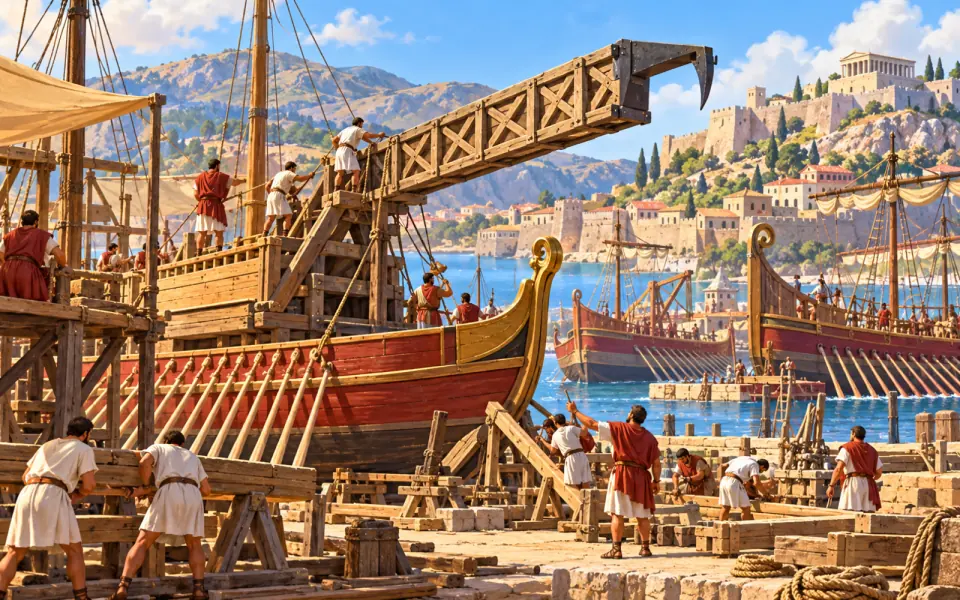 BeforeThe First Punic War264–241 BC
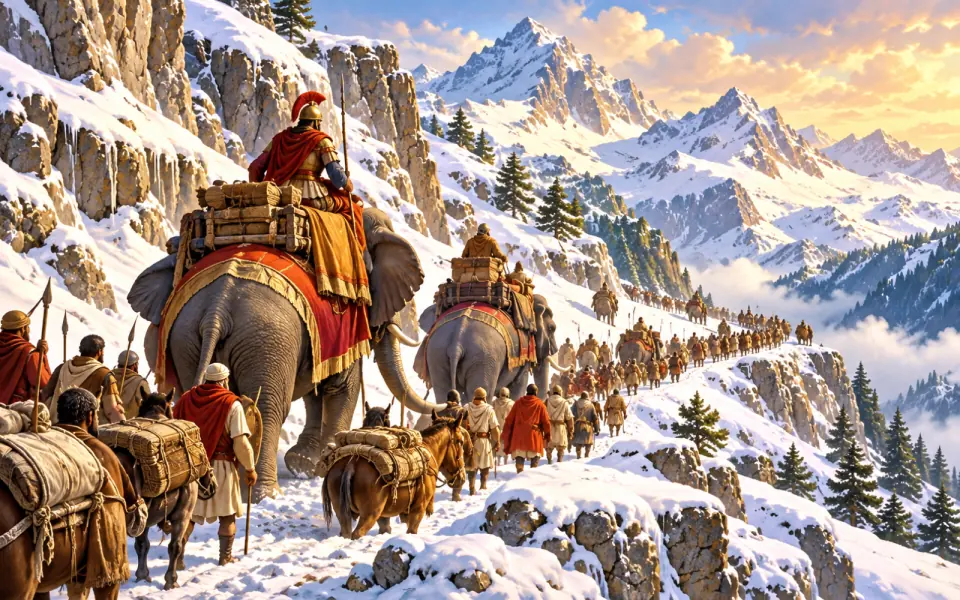 BeforeHannibal crosses the Alps218 BC
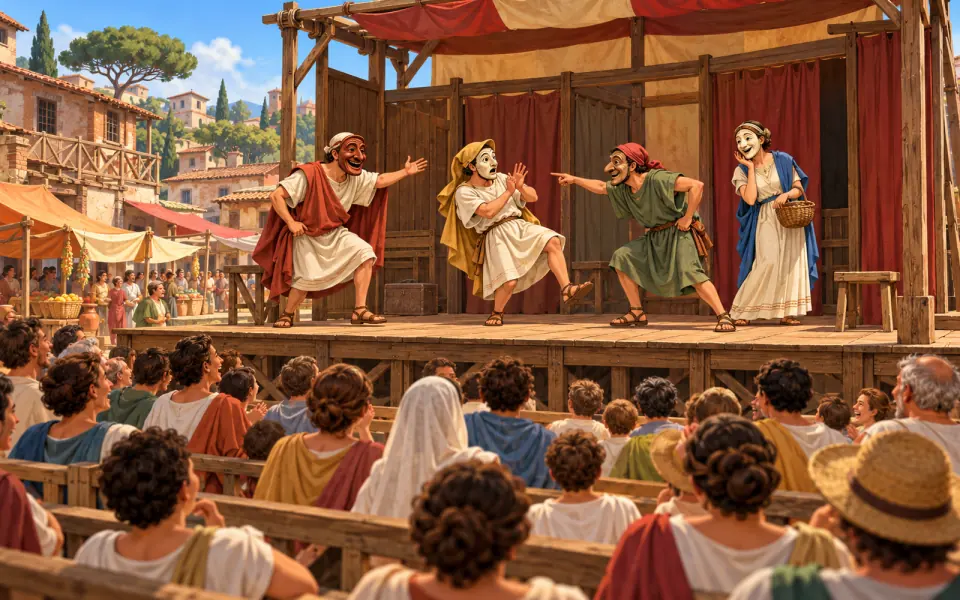 BeforePlautus and comedyabout 200 BC
 BeforeRoman concreteabout 150 BC
 BeforeThe Aqua Marcia aqueduct144–140 BC
 BeforeSpartacus leads the revolt73–71 BC
 BeforeCaesar crosses the Rubicon49 BC
 BeforeThe Julian calendar46 BC
 BeforeThe murder of Julius Caesar44 BC
 BeforeAugustus, the first emperor27 BC
 BeforeThe Pax Romana27 BC – AD 180
- You are hereVirgil and the Aeneid19 BC
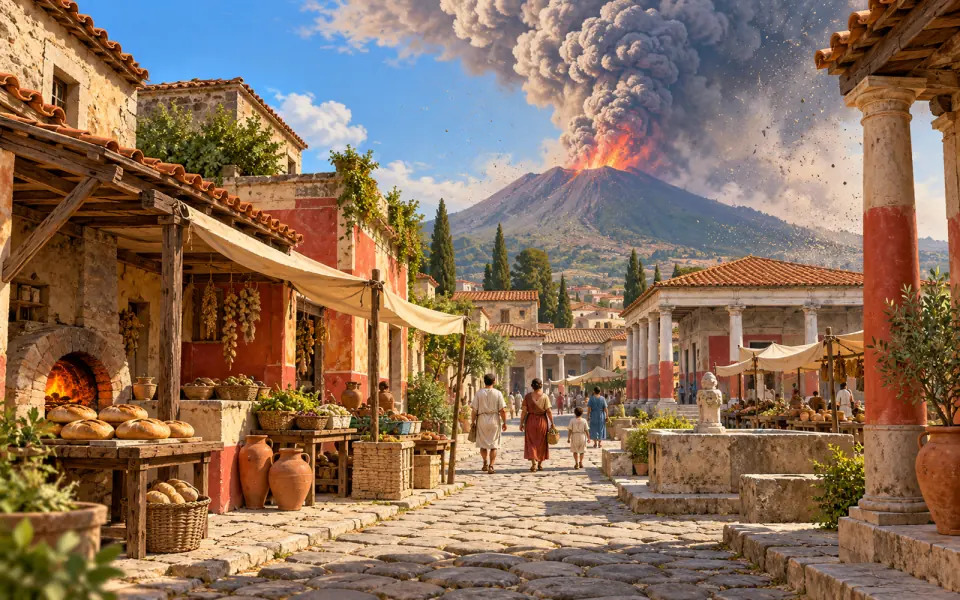 AfterPompeii buried by VesuviusAD 79
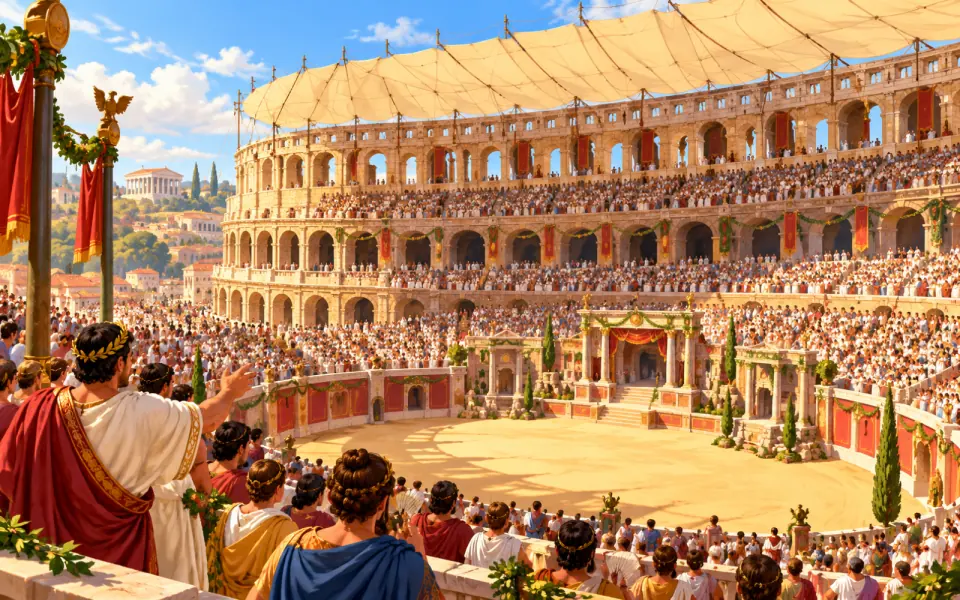 AfterThe Colosseum opensAD 80
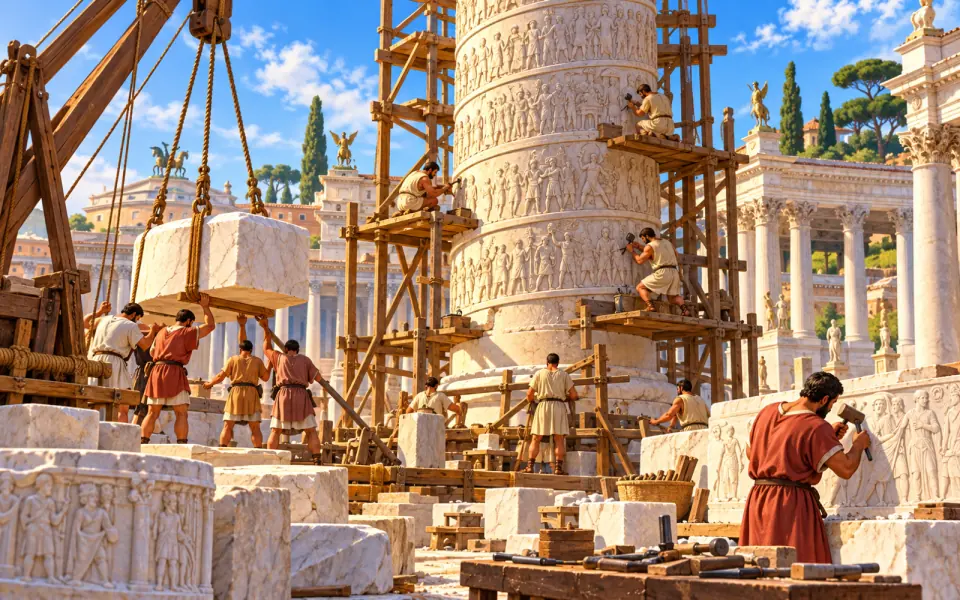 AfterTrajan's ColumnAD 113
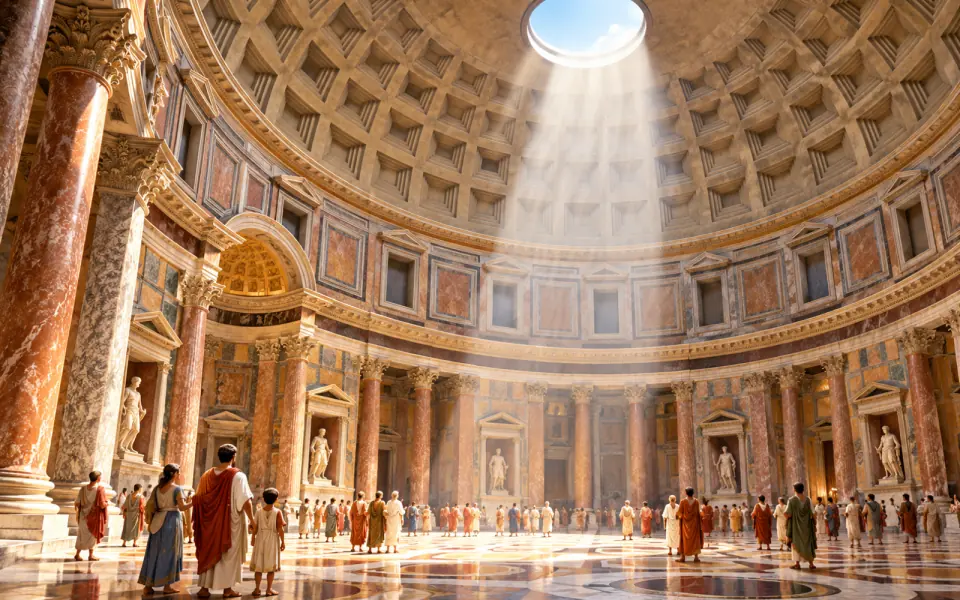 AfterThe Pantheonabout AD 125
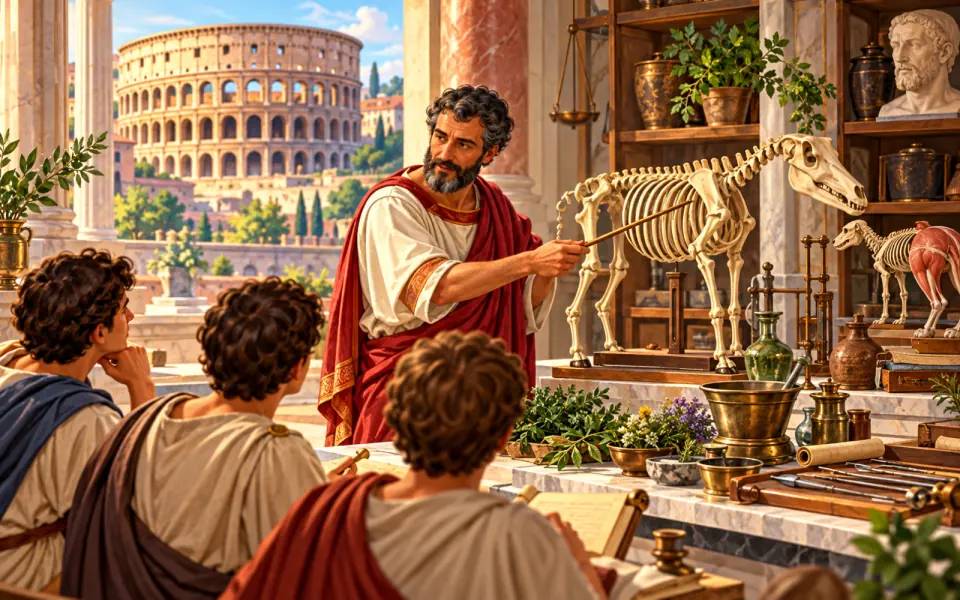 AfterGalen, a doctor in Romeabout AD 162
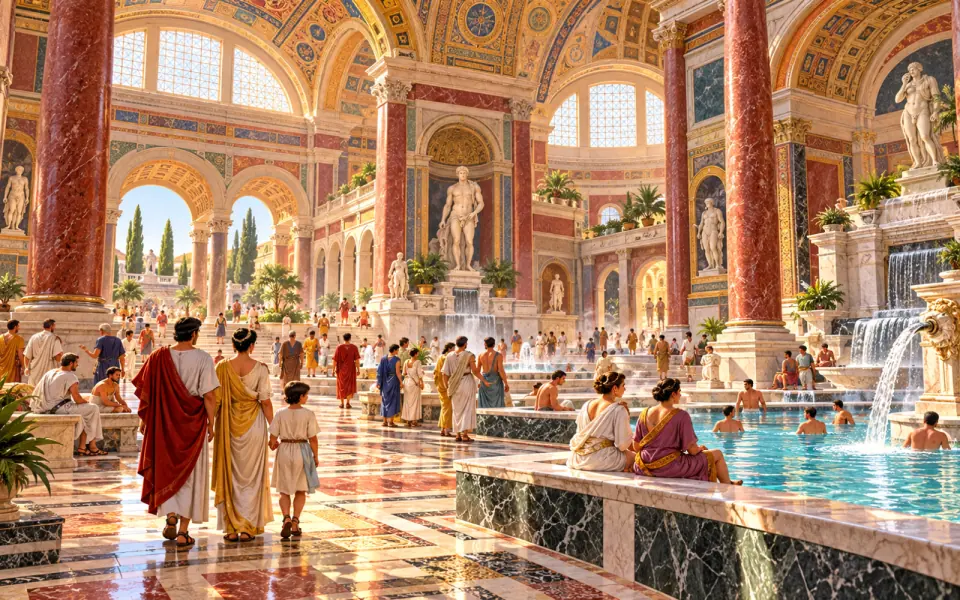 AfterThe Baths of CaracallaAD 216
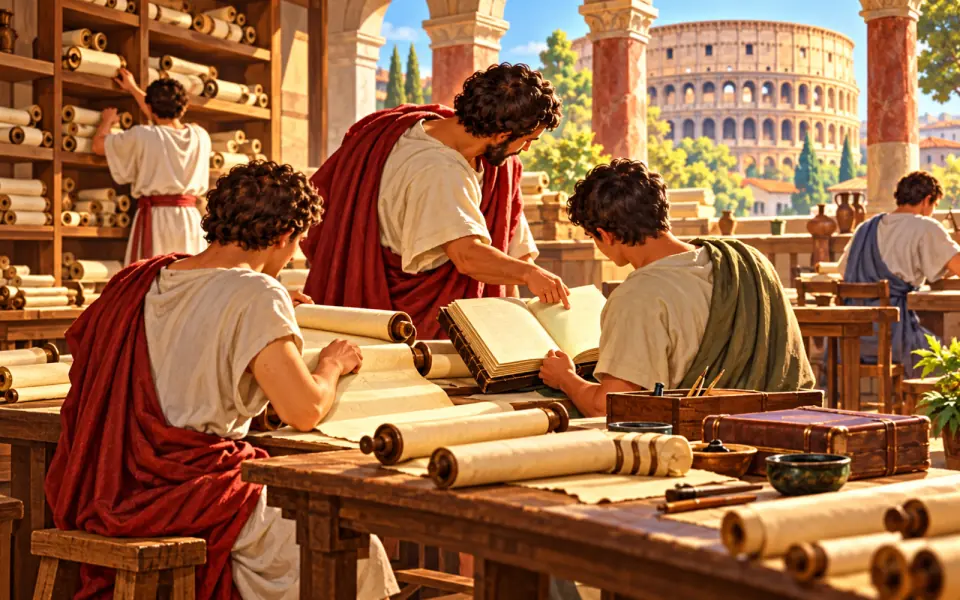 AfterThe book with pages (the codex)about AD 300
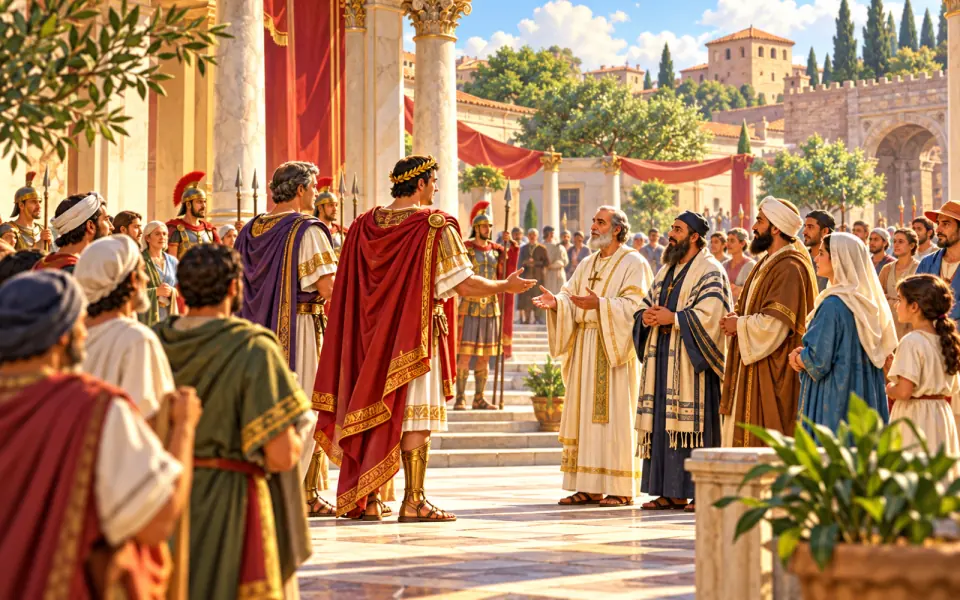 AfterThe Edict of MilanAD 313
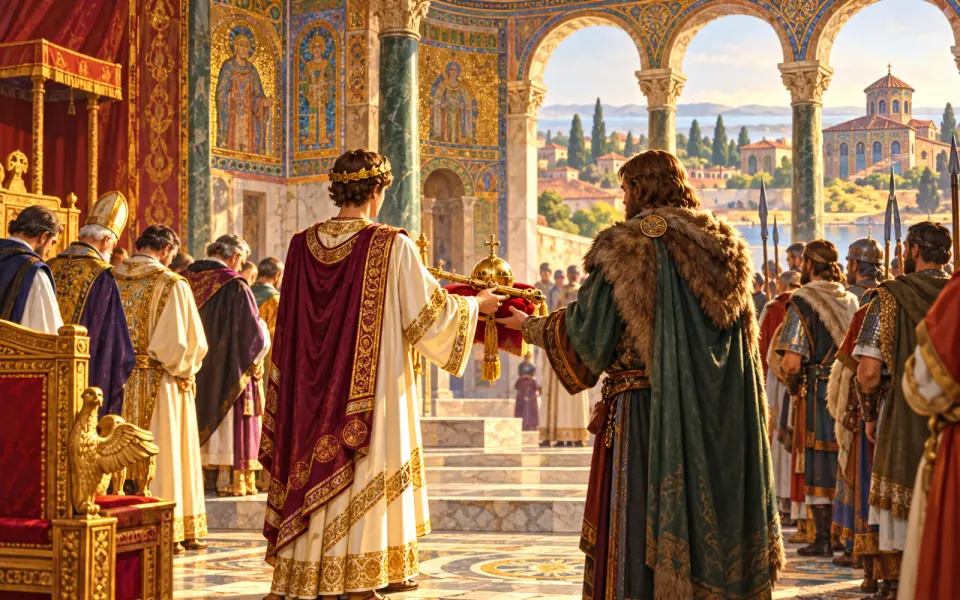 AfterFall of the Western Roman EmpireAD 476
Listen / Read next
- Music to read by: Cinematic JourneyEpic film-style music, no lyrics, by Ciro Simone IrmiciSpotifyYouTube Music
Meanwhile, elsewhere in the world
Other events of the era “Ancient Rome”
- Traditional founding of Rome
- Birth of the Roman Republic
- The Laws of the Twelve Tables
- The Appian Way
- The First Punic War
- Hannibal crosses the Alps
- Plautus and comedy
- Roman concrete
- The Aqua Marcia aqueduct
- Spartacus leads the revolt
- Caesar crosses the Rubicon
- The Julian calendar
- The murder of Julius Caesar
- Augustus, the first emperor
- The Pax Romana
- Pompeii buried by Vesuvius
- The Colosseum opens
- Trajan's Column
- The Pantheon
- Galen, a doctor in Rome
- The Baths of Caracalla
- The book with pages (the codex)
- The Edict of Milan
- Fall of the Western Roman Empire
