Hannibal crosses the Alps
218 BC Western Alps, between France and Italy
In short
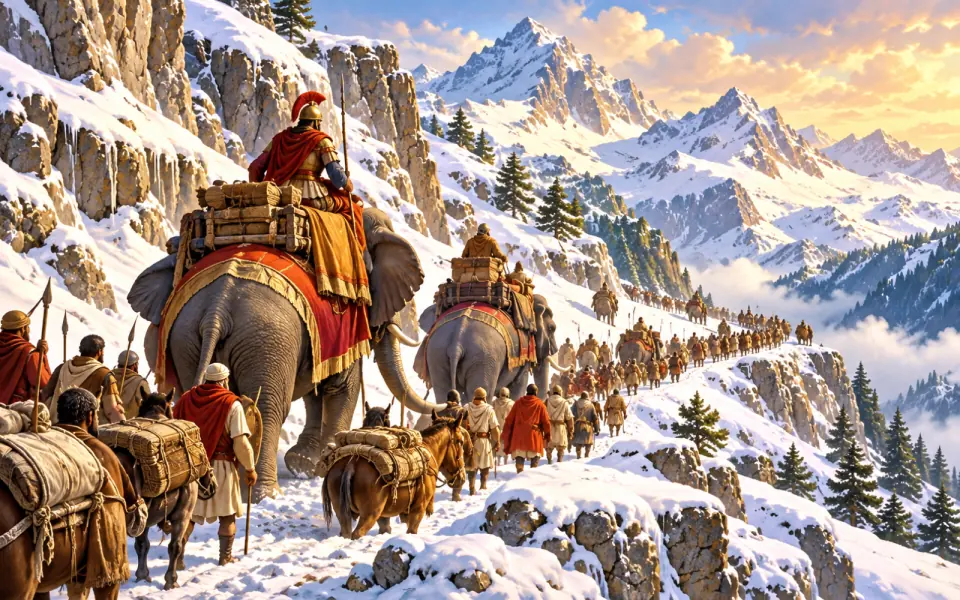
Hannibal, a general from Carthage, set out from Spain with a large army and dozens of war elephants. He crossed the Pyrenees and then the Alps in autumn, through snow, cold and very narrow paths, losing many men and animals. Once in Italy he defeated the Romans several times, including at the great Battle of Cannae. In the end, though, he was called back to Africa and defeated at Zama in 202 BC.
Why it matters His feat is still studied by military historians as an example of courage and strategy.
Source: Encyclopaedia Britannica, “Hannibal”
Study card about 6 minutes of reading
The story
The enemy who came from the Alps
Hannibal Barca was the son of Hamilcar, the Carthaginian general who had fought against the Romans in Sicily. According to a story handed down by the Greek historian Polybius, as a boy his father made him swear never to be a friend of Rome. Scholars today doubt that this really happened, but the story says a lot about how the ancients saw him: an enemy of Rome since childhood.
Carthage, after the First Punic War, had grown stronger in Spain. There Hannibal, still young, became a commander. In 219 BC he besieged Saguntum, a Spanish city allied with Rome. The siege lasted eight months and the city fell. Rome demanded that Hannibal be handed over, Carthage refused and the Second Punic War began.
The march towards Italy
Hannibal made a bold decision: instead of waiting for the Romans in Spain or attacking them by sea, where they were strong, he would cross Gaul and the Alps and come out in northern Italy, where nobody expected him. In the spring of 218 BC he set out from New Carthage (Nova Carthago), in southern Spain. The ancient sources give different and uncertain figures: they speak of 90,000 foot soldiers, 12,000 horsemen and 37 elephants, but along the way he left many to guard Spain and lost others on the marches.
He crossed the Pyrenees and the river Rhône, in France, using boats and rafts. The elephants were taken across on special rafts. At this point, according to Polybius, he had about 38,000 foot soldiers and 8,000 horsemen. A Roman army led by the consul Publius Cornelius Scipio tried to stop him, but Hannibal continued along the river.
The Alps
The most famous moment came towards the end of September. Climbing the Alps with thousands of men, horses and elephants, in the cold, along narrow paths and early snow, was a very hard feat. Livy tells of nine days of climbing up to the pass. There was fighting too against the mountain peoples, who attacked the column from above. After about fifteen days of marching in the Alps, according to Polybius, Hannibal reached the Po Valley with about 20,000 foot soldiers and 6,000 horsemen: he had lost more than half of his soldiers since leaving the Rhône.
Which pass he used we do not know for certain. Scholars have been arguing for centuries, and there are many theories. A more recent reconstruction points to the Col d'Autaret, in the Lanzo Valleys in Piedmont, but the question remains open. There is no final proof, and that is fine: great deeds often have a mystery.
The victories in Italy
In Italy Hannibal won battle after battle. On the river Ticinus he defeated the consul Publius Cornelius Scipio; in December 218 BC he won at the Trebbia, near Piacenza; in 217 at Lake Trasimene he set an ambush in the fog and the consul Gaius Flaminius died in the battle. In Rome it was then decided to avoid direct clashes, with the waiting strategy of Quintus Fabius Maximus, known as the Delayer (Cunctator).
But the most famous victory was at Cannae, in Apulia, in 216 BC. The Romans fielded a much larger army, about 80,000 foot soldiers and 6,000 horsemen. Hannibal used a tactic of encirclement: he let the centre of his line fall back and then closed the Romans in a vice. According to ancient sources between 50,000 and 70,000 legionaries fell (the figures are uncertain), including the consul Lucius Aemilius Paullus. It was the worst defeat in Roman history.
After Cannae one of his commanders, Maharbal, reproached him, according to Livy, for not knowing how to exploit the victory, that is, for not marching on Rome. Hannibal, however, did not think a direct attack on such a well-defended city was possible, and preferred to try to detach Rome's allied cities. A few cities in the south went over to his side, but most remained loyal to the Romans.
The end of the war
The Romans, meanwhile, took the war elsewhere. Publius Cornelius Scipio, son of the consul defeated at the Ticinus, won in Spain and then landed in Africa. In 203 BC Hannibal was recalled home and in 202 BC, at Zama, he was defeated: Scipio received the title “Africanus”. The peace, in 201, took away Carthage's possessions in Spain and left it without power in the western Mediterranean.
Hannibal governed his city for a few years, then had to flee. In 195 BC he took refuge with Antiochus III of Syria, and after Antiochus's defeat with King Prusias I of Bithynia. When the Romans demanded his surrender, he took his own life with poison, in a year between 183 and 181 BC, at Libyssa, in Bithynia.
Why it happened
After the First Punic War, Carthage had lost Sicily, Sardinia and Corsica, and had to pay heavy sums to the Romans. To recover strength the Barca family concentrated on Spain, rich in silver mines and soldiers. The Ebro treaty, of 226 BC, set a limit to Carthaginian expansion, but different versions of it exist.
The spark was the siege of Saguntum, a city allied with Rome, in 219 BC. For Polybius the deeper causes were Hamilcar's desire for revenge, the loss of Sardinia and Corsica with a further sum to be paid, and Carthaginian successes in Spain. Rome would neither hand over nor forgive, Carthage would not give way and the war began.
What changed
The Second Punic War lasted about sixteen years, from 218 to 201 BC. When it ended, Carthage had lost its lands in Spain, had to stay at peace and could not make war without Rome's permission. Rome, on the other hand, had become the master of the western Mediterranean. A few decades later, in 146 BC, Carthage was destroyed in the Third Punic War.
The war changed Italy too. The south was devastated by the fighting and many farmlands were left empty, while Rome conquered new provinces, in Spain and in Africa. Its army, made up of farmer-soldiers who stayed away from home for years, was changed for ever.
Hannibal is still an example of courage and strategy today. His battle of Cannae is studied in military academies all over the world as a model of the encircling manoeuvre. His Alps, with the elephants, have entered the collective imagination; his figure has inspired writers, film-makers and historians.
Key people and places
People
- Hannibal
- Carthaginian general, who died between 183 and 181 BC. He brought the war to Italy by crossing the Alps and won at Cannae.
- Publius Cornelius Scipio, known as Africanus
- Roman general who defeated Hannibal at Zama in 202 BC and received the title “Africanus”.
- Quintus Fabius Maximus
- Roman general known as “the Delayer”: he avoided direct clashes in order to wear Hannibal down.
- Polybius
- Greek historian who wrote the history of these wars; his work is one of the main sources.
Places
- Alps
- Mountain chain between France and Italy crossed by Hannibal in the autumn of 218 BC; the exact pass is unknown.
- Cannae
- Place in Apulia where in 216 BC the Romans suffered the worst defeat in their history.
- Zama
- Place near Carthage where in 202 BC Scipio defeated Hannibal.
- Saguntum
- Spanish city allied with Rome, besieged by Hannibal for eight months.
Good to know
- Hannibal set out with 37 war elephants, according to the ancient sources; how many reached Italy is not clear.
- According to Polybius, during the march through the marshes of the Arno Hannibal fell ill and lost the sight of one eye.
- The Alpine pass used by Hannibal is still debated: there are different reconstructions and no final proof.
- At Cannae, according to the ancient sources, between 50,000 and 70,000 legionaries fell: it was the worst Roman defeat.
- After Cannae one of his commanders, Maharbal, told him, according to Livy, that he knew how to win but not how to use a victory.
Find out more
- World History Encyclopedia, “Hannibal” worldhistory.org
- Wikipedia, “Hannibal” en.wikipedia.org
- Wikipedia, “Second Punic War” en.wikipedia.org
- Wikipedia, “Battle of Cannae” en.wikipedia.org
Related events
- The First Punic War264–241 BC · Ancient RomeThe First Punic War had seen Rome win and Carthage lose Sicily.
- The Phoenicians spread outabout 1200 BC · Sea civilisationsThe Carthaginians were descendants of the Phoenicians, great sailors of the Mediterranean.
- The conquests of Alexander334–323 BC · Ancient GreeceAlexander the Great, a century earlier, was the great model for the generals of antiquity.
- Spartacus leads the revolt73–71 BC · Ancient RomeA few decades later Rome had to face another enemy, from within: Spartacus.
- The Appian Way312 BC · Ancient RomeRoman roads made it possible to move legions to the south during the war.
Before and after, in the era “Ancient Rome”
Event 6 of 25
 BeforeTraditional founding of Romeabout 753 BC
 BeforeBirth of the Roman Republicabout 509 BC
 BeforeThe Laws of the Twelve Tablesabout 450 BC
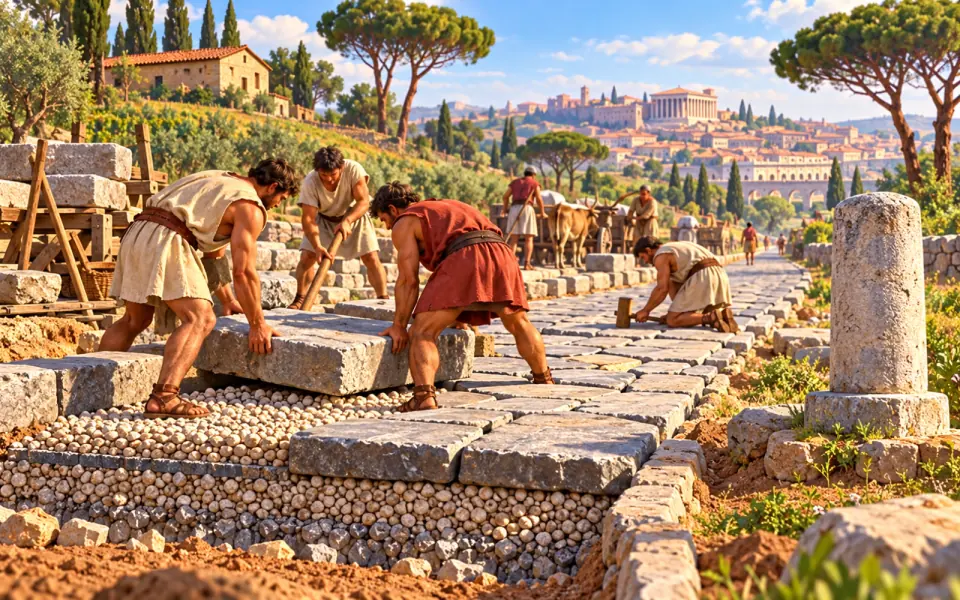 BeforeThe Appian Way312 BC
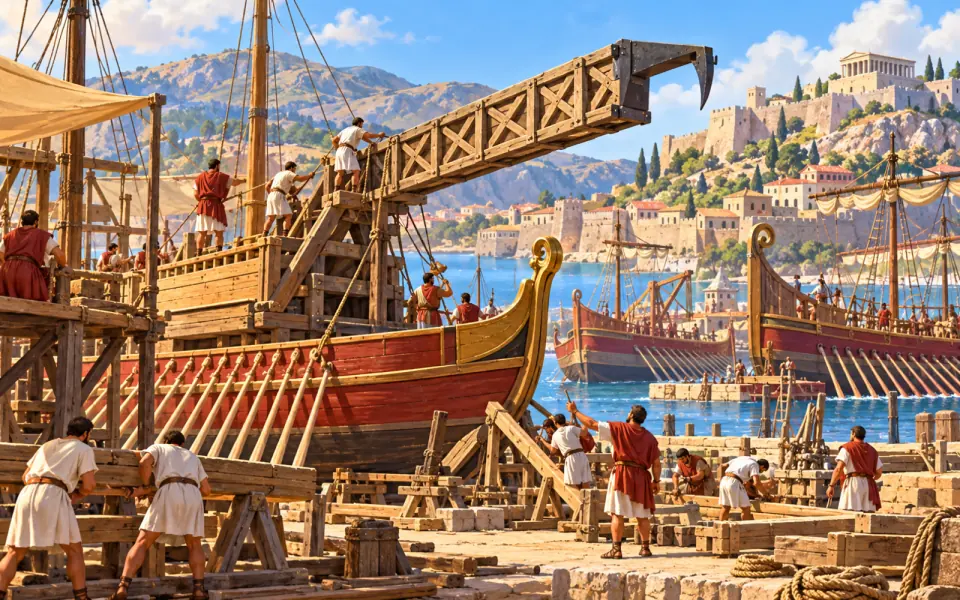 BeforeThe First Punic War264–241 BC
- You are hereHannibal crosses the Alps218 BC
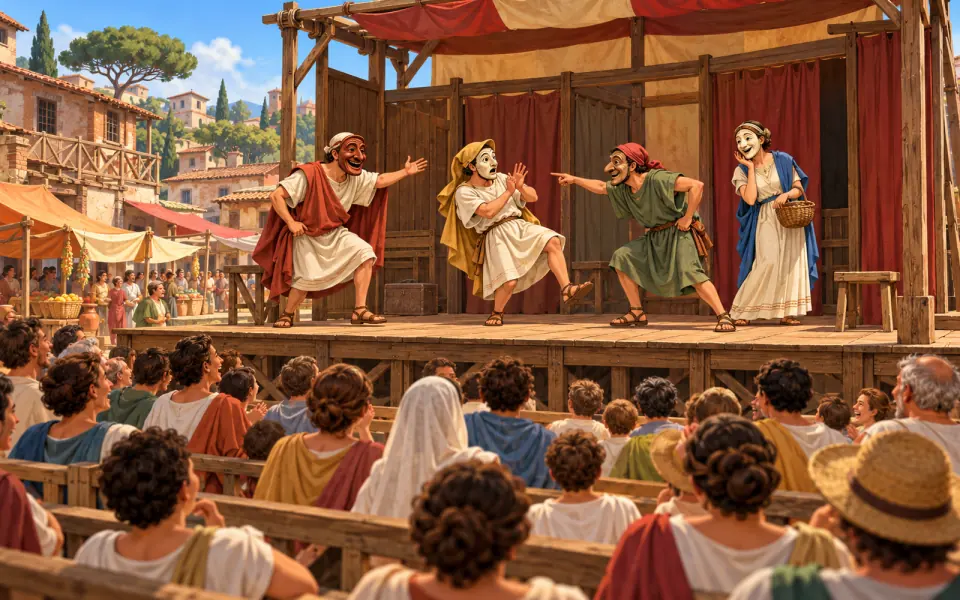 AfterPlautus and comedyabout 200 BC
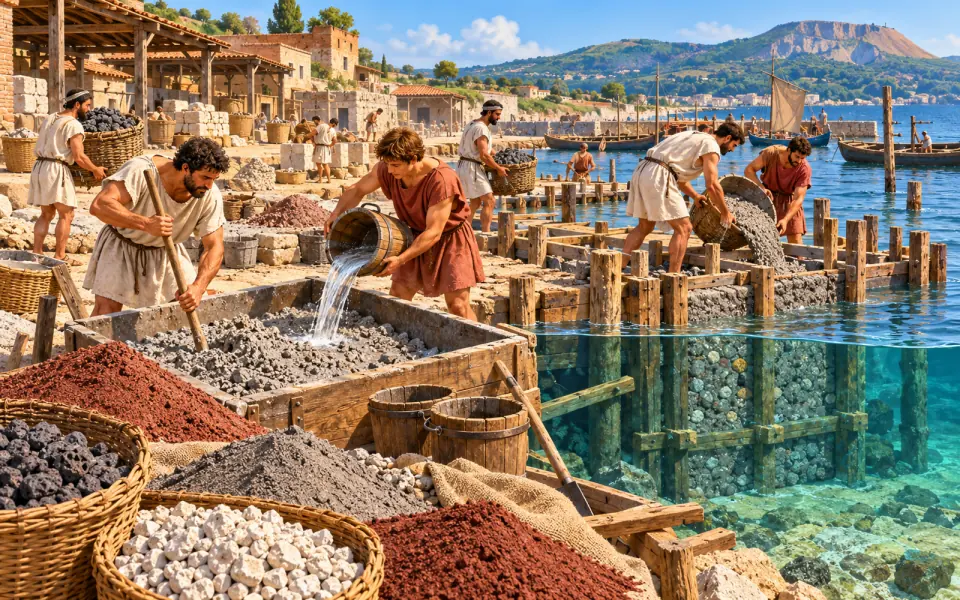 AfterRoman concreteabout 150 BC
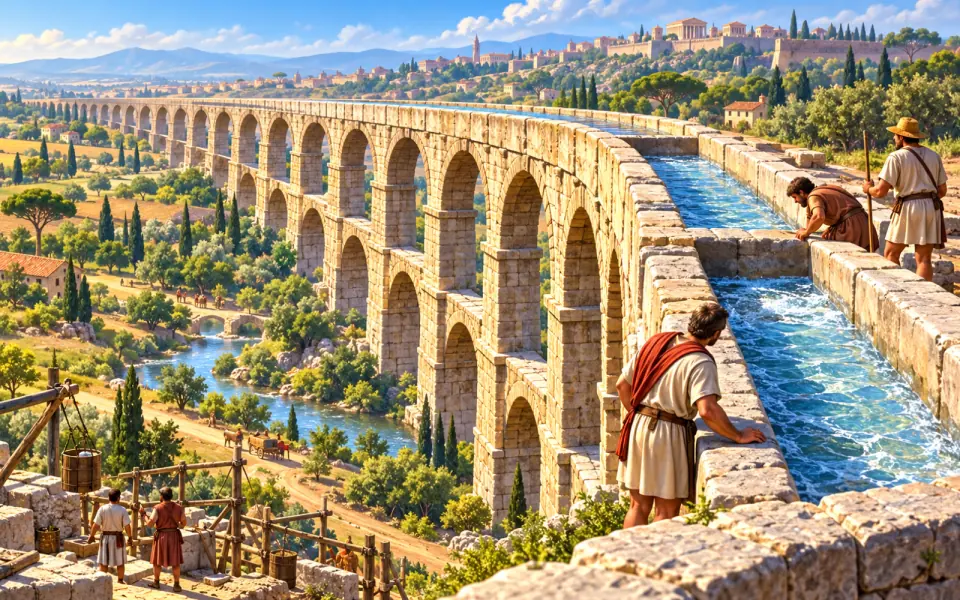 AfterThe Aqua Marcia aqueduct144–140 BC
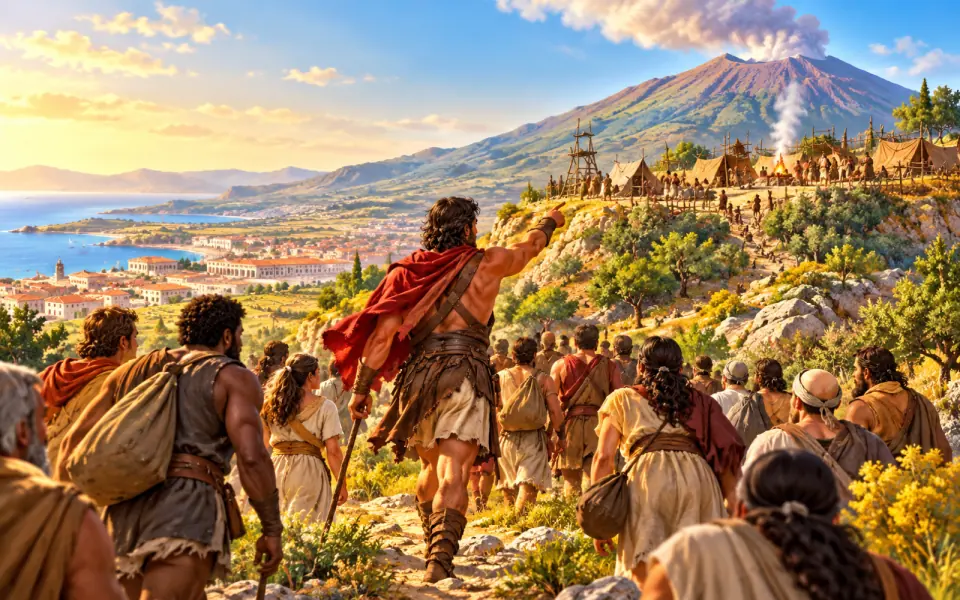 AfterSpartacus leads the revolt73–71 BC
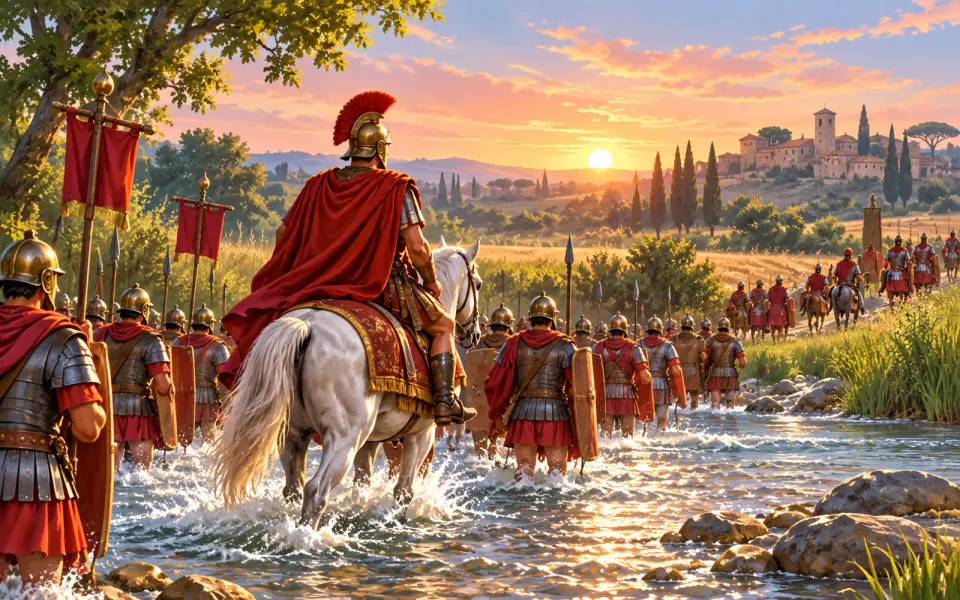 AfterCaesar crosses the Rubicon49 BC
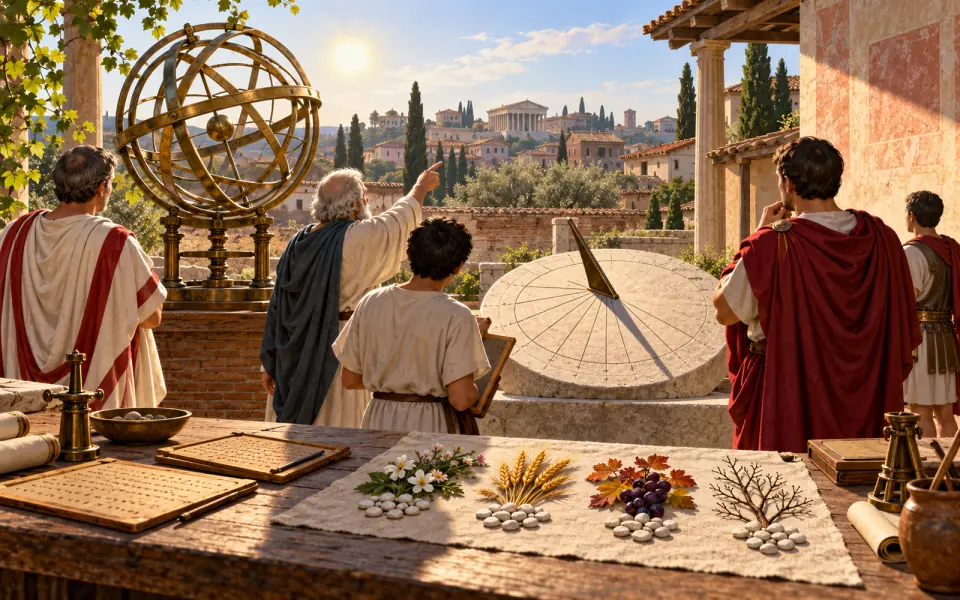 AfterThe Julian calendar46 BC
 AfterThe murder of Julius Caesar44 BC
 AfterAugustus, the first emperor27 BC
 AfterThe Pax Romana27 BC – AD 180
 AfterVirgil and the Aeneid19 BC
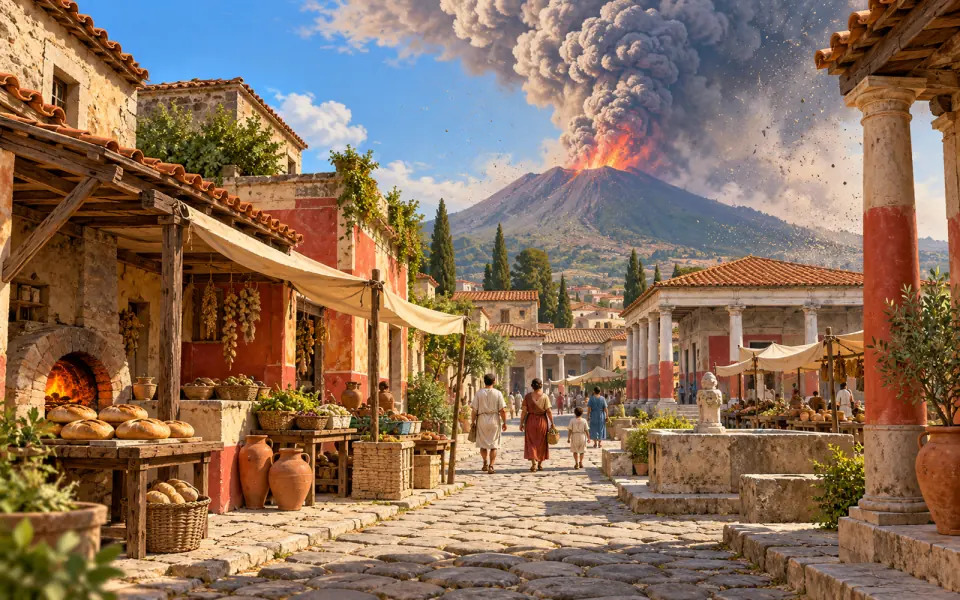 AfterPompeii buried by VesuviusAD 79
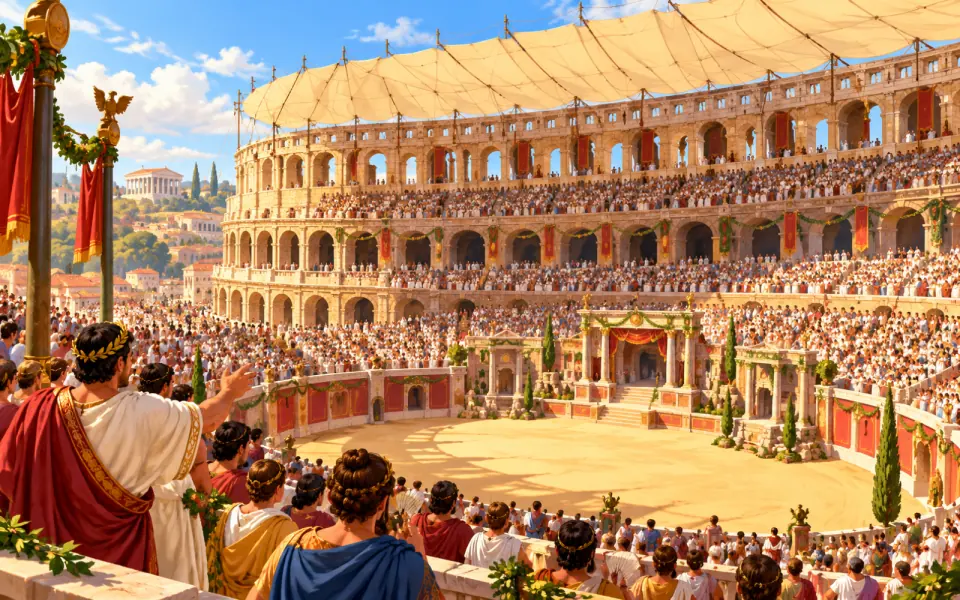 AfterThe Colosseum opensAD 80
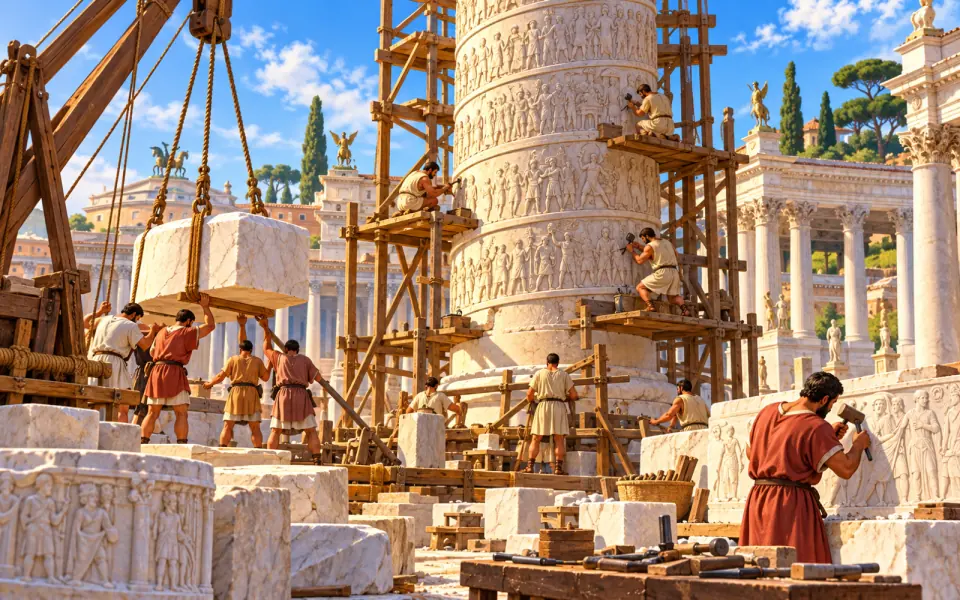 AfterTrajan's ColumnAD 113
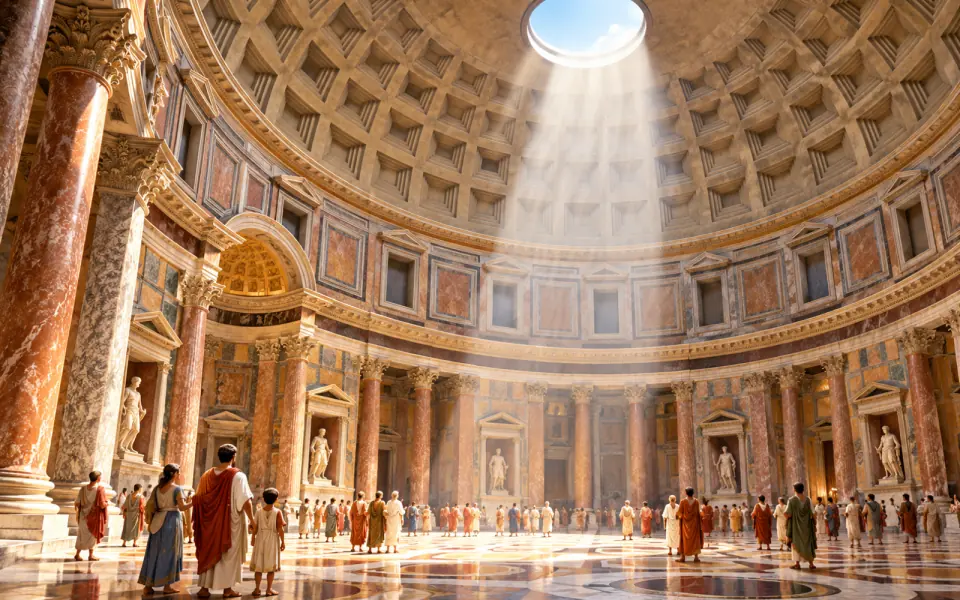 AfterThe Pantheonabout AD 125
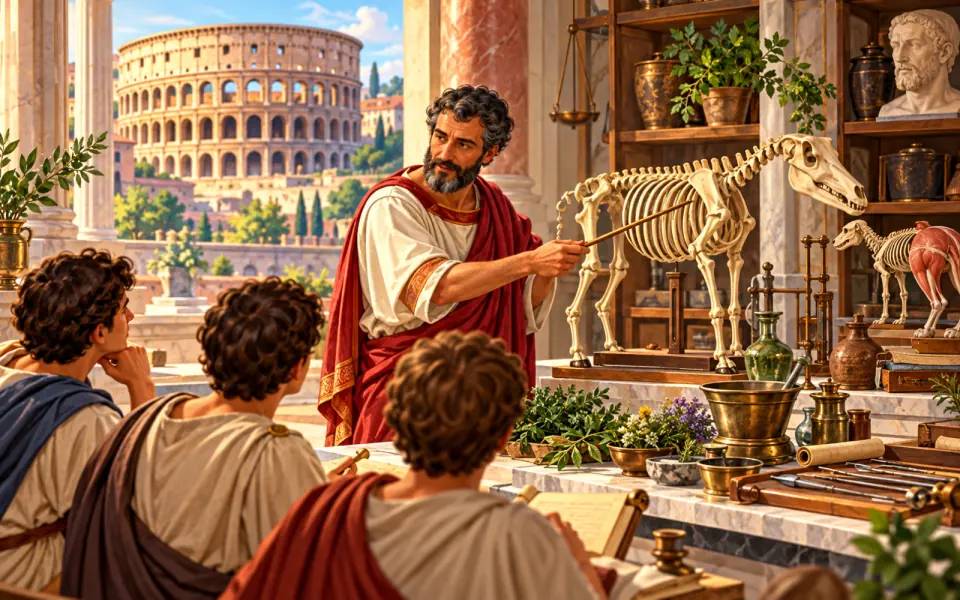 AfterGalen, a doctor in Romeabout AD 162
 AfterThe Baths of CaracallaAD 216
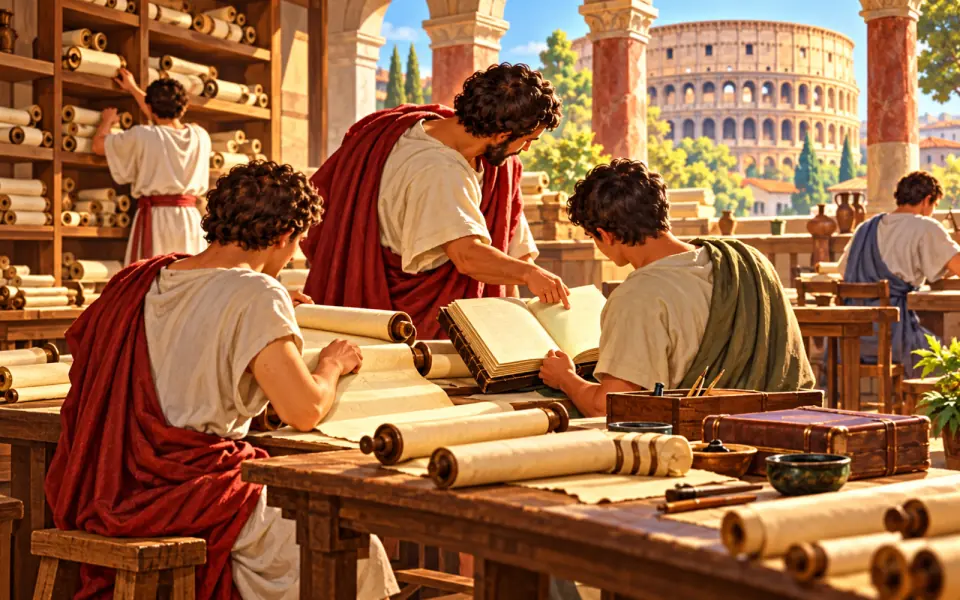 AfterThe book with pages (the codex)about AD 300
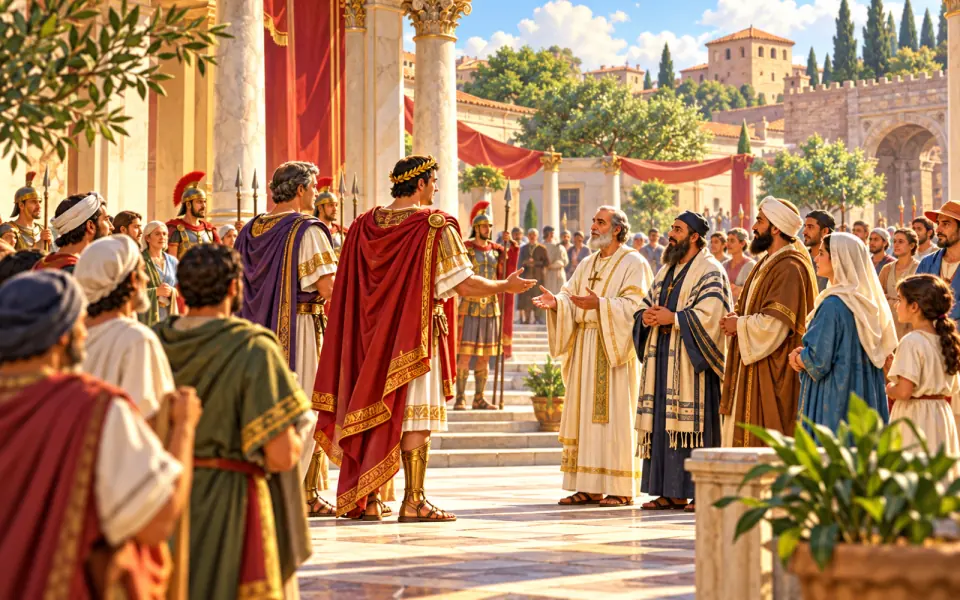 AfterThe Edict of MilanAD 313
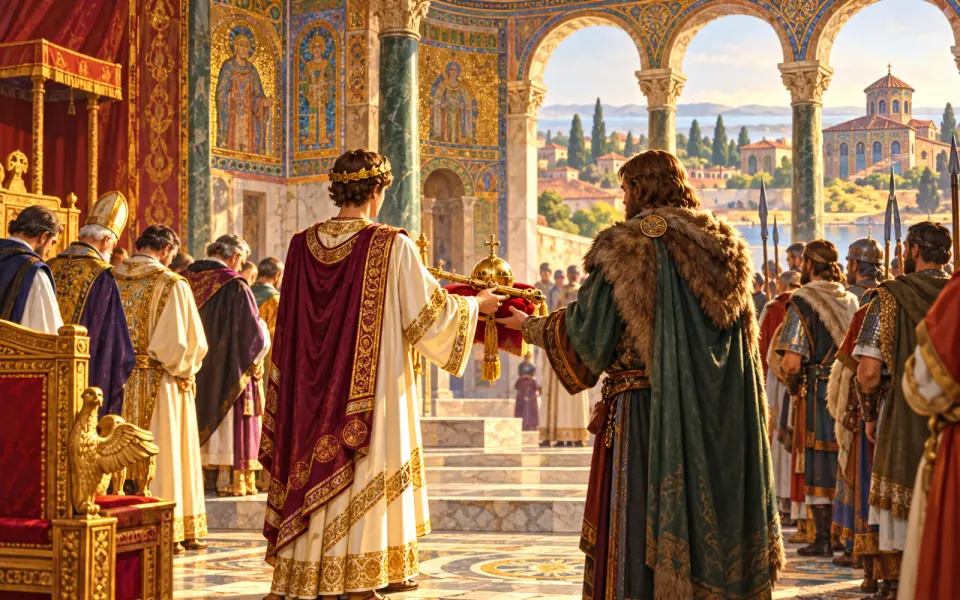 AfterFall of the Western Roman EmpireAD 476
Listen / Read next
- Music to read by: Cinematic JourneyEpic film-style music, no lyrics, by Ciro Simone IrmiciSpotifyYouTube Music
Meanwhile, elsewhere in the world
Other events of the era “Ancient Rome”
- Traditional founding of Rome
- Birth of the Roman Republic
- The Laws of the Twelve Tables
- The Appian Way
- The First Punic War
- Plautus and comedy
- Roman concrete
- The Aqua Marcia aqueduct
- Spartacus leads the revolt
- Caesar crosses the Rubicon
- The Julian calendar
- The murder of Julius Caesar
- Augustus, the first emperor
- The Pax Romana
- Virgil and the Aeneid
- Pompeii buried by Vesuvius
- The Colosseum opens
- Trajan's Column
- The Pantheon
- Galen, a doctor in Rome
- The Baths of Caracalla
- The book with pages (the codex)
- The Edict of Milan
- Fall of the Western Roman Empire
