Taming fire
about 790,000 years ago Gesher Benot Ya'aqov, Israel
In short
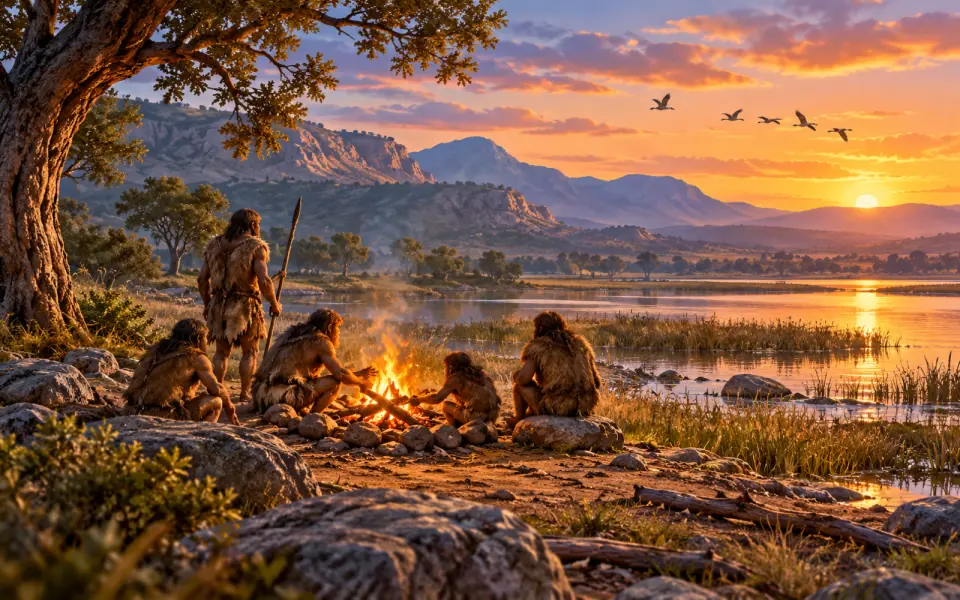
The oldest traces of fires lit and kept under control are almost 800,000 years old and come from the site of Gesher Benot Ya'aqov, in Israel. Fire gave warmth, light and protection from animals, and made it possible to cook food. When it became an everyday habit is still debated.
Why it matters Cooking food and gathering round the fire changed the way our ancestors lived.
Source: Scientific American, “Scorched Remains Suggest Ancient Humans Were Firestarters”
Study card about 5 minutes of reading
The story
Nature's fire and human fire
Fire existed long before us. Lightning, volcanoes and savannah blazes have been lighting it for hundreds of millions of years, ever since plants began to cover the land. Our ancestors certainly knew it, probably with a healthy fear: a grass fire runs faster than a person. The difference comes when someone stops running away and starts to use it. First they collect it, then they keep it alive, and finally they learn to light it. These are three different steps, and it is not easy to tell which one the signs we find in the ground correspond to.
The problem is that fire leaves fragile traces: ash that wind and rain sweep away, charcoal that crumbles, reddened stones that may have been heated even by a natural fire. To prove that a human group used a fire, you need to find signs repeated in the same spot, near tools and bones.
Gesher Benot Ya'aqov
One of the most studied cases is in Israel, on the bank of the River Jordan, in a place whose Hebrew name means “Daughters of Jacob Bridge”. Here archaeologists found layers of an ancient lake with a great many stone tools. The team led by Naama Goren-Inbar of the Hebrew University of Jerusalem discovered that many flakes of flint, pieces of wood, seeds and fruits were burnt, and that they were concentrated in certain precise spots, as if they were hearths. The study, published in 2004 in the journal Science, dated the site to about 790,000 years ago. Not everyone is convinced that these were fires lit by humans: some scholars think of natural blazes.
The discovery convinced many people because the traces were not scattered at random: they came back in precise areas in all the layers of the site. It looked like the trace of people who returned many times to the same place to light fires. Archaeologists think they were lit by Homo erectus, or a very close species, that lived here.
Other clues, older and more disputed
There is evidence that some scientists propose as even older. In Wonderwerk Cave in South Africa, a 2012 study recognised burnt bones and plant ash in a layer about a million years old, and concluded that the fire had been lit inside the cave, away from wind and lightning. In Kenya, at Koobi Fora and Chesowanja, there are baked earth and reddened clays about 1.5 million years old, but many researchers prefer not to attribute them to a human fire, because they could be due to natural blazes.
In short, there is no date accepted by everyone. We can say that fire was used by our ancestors for at least 800,000 to 1,000,000 years, and perhaps earlier. Regular fire, lit at will, becomes very clear instead after 400,000 years ago, when repeated hearths with ash and cooked bones appear both in Europe and in the Near East. We know that Neanderthals could use fire confidently and probably also light it, for example with pyrite.
What changed around the hearth
Cooking food makes it easier to chew and digest and lets you get more energy from it. Some scholars, such as the biologist Richard Wrangham, think that cooking was decisive in making our brain grow, since it uses a huge amount of energy. Others are more cautious, because it is not clear when cooking became regular. Heat also protected against the cold and made it possible to live in colder regions; light made it possible to stretch the day after sunset; and the flames kept lions, leopards and hyenas away.
Fire also brought another important novelty: a light to sit around. The group stayed awake, looked at one another, talked. Some scientists have noticed that hunter-gatherers today, around the fire in the evening, tell stories much more often than by day. Perhaps that is how tales, songs and teachings handed down from one generation to the next were born.
Why it happened
To use fire you needed a brain able to understand that a flame can be fed and remembered, and a group able to cooperate to keep it burning. You also needed free hands, to carry wood, and the ability to stay in one place for a while.
Environmental conditions mattered a great deal. Where dry seasons and wildfires were frequent, as on the African savannah, it was common to see fire and also to find its hot remains. Anyone who learned to pick up a burning brand from a natural blaze already had a resource in hand.
The hardest step was probably making fire without waiting for a natural blaze. You can do it by striking flint against pyrite, or with a little stick spinning fast against another, but you first have to discover how. We do not know when or where this first happened.
What changed
Fire made it possible to live in places that were impossible before, such as dark caves or the cold Europe of the ice ages. Without fire it would not have been possible for human groups to survive the winter in the lands of the North.
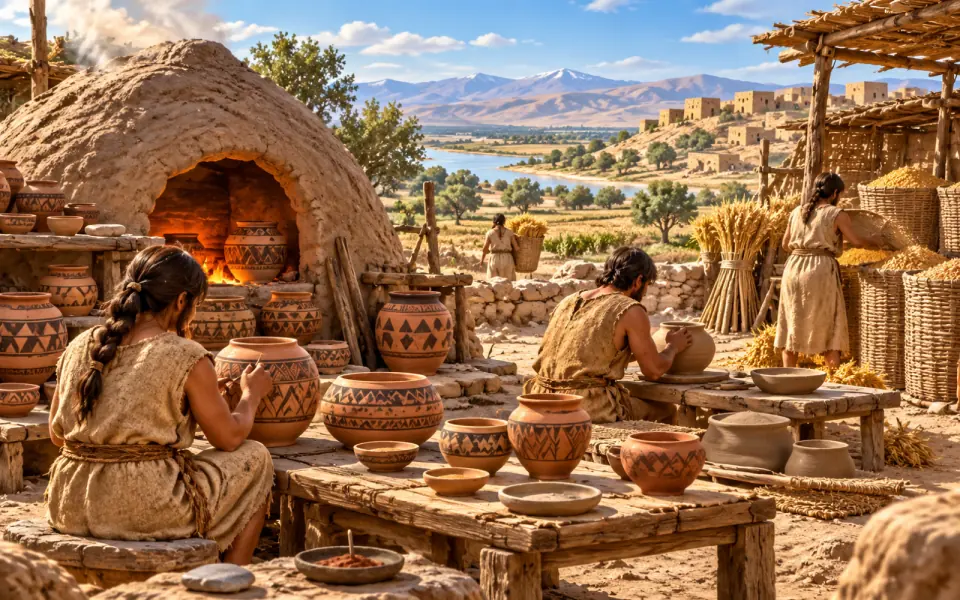
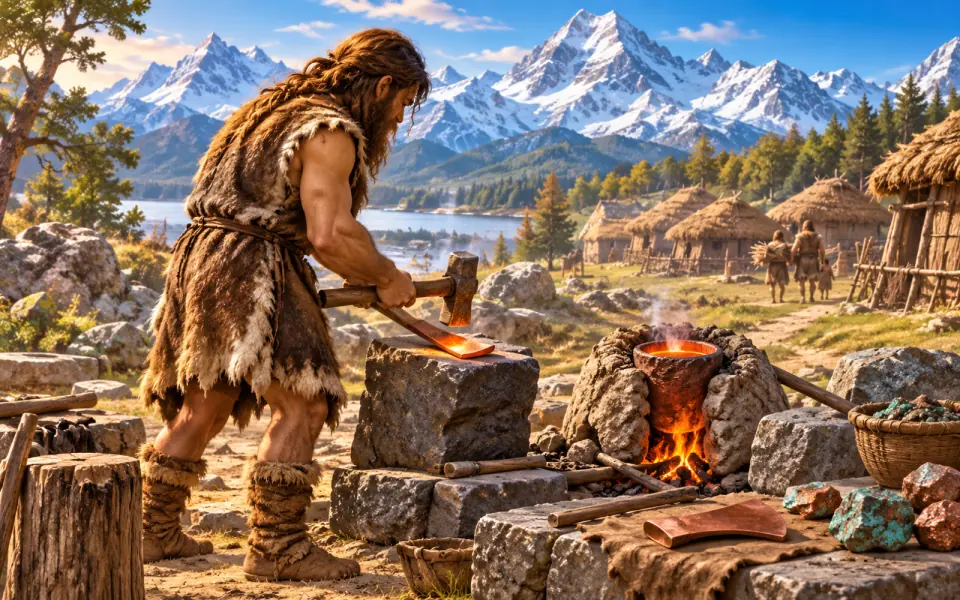
With time, fire became a real technology: it was used to harden the tips of wooden spears, to make birch tar to use as glue, to bake clay into pots and figurines, and much later to melt metals. Almost all the materials that built the ancient world, from pottery to bronze and iron, come from fire.
It is still at the centre of our lives today: we heat our homes, we cook, we run engines and power stations with flames, even if we often no longer see them. And the word “hearth” has remained a symbol of home and family.
Key people and places
People
- Naama Goren-Inbar
- Israeli archaeologist of the Hebrew University of Jerusalem. She has led the excavations at Gesher Benot Ya'aqov for decades and has shown the traces of fire from 790,000 years ago.
- Richard Wrangham
- British anthropologist at Harvard University. In his book “Catching Fire” he argues that cooking food was decisive for human evolution.
- Francesco Berna
- Geoarchaeologist. He led the study of fire in Wonderwerk Cave in South Africa, published in 2012.
Places
- Gesher Benot Ya'aqov (Israel)
- A site on the bank of the River Jordan, north of the Sea of Galilee, with hearths about 790,000 years old.
- Wonderwerk Cave (South Africa)
- A long cave in the Kalahari Desert, with burnt bones and ash about a million years old.
- Koobi Fora (Kenya)
- An area on Lake Turkana where reddened earth 1.5 million years old has been found, perhaps burnt by humans, perhaps by natural fires.
Good to know
- Lighting a fire with two little sticks is harder than it looks: you need the right woods, a lot of practice and patience, and many beginners fail even after hours of trying.
- Pyrite, used to make sparks by striking it against flint, has a name that comes from the Greek pyr, “fire”.
- Keeping a fire going all night takes a lot of wood: collecting fuel was one of the most important jobs of the group.
- Hunter-gatherers today, such as the San of southern Africa, spend many hours of the evening around the fire, talking and telling stories.
- In Greek myth fire was stolen from the gods by Prometheus and brought to humans: the legend reminds us how important it was for life.
Find out more
- Scientific American, “Scorched Remains Suggest Ancient Humans Were Firestarters” (in English) scientificamerican.com
- Wikipedia, “Homo erectus” en.wikipedia.org
- Wikipedia, “Paleolithic” en.wikipedia.org
- Wikipedia, “Human evolution” en.wikipedia.org
Related events
- Homo erectusabout 1.9 million years ago · PrehistoryHomo erectus is the species to which the first controlled fires are attributed.
- Neanderthalsabout 400,000 years ago · PrehistoryNeanderthals used fire confidently, for warmth and for cooking.
- Pottery spreadsabout 9,000 years ago · PrehistoryFire made it possible to bake clay and make the first pots.
- Working with copperabout 7,000 years ago · PrehistoryWith much hotter fires people learned to melt metals.
- The Iron Age beginsabout 1200 BC · Sea civilisationsThe Iron Age depends on the control of even more powerful fires.
Before and after, in the era “Prehistory”
Event 6 of 25
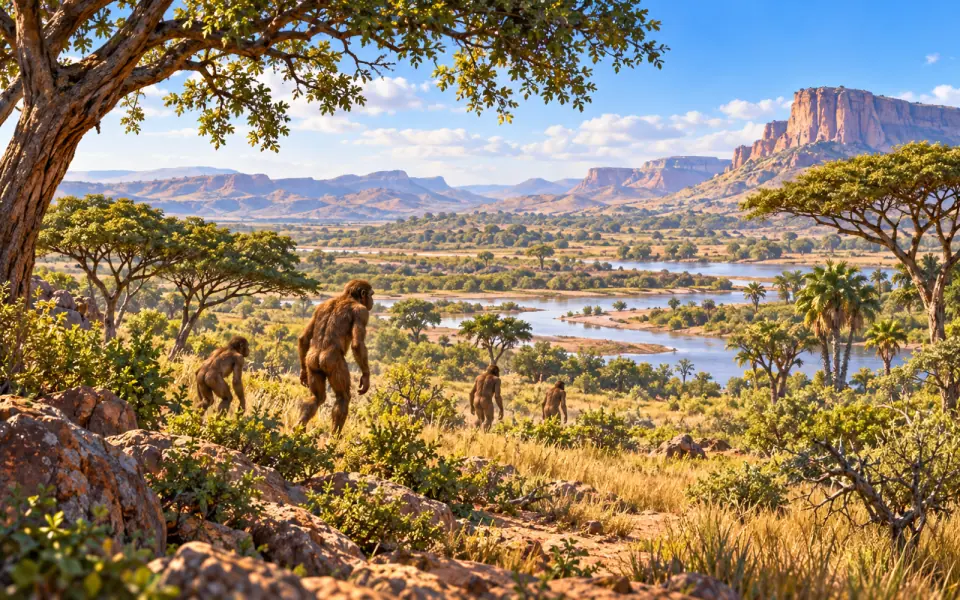 BeforeThe first homininsabout 7 million years ago
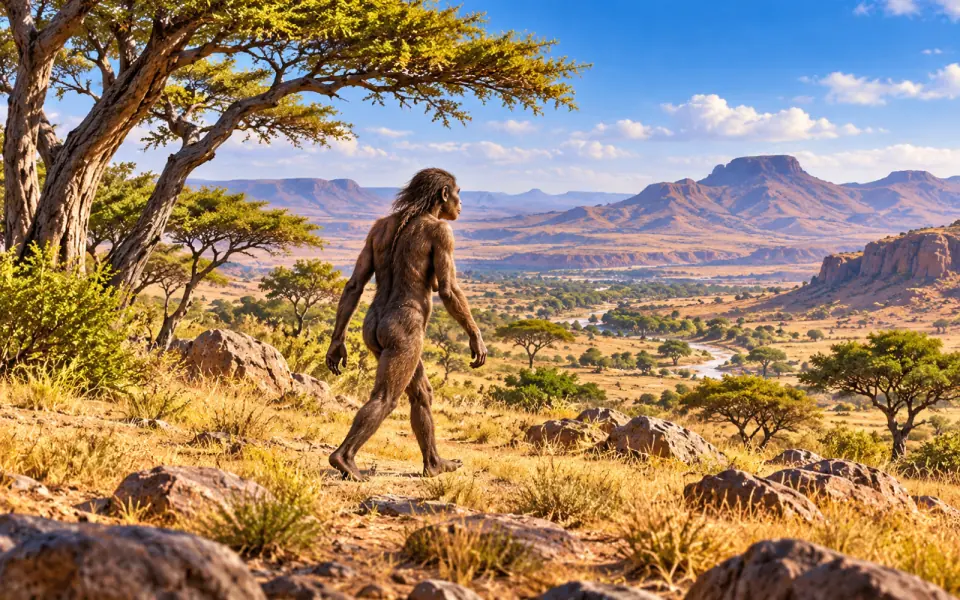 BeforeLucy the australopithecineabout 3.2 million years ago
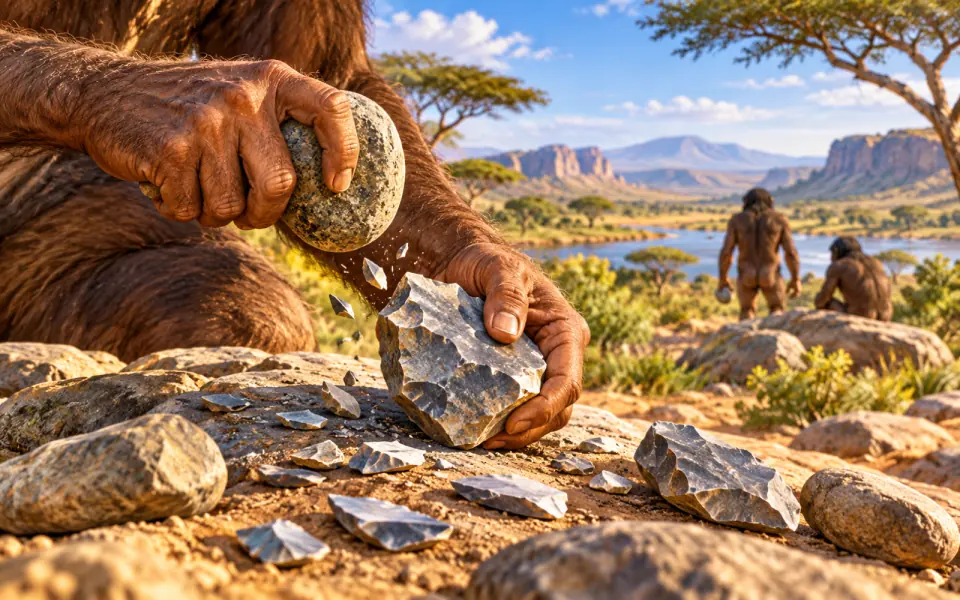 BeforeThe first stone toolsabout 2.6 million years ago
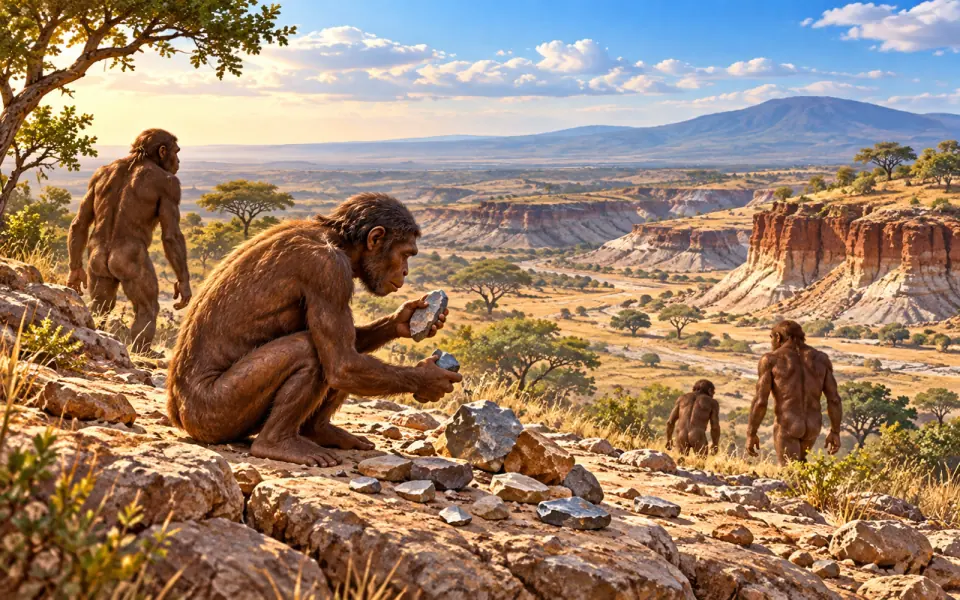 BeforeHomo habilisabout 2.4 million years ago
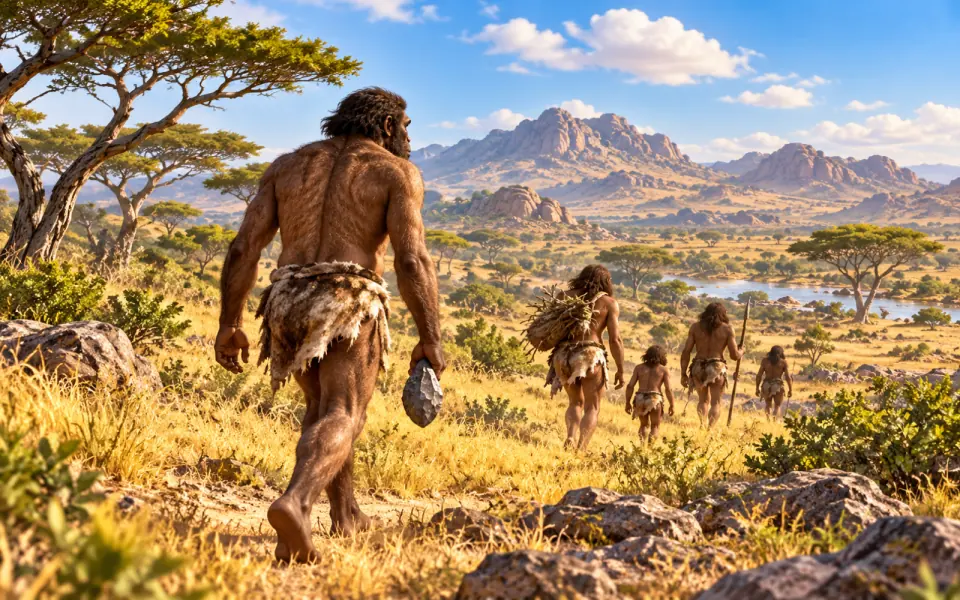 BeforeHomo erectusabout 1.9 million years ago
- You are hereTaming fireabout 790,000 years ago
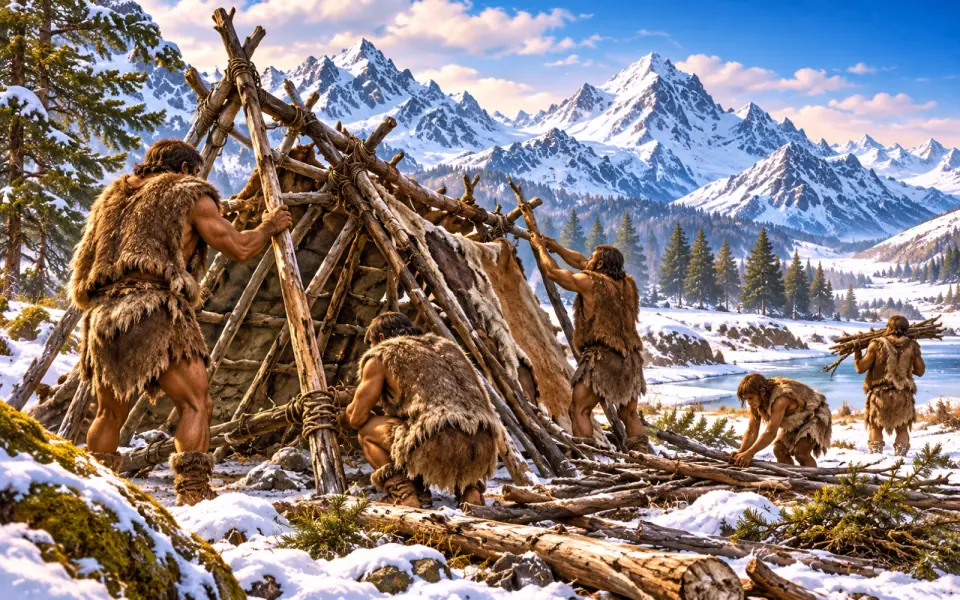 AfterHomo heidelbergensisabout 600,000 years ago
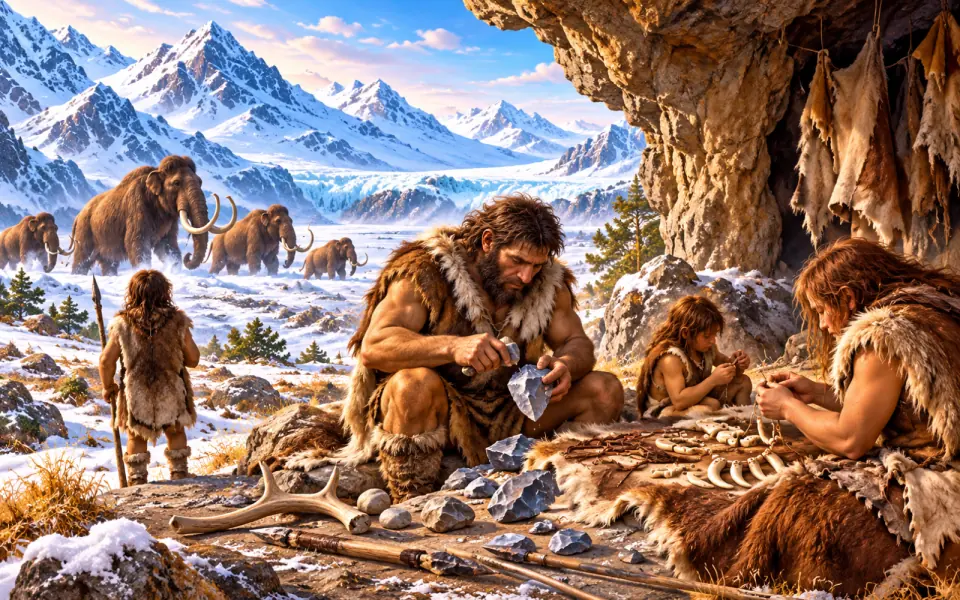 AfterNeanderthalsabout 400,000 years ago
 AfterThe arrival of Homo sapiensabout 300,000 years ago
 AfterThe first deliberate burialsabout 100,000 years ago
 AfterHomo sapiens leaves Africaabout 60,000 years ago
 AfterThe needle with an eyeabout 48,000 years ago
 AfterThe first people in Australiaabout 48,000 years ago
 AfterThe cave art of Sulawesiabout 44,000 years ago
 AfterThe Venus of Willendorfabout 28,000 years ago
 AfterThe Lascaux caveabout 19,000 years ago
 AfterThe first permanent villagesabout 14,000 years ago
 AfterThe Neolithic Revolutionabout 12,000 years ago
 AfterTaming the sheepabout 11,000 years ago
 AfterThe walls of Jerichoabout 10,300 years ago
 AfterPottery spreadsabout 9,000 years ago
 AfterÇatalhöyükabout 9,000 years ago
 AfterWorking with copperabout 7,000 years ago
 AfterThe invention of the wheelabout 5,500 years ago
 AfterThe Bronze Ageabout 5,300 years ago
Listen / Read next
- Music to read by: Cinematic JourneyEpic film-style music, no lyrics, by Ciro Simone IrmiciSpotifyYouTube Music
Meanwhile, elsewhere in the world
Other events of the era “Prehistory”
- The first hominins
- Lucy the australopithecine
- The first stone tools
- Homo habilis
- Homo erectus
- Homo heidelbergensis
- Neanderthals
- The arrival of Homo sapiens
- The first deliberate burials
- Homo sapiens leaves Africa
- The needle with an eye
- The first people in Australia
- The cave art of Sulawesi
- The Venus of Willendorf
- The Lascaux cave
- The first permanent villages
- The Neolithic Revolution
- Taming the sheep
- The walls of Jericho
- Pottery spreads
- Çatalhöyük
- Working with copper
- The invention of the wheel
- The Bronze Age
