The unification of Italy
1861 Turin, Italy
In short
On 17 March 1861 in Turin, then the capital, Parliament proclaimed the birth of the Kingdom of Italy, with Victor Emmanuel II as king. The new state still lacked Venice, which joined in 1866, and Rome, reached by the Italian army in 1870 and later made the capital. Count Cavour, who had guided Piedmont's policy, died a few months later. Italians were at last in a single country, but they spoke different dialects and a great many could not read.
Why it matters 17 March is remembered every year in Italy as National Unity Day.
Source: Treccani, entry “Risorgimento”
Study card about 5 minutes of reading
The story
17 March 1861
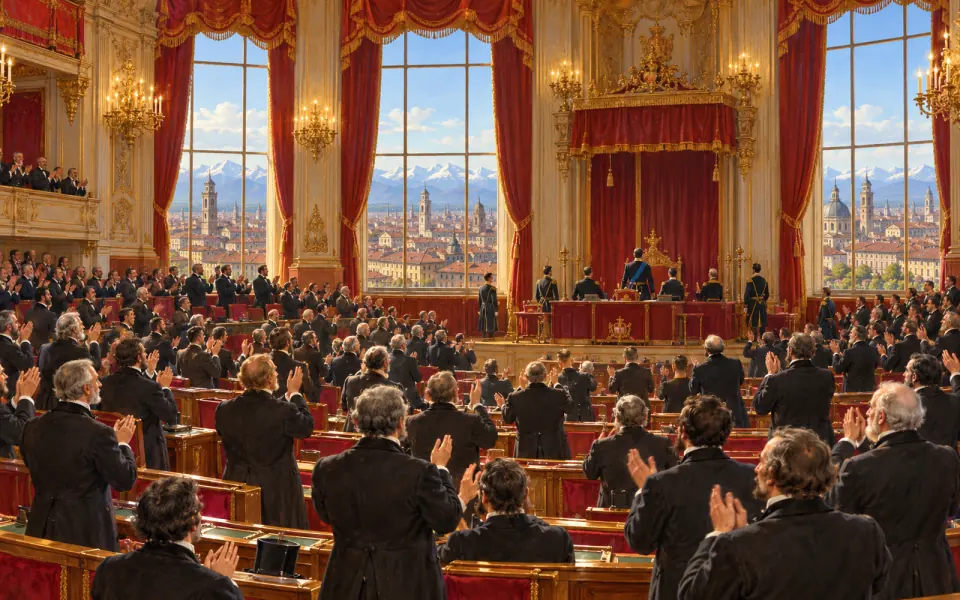
On 17 March 1861 in Turin, in Palazzo Carignano, the Parliament of the Kingdom of Sardinia, enlarged with deputies elected in almost all the Italian regions, passed a law of a single article: “King Victor Emmanuel II assumes for himself and his successors the title of King of Italy”. About fourteen hundred years after the end of the Western Roman Empire, for the first time almost the whole peninsula was united under a single state. But how had it come to this?
A long dream
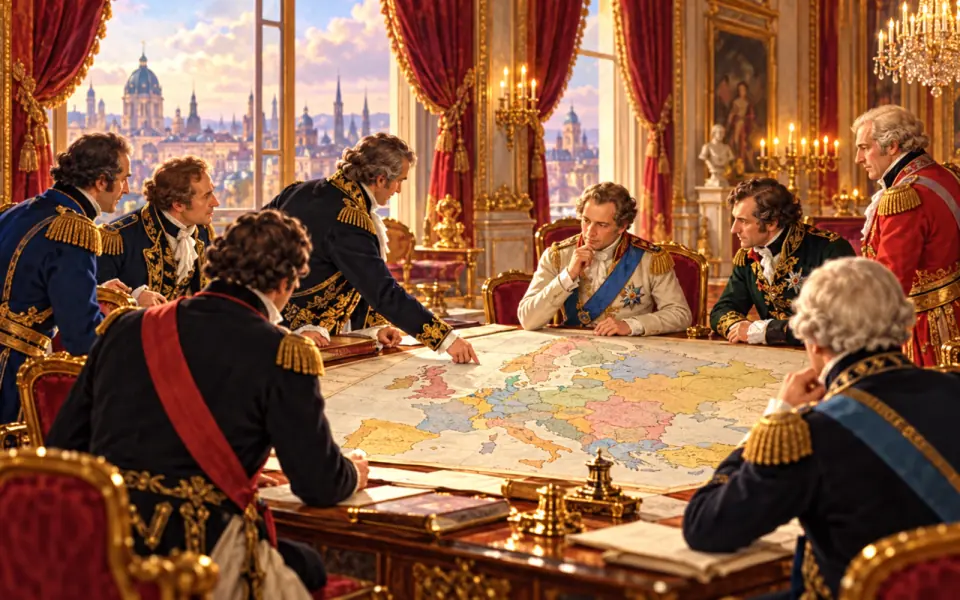
The idea of a united Italy was old: Dante and Petrarch had dreamed of it, speaking of a country that shared a language and a culture. But for centuries Italy had been divided into many states, often ruled by foreign powers. Under Napoleon some regions were united, and the tricolour flag appeared for the first time. After 1815, with the Congress of Vienna, the old rulers returned, but many Italians, especially young people, students, professionals and officers, now wanted a united Italy, free of foreigners and with a constitution. This period, from the end of the 18th century to about 1861, is called the “Risorgimento”, meaning “rebirth”.
Different ideas
The Italians who wanted unity did not agree on how to get it. Giuseppe Mazzini, a republican, wanted a united and democratic Italy, achieved through popular revolt, and founded “Young Italy” (1831). Others, the so-called “neo-Guelphs”, thought of a federation of states under the leadership of the Pope. Still others believed that the most realistic road was the monarchy of the Kingdom of Sardinia, the strongest independent Italian state. This was the road that finally won, thanks above all to Camillo Benso, Count of Cavour.
Cavour, born in Turin in 1810, was a nobleman with liberal ideas and a great talent for economics and diplomacy, and he became prime minister of the Kingdom of Sardinia in 1852. He modernised the country, with railways, banks, trade and freedom of the press. He understood that the Piedmontese alone could not beat Austria, and he looked for allies: he took part in the Crimean War (1855), to get noticed by the great powers, and in 1858 he made a secret agreement at Plombières with Napoleon III of France.
The stages of unity
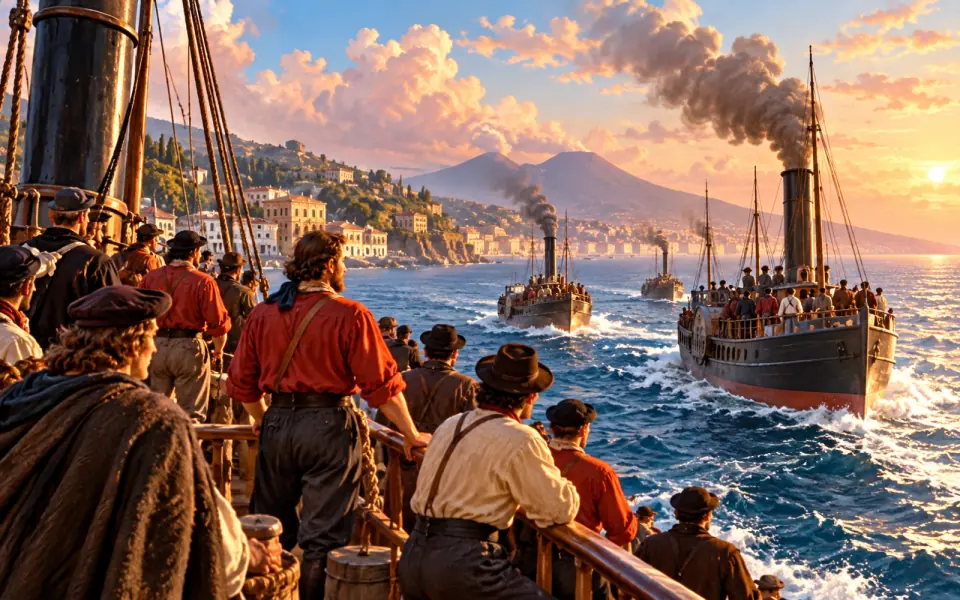
In 1859 came the Second War of Independence: France and Piedmont defeated Austria at Magenta and Solferino, winning Lombardy. In 1860 Tuscany, Emilia and Romagna joined the kingdom through plebiscites; then Garibaldi, with the Thousand, conquered the south, which joined the kingdom. So, in 1861, almost the whole peninsula was united. Cavour, however, died a few months later, on 6 June 1861, aged fifty.
Two territories were still missing. Veneto came in 1866, during the Third War of Independence, when Italy allied with Prussia against Austria: although it suffered military defeats, it obtained Veneto thanks to its ally's victory. Rome, on the other hand, was defended by Pope Pius IX and by French troops. Only after France's defeat by Prussia, in 1870, did the Italian army enter Rome through the breach at Porta Pia, on 20 September, and the city became the capital of Italy in 1871.
Italy is made...
The new state had enormous problems. Italians spoke different dialects, and only a very small part (about 2.5%, according to estimates, which scholars still debate) habitually used Italian. About three people in four could neither read nor write. The economic differences between regions were great. It is said that the politician Massimo d'Azeglio, commenting on unification, said: “Italy is made; now we must make Italians”. The government extended the laws, the currency, the metric system, the army and, later, compulsory primary schools to the whole country.
Why it happened
The unification of Italy came from the desire for freedom and independence that arose in the 19th century, from the spread of the ideas of nationalism, and from a variety of movements, from secret societies such as the Carbonari to the uprisings of 1848 and the great figures.
It was made possible by a favourable international situation: the rivalry between the great powers, Austria's weakness after the Crimean War, and the self-interested support of Napoleon III. The military and diplomatic strength of Piedmont played a decisive role.
What changed
Unification created a large national market, and railways, schools and services spread throughout Italy. Rome became the capital again. But many problems remained: the gap between North and South, poverty, the emigration of millions of Italians to America and Europe between the late 19th and the 20th century, and difficult relations with the Church (the “Roman Question”), which ended only with the Lateran Pacts of 1929.
The political system, with the vote limited to the richest and best educated, excluded most Italians: the vote was extended to almost all men in 1912 and to women in 1946.
Today 17 March is remembered as the “Day of National Unity, the Constitution, the Anthem and the Flag”. To understand it well, you need to know that it was neither a simple nor a straight road, and that many Italians in those years experienced it with hope, but also with mistrust and suffering.
Key people and places
People
- Camillo Benso di Cavour
- Piedmontese politician (1810–1861): prime minister, the diplomatic architect of unity.
- Victor Emmanuel II
- King of Sardinia and then first King of Italy (1820–1878).
- Giuseppe Mazzini
- Patriot and politician (1805–1872): he founded Young Italy and inspired the struggle for unity.
- Giuseppe Garibaldi
- General and patriot (1807–1882): he conquered the south with the expedition of the Thousand.
- Massimo d'Azeglio
- Piedmontese writer and politician (1798–1866): prime minister, author of the phrase about “making Italians”.
Places
- Palazzo Carignano, Turin
- The seat of Parliament where the Kingdom of Italy was proclaimed on 17 March 1861.
- Porta Pia, Rome
- The place where the Italian army entered Rome on 20 September 1870.
Good to know
- The Kingdom of Italy was proclaimed on 17 March 1861.
- In 1861 only about 2.5% of Italians habitually spoke Italian, according to estimates.
- Cavour died on 6 June 1861, a few months after the proclamation of the Kingdom.
- Rome was conquered on 20 September 1870 and became the capital in 1871.
- On 17 March National Unity Day is celebrated.
Find out more
- Wikipedia, “Proclamation of the Kingdom of Italy” en.wikipedia.org
- Wikipedia, “Unification of Italy” en.wikipedia.org
- Wikipedia, “Camillo Benso, Count of Cavour” en.wikipedia.org
- Wikipedia, “Capture of Rome” en.wikipedia.org
Related events
- The Expedition of the Thousand1860 · Age of revolutionsGaribaldi's Thousand united the South with Piedmont.
- The revolutions of 18481848 · Age of revolutionsIn 1848 the first attempt at a united Italy was made.
- The Congress of Vienna1815 · Age of revolutionsItaly had been divided by the Congress of Vienna.
- Compulsory primary school (Coppino law)1877 · Age of revolutionsAfter unification, primary school became compulsory.
Before and after, in the era “Age of revolutions”
Event 20 of 25
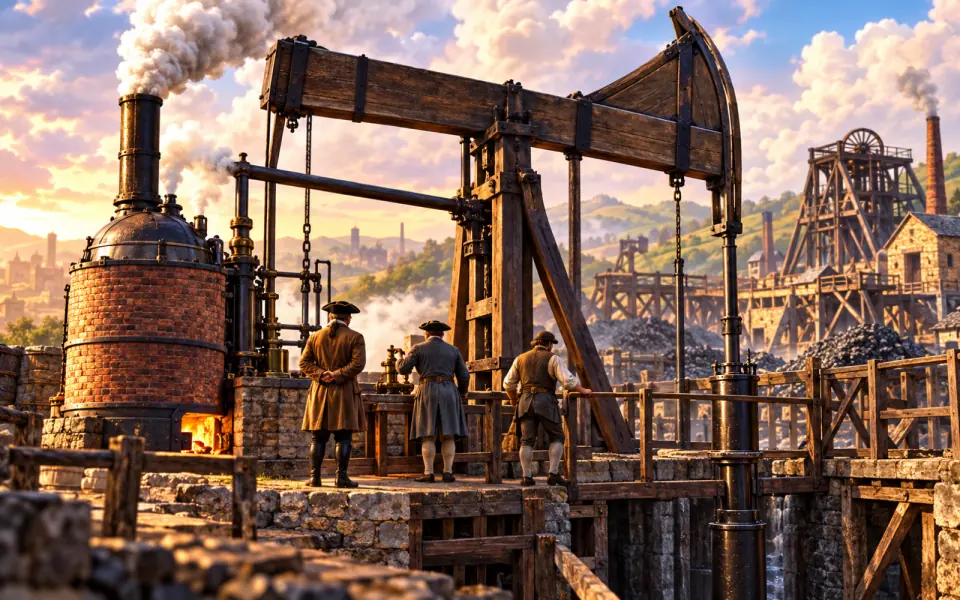 BeforeNewcomen's steam engine1712
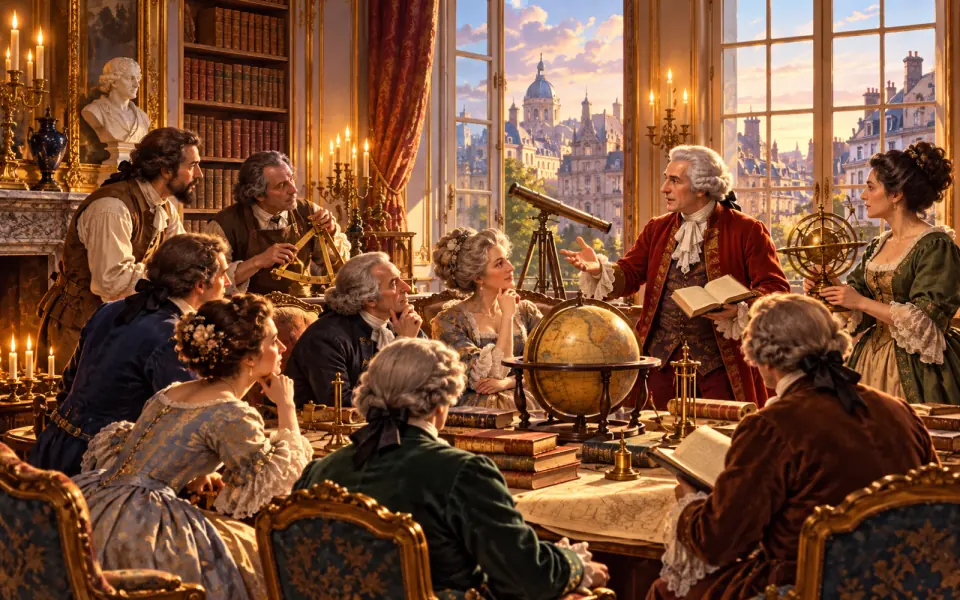 BeforeThe European Enlightenmentabout 1720
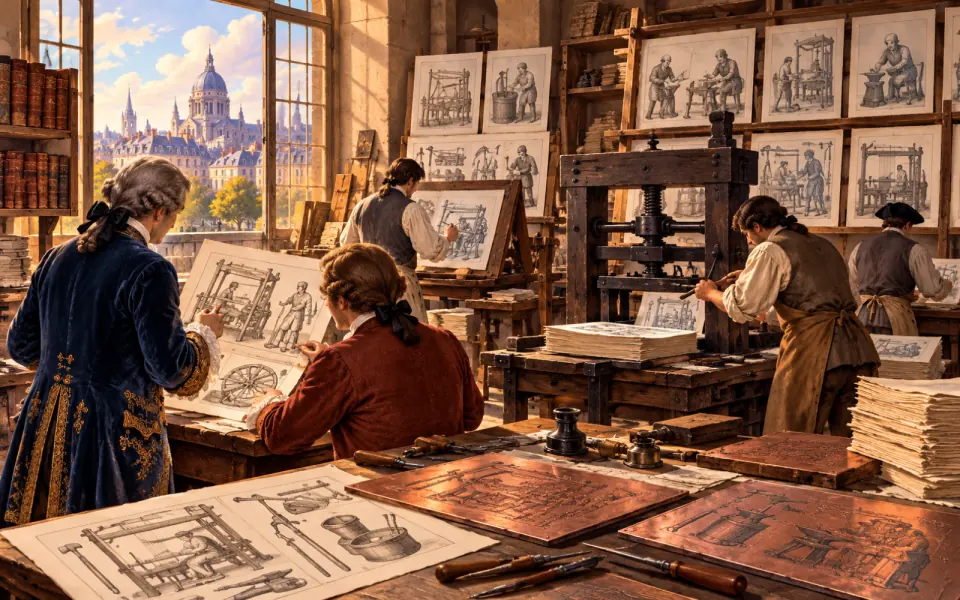 BeforeDiderot's Encyclopédie1751
 BeforeWatt's steam engine1769
 BeforeThe American Revolution1776–1783
 BeforeThe first hot-air balloon flight1783
 BeforeThe French Revolution1789–1799
 BeforeThe metric system1795
 BeforeJenner's vaccine1796
 BeforeVolta's battery1800
 BeforeNapoleon becomes emperor1804
 BeforeThe Congress of Vienna1815
 BeforeThe first public steam railway1825
 BeforeNiépce's photographabout 1826
 BeforeManzoni's The Betrothed1827
 BeforeThe electric telegraph1844
 BeforeThe revolutions of 18481848
 BeforeDarwin publishes On the Origin of Species1859
 BeforeThe Expedition of the Thousand1860
- You are hereThe unification of Italy1861
 AfterThe labour movementabout 1864
 AfterCompulsory primary school (Coppino law)1877
 AfterA practical electric light bulb1879
 AfterThe first modern motor car1886
 AfterThe Lumière brothers' cinema1895
Listen / Read next
- Music to read by: Cinematic JourneyEpic film-style music, no lyrics, by Ciro Simone IrmiciSpotifyYouTube Music
- How Italians spoke: the dialectsNonnese, the dictionary of Italian dialects
Meanwhile, elsewhere in the world
Other events of the era “Age of revolutions”
- Newcomen's steam engine
- The European Enlightenment
- Diderot's Encyclopédie
- Watt's steam engine
- The American Revolution
- The first hot-air balloon flight
- The French Revolution
- The metric system
- Jenner's vaccine
- Volta's battery
- Napoleon becomes emperor
- The Congress of Vienna
- The first public steam railway
- Niépce's photograph
- Manzoni's The Betrothed
- The electric telegraph
- The revolutions of 1848
- Darwin publishes On the Origin of Species
- The Expedition of the Thousand
- The labour movement
- Compulsory primary school (Coppino law)
- A practical electric light bulb
- The first modern motor car
- The Lumière brothers' cinema
