The Congress of Vienna
1815 Vienna, Austria
In short
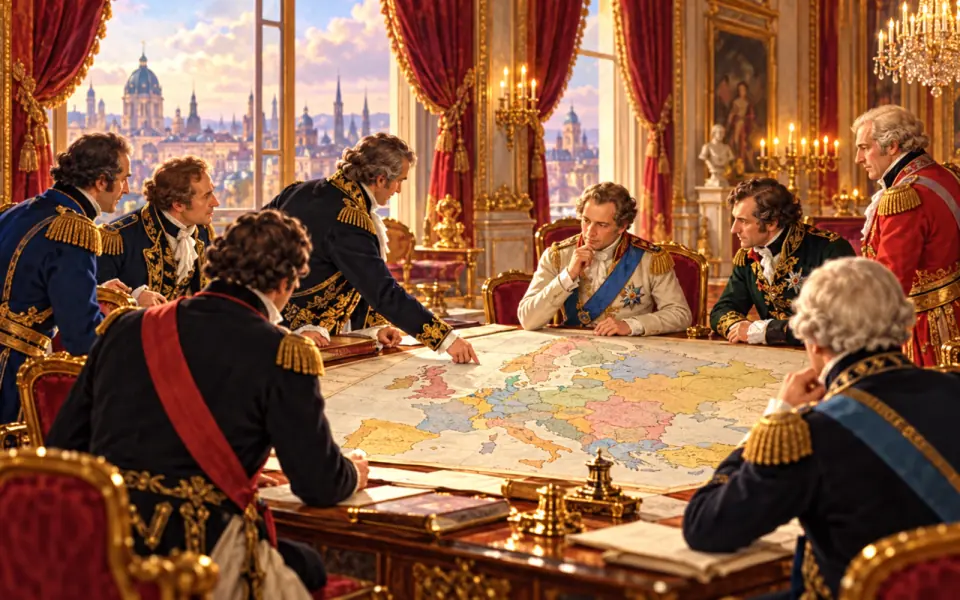
After Napoleon's defeat, representatives of the great European powers met in Vienna to redraw the map of Europe. The congress, led by the Austrian minister Metternich, lasted from autumn 1814 to June 1815, amid negotiations and grand balls. Many rulers returned to their thrones, and Italy was again divided into several states, with Austria in control of Lombardy–Venetia. A few days after the signing, Napoleon was finally defeated at Waterloo.
Why it matters For decades Europe lived under the order decided in Vienna, and it was against that order that the uprisings for freedom and independence arose.
Source: Treccani, entry “Vienna, Congresso di”
Study card about 5 minutes of reading
The story
After the storm
In April 1814 Napoleon had surrendered, and Europe, after more than twenty years of almost uninterrupted war, breathed again. But there were many problems to solve. What should be done about France? How should the conquered and reconquered territories be divided? How could they stop a new revolution or a new conqueror from starting another war? To decide, the rulers and ministers of the victorious countries arranged to meet in Vienna, the capital of the Austrian empire, in the autumn of 1814.
It was an unprecedented event: emperors, kings, princes and diplomats arrived from almost all of Europe, with a retinue of secretaries, cooks, musicians and servants. The host was the Emperor of Austria, Francis I, but the proceedings were led by his foreign minister, Prince Klemens von Metternich. There were representatives of Russia, with Tsar Alexander I in person, of Prussia, of Great Britain, with Lord Castlereagh, and of defeated France, with a highly skilled diplomat, Charles-Maurice de Talleyrand.
Dances and negotiations
The congress, which lasted from September 1814 to June 1815, was famous for its balls, parties, concerts and hunts: Vienna had an intense social life. An old prince, Charles de Ligne, joked: “The congress dances, but it does not move forward”. In fact the parties also served to create chances to meet, and to pick up confidences, because a great deal was discussed behind the scenes. The real negotiations took place in small private meetings of the representatives of the major powers.
The victors were guided by three principles. The first was “legitimacy”: the rulers driven out by the revolution and by Napoleon had to return to their thrones, because they were the “legitimate” ones by birth. The second was balance: no power should become so strong as to dominate the others. The third was compensation: the countries that had fought against Napoleon were to gain territory in return.
The decisions
France went back to its borders of 1790–1792, with King Louis XVIII, the brother of Louis XVI, on the throne. Talleyrand, with great skill, prevented it from being treated too harshly, and even put it back among the great powers. Around France the neighbouring countries were strengthened: the Netherlands were joined to Belgium in a single kingdom, and Piedmont grew by gaining Genoa. Prussia received territories in the Rhineland and in Saxony; Russia, most of Poland; Great Britain, important colonies, including the Cape of Good Hope and Malta; Switzerland was declared neutral.
In Germany, where there had previously been hundreds of states, a Confederation of thirty-nine states was created, led by Austria. In Italy, the old order was largely restored, but split into many states: the Kingdom of Sardinia, in the north-west; Lombardy–Venetia, under Austria; the duchies of Parma, Modena and Lucca; the Grand Duchy of Tuscany; the Papal States, in the centre; the Kingdom of the Two Sicilies, in the south. Napoleon's Kingdom of Italy was wiped out, and Austria became the dominant power on the peninsula.
The Congress also condemned the slave trade in a declaration, and set out free navigation on the great rivers and rules for diplomats. Soon afterwards, in September 1815, the Tsar, the Emperor of Austria and the King of Prussia signed the “Holy Alliance”, a pact to defend Christian principles and order together against new revolutions.
The Restoration
This period, in which attempts were made to bring Europe back to the order that had existed before the revolution, is called the “Restoration”. The great powers met regularly to settle crises and to act against revolutionary uprisings: this was the “Concert of Europe”. But the Restoration did not manage to wipe out the new ideas completely: the desire for freedom, for constitutions and for national independence stayed alive, and expressed itself in secret societies such as the Carbonari, and in revolutionary uprisings in 1820–21, 1830–31 and 1848.
Why it happened
The Congress of Vienna came out of the end of the Napoleonic wars and the fear of Europe's monarchies of new revolutions. The rulers wanted to build a stable order, avoiding the two dangers of the period: revolutionary ideas and the ambitions of a country that was too powerful.
It was led by expert diplomats, like Metternich, who was convinced that peace depended on a balance between the great powers. The experience of war had frightened everyone.
What changed
The system created at Vienna guaranteed a relative peace between the great European powers for almost a century: there was no general war in Europe until 1914, although there were smaller wars, such as the Crimean War (1853–56). For many historians it was one of the most successful periods of diplomacy.
But it ignored the wishes of peoples: it moved territories and populations without asking their opinion, as happened in Italy and Poland. This fed the national and liberal movements, which would lead to the unification of Italy, the unification of Germany and the birth of new states in the 19th century.
Even today, when people talk about agreements between great powers or about world order, the “Vienna system” is remembered as an example, good and bad, of how one can try to keep a balance.
Key people and places
People
- Klemens von Metternich
- Austrian diplomat (1773–1859): foreign minister and leader of the Congress.
- Charles-Maurice de Talleyrand
- French diplomat (1754–1838): he represented defeated France and brought it back among the great powers.
- Robert Stewart, Viscount Castlereagh
- British foreign secretary (1769–1822): one of the main figures in the agreement.
- Alexander I
- Tsar of Russia (1777–1825): he took part in the congress in person and promoted the Holy Alliance.
- Francis I of Austria
- Emperor of Austria (1768–1835): he hosted the congress in Vienna.
Places
- Vienna, Austria
- The capital of the Austrian empire, home of the congress in 1814–15.
- Hofburg Palace, Vienna
- The imperial residence where the parties and meetings took place.
Good to know
- Tsar Alexander I of Russia took part in the Congress of Vienna in person.
- Prince de Ligne joked: “The congress dances, but it does not move forward”.
- After the Congress, Switzerland was declared a neutral country.
- In Italy after the Congress there were eight main states.
- There was no general war in Europe until 1914.
Find out more
- Wikipedia, “Congress of Vienna” en.wikipedia.org
- Wikipedia, “Concert of Europe” en.wikipedia.org
- Wikipedia, “Klemens von Metternich” en.wikipedia.org
- Wikipedia, “Conservative Order” en.wikipedia.org
Related events
- Napoleon becomes emperor1804 · Age of revolutionsThe Congress was called after the fall of Napoleon.
- The revolutions of 18481848 · Age of revolutionsThe desire for freedom suppressed in 1815 burst out in the uprisings of 1848.
- The Expedition of the Thousand1860 · Age of revolutionsIn Italy Austria dominated the north after the Congress.
- The unification of Italy1861 · Age of revolutionsItaly was only united in 1861, after many struggles.
Before and after, in the era “Age of revolutions”
Event 12 of 25
 BeforeNewcomen's steam engine1712
 BeforeThe European Enlightenmentabout 1720
 BeforeDiderot's Encyclopédie1751
 BeforeWatt's steam engine1769
 BeforeThe American Revolution1776–1783
 BeforeThe first hot-air balloon flight1783
 BeforeThe French Revolution1789–1799
 BeforeThe metric system1795
 BeforeJenner's vaccine1796
 BeforeVolta's battery1800
 BeforeNapoleon becomes emperor1804
- You are hereThe Congress of Vienna1815
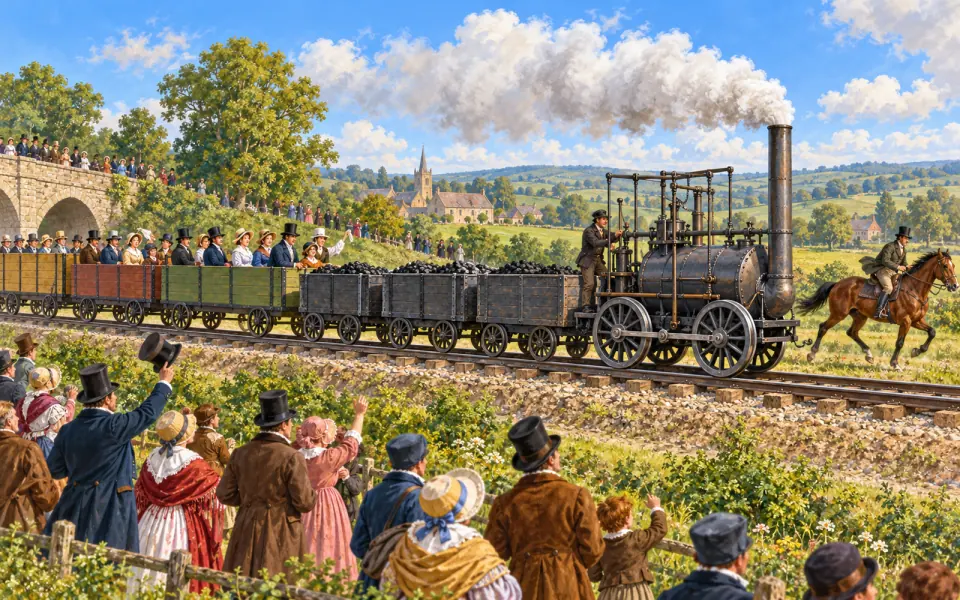 AfterThe first public steam railway1825
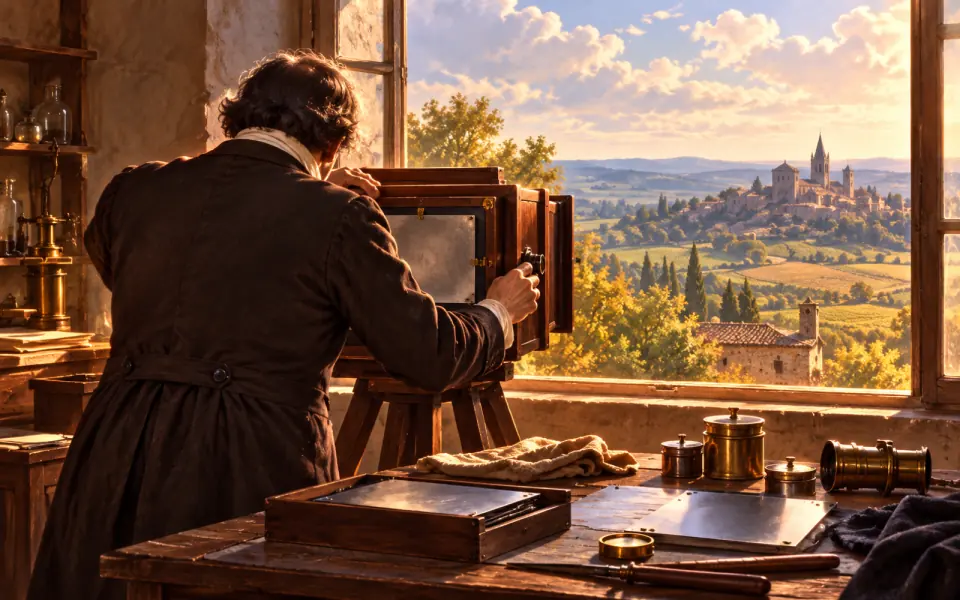 AfterNiépce's photographabout 1826
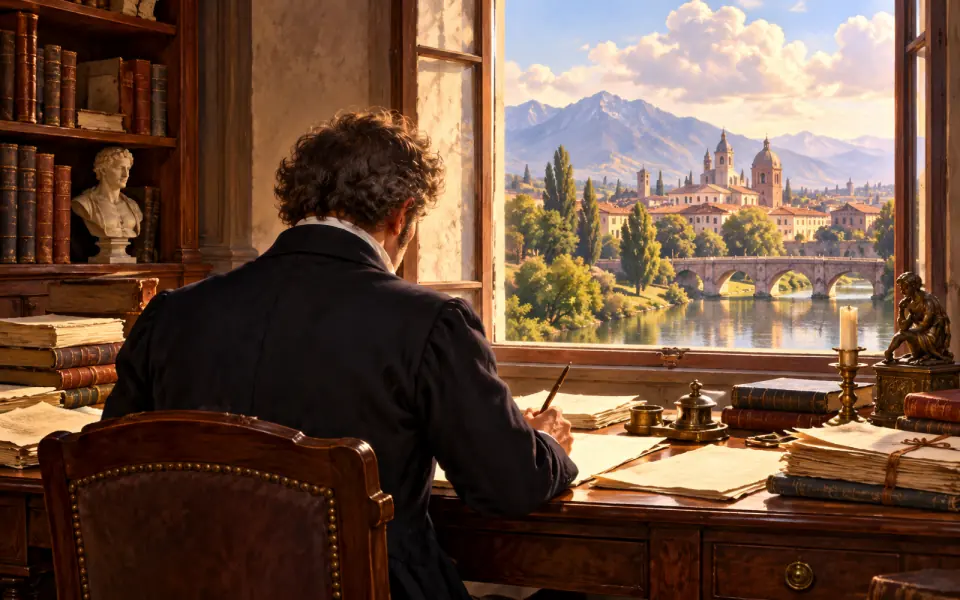 AfterManzoni's The Betrothed1827
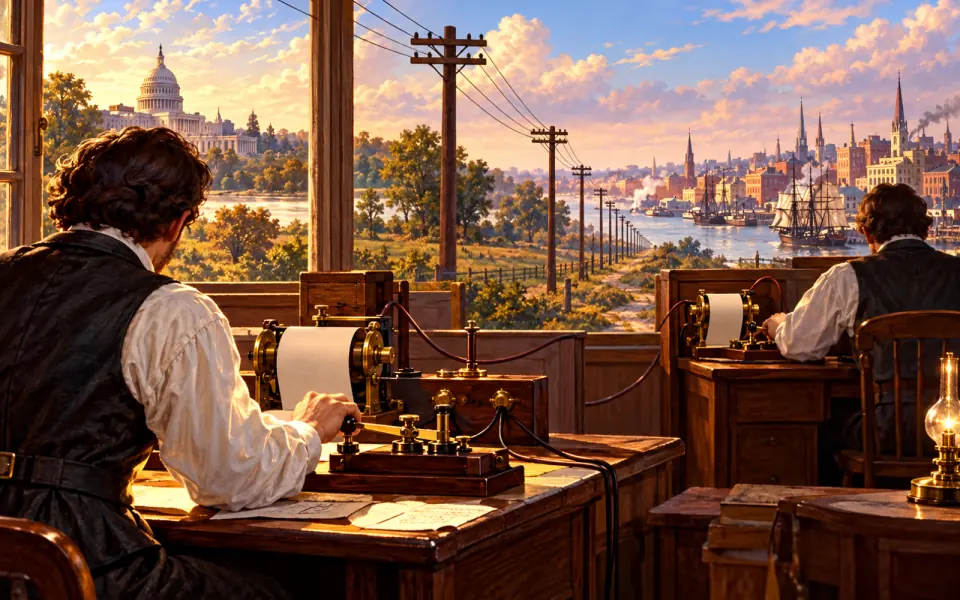 AfterThe electric telegraph1844
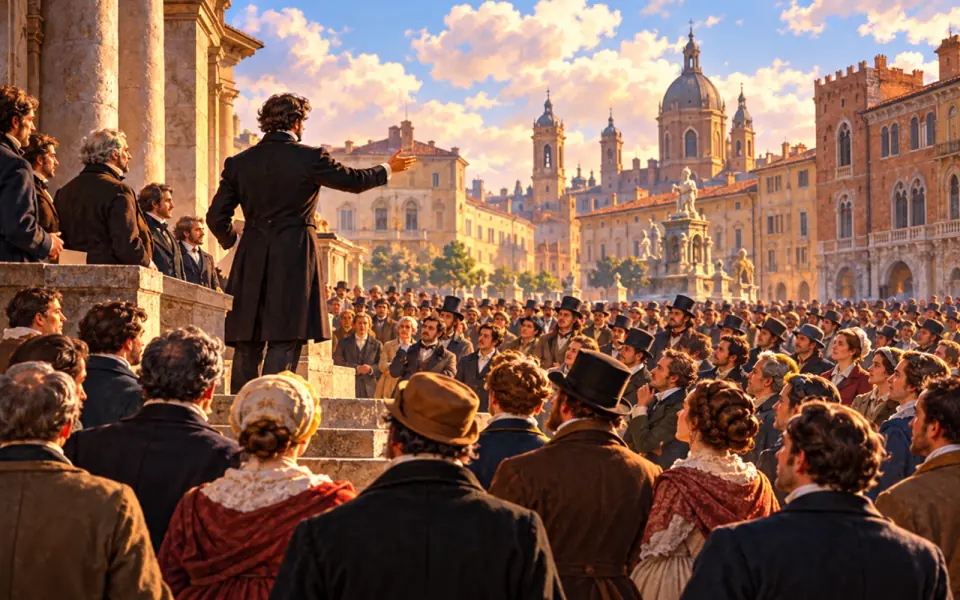 AfterThe revolutions of 18481848
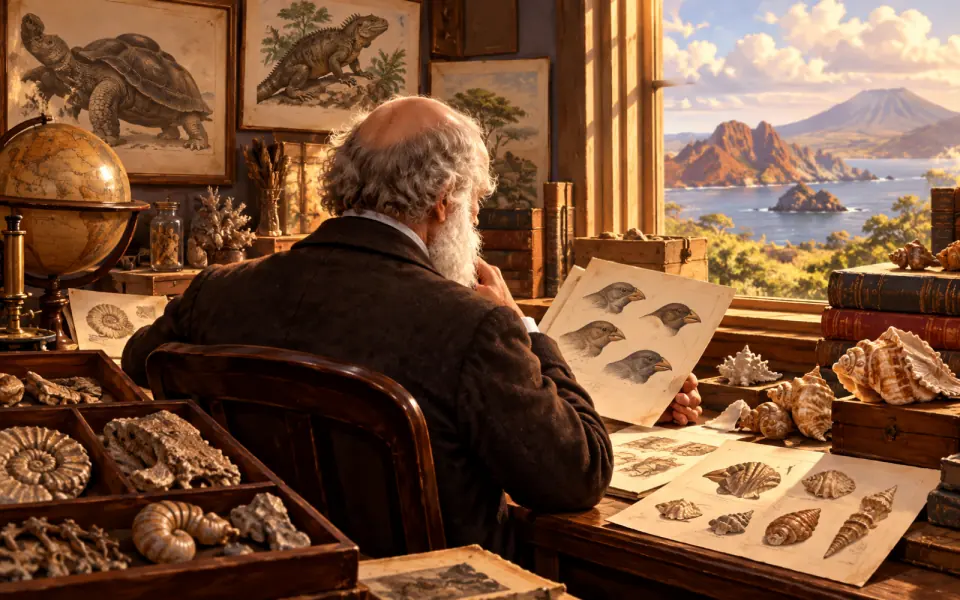 AfterDarwin publishes On the Origin of Species1859
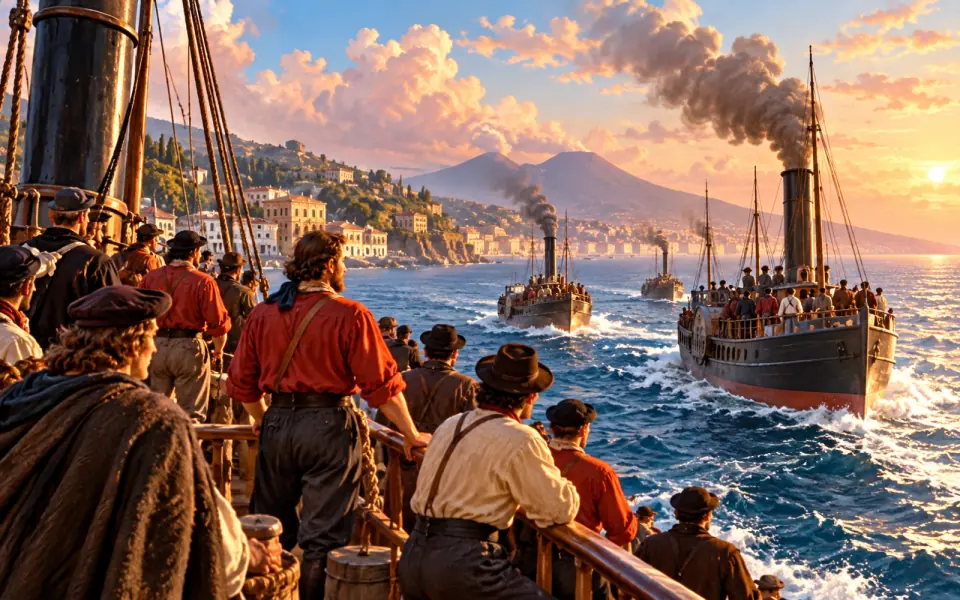 AfterThe Expedition of the Thousand1860
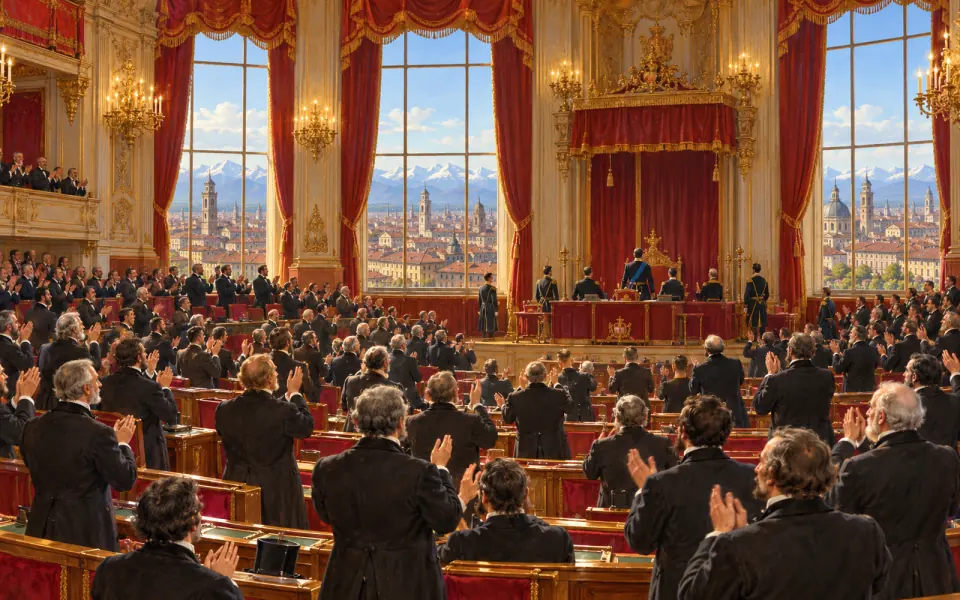 AfterThe unification of Italy1861
 AfterThe labour movementabout 1864
 AfterCompulsory primary school (Coppino law)1877
 AfterA practical electric light bulb1879
 AfterThe first modern motor car1886
 AfterThe Lumière brothers' cinema1895
Listen / Read next
- Music to read by: Cinematic JourneyEpic film-style music, no lyrics, by Ciro Simone IrmiciSpotifyYouTube Music
Meanwhile, elsewhere in the world
Other events of the era “Age of revolutions”
- Newcomen's steam engine
- The European Enlightenment
- Diderot's Encyclopédie
- Watt's steam engine
- The American Revolution
- The first hot-air balloon flight
- The French Revolution
- The metric system
- Jenner's vaccine
- Volta's battery
- Napoleon becomes emperor
- The first public steam railway
- Niépce's photograph
- Manzoni's The Betrothed
- The electric telegraph
- The revolutions of 1848
- Darwin publishes On the Origin of Species
- The Expedition of the Thousand
- The unification of Italy
- The labour movement
- Compulsory primary school (Coppino law)
- A practical electric light bulb
- The first modern motor car
- The Lumière brothers' cinema
