The Cambrian explosion
about 539 million years ago Seas all over the world
In short
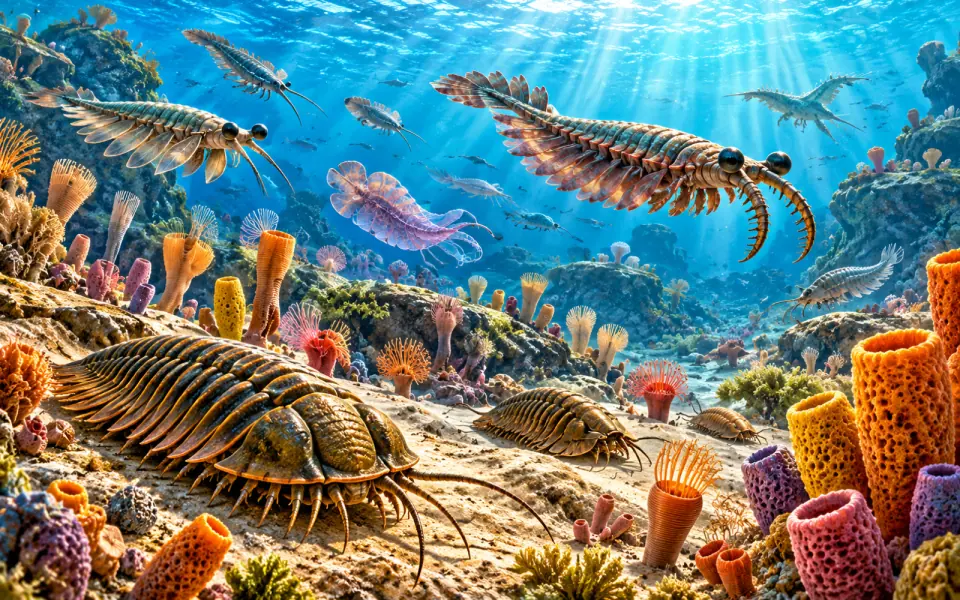
At the start of the Cambrian, the fossils suddenly show many more animals with shells, limbs and all kinds of different bodies. The word ‘explosion’ does not mean a single day: the change took millions of years. Trilobites and other groups filled seas where hunting and self-defence became more important.
Why it matters During this time many of the main body plans of the animals we know today appear.
Source: Natural History Museum (London), “The Cambrian Period: How animals exploded onto the scene”
Study card about 5 minutes of reading
The story
Darwin's problem
When Charles Darwin published On the Origin of Species, in 1859, one thing worried him. In the oldest rocks then known, those of the Cambrian period, fossils already appeared in large numbers and of many kinds: shells, crustaceans, worms. Before those rocks there seemed to be nothing. If animals descended from one another over long spans of time, where were their ancestors? Darwin admitted that this was a serious difficulty for his theory and wrote that an explanation would have to be found in the future. He was right: the answer has come, in part, with later discoveries.
The Cambrian and its “explosion”
The Cambrian begins about 539 million years ago and lasts until about 485 million years ago. In the first twenty million years or so, palaeontologists see in the fossils a very rapid change: animals appear with shells, skeletons and complex bodies, and many of the big groups of animals that exist today. People speak of the “Cambrian explosion”. But be careful: twenty million years is a very long time by our measures. It was not a day, nor a real explosion. It was a phase of very fast diversification, compared with the billions of years that had come before.
Part of the effect is also due to the fact that shells and bones are preserved better than soft bodies. Before the Cambrian there were already animals, as the Ediacara fossils and the traces of worms show, but without hard parts they did not leave much behind. When animals learned to build shells of calcium and other minerals, fossils became far more numerous. Scholars debate how much of the “explosion” is real and how much is due to this effect.
A sea full of monsters
The Cambrian seas were full of creatures that seem to come from someone's imagination. Trilobites, distant relatives of crabs and insects, had a body divided into three parts and a segmented shell; thousands of species have been described, and they lived for about 270 million years. Then there were animals like Anomalocaris, a predator usually 30 to 40 centimetres long (some species perhaps half a metre), with two big arms for grabbing and a circular mouth. Opabinia had five eyes and a trunk with a claw; Hallucigenia, a worm-like body with spines, was reconstructed upside down for more than ten years before people understood how it really was.
Many of these animals are known thanks to exceptional deposits, where even the soft parts were preserved. The most famous is the Burgess Shale, in the Canadian Rockies. It was discovered in 1909 by the American palaeontologist Charles Walcott, who collected thousands of fossils. Another is Chengjiang, in China, about 518 million years old, found in 1984 by the palaeontologist Hou Xianguang; it has even yielded the first fish-like vertebrates, such as Haikouichthys.
Eyes, fangs and armour
Something changed in the way animals lived. The first active predators appeared, and as a result prey needed defences: shells, spines, armour, the ability to burrow and hide. Complex eyes appeared: trilobites had compound eyes with lenses of calcite, a transparent mineral. Seeing makes it possible to hunt better and to escape predators, and with every improvement by the attacker, the defender must improve in turn. Scholars speak of an “arms race”.
Why did it happen?
Nobody knows for certain. There are many hypotheses and it was probably a combination. Perhaps the rise of oxygen in the seas made bigger and more active animals possible. Perhaps the chemistry of the oceans changed, with more calcium available for building shells. Perhaps the birth of new predators mattered. Perhaps some genes that control the development of the body, the Hox genes, had already evolved and made it possible to build bodies in many different ways. Climate, moving continents and sea levels may have counted as well. The scientific debate is very lively.
One thing is certain: after the Cambrian the animal world was never the same. Almost all the main groups of animals we know, from molluscs to vertebrates, crustaceans and worms, are found in these seas.
Why it happened
The causes of the Cambrian explosion are still debated. Among the hypotheses, one concerns conditions in the environment. With the end of the great glaciations, the seas warmed and became richer in oxygen and minerals, above all calcium, and this made it easier to build shells and skeletons.
Another hypothesis concerns life itself: when some animals began to eat others, natural selection rewarded those with defences, and the attackers were forced to become more effective. In this way a spiral of novelties was set off. A third hypothesis concerns the genes of development, which would have made it possible to build complex bodies.
Probably none of these ideas is enough by itself. To understand better, palaeontologists keep studying new deposits, and geologists try to date the layers more precisely.
What changed
After the Cambrian the seas had become a world of hunters and prey, with different habitats: on the bottom, in open water, inside the sand. The groups of animals born in that period have had a long history. Vertebrates, to which we belong, have their oldest representatives in animals such as those of Chengjiang.
The appearance of skeletons and shells changed geology too. Many limestone rocks are made of shells and skeletons piled up: even whole mountains, such as the Dolomites, came from ancient reefs, in that case of the Triassic. Fossils then became the main tool for working out the age of rocks.
For science, the Cambrian is a testing ground for evolution. It does not contradict Darwin's theory, as some have claimed: it shows a phase in which evolution was very rapid, driven by particular conditions. Today the question is an active field of research, with discoveries almost every year in China, Canada, Greenland and Morocco.
Key people and places
People
- Charles Darwin
- English naturalist (1809–1882). In 1859 he recognised that the lack of fossils from before the Cambrian was a problem for his theory.
- Charles Walcott
- American palaeontologist (1850–1927). In 1909 he discovered the Burgess Shale and collected more than 65,000 specimens from it.
- Hou Xianguang
- Chinese palaeontologist. In 1984 he discovered the Chengjiang deposit, with very rich Cambrian fossils.
- Stephen Jay Gould
- American palaeontologist (1941–2002). With his book Wonderful Life (1989) he made the Burgess fossils famous.
Places
- Burgess Shale, British Columbia (Canada)
- A deposit in the Rocky Mountains about 508 million years old, with fossils of soft-bodied animals.
- Chengjiang, Yunnan (China)
- A deposit about 518 million years old with thousands of fossils in excellent condition.
- Cambrian seas
- Warm, shallow seas over the continents of the time, where trilobites and predators lived.
Good to know
- Trilobites disappeared about 252 million years ago in the great extinction at the end of the Permian, after almost 270 million years of history.
- The eyes of trilobites were made of calcite, the same mineral as marble: millions of them are still preserved today.
- Hallucigenia was reconstructed for years with legs in the place of spines and vice versa; only in 1991 did people understand what it was really like.
- Walcott is said to have found the Burgess deposit thanks to his wife's horse, which stumbled on a slab of rock full of fossils: historians think the story is a legend.
- People usually speak of an “explosion”, but the Cambrian lasts about 54 million years: about four fifths of all the time since the end of the dinosaurs.
Find out more
- Wikipedia, “Cambrian explosion” en.wikipedia.org
- Wikipedia, “Cambrian” en.wikipedia.org
- University of California Museum of Paleontology (Berkeley), the Cambrian (in English) ucmp.berkeley.edu
- Wikipedia, “Burgess Shale” en.wikipedia.org
Related events
- The Ediacaran creaturesabout 555 million years ago · The Earth before usBefore the Cambrian the seas were inhabited by the strange creatures of Ediacara.
- The first plants on landabout 475 million years ago · The Earth before usAfter the seas, dry land too began to be settled by plants.
- The first fish with jawsabout 440 million years ago · The Earth before usFrom the first vertebrates came the fish with jaws.
- Darwin publishes On the Origin of Species1859 · Age of revolutionsDarwin published On the Origin of Species and faced the problem of the Cambrian fossils.
Before and after, in the era “The Earth before us”
Event 15 of 25
 BeforeThe Big Bangabout 13.8 billion years ago
 BeforeThe first starsabout 13.5 billion years ago
 BeforeBirth of the Milky Wayabout 13 billion years ago
 BeforeFormation of the Solar Systemabout 4.6 billion years ago
 BeforeBirth of the Earthabout 4.5 billion years ago
 BeforeFormation of the Moonabout 4.5 billion years ago
 BeforeThe oldest pieces of Earthabout 4.4 billion years ago
 BeforeThe first oceansabout 4.3 billion years ago
 BeforeThe first life on Earthabout 3.5 billion years ago
 BeforeCyanobacteria and photosynthesisabout 2.7 billion years ago
 BeforeThe Great Oxidation Eventabout 2.4 billion years ago
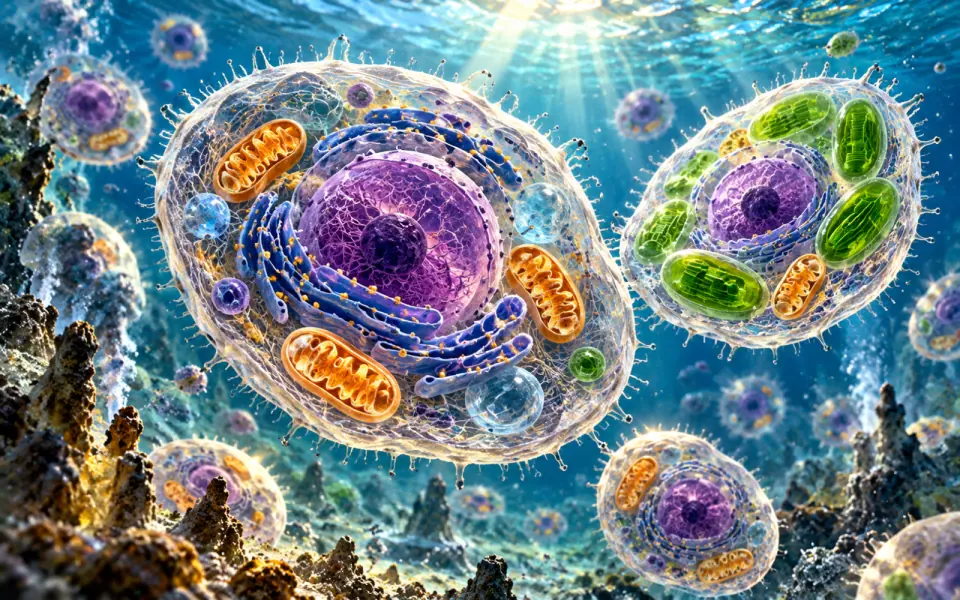 BeforeThe first complex cellsabout 1.8 billion years ago
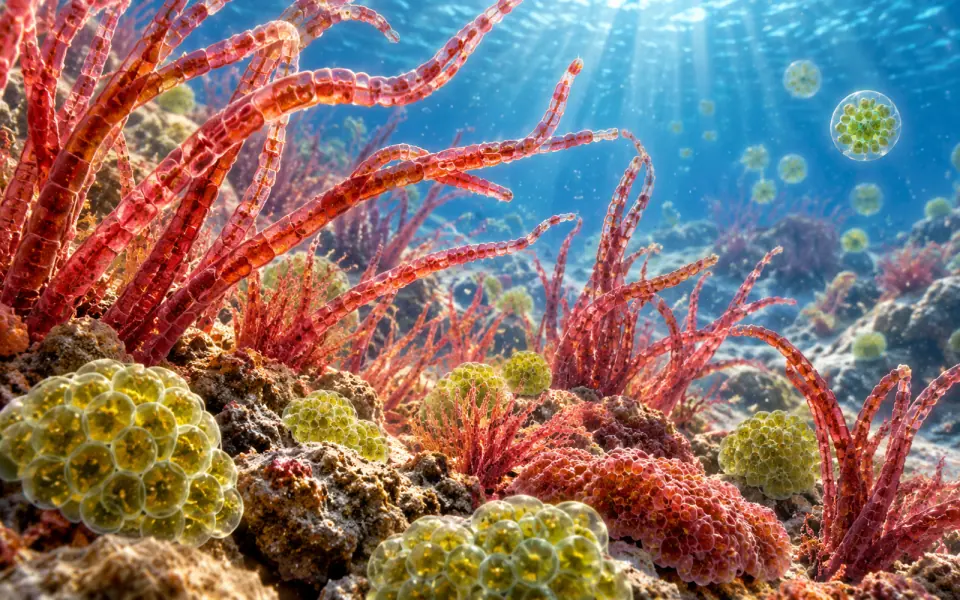 BeforeThe first many-celled living thingsabout 1 billion years ago
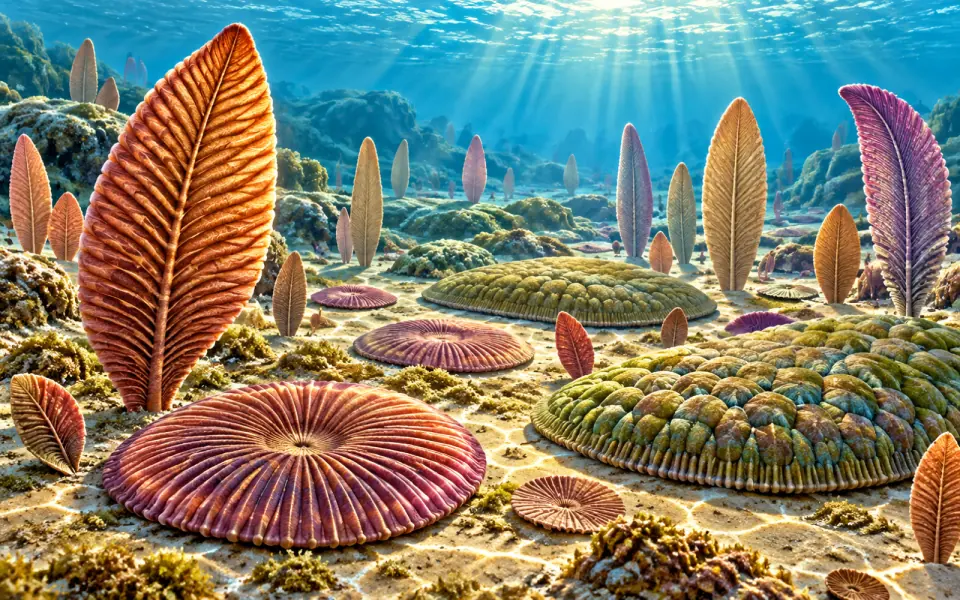 BeforeThe Ediacaran creaturesabout 555 million years ago
- You are hereThe Cambrian explosionabout 539 million years ago
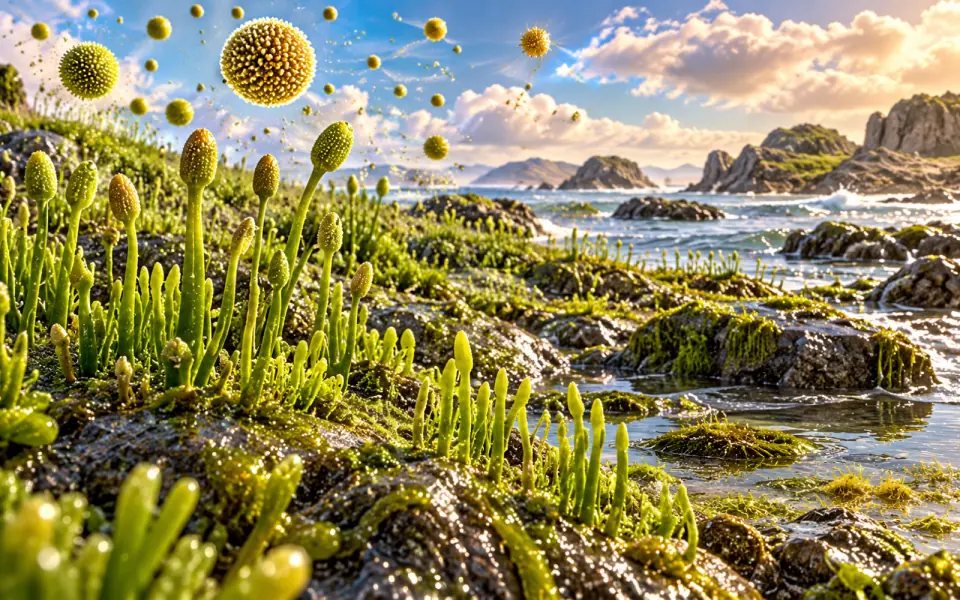 AfterThe first plants on landabout 475 million years ago
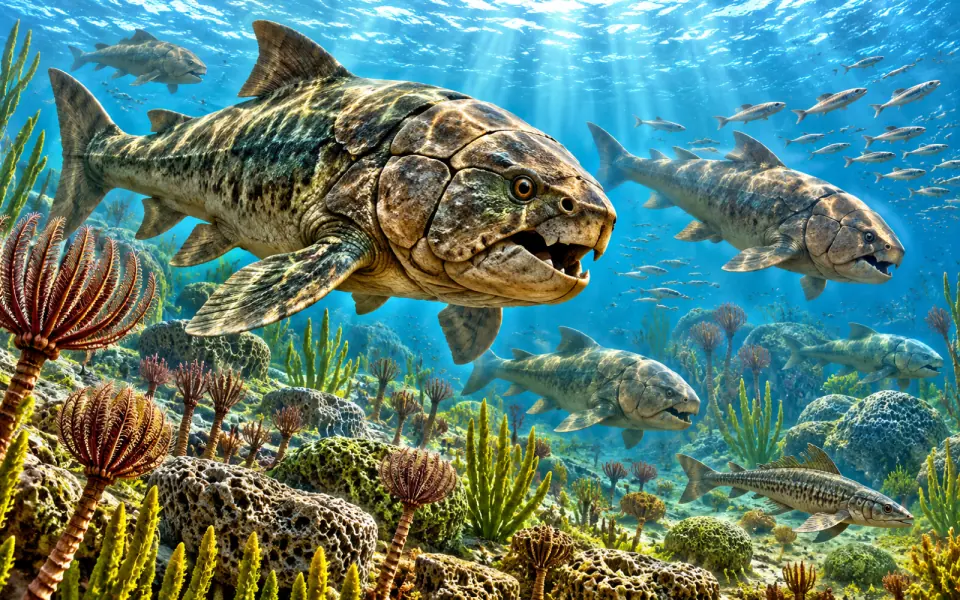 AfterThe first fish with jawsabout 440 million years ago
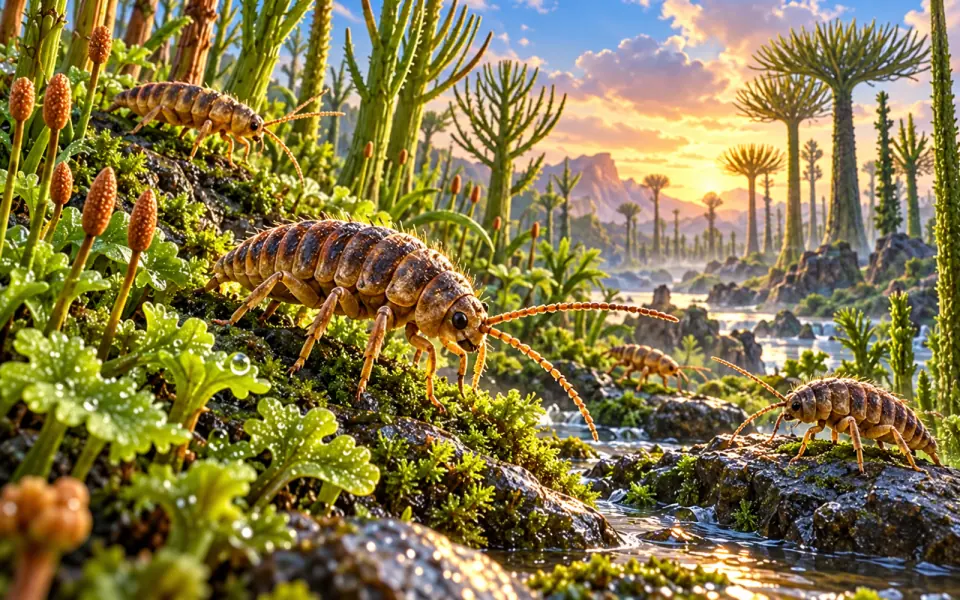 AfterThe first insectsabout 400 million years ago
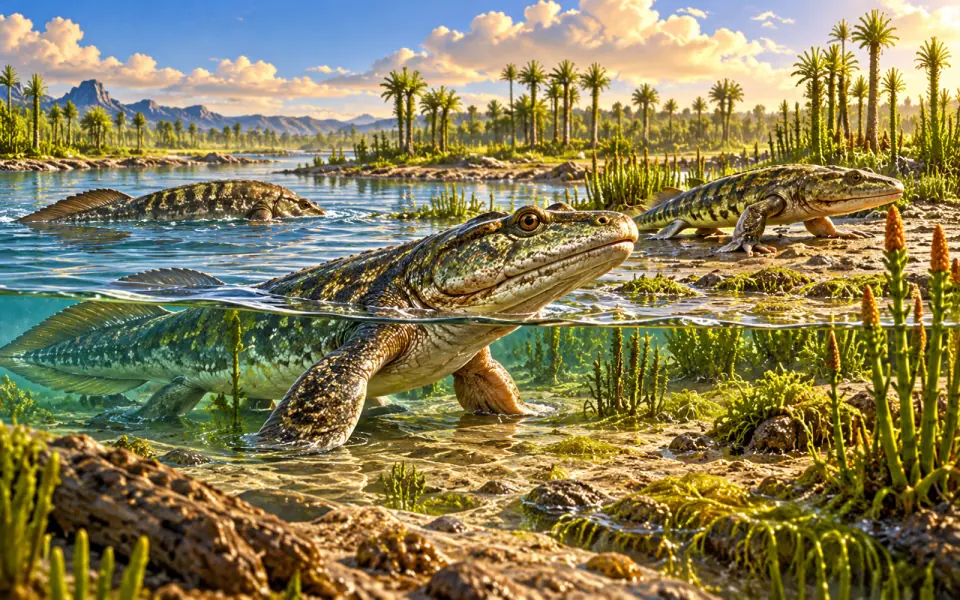 AfterThe first amphibiansabout 375 million years ago
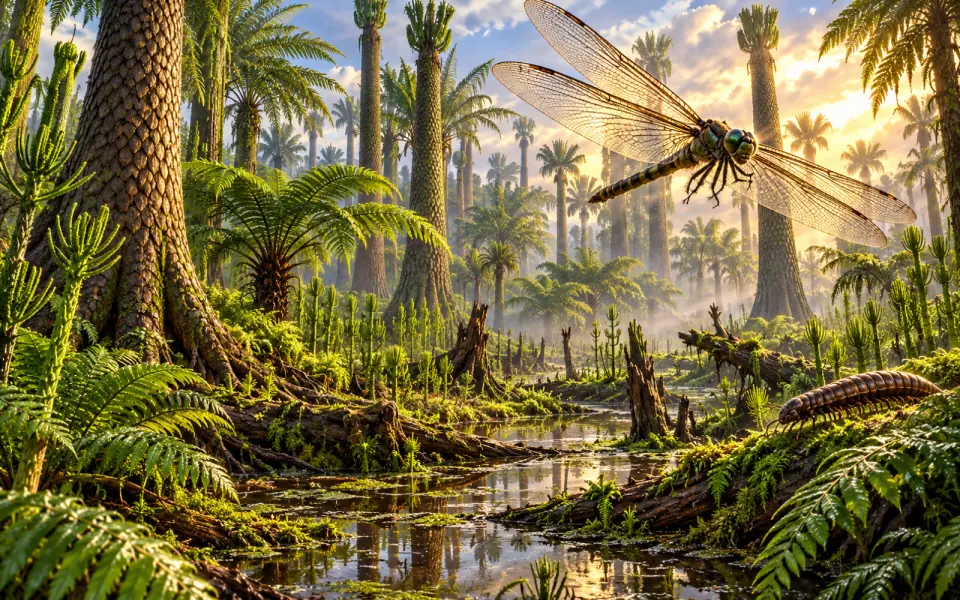 AfterCarboniferous forestsabout 320 million years ago
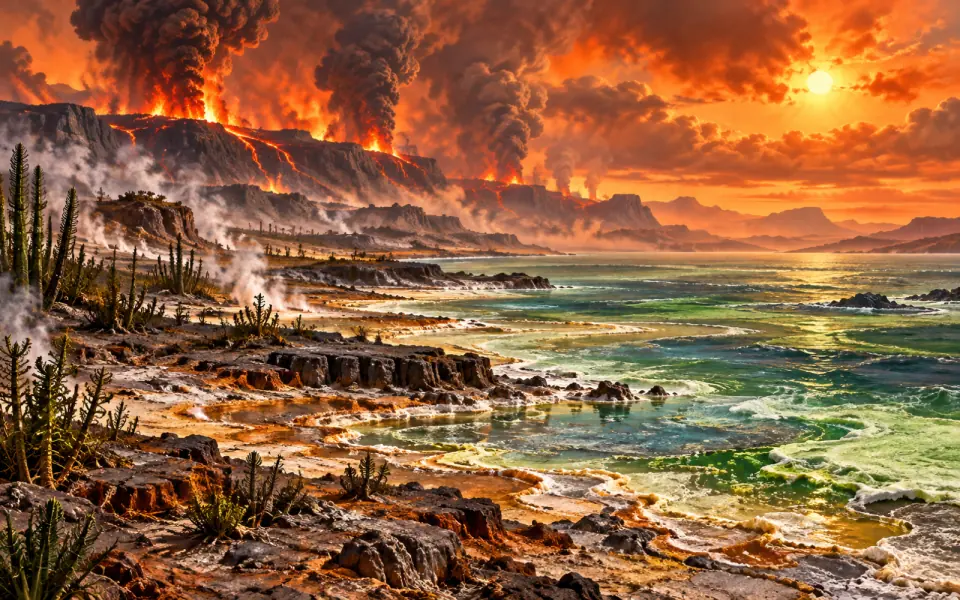 AfterThe great Permian extinctionabout 252 million years ago
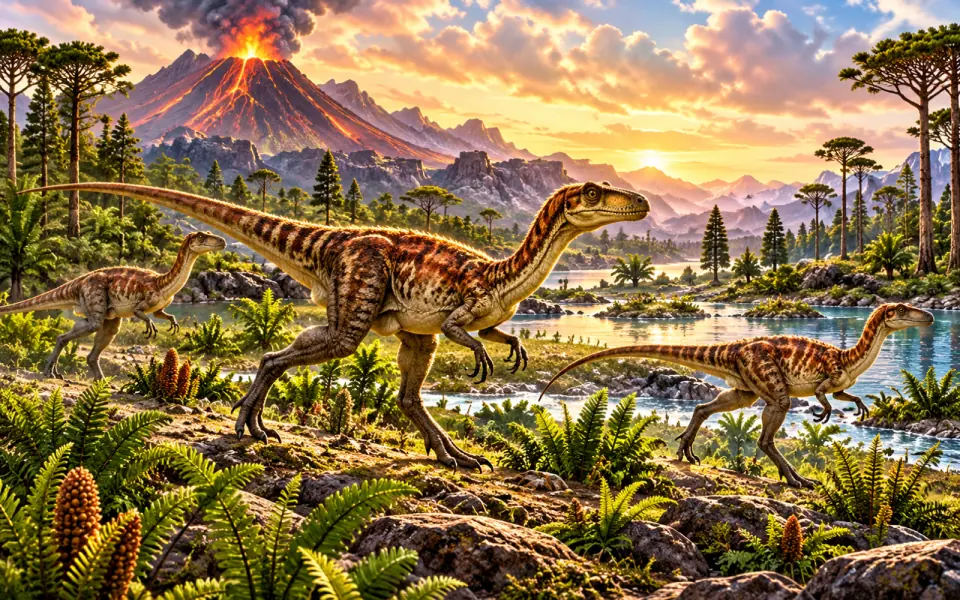 AfterThe first dinosaursabout 230 million years ago
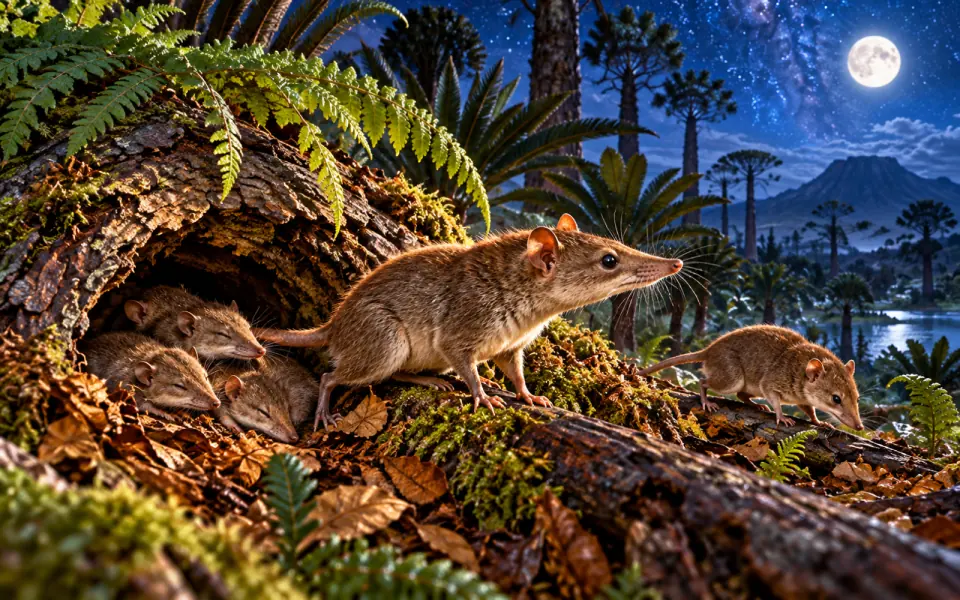 AfterThe first mammalsabout 225 million years ago
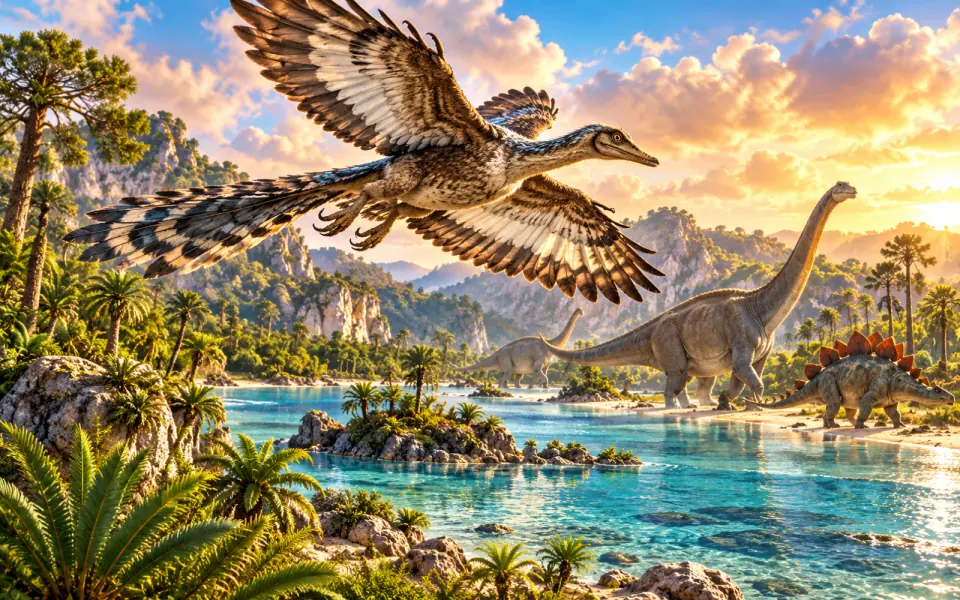 AfterThe first birdsabout 150 million years ago
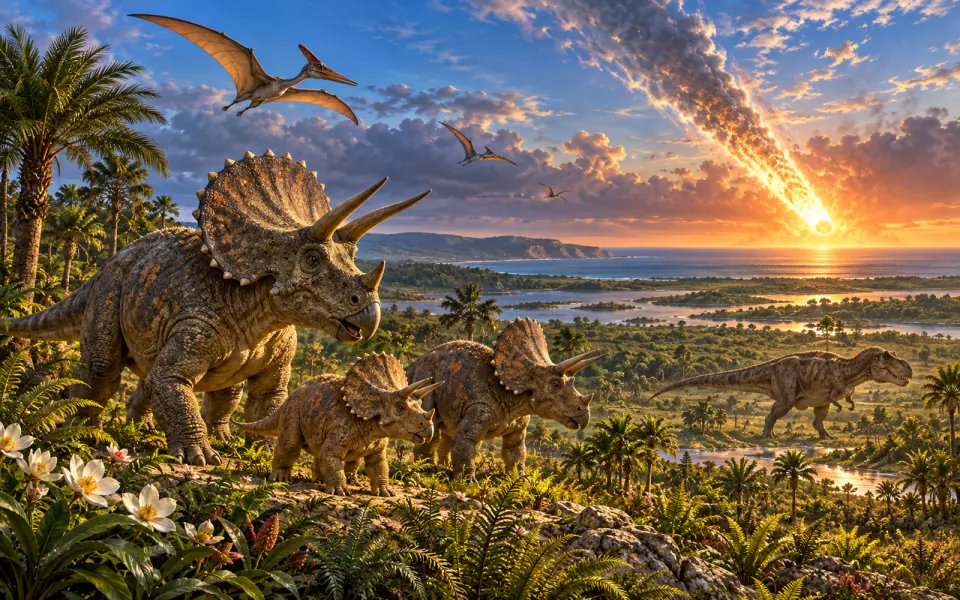 AfterExtinction of the non-avian dinosaursabout 66 million years ago
Listen / Read next
- Music to read by: Cinematic JourneyEpic film-style music, no lyrics, by Ciro Simone IrmiciSpotifyYouTube Music
Meanwhile, elsewhere in the world
Other events of the era “The Earth before us”
- The Big Bang
- The first stars
- Birth of the Milky Way
- Formation of the Solar System
- Birth of the Earth
- Formation of the Moon
- The oldest pieces of Earth
- The first oceans
- The first life on Earth
- Cyanobacteria and photosynthesis
- The Great Oxidation Event
- The first complex cells
- The first many-celled living things
- The Ediacaran creatures
- The first plants on land
- The first fish with jaws
- The first insects
- The first amphibians
- Carboniferous forests
- The great Permian extinction
- The first dinosaurs
- The first mammals
- The first birds
- Extinction of the non-avian dinosaurs
