The first oceans
about 4.3 billion years ago The whole Earth
In short
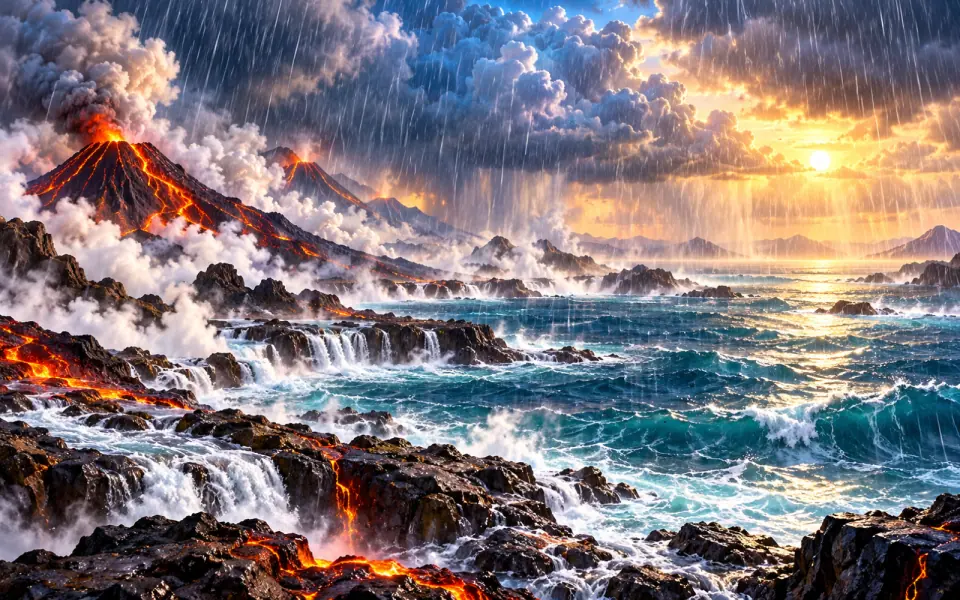
When the Earth's surface cooled down, water vapour could condense and fall as rain. The water gathered in the lowest areas and formed the first oceans, perhaps as early as 4.4 billion years ago. Some of it came from inside the Earth, and some may have been brought by water-rich asteroids.
Why it matters The oceans created the places where the first living things appeared and developed.
Study card about 5 minutes of reading
The story
The blue planet has not always been blue
From space the Earth looks blue: more than seven tenths of its surface is covered with water, about 1.3 billion cubic kilometres of ocean. No other planet in the Solar System, as far as we know, has liquid seas on its surface. But where did all this water come from? And since when has it been here? Scientists are still working on these questions, and the answers are partial.
How an ocean forms
In the earliest times the Earth was so hot that water could exist only as vapour, mixed with the gases of the air. As millions of years went by, the surface cooled. When the temperature fell below 100 °C, at that pressure, the vapour could condense into drops. It began to rain. Scientists imagine very long rains, perhaps lasting thousands of years, which filled the lowest parts of the crust and formed the first oceans. Endless rain, but with nobody to see it.
How early did this happen? The oldest evidence comes from the zircon crystals of Jack Hills, which you read about in the previous card. Some of them, dated to around 4.4 billion years ago, have in their composition a signature typical of rocks that interact with liquid water. For this reason many scholars think that oceans, or at least large bodies of water, already existed in that period, only 150 million years after the Earth was born. Other researchers are more cautious, because the evidence is indirect. That is why the date on the timeline is approximate: around 4.3 billion years ago.
Where does the water come from?
Here scientists have two main hypotheses, and probably both are partly true. The first says that the water was already in the materials from which the Earth formed. Many rocks contain water chemically bound in their minerals. When the planet was molten, some of this water came out through volcanoes as vapour, a process called degassing. Even today eruptions release large amounts of vapour.
The second hypothesis says that some of the water arrived from space. Water-rich asteroids and other bodies from the outer parts of the Solar System rained down on the young Earth, in enormous numbers. In favour of this idea there is chemical evidence: water contains a heavier kind of hydrogen, deuterium, in a proportion that can be measured. The proportion in the water of our seas is very like that of a group of meteorites called carbonaceous chondrites, and less like that of many comets. In 2014 the European probe Rosetta analysed comet 67P and found that its water was different from ours, and this made the idea of comets as the source less popular.
Between 2022 and 2025 more evidence arrived: the samples brought back from the asteroids Ryugu and Bennu contain minerals with water, clays and salts, and strengthen the idea that asteroids of this kind are a good source. Probably the Earth's water has both origins; the share of each is still being studied.
A sea under a weak Sun
There is a puzzle. At the beginning the Sun was about 30 per cent less bright than today, like every young star. With so little light the oceans should have frozen, yet geologists find signs of liquid water. This problem is called the “faint young Sun paradox”. The most accepted explanation is that the early atmosphere contained a lot of carbon dioxide and perhaps methane, gases that trap heat, and that they kept the Earth warm enough.
Those first oceans were different from ours. There was no oxygen in the air, the water was rich in dissolved iron and probably had a greenish colour. The continents were few and small. But they were real oceans, with waves, currents and hot springs on the seabed, which are the places where many scientists think life began.
Why it happened
The Earth had oceans because it had water and because the temperature fell to the right level. The water was present in the materials that formed the planet and was probably added to by the arrival of asteroids. The cooling happened because, after the most violent impacts, the surface lost heat into space.
For the water to stay on the Earth, it also took enough mass and gravity to hold it, and a distance from the Sun neither too small nor too big. Astronomers call the band around a star where water can stay liquid on the surface the “habitable zone”.
Venus, an almost twin planet, perhaps had water at the start too, but, closer to the Sun, it grew too hot, the vapour rose high and was lost into space. Mars, smaller and colder, lost it in another way. There are traces of ancient rivers and lakes, but today the water is ice or underground. It is a good lesson in how lucky the Earth has been.
What changed
With the oceans everything changes. Water is an exceptional solvent: many chemicals dissolve in it and can meet and react. That is why scientists think liquid water was an essential ingredient for the beginning of life. All the life we know needs it.
The oceans also regulate the climate: they store heat, carry it with currents and absorb carbon dioxide. Without them the Earth's temperatures would be far more extreme. They also produce the rain that fills rivers and lakes.
Today the oceans cover about 71 per cent of the planet, but we still know little about them: it is estimated that only a small part of the seabed has been explored. They are threatened by pollution and global warming, which makes them warmer and more acidic. Understanding how they were born helps us understand how delicate they are, and we look for liquid water on other worlds too: under the ice of Europa, a moon of Jupiter, and of Enceladus, a moon of Saturn, there are probably hidden oceans.
Key people and places
People
- Simon Wilde
- Australian geologist. In 2001 his team dated a 4.4-billion-year-old zircon with hints of liquid water.
- John Valley
- American geologist at the University of Wisconsin. He studies ancient zircons and the evidence for water on the early Earth.
- Carl Sagan and George Mullen
- An American astronomer and a colleague who in 1972 described the faint young Sun paradox.
Places
- Oceans of the early Earth
- Seas with no oxygen, probably greenish from dissolved iron, with hot springs on the seabed.
- Europa and Enceladus
- Icy moons of Jupiter and Saturn: beneath the ice there is an ocean of salt water.
- Comet 67P/Churyumov-Gerasimenko
- The comet visited by the European probe Rosetta between 2014 and 2016: its water has a different composition from that of our oceans.
Good to know
- The oceans hold about 97 per cent of all the water on the planet; fresh water is only 3 per cent, and most of it is ice.
- If all the water of the seas were put into one sphere, it would be about 1,400 kilometres across, smaller than the Moon.
- The Rosetta probe was the first to put a lander, named Philae, on a comet, in 2014.
- According to some studies, part of the water in our seas, perhaps a third or more, formed in the space between the stars and was inherited from the cloud from which the Sun was born: it would therefore be older than the Solar System.
- The sea is salty because for millions of years rivers have carried salts from the rocks: if it all evaporated, the salt would cover all the dry land with a layer about 150 metres thick.
Find out more
- National Oceanic and Atmospheric Administration (NOAA), “How much water is in the ocean?” oceanservice.noaa.gov
- Wikipedia, “History of Earth” en.wikipedia.org
- European Space Agency (ESA), the Rosetta mission esa.int
- Wikipedia, “Jack Hills” en.wikipedia.org
Related events
- The oldest pieces of Earthabout 4.4 billion years ago · The Earth before usThe zircons of Jack Hills are the oldest evidence of liquid water.
- Formation of the Moonabout 4.5 billion years ago · The Earth before usThe Moon moves the waters of the new oceans with the tides.
- The first life on Earthabout 3.5 billion years ago · The Earth before usIn the primitive seas the first forms of life appeared.
- Cyanobacteria and photosynthesisabout 2.7 billion years ago · The Earth before usIn the shallow waters cyanobacteria began to produce oxygen.
- Earth Day and the environmental movement1970 · TodayToday protecting the oceans is among the central themes of environmentalism.
Before and after, in the era “The Earth before us”
Event 8 of 25
 BeforeThe Big Bangabout 13.8 billion years ago
 BeforeThe first starsabout 13.5 billion years ago
 BeforeBirth of the Milky Wayabout 13 billion years ago
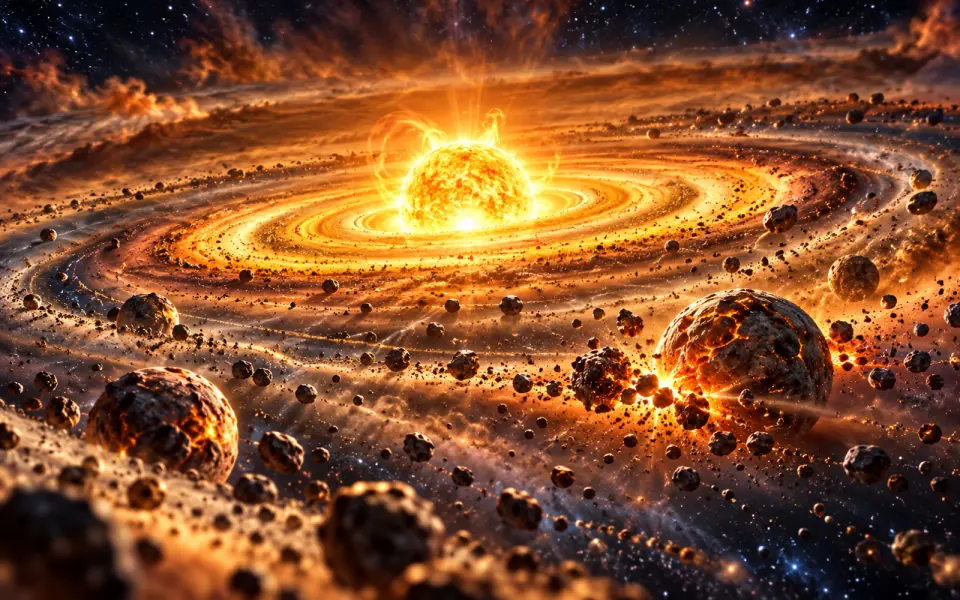 BeforeFormation of the Solar Systemabout 4.6 billion years ago
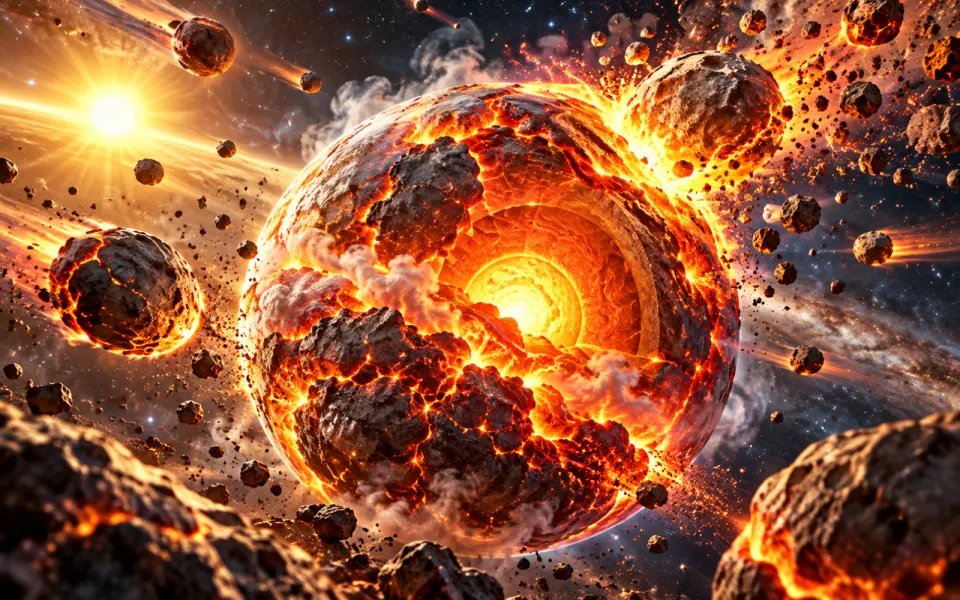 BeforeBirth of the Earthabout 4.5 billion years ago
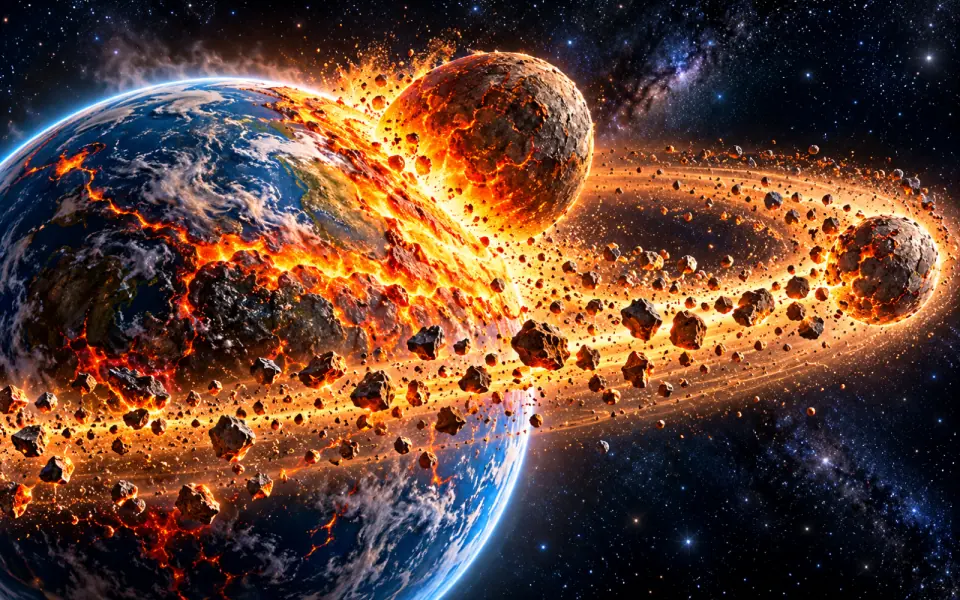 BeforeFormation of the Moonabout 4.5 billion years ago
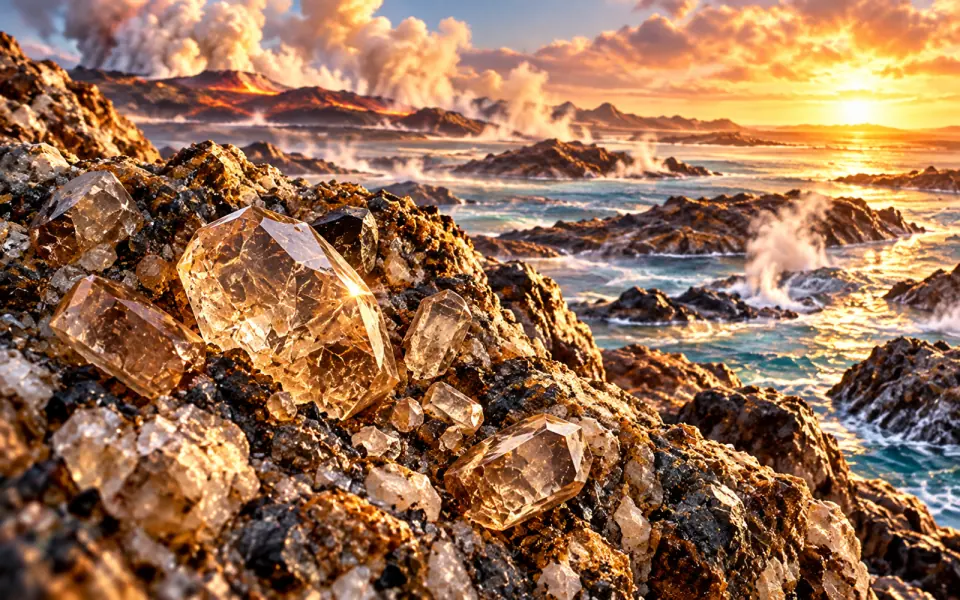 BeforeThe oldest pieces of Earthabout 4.4 billion years ago
- You are hereThe first oceansabout 4.3 billion years ago
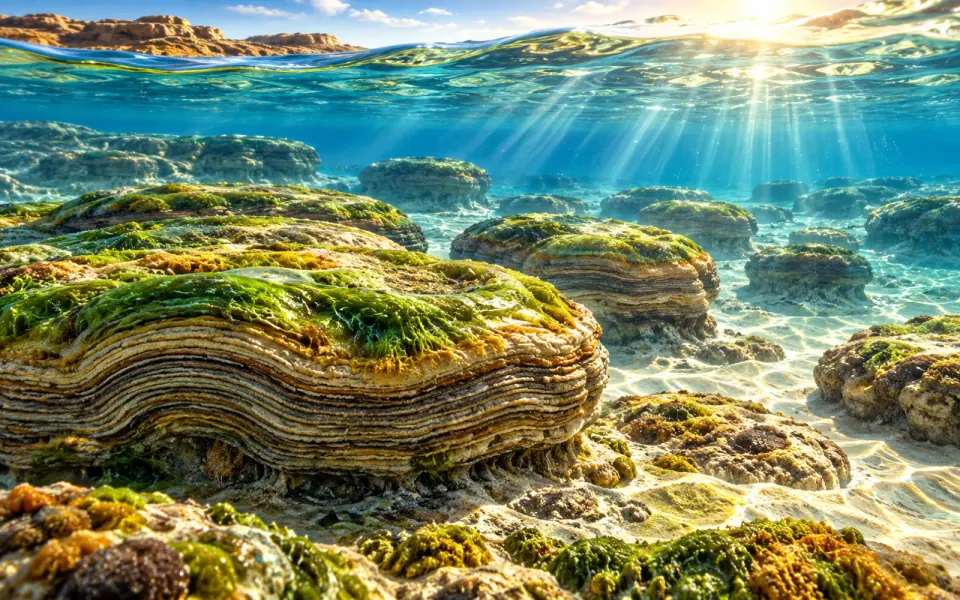 AfterThe first life on Earthabout 3.5 billion years ago
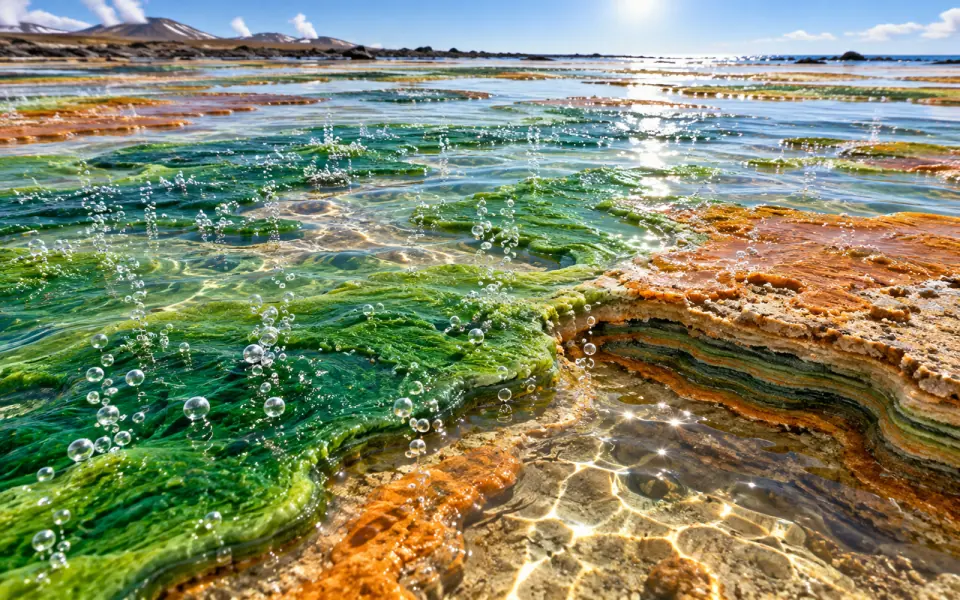 AfterCyanobacteria and photosynthesisabout 2.7 billion years ago
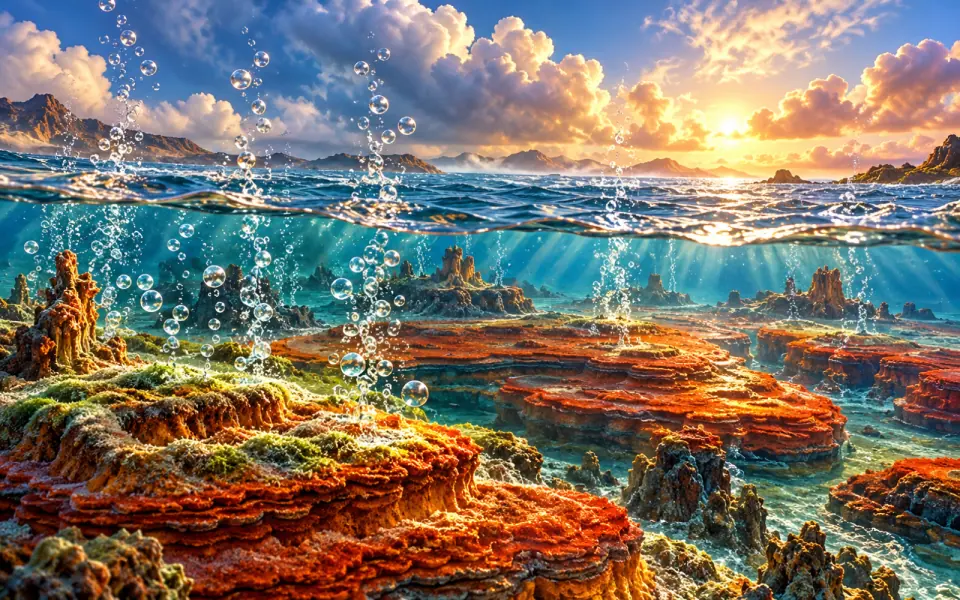 AfterThe Great Oxidation Eventabout 2.4 billion years ago
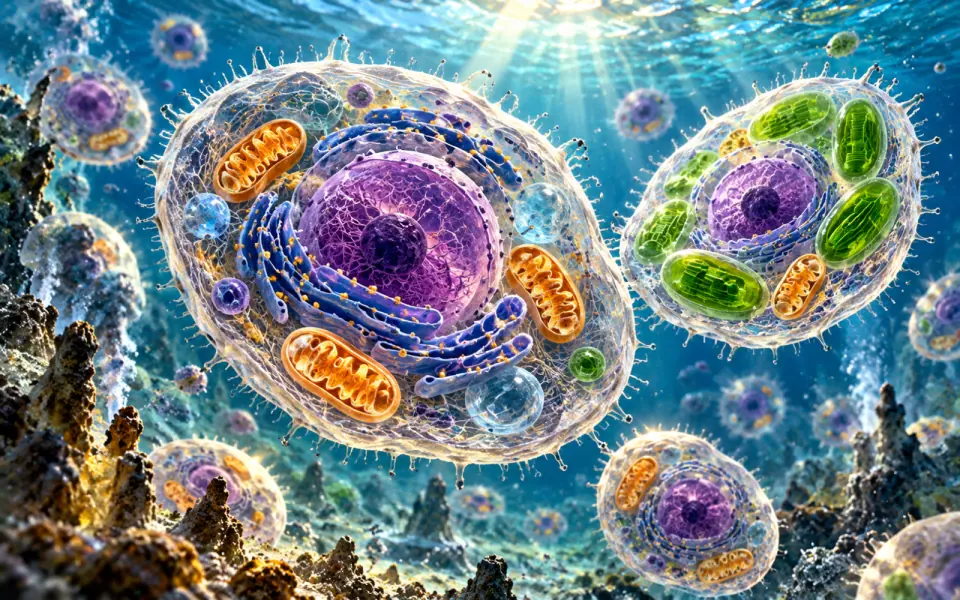 AfterThe first complex cellsabout 1.8 billion years ago
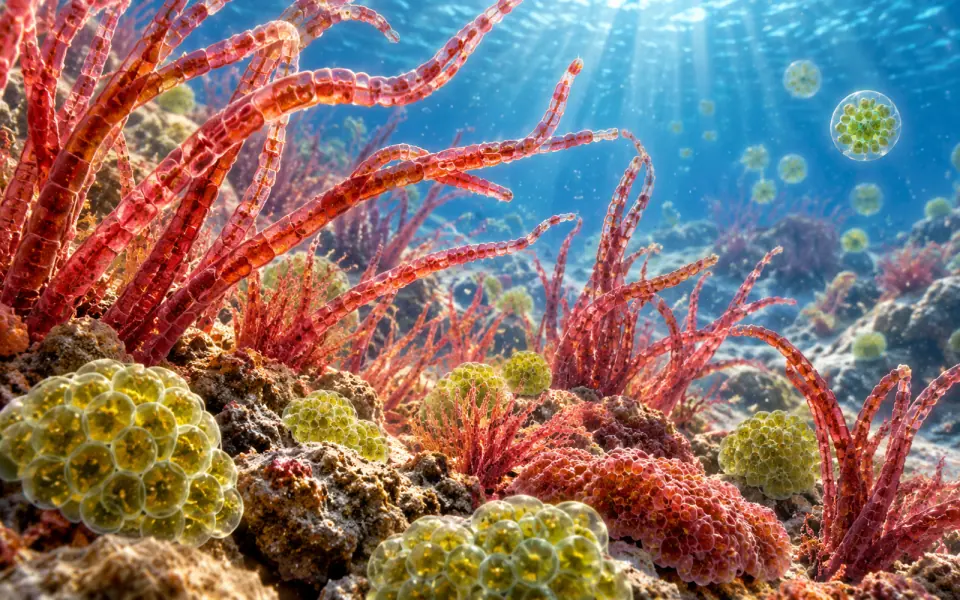 AfterThe first many-celled living thingsabout 1 billion years ago
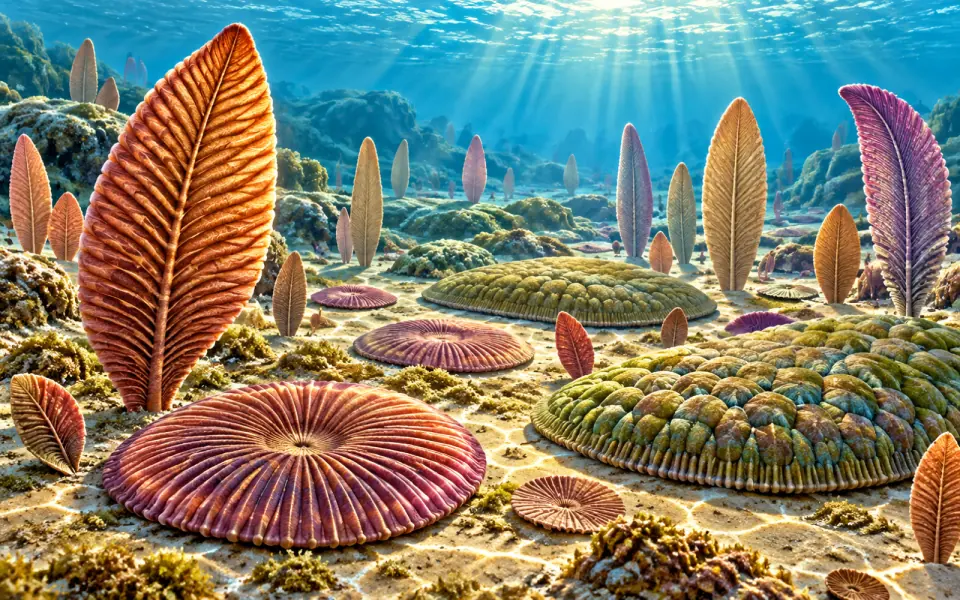 AfterThe Ediacaran creaturesabout 555 million years ago
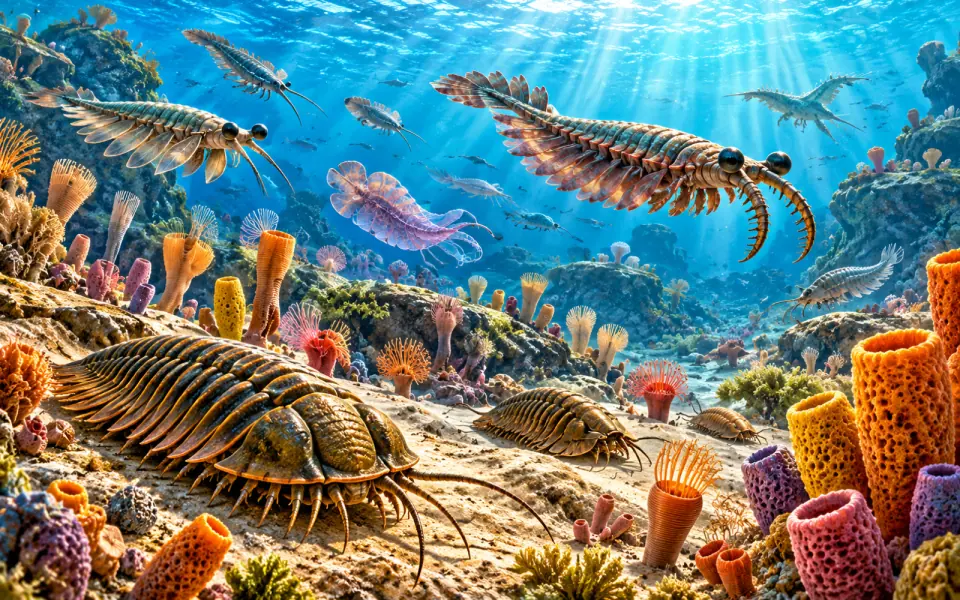 AfterThe Cambrian explosionabout 539 million years ago
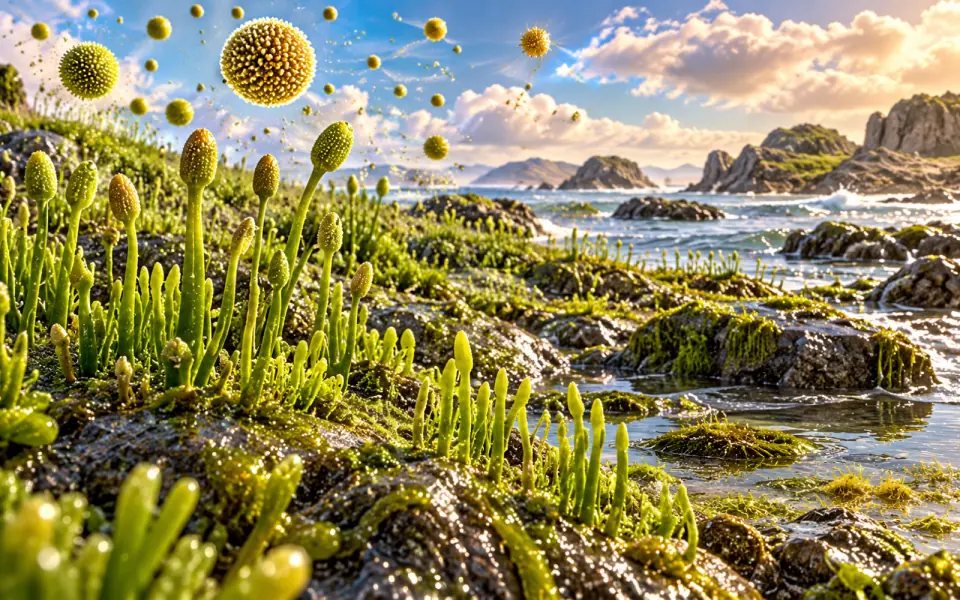 AfterThe first plants on landabout 475 million years ago
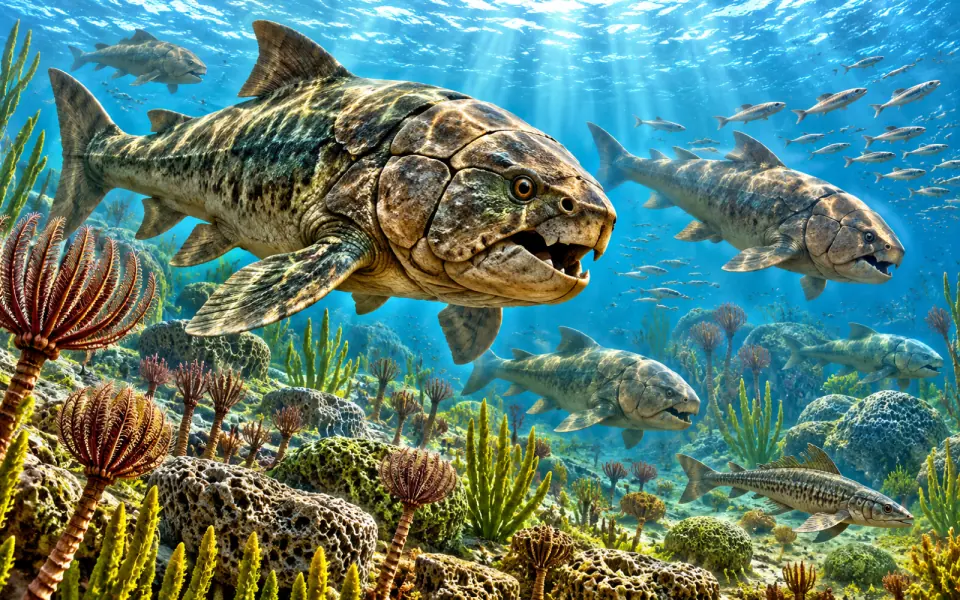 AfterThe first fish with jawsabout 440 million years ago
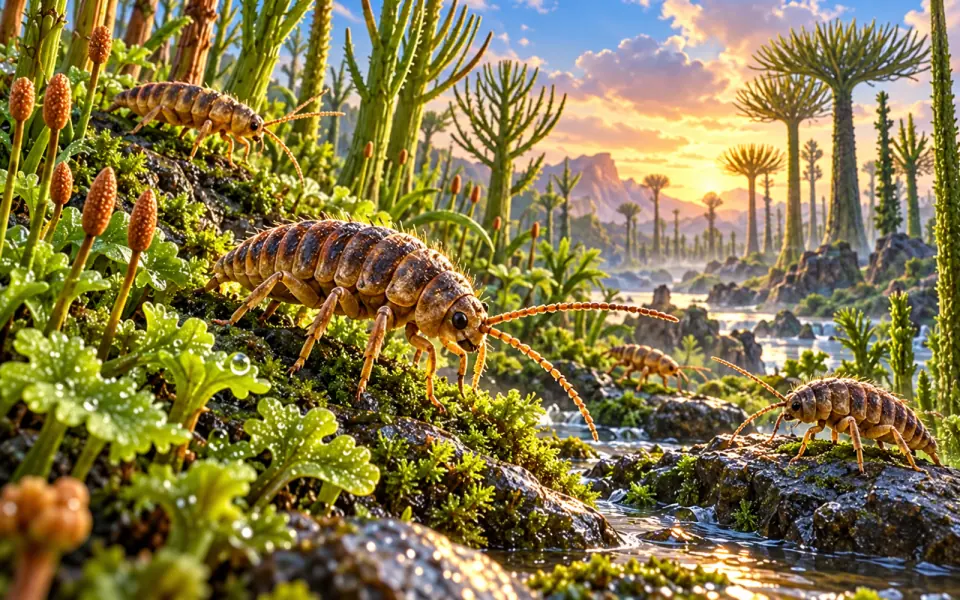 AfterThe first insectsabout 400 million years ago
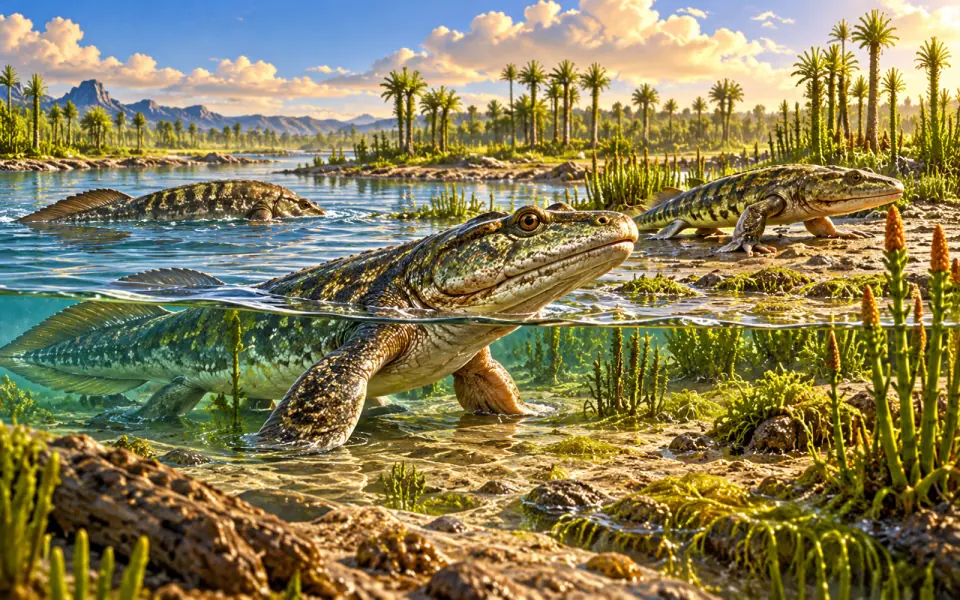 AfterThe first amphibiansabout 375 million years ago
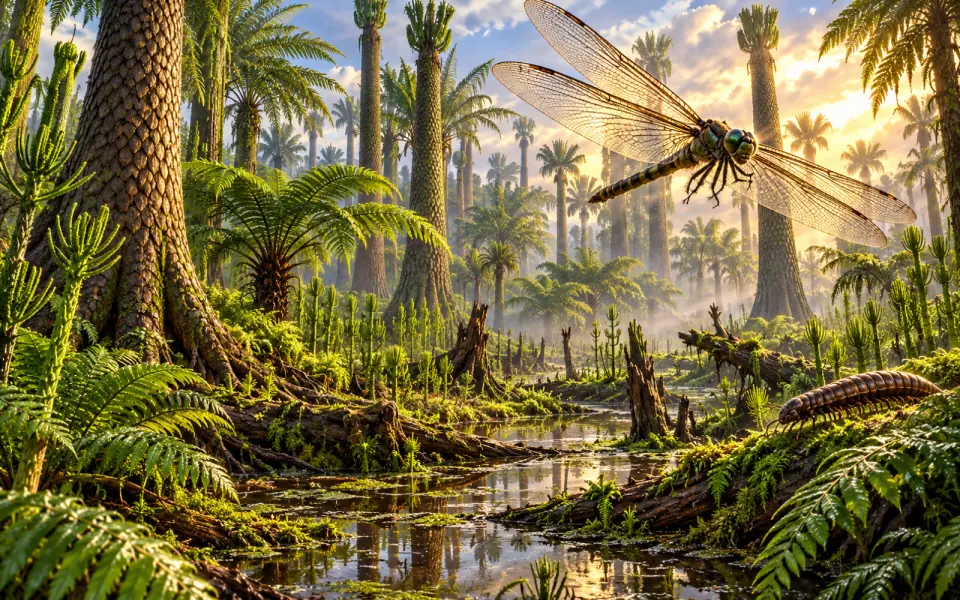 AfterCarboniferous forestsabout 320 million years ago
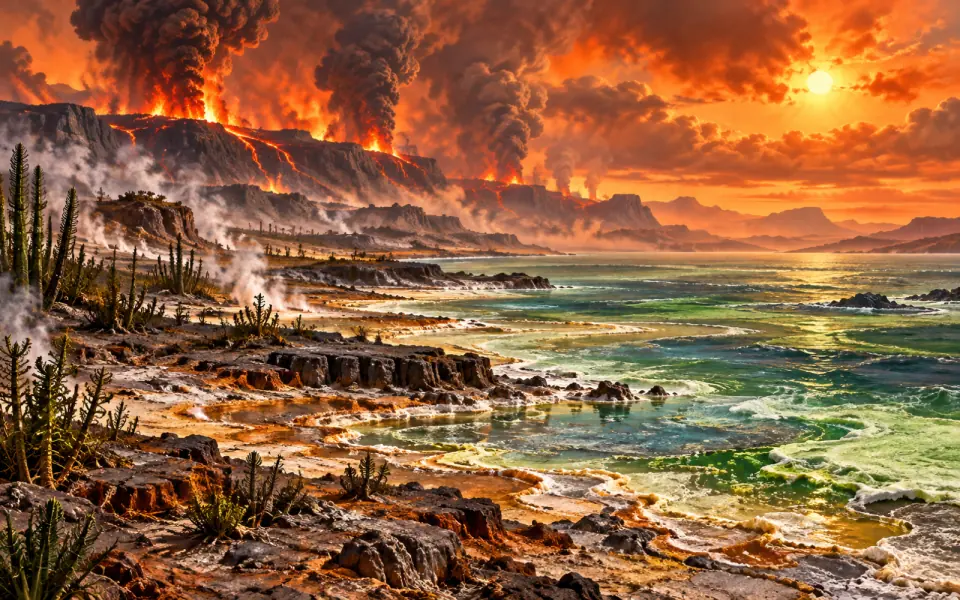 AfterThe great Permian extinctionabout 252 million years ago
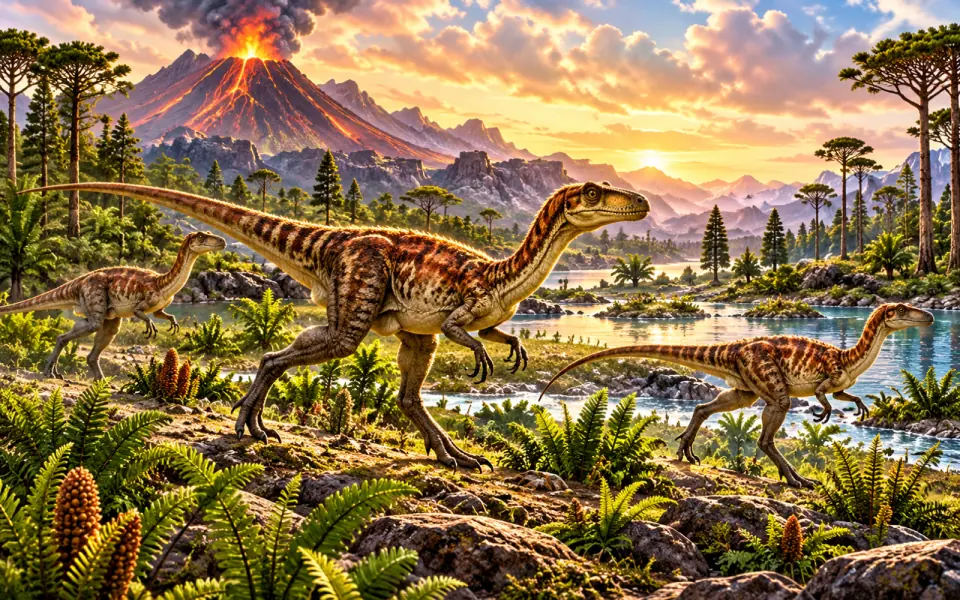 AfterThe first dinosaursabout 230 million years ago
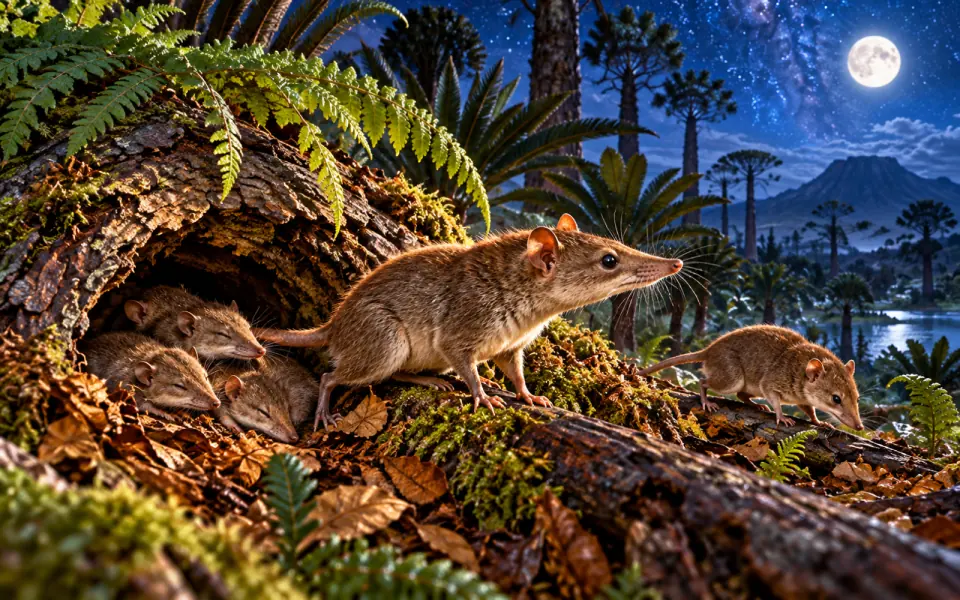 AfterThe first mammalsabout 225 million years ago
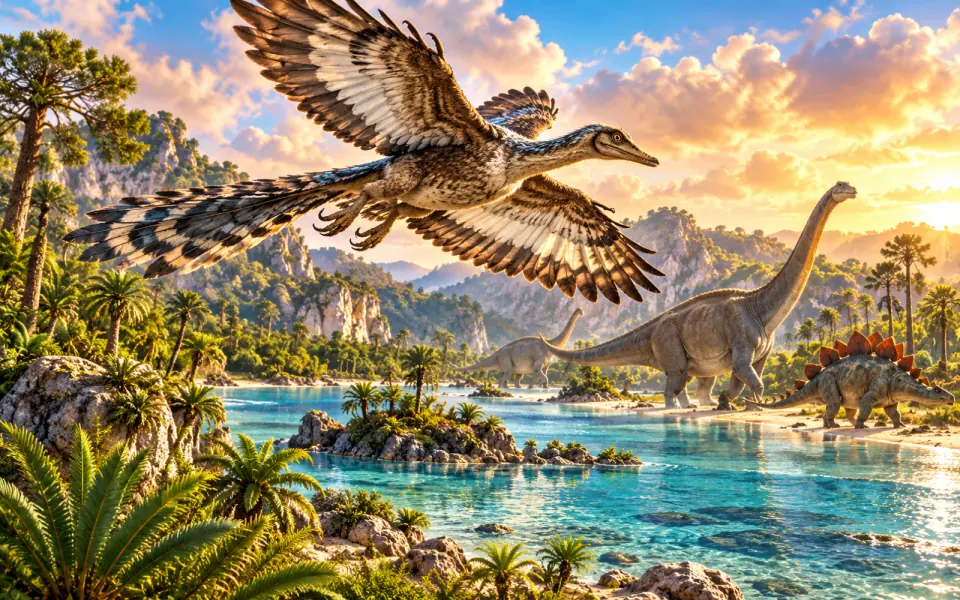 AfterThe first birdsabout 150 million years ago
 AfterExtinction of the non-avian dinosaursabout 66 million years ago
Listen / Read next
- Music to read by: Cinematic JourneyEpic film-style music, no lyrics, by Ciro Simone IrmiciSpotifyYouTube Music
Meanwhile, elsewhere in the world
Other events of the era “The Earth before us”
- The Big Bang
- The first stars
- Birth of the Milky Way
- Formation of the Solar System
- Birth of the Earth
- Formation of the Moon
- The oldest pieces of Earth
- The first life on Earth
- Cyanobacteria and photosynthesis
- The Great Oxidation Event
- The first complex cells
- The first many-celled living things
- The Ediacaran creatures
- The Cambrian explosion
- The first plants on land
- The first fish with jaws
- The first insects
- The first amphibians
- Carboniferous forests
- The great Permian extinction
- The first dinosaurs
- The first mammals
- The first birds
- Extinction of the non-avian dinosaurs
