Era 5 of 12 · from 800 to 264 BC
Ancient Greece
Between 2800 and about 2300 years ago, in Greece and along the coasts of the Mediterranean, hundreds of independent cities flourished. Democracy was born in Athens, while Sparta trained its citizens to be soldiers. The Greeks joined forces to drive back the Persians, but then ended up fighting one another. This age produced philosophers, scientists, poets and artists we still study at school today. With Alexander the Great, Greek culture reached as far as Egypt and India.
In Italian schools it is usually studied in primary year 5
The 25 events, in time order
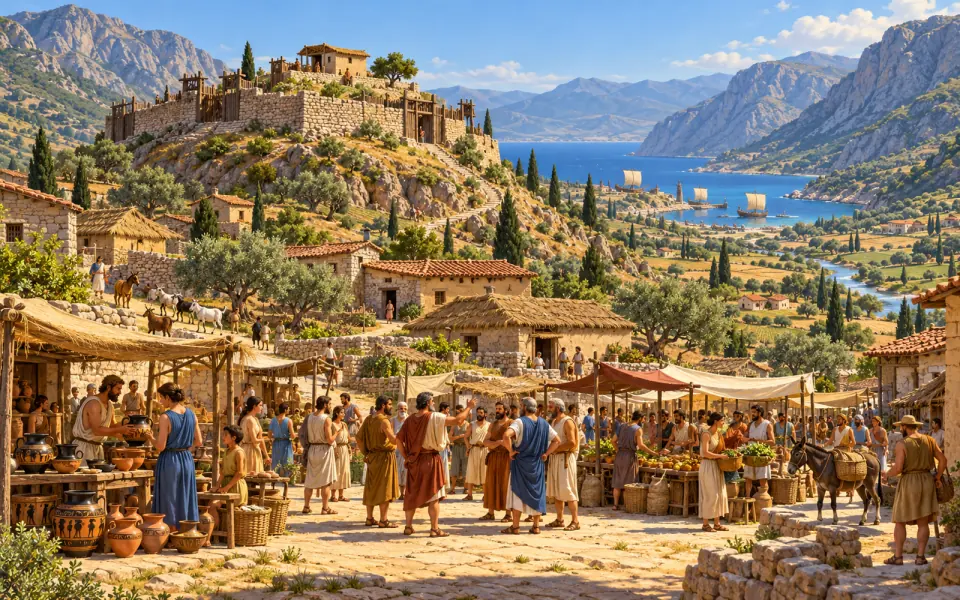 politicsThe first Greek city-statesabout 800 BC
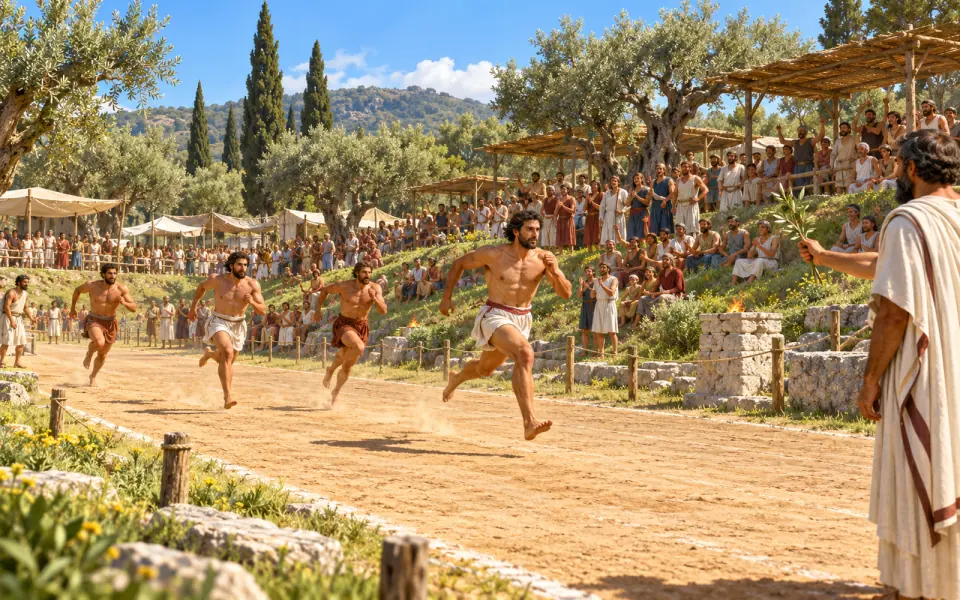 daily lifeThe ancient Olympic Gamesabout 776 BC
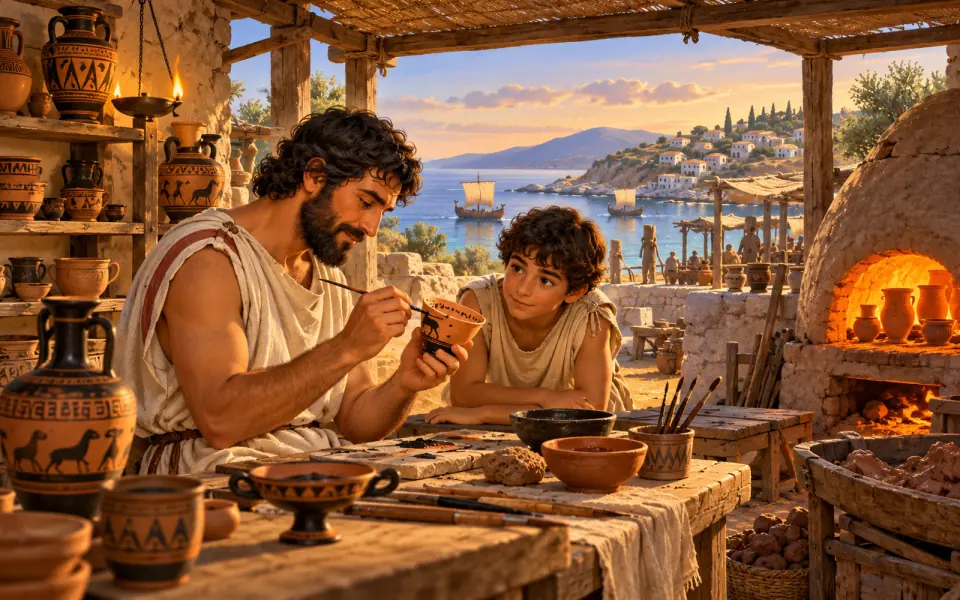 science and technologyThe Greek alphabetabout 750 BC
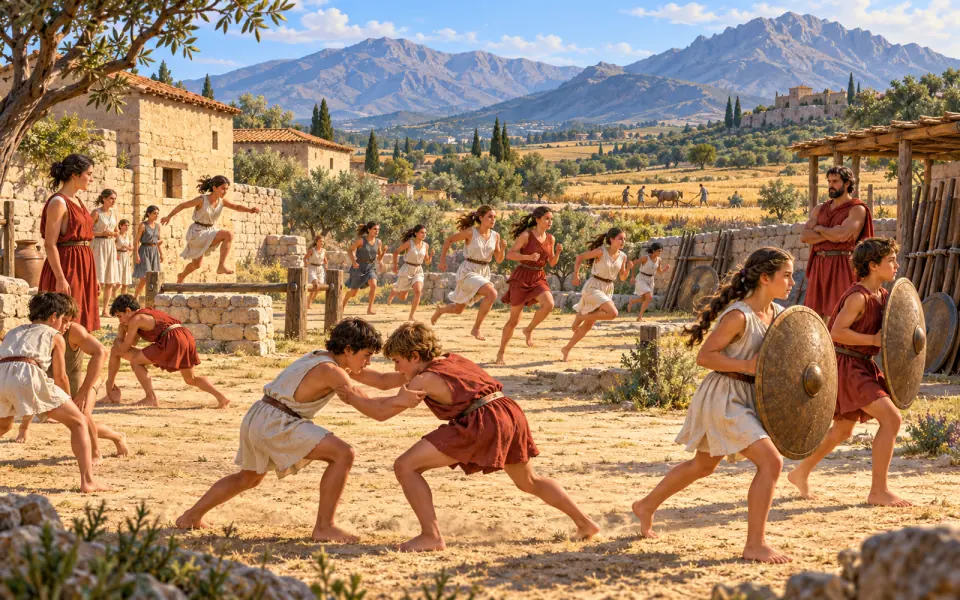 daily lifeLife in Spartaabout 700 BC
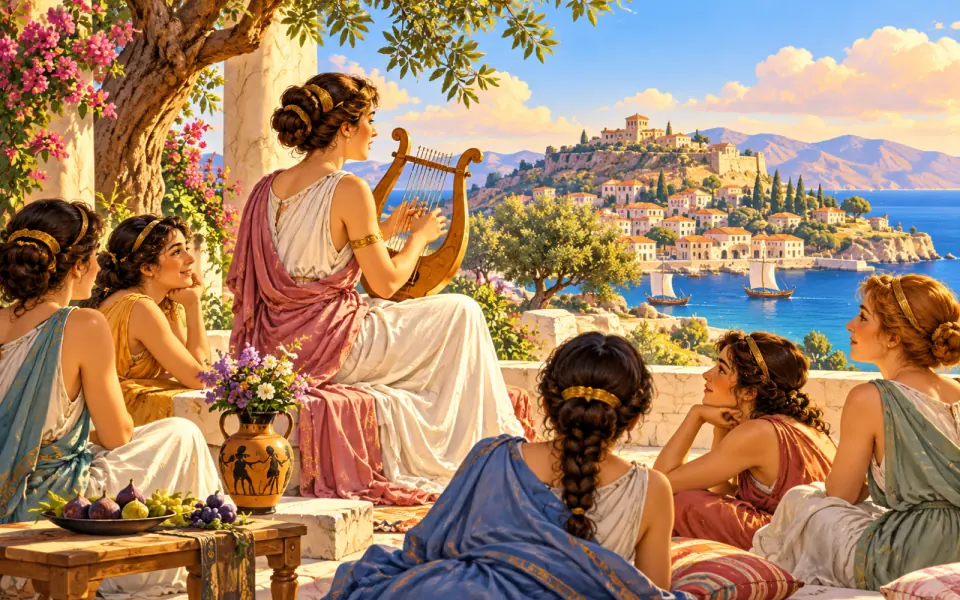 peopleSappho, the poet of Lesbosabout 600 BC
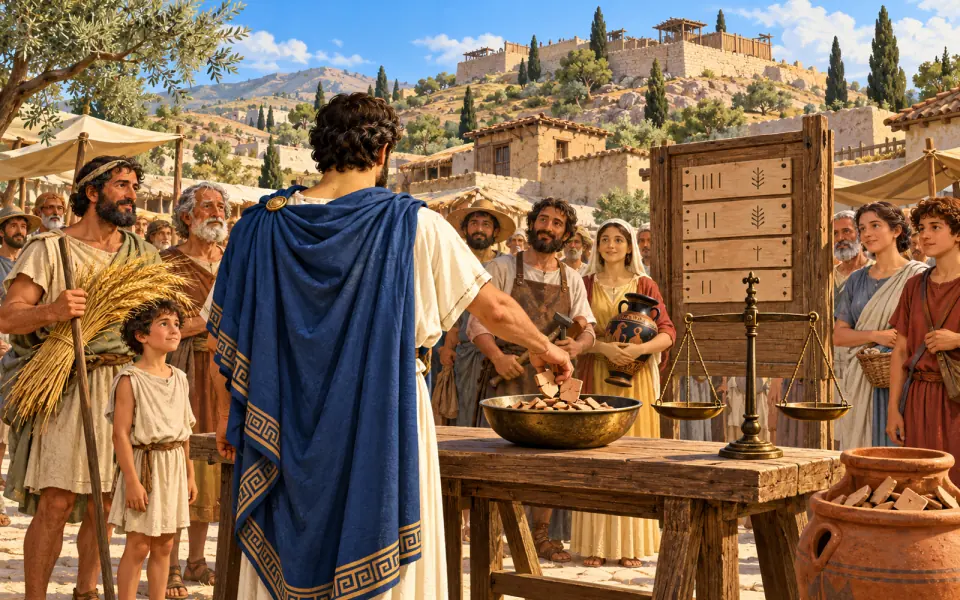 politicsThe reforms of Solonabout 594 BC
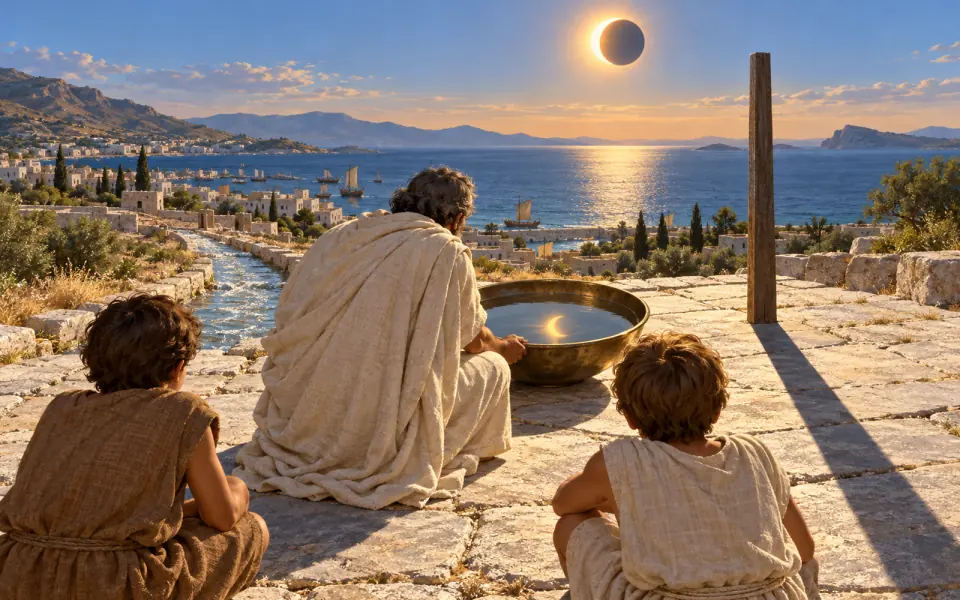 peopleThales studies natureabout 585 BC
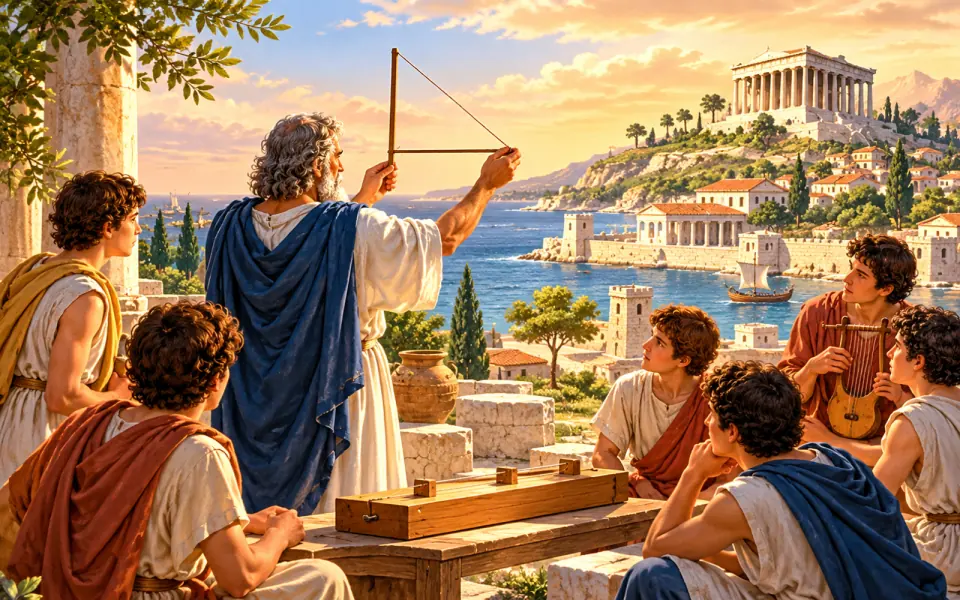 peoplePythagoras at Crotonabout 530 BC
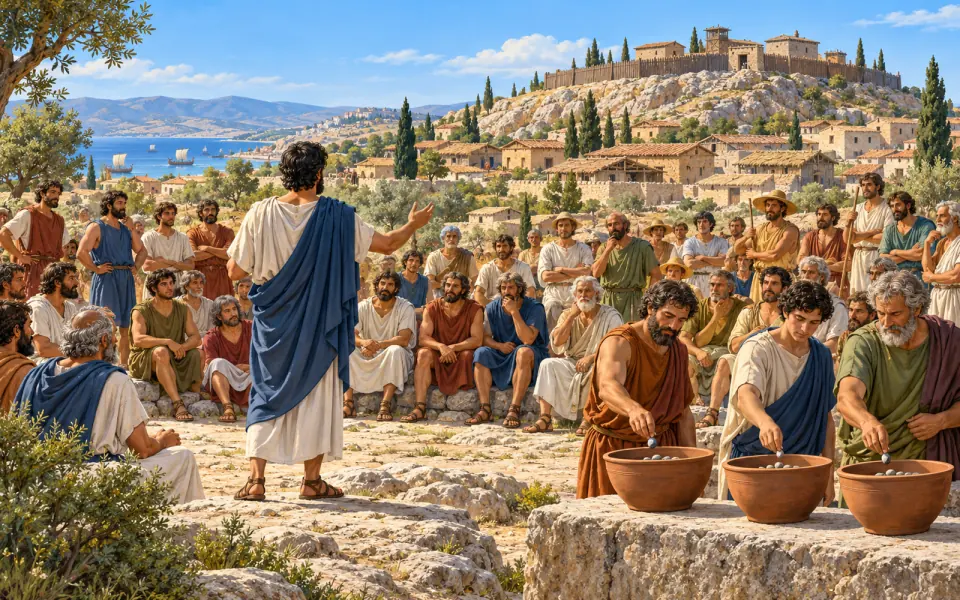 politicsCleisthenes and democracyabout 508 BC
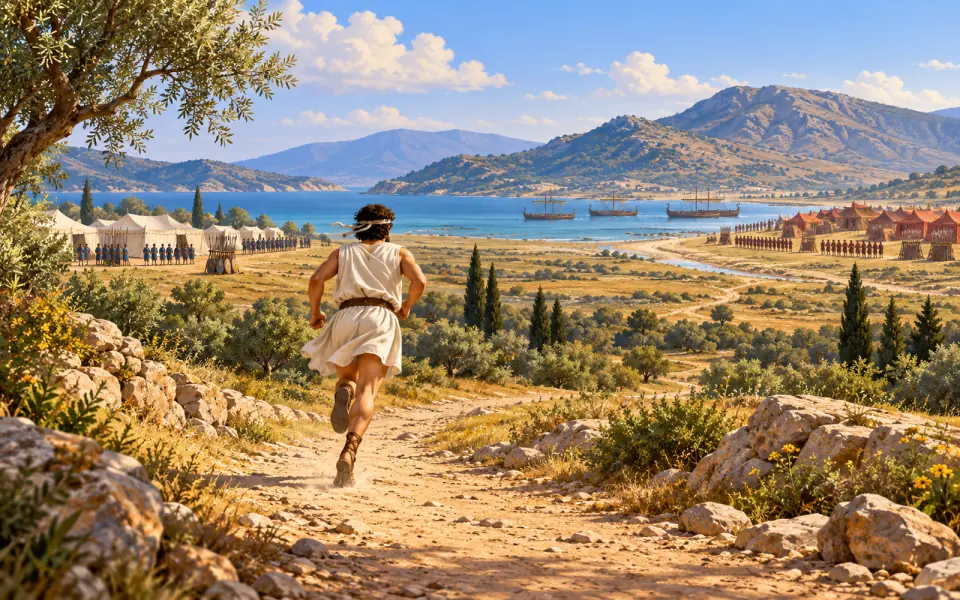 politicsThe Battle of Marathon490 BC
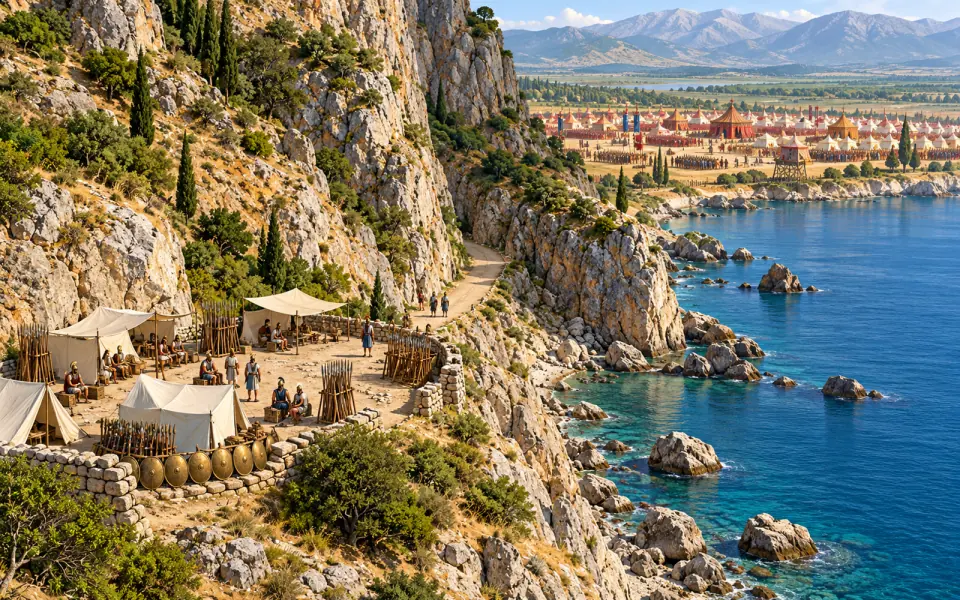 politicsThe Battle of Thermopylae480 BC
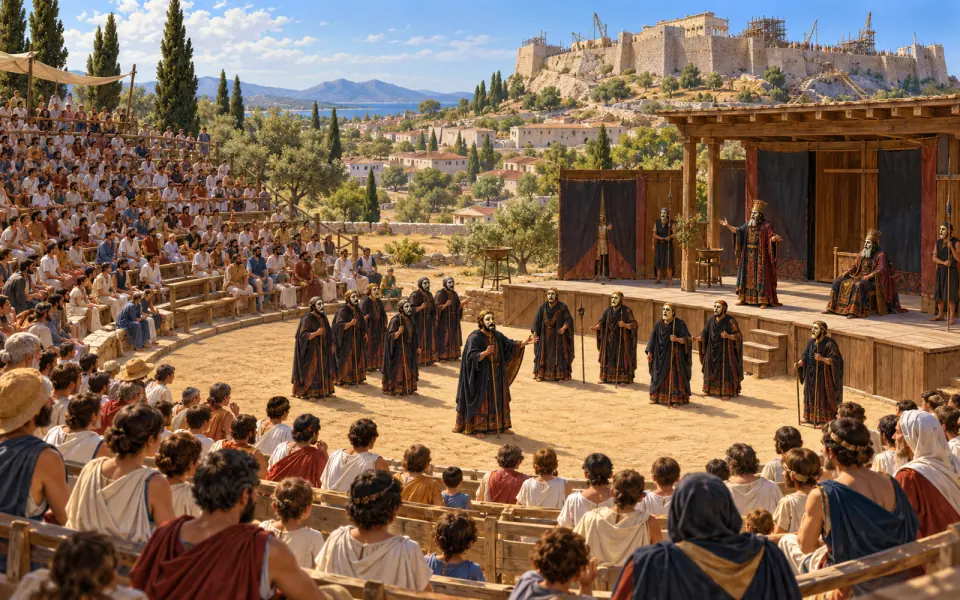 artThe theatre of Aeschylus472 BC
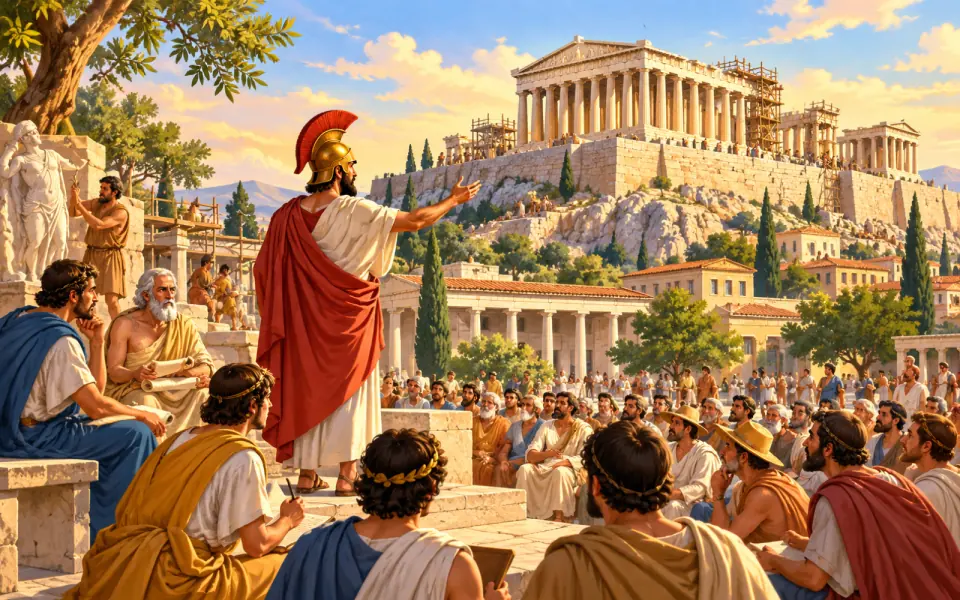 peopleThe Age of Pericles461–429 BC
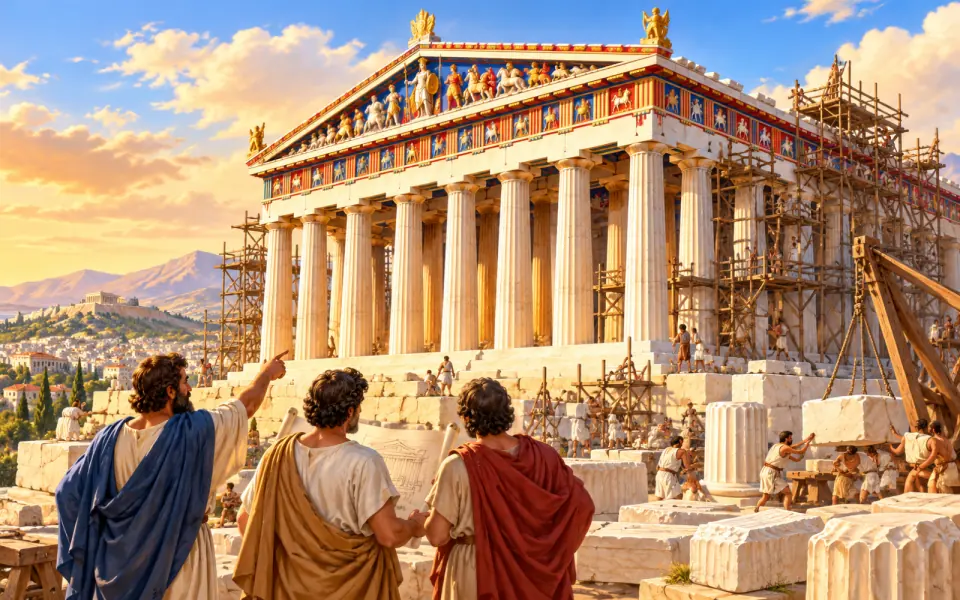 artThe Parthenon447–432 BC
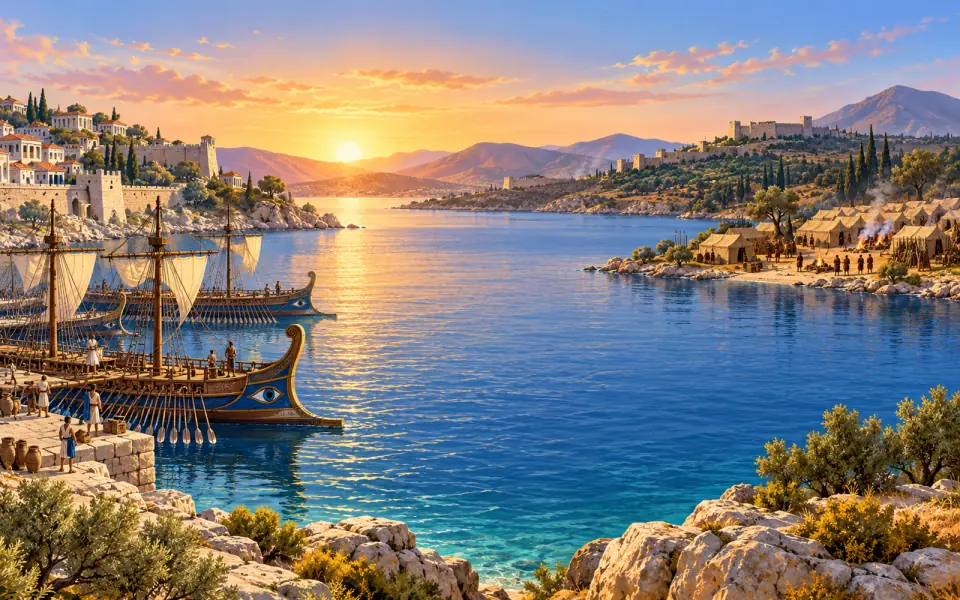 politicsThe Peloponnesian War431–404 BC
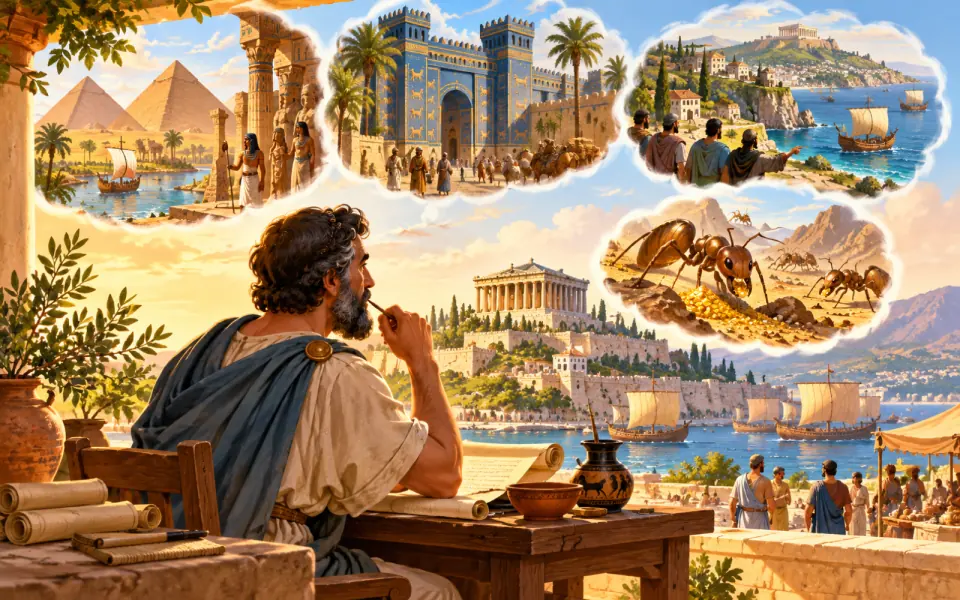 peopleHerodotus writes the Historiesabout 430 BC
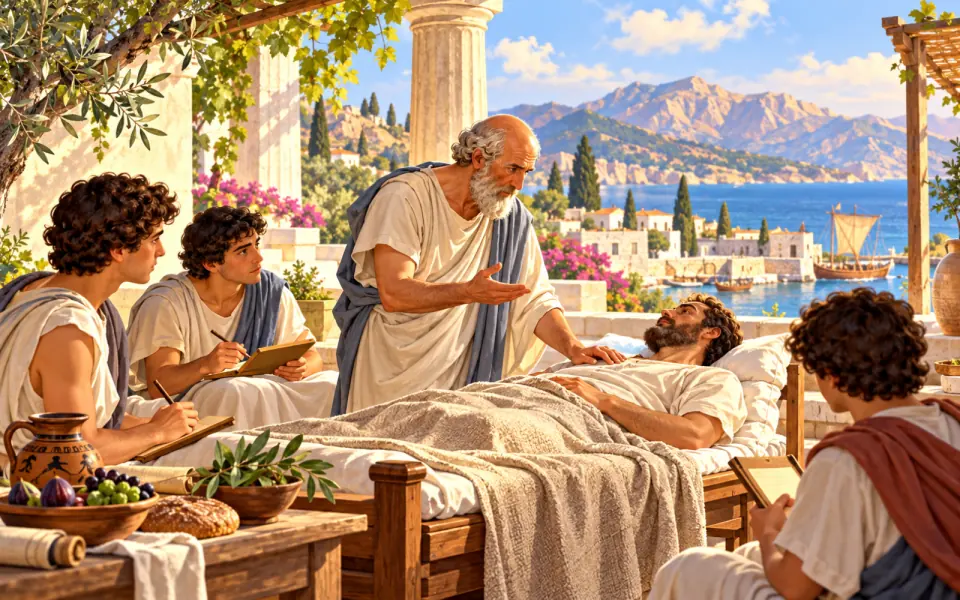 science and technologyHippocrates and medicineabout 400 BC
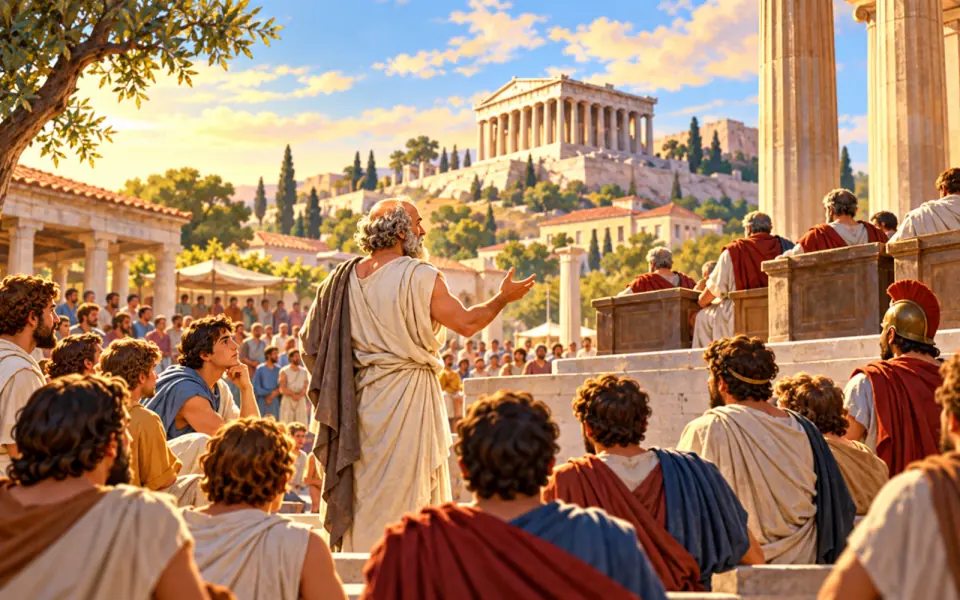 peopleSocrates is condemned399 BC
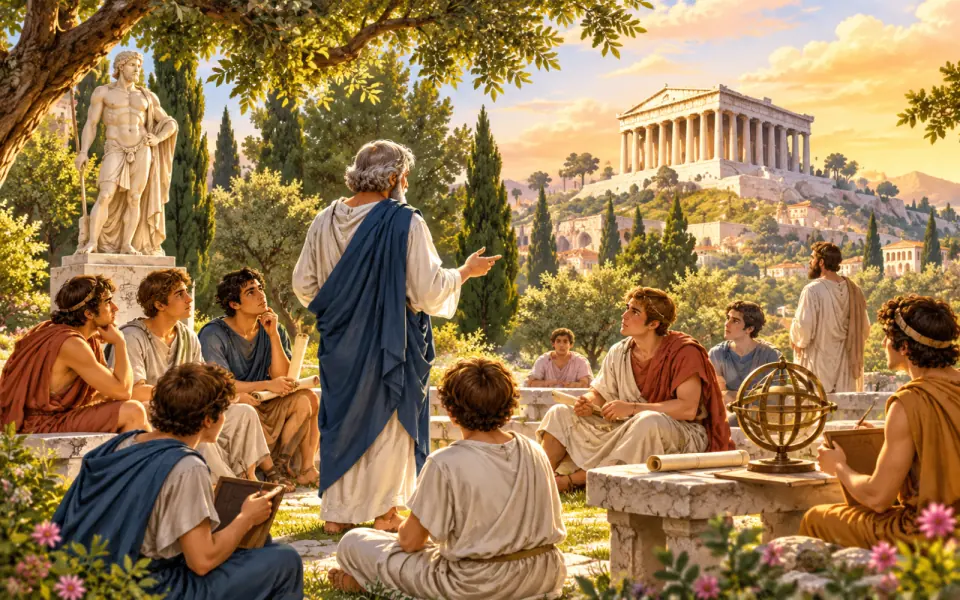 peoplePlato's Academyabout 387 BC
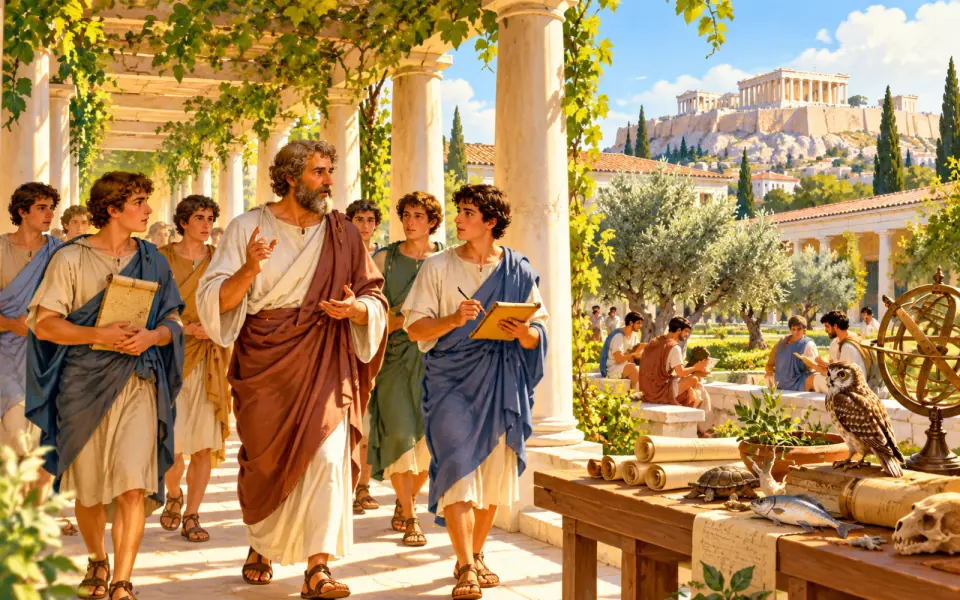 peopleAristotle founds the Lyceumabout 335 BC
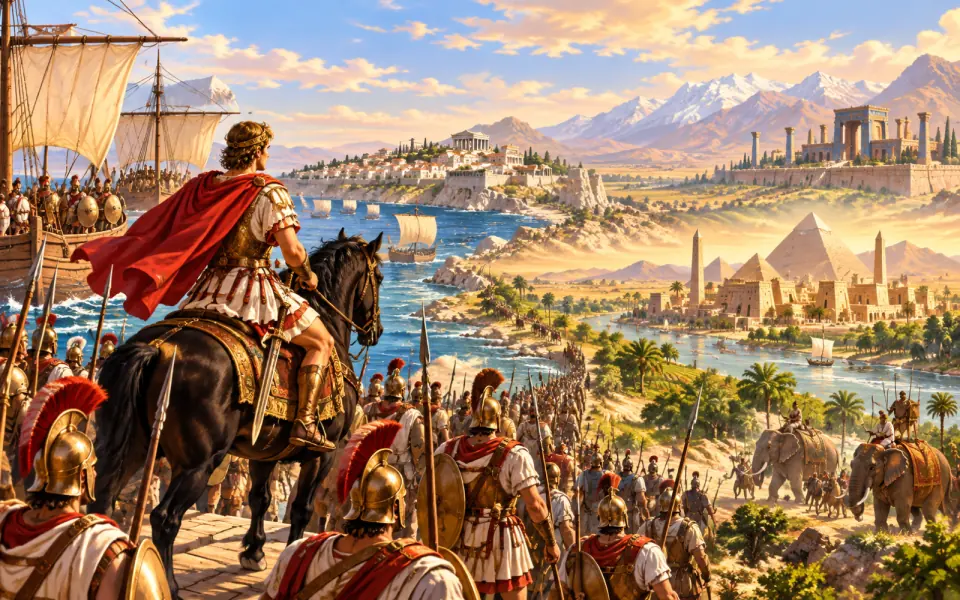 politicsThe conquests of Alexander334–323 BC
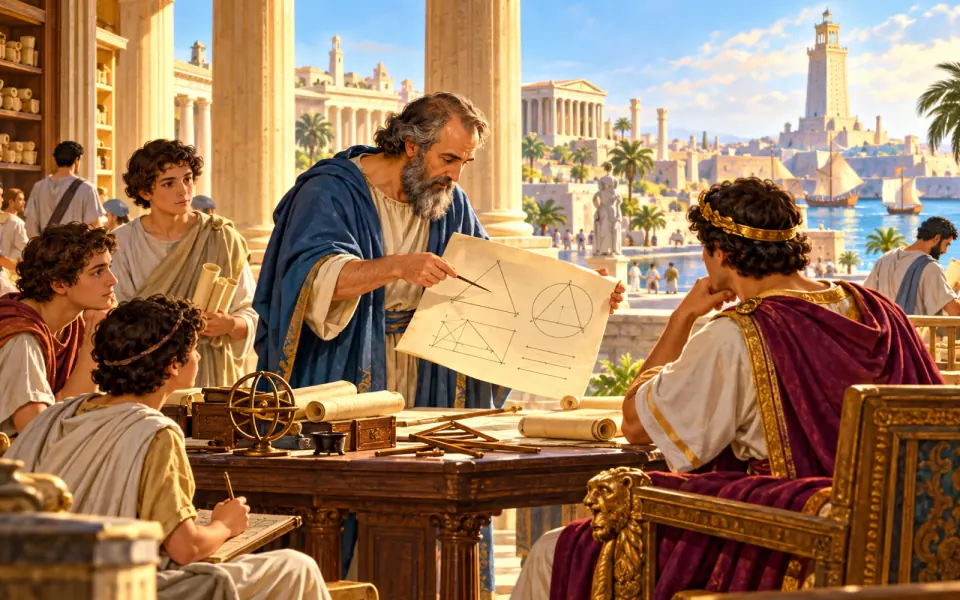 science and technologyEuclid writes the Elementsabout 300 BC
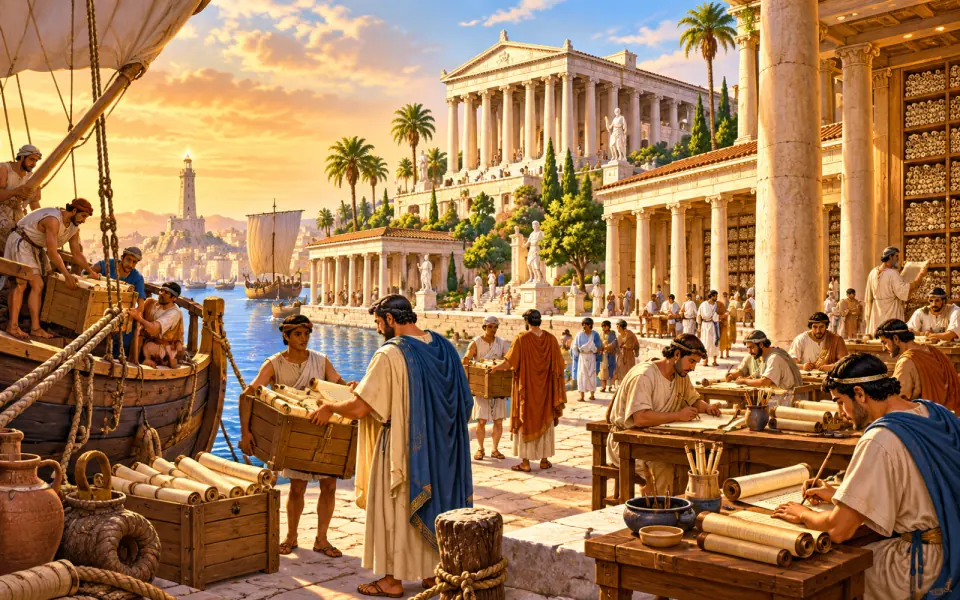 artThe Library of Alexandriaabout 295 BC
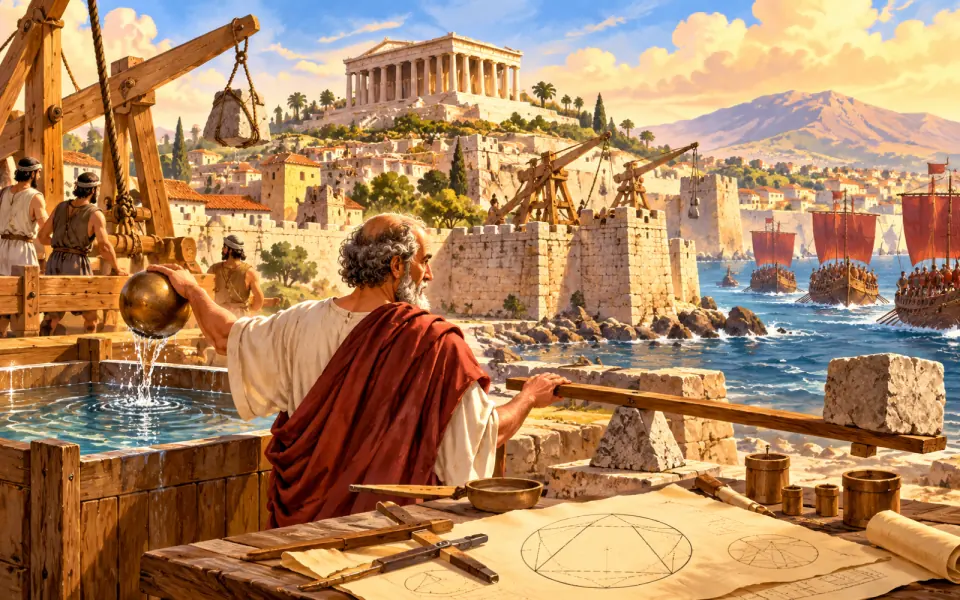 science and technologyArchimedes of Syracuseabout 250 BC
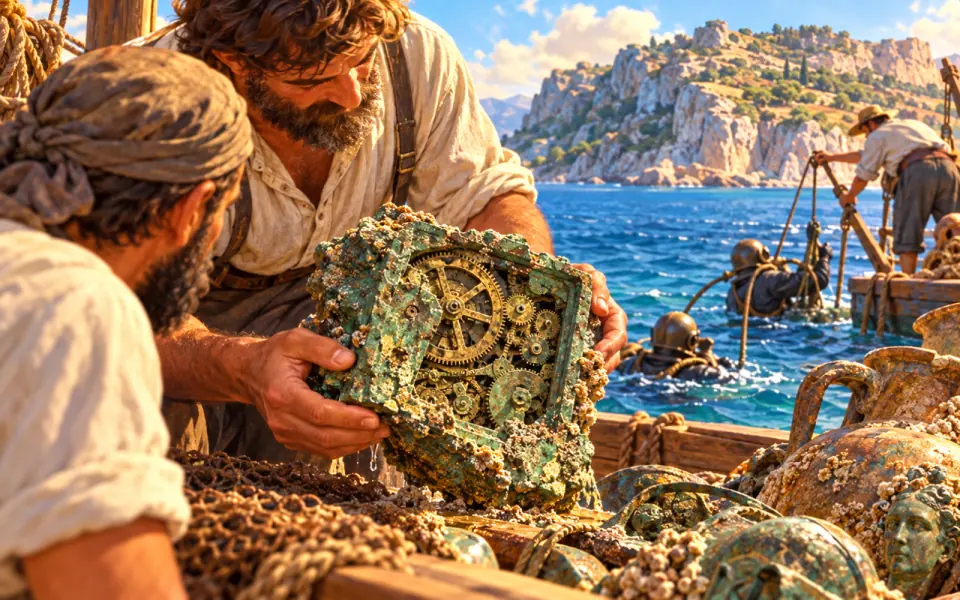 science and technologyThe Antikythera mechanismabout 100 BC
Did you know?
- The athletes at Olympia competed without any clothes on, and married women were not even allowed to watch the games.
- In Athens, to send a politician thought to be dangerous away for ten years, citizens wrote his name on a piece of broken pottery called an ‘ostrakon’: that is where the word ‘ostracism’ comes from.
- The Parthenon stayed almost undamaged for more than two thousand years: it was badly damaged only in 1687, when a cannonball set off the gunpowder stored inside it.
Test yourself
Ten questions on the era: multiple choice, before or after, put in order, match.
Quiz: Ancient Greece